
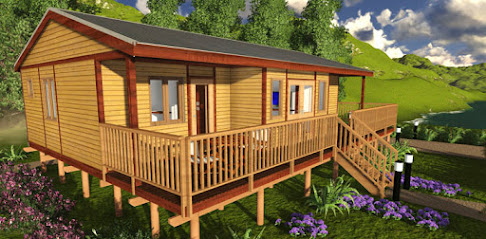
REVO Timber Home Kits is a Prefabricated house companies establishment in Knysna, Western Cape, South Africa
REVO Timber Home Kits: Prefabricated timber homes for Knysna and the Western Cape
REVO Timber Home Kits offer a modular, timber-based building system designed to simplify and accelerate the construction of residential, commercial and hospitality spaces in Knysna and the wider Western Cape. The company markets six standard timber home kits, each pre-manufactured to exact specifications and shipped to site for on-site installation. The kits utilise South African pine and include key structural elements such as rafters, decking and timber posts, with pre-glazed aluminium windows and doors and corrosion-resistant fixings and fastenings. The system emphasises a controlled, off-site manufacturing process intended to reduce on-site disruption and shorten lead times.
From a customer experience standpoint, the REVO offering positions itself as a turnkey or semi-turnkey solution depending on client needs. The kits are described as fully customisable and flexible in design, capable of accommodating a range of styles—from modern minimalist to traditional timber aesthetics. The company highlights the ability to tailor floor plans, interior finishes and exterior treatments, so a timber home kit can reflect individual taste while retaining the efficiencies of prefab construction.
Design and construction narratives on the site emphasise the ease of erection. The timber home kits come with a complete set of technical drawings and installation instructions, enabling installation on a concrete base or elevated timber base with limited skilled labour and basic tools. The approach is framed as reducing construction time and labour costs, with claims that a typical 25m² to 30m² timber unit can be assembled in three days under ideal conditions. Environmental considerations feature prominently, noting FSC-certified timber procurement, thermal insulation, and the potential for near-total component recovery if the structure is disassembled, contributing to a lower carbon footprint than many traditional builds.
Practical applications for the kits span a variety of use cases. The Gateway is presented as a practical single-room unit suitable for a granny flat, self-catering log cabin or resort bungalow. Sea Breeze is a larger, self-contained option suitable for residential additions or resort accommodation. Driftwood is pitched as a compact, private work space or home office. Lake View offers a two-bedroom design aimed at first-time buyers seeking a cosy timber home vibe. Half Moon and Full Moon present expandable layouts with open-plan and multi-bedroom configurations, designed to suit starter homes and medium-sized family residences respectively. Together, these options cover lodgings and live-work configurations often sought in high-demand coastal and tourism-driven markets in the region.
Customer experience at REVO is reinforced by external reviewer feedback. One visitor profile, Nikita Syfert, notes a presence of multiple reviews and positive impressions from a 5-year past visit, indicating a generally favourable reception among customers and observers. While individual experiences may vary, the emphasis on design flexibility, rapid construction and environmental stewardship is consistently highlighted across the brand’s materials.
In addition to standard kits, REVO frames itself as capable of supporting broader timber-building projects, including turn-key builds and custom timber cabins. The company’s literature suggests a focus on eco-friendly manufacturing practices, energy-efficient features and durable, low-maintenance materials designed to withstand local climate conditions. This positioning is aimed at buyers seeking modern, aesthetically pleasing timber homes with efficient delivery timelines and reduced long-term maintenance costs.
Typical job types described or implied include holiday accommodation units (granny flats and resort-style cabins), residential extensions, home offices, and starter homes in coastal or semi-rural settings. The modular approach enables scalable solutions—from single-room units to multi-bedroom designs—depending on site constraints, budget and personal preferences.
Practical tips for potential customers include reviewing the provided technical drawings and installation guidance to understand site preparation requirements, such as base type and access for delivery of kit components. Prospective buyers should consider their preferred exterior finishes and interior options early in the design phase to ensure alignment with kit specifications. Given the emphasis on environmental responsibility, requesting information about timber sourcing, insulation specifications and potential for off-grid or energy-efficient upgrades (for example, solar integration or high-performance insulation) can help match the kit to long-term operating costs and sustainability goals.
The Knysna and Western Cape market for REVO timber home kits benefits from seasonal tourism demand and coastal living patterns, where rapid deployment and customisable, visually appealing timber homes are particularly appealing. While specific business hours are not listed on the public pages, visitors typically engage via the site’s kit catalogue and downloadable resources, including assembly methodology and e-brochures, to inform initial inquiries and planning discussions.
Knysna
Western Cape
South Africa
Prefabricated house providers in Knysna, Western Cape offer a range of housing solutions designed to suit coastal and inland conditions, while taking into account the local climate, materials availability, and building regulations. The diversity of services typically centres on design, manufacturing, transport, and on-site assembly, with emphasis on efficiency, quality control, and delivery timelines that align with the demanding South African construction environment.
In Knysna, the service journey generally begins with consultation and conceptualisation. Prospective homeowners or developers discuss site conditions, budget, and preferred architectural style. Building envelopes are considered for wind, rain, and potential humidity, alongside energy efficiency targets and insulation needs. Once a concept is approved, a designer or project manager translates ideas into technical drawings and a bill of materials. The outcome is a customised plan that can be refined to meet local planning permissions and zoning requirements, along with a clear programme for production and delivery.
Manufacturing is typically carried out in controlled factory environments. Components such as structural panels, wall and roof elements, and modular rooms are produced to precise specifications. This staging helps ensure consistent quality, faster construction, and reduced on-site disruption. Materials selection often emphasises durability against coastal exposure, corrosion resistance, and long-term maintenance considerations. The finished modules are then prepared for transport to Knysna, with logistics planned to minimise the impact of road restrictions, river crossings, and potential weather delays.
Delivery and on-site assembly are pivotal stages in the service model. For coastal towns like Knysna, access routes, excavation requirements, and foundation readiness are assessed prior to arrival. On-site teams coordinate the careful positioning of modules, assembly of structural connections, and the integration of utilities such as plumbing, electrical, and drainage. Builders often implement sealants and weatherproofing packages to protect against moisture ingress. The process typically concludes with interior finishing, which may range from basic functional fit-outs to high-end customisations, depending on the project scope and budget.
Clients can expect pragmatic considerations to feature prominently in the Knysna context. Site preparation may include securing stabilised foundations, addressing drainage, and ensuring access for delivery vehicles. Local suppliers and subcontractors are commonly engaged for specialised tasks such as roofing, plastering, and final landscaping. Regions with strong tourism activity may prompt interest in sturdy, low-maintenance designs that can be rented or repurposed with ease. Environmental considerations, including eco-friendly insulation, sustainable materials, and solar readiness, are increasingly factored into plans where feasible.
- Feasibility assessment and architectural design aligned with local planning requirements
- Manufacture of modular components in controlled facilities
- Transport to site and careful on-site assembly by trained crews
- Utility connections, interior finishes, and exterior upgrade options
- Post-installation support, maintenance guidance, and potential expansion planning
Customer expectations in Knysna commonly include predictable timelines, clear communication, and transparent pricing. While exact costs vary by design, size, and finishes, the emphasis remains on delivering well-engineered homes that balance comfort, durability, and value. Practical considerations also include compliance with national and local building regulations, fire safety standards, and environmental guidelines. Although the particulars of each project differ, successful prefabricated house services in Knysna typically blend design flexibility with efficient production, enabling homeowners to realise custom living spaces within a streamlined, collaborative framework.
Sorry, no records were found. Please adjust your search criteria and try again.
Sorry, unable to load the Maps API.