
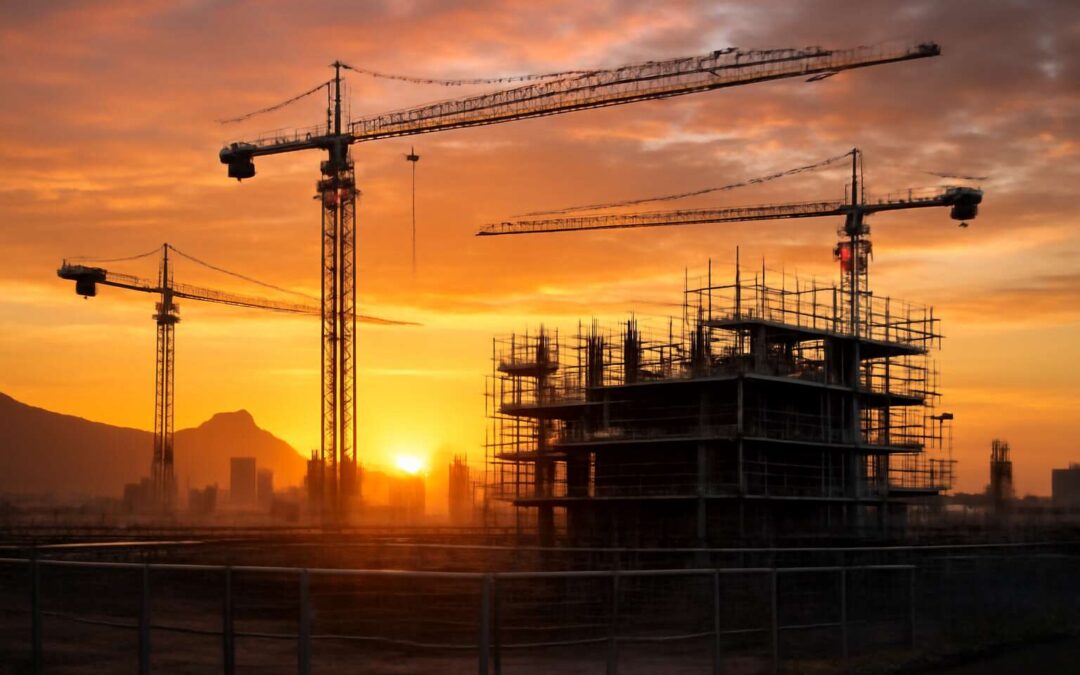
Understanding structural risks and illicit practices in Cape Town construction
Common corruption indicators in local projects
On Cape Town’s evolving skyline, risk wears many faces. “Power builds; transparency keeps it standing,” a veteran auditor once said, and that truth resonates on sites where procurement hides in the margins. Understanding structural risks and illicit practices in Cape Town construction is not only a technical exercise—it is a moral map guiding sustainable growth. The term construction mafia cape town hovers as a cautionary banner, urging stakeholders to demand clarity from the ground up to the skyline.
- Irregular or preselected bidding that ends before a fair process
- Inflated change orders and phantom invoices
- Ghost suppliers and undisclosed ties between contractors and consultants
Behind these signs lie structural risks—substandard mixes, rushed curing, and hidden reinforcements—that live alongside illicit practices shaping project narratives. Common corruption indicators in local projects surface as sudden cost escalations, unusual tender withdrawals, and nontransparent supplier chains. When shadows lengthen over a build, the city feels the echo of choices made in secrecy and haste.
Roles of contractors and subcontractors in illegal activity
Understanding structural risks in Cape Town’s evolving skyline is more than materials and methods; it’s a matter of moral clarity. Substandard mixes, rushed curing, and hidden reinforcements co-exist with opaque procurement, where decisions echo through concrete and corridor. The term construction mafia cape town hovers as a cautionary banner, reminding stakeholders to demand transparency from the ground up to the skyline.
Roles of contractors and subcontractors in illegal activity are not a theory but a pattern that reveals itself in how projects migrate from plan to pour. When oversight loosens, the chain can bend—quietly, steadily, with consequences that stretch beyond a single site.
- Collusion and conflicts of interest cloud judgment
- Opaque subcontracting and undisclosed supplier ties
- Pressure on approvals that skews competitive balance
These dynamics shape project narratives and risk profiles, shaping a city’s future with every beam, every bolt.
Impact on project timelines and budgets
Cape Town’s skyline is a blunt measure of ambition, not just engineering. The real structural risk hides in shadowy ledgers and opaque decisions. The phrase construction mafia cape town is more than a banner—it signals how illicit practices travel from procurement to permit approvals, bending timelines before a pour begins.
Understanding these forces explains delays that ripple through budgets. When oversight loosens, the critical path lengthens: design changes, supplier hiccups, and inspection holds push costs into months of phantom spending.
These dynamics surface in three pressure points:
- Opaque supplier ties drive costly rework
- Collusion clouds judgment and accountability
- Rushed approvals distort the schedule
Like a city-scrim, the story remains visible in the numbers and the skyline—the trace of the construction mafia cape town.
Legal consequences and enforcement in South Africa
Cape Town’s skyline is more than ambition; it’s a ledger. The real structural risk hides in procurement trails, permit routes, and payment irregularities. The phrase construction mafia cape town isn’t chatter—it signals how illicit practices migrate from supplier networks to the drawings, bending timelines before a pour begins.
Understanding these risks means watching for red flags in supplier ties, change orders, and hurried approvals. When oversight weakens, the penalties extend beyond fines—criminal charges under South Africa’s anti-corruption and procurement laws, civil claims, and debarment from public work. Enforcement sits with the CIDB, the SIU, and other regulators who can pause, claw back funds, or void contracts.
- Debarment from future public tenders
- Criminal charges for fraud or corruption
- Civil damages and contract termination
- Regulatory investigations and asset recovery
Regulatory landscape and safety measures
National and municipal building regulations overview
In Cape Town, regulatory timing can outpace the work, turning ambition into a waiting game. Across South Africa, up to 30% of construction timelines hinge on permits and inspections, a reminder that rules are not obstacles but safeguards. The shadow of a construction mafia cape town underscores the need for transparency and steady oversight that protects workers and communities.
National and municipal building regulations set baseline for safety, structural integrity, and responsible practice. They govern design approvals, materials standards, and environmental considerations, ensuring projects stand the test of time while serving people well.
Key regulatory facets include:
- National Building Regulations and Standards Act
- Municipal planning and fire-safety by-laws
- Inspection and enforcement regimes
When these rules are respected, teams move with confidence and communities enjoy safer, more resilient spaces. The drama of illegal activity fades as standards prevail, diminishing the reach of the construction mafia cape town on legitimate projects.
Permitting processes and compliance pitfalls
Performance on a Cape Town build rides on permits, paperwork, and a stubborn will to follow the rulebook. Across South Africa, up to a third of construction timelines hinge on approvals and inspections. The construction mafia cape town looms where transparency falters, but solid oversight turns ambition into safe, livable spaces for communities.
- Permits, plan verifications and zoning checks
- Site safety regimes and equipment standards
- Inspections and compliance records for occupancy
When these processes run smoothly, projects advance with confidence and communities breathe easier. When they falter, delays and risk multiply, and the shadows of illegitimate activity grow louder.
Audit trails, whistleblowing channels, and reporting
Across South Africa, nearly 30% of major projects stall while awaiting approvals; robust audit trails and transparent reporting shorten that cycle. In the shadowed edges of the construction mafia cape town, clear governance becomes the first line of defense, turning ambition into safe, livable spaces!
- Audit trails: digital logs, version control, timestamped records that follow every decision from permit filing to inspection sign-off.
- Whistleblowing channels: independent hotlines, third-party reporting portals, guaranteed anonymity and protection for reporters.
- Reporting: real-time dashboards, routine compliance reviews, and clear escalation paths that keep teams aligned.
The real strength lies in how these systems are lived day to day—training crews, securing sites, and auditing every change. This is governance turned practical.
Insurance, licensing, and contractor vetting
Regulatory reality in South Africa is tightening, and I’ve watched safety begin at the gate. The line between ambition and accountability grows thinner by the day. In the shadows of headlines about construction mafia cape town, robust insurance, licensing, and contractor vetting become the first shield and the last word on site.
Insurance, licensing, and vetting are not checkboxes; they’re living safeguards.
- Public liability and workers’ compensation cover, plus builder’s risk insurance.
- Licensed trades and contractor registration with ongoing compliance checks.
- Thorough background, financial health, and project reference verifications.
When these measures are embedded into daily practice, the project breathes easier, and the stakes fall back into the realm of craft!
Detecting and mitigating supply chain interference
Unusual bid patterns and price inflation signals
Across South Africa’s construction stage, one number stings the air: 37% of high-profile bids show suspicious clustering, enough to keep procurement directors awake at night. In Cape Town, whispers about the construction mafia cape town drift through marble corridors, reminding everyone that supply chains bend under shadowy influence. Detecting and mitigating this interference hinges on spotting unusual bid patterns and price inflation signals!
- Unusual bid clustering around a few suppliers, regardless of capacity or reach.
- Price inflation that outpaces local market indices or material cost trends.
- Last-minute revisions that realign totals toward favored vendors.
- Shifts in subcontractor rosters synchronized with tender award dates.
Beyond the signals, governance should demand clean records and transparent oversight to keep projects on track while preserving trust. A documented procurement trail and diversified suppliers help separate noise from the real story—because every tower rising in Cape Town deserves integrity as sturdy as concrete.
Material tampering and procurement controls
Shadows linger along Cape Town’s scaffolds: 37% of high-profile bids carry suspicious clustering, a stat that gnaws at the nerves of procurement directors. Detecting supply chain interference hinges on watching for material tampering and instituting stern procurement controls. In the murk surrounding the construction mafia cape town, every shipment, every invoice, and every subcontractor roster deserves a quiet, relentless audit—an ally against whispers becoming wrecking balls on a project timeline!
- Tamper-evident seals on all materials and calibrated chain-of-custody procedures
- Immutable digital ledger tracking every supplier and shipment
- Independent audits of procurement events and supplier performance
- Clear segregation of duties across procurement, technical eval, and approvals
Against the construction mafia cape town, disciplined material controls become a beacon—blunt, precise, and relentlessly practical.
Vendor vetting and partner due diligence
A fierce hush clings to Cape Town’s building sites, where invoices drift like smoke and steel arrives with stories. The construction mafia cape town looms, turning echoes of doubt into deadlines that pulse with risk and opportunity alike!
Detecting interference starts with disciplined vendor vetting and partner due diligence—a quiet guardrail around every deal and collaboration, allowing credibility to surface amid the fog.
- Background and ownership checks
- Delivery performance and regulatory history
- Supply chain transparency across networks
These signals form a living audit trail, turning suspicion into clarity and helping projects in South Africa resist whispers that threaten progress—and keep the heartbeat of Cape Town’s built environment steady, even when winds howl!
Technology use for transparency and traceability
In Cape Town’s skylines, 63% of major builds report supply chain interference within the first quarter, a worrying signal that echoes beyond cranes and concrete. The construction mafia cape town manifests as whispers that either stall or hijack materials, turning deadlines into traps.
Technology for transparency and traceability is the quiet ally. Real-time data streams from IoT sensors, RFID tagging, and blockchain-backed ledgers create a verifiable paper trail across suppliers and deliveries, while secure dashboards let project teams spot anomalies at a glance.
- Blockchain-led provenance to lock in every material’s origin
- RFID and GPS-equipped tags for real-time location
- Digital twin style dashboards that model deliveries and inventory
In the shadowed corners of the industry, these systems stitch a living map of accountability, making the fog surrounding Cape Town’s building sites thinner and more navigable.
Whistleblower protection and organizational culture
On Cape Town’s dawn-lit skylines, 63% of major builds report supply chain interference in the first quarter—a signal that travels from stockroom to schedule. The threat wears the name construction mafia cape town, haunting the margins of every contract. Detecting and mitigating interference begins with whistleblower protection and organizational culture—the quiet guardians who turn risk into a shared duty rather than a solitary complaint.
- Anonymous reporting channels that are easy to access
- Independent investigations without retaliation and clear timelines
- Visible leadership commitment to ethics and accountability
From the ground up, teams that champion protection policies see disruptions flagged earlier, deliveries re-aimed, and trust restored. The culture of speaking up reshapes risk into opportunity, letting every stakeholder breathe a little easier on Cape Town’s steel-and-stone mornings.
Recovery, reforms, and media coverage
Case studies of resolved investigations in Cape Town
Recovery after the upheaval in Cape Town’s construction scene is not a rumor; it’s measurable progress. Reforms are anchored in transparent procurement, independent reviews, and public disclosures that chase the shadowy corners where the so-called construction mafia cape town once thrived. Media coverage has kept pressure on offenders while spotlighting legitimate firms that refused to bend. The resulting case studies of resolved investigations in Cape Town are teaching a new rhythm to the market.
- Independent oversight bodies monitor high-risk projects and publish findings
- Settlement, restitution, or penalties following formal investigations
- Licensing and debarment actions to prevent repeat offences
These outcomes show recovery is a team sport: inspectors, unions, engineers, and ethical contractors aligning toward renewal. In Cape Town, stories of cleared charges and rebuilt trust encourage investment and safer construction standards.
Public-sector reforms and anti-corruption initiatives
Cape Town’s construction scene shows measurable momentum: last year, compliant tenders rose by 12%, a sign that oversight is translating into results. The fight against the construction mafia cape town is no longer a whispered worry but a public record, as authorities sharpen codes and courts hold line against shadowed deals.
Public-sector reforms are not slogans but concrete edits to how projects are bought and watched. Open-book bidding, strengthened audit cycles, and safe channels for reporting malfeasance raise the bar, inviting credible builders to compete on merit while keeping the loudest voices honest.
Recovery thrives when governance, unions, engineers, and ethical contractors move in concert. I’ve watched site corridors brighten as transparency takes root, and the skyline grows steadier, safer, more resilient.
Community impact and stakeholder engagement
Recovery isn’t a rumor; it’s a scaffold rising over Cape Town’s horizon. I’ve watched the cranes wake and last year, compliant tenders rose by 12%, proof that oversight is translating into results. The construction mafia cape town still whispers in corners, but daylight is gathering around every crane and corridor of safety.
Media coverage lights the path as reforms rewire procurement and oversight. Open channels for whistleblowing, transparent reporting, and independent audits invite credible builders to the table, where merit outshines hidden deals!
Community impact and stakeholder engagement are the living arteries of renewal. When residents, unions, engineers, and ethical contractors speak as one, neighborhoods feel the uplift and the city moves with a steadier, more resilient cadence.
- Residents
- Labor unions
- Municipal officials
- Ethical contractors
Best practices for ethical construction management
Cape Town’s skyline hums with a telling statistic: last year, compliant tenders rose by 12%, a sign that oversight is taking root. Recovery isn’t a rumor; it’s a scaffold rising over the horizon, lending quiet strength to neighborhoods as trust is rebuilt and workmanship earns its keep.
Media coverage becomes a weather vane, guiding reforms toward real effect! When reporting captures changes in procurement and governance, the city breathes a little easier, and citizens feel the shift in the air. The phrase construction mafia cape town still whispers in corners, but daylight crawls along every crane and corridor of safety.
As for best practices in ethical construction management, I watch leaders nurture a culture where outcomes outshine spectacle, and where every decision is weighed against the common good.
- Lead with integrity and personal accountability
- Foster transparent decision-making across all levels
- Anchor projects in community outcomes and long-term resilience
