by | Nov 29, 2025 | Construction
Understanding Bartlett Construction: An Overview
What Bartlett Construction Offers and Specializations
“Quality is built in from the foundation up,” a client once said, and bartlett construction has kept that promise across South Africa. Understanding the practice means seeing a firm that blends local insight with precise craft. Timetables are kept realistic, and spaces that stand the test of time are delivered.
The firm offers a practical mix of services tailored to South African projects. The approach blends discipline with problem-solving to keep sites on track and on budget.
- General contracting and on-site management
- Design-build and fast-track delivery
- Commercial, residential, and industrial construction
- Project planning, risk control, and quality assurance
Specializations include heritage restoration, commercial interiors, and energy-efficient renovations that suit SA climates. In South Africa, the firm partners with local teams and suppliers to keep momentum and quality high.
Company History, Leadership, and Project Philosophy
In South Africa’s evolving skyline, bartlett construction stands out not just for what it builds, but how. Collaboration, craft, and a stubborn eye for longevity have become the brand’s calling card, and a compelling hook anchors their work: quality begins well before the first brick and ends long after the ribbon-cutting.
Founded on local trust and a pragmatic mindset, bartlett construction grew through partnerships with South Africa’s artisans and suppliers. The company history is less about dates and more about relationships that translate into projects that age gracefully and perform under pressure.
Leadership at bartlett construction emphasizes mentorship, transparency, and community stewardship. “We lead by listening,” a senior director notes, “and let the spaces we create mirror the people who use them.” The project philosophy at bartlett construction centers on disciplined oversight and adaptive collaboration with skilled teams.
- Client-first collaboration
- Local supplier partnerships
- Quality assurance at every stage
Geographic Reach and Local Market Knowledge
In South Africa’s cities, the rhythm of streets and skylines guides every decision. bartlett construction understands that tempo—before the first crane hums, the pulse of neighborhoods has already shaped the project ethos. “Every city has a rhythm; we learn it before laying the first brick,” a senior director notes.
Geographic reach spans Gauteng’s urban core, the Western Cape’s coastal cities, and KwaZulu-Natal’s mixed landscapes, with hubs in Johannesburg, Cape Town, and Durban.
- Regional offices and on-site teams across major metros
- Established supplier networks with local artisans
- Streamlined regulatory navigation and municipal partnerships
That local market knowledge turns timelines into living calendars, with procurement, permitting, and climate-aware material choices tuned to each district. This depth helps ensure projects age gracefully and perform under pressure, reflecting a true South African stubbornness for durability.
Typical Client Profiles and Project Types
Across South Africa’s evolving skylines, every inquiry becomes a doorway into a longer story. Understanding who we build for — and why — reveals the project type that will rise as surely as dawn. bartlett construction speaks in profiles and plans, not noise. When a client names durability, speed, and local touch as non-negotiables, the blueprint shifts from possibility to expectancy!
Typical client profiles orbit a few constellations:
- Public sector and municipal programs
- Private developers and owner-occupiers
- Industrial and logistics facilities
- Heritage and adaptive reuse projects
- Educational and healthcare campuses
Project types span urban regeneration, mixed-use hubs, and energy-conscious facilities. From refurbishments that honor a building’s memory to bold new campuses rising from conceptual ash, the scope keeps a careful balance of ambition and pragmatism. The result is spaces that endure, season after season.
Bartlett Construction Services and Capabilities
Residential Construction Services and Design-Build
“Great spaces begin with a shared plan,” proclaims bartlett construction, a South Africa–based partner where light and timber learn to dance. Bartlett Construction turns blueprints into rooms that breathe—sunlit kitchens, warm open-plan lounges, and exteriors built to endure the country’s changing climate.
Residential construction services and design-build blend architecture and building into one continuous journey. The team handles new homes, attentive renovations, and thoughtful additions with a steady hand, aligning design intent with site realities.
- Integrated design-build teams for faster decisions
- On-site management and precise quality control
- Transparent budgeting and scheduling to keep promises
With a design-build mindset, clients collaborate from concept through completion, navigating permitting and trades with clarity. The result is homes that feel tailored, built with care, and rooted in South Africa’s diverse neighborhoods.
Commercial and Industrial Construction Capabilities
Across South Africa, bartlett construction has delivered more than 250,000 square meters of commercial and industrial space, a metric that reads like a map of our quiet victories. Every project unfolds with careful pacing, where steel and timber meet purpose and promise.
Capabilities are anchored in turnkey delivery and relentless coordination.
- Integrated design-build teams
- On-site management and quality control
- Turnkey delivery for complex facilities
- Safety, compliance, and commissioning readiness
We collaborate with local suppliers, optimize logistics, and adapt to shifting demands of tenants—bartlett construction continues to shape South Africa’s industrial future with disciplined craft.
Renovation, Remodeling, and Retrofit Solutions
A tired shell becomes a haloed space in weeks. Renovation, remodeling, retrofit—these aren’t mere upgrades; they’re strategic revivals. bartlett construction turns aging facilities into efficient, compliant workplaces across South Africa, balancing heritage with performance. A whisper of precision guides every choice, and we choose materials and schedules together.
- Structural assessments and reinforcement strategies
- MEP modernization and system upgrades
- Envelope rehabilitation for energy efficiency
- Adaptive reuse with phased execution to minimize downtime
With local suppliers and on-site coordination, we transform while you work, reducing downtime and maintaining operations. Retrofit projects become quieter, more efficient, and ready for tomorrow’s demands.
Design-Build, Fast-Track Delivery, and Build Methods
Speed is not a luxury in construction; it’s a competitive necessity. In a market where project timelines bend but budgets do not, the right delivery model makes or breaks a deal. bartlett construction delivers Design-Build, Fast-Track Delivery, and adaptive Build Methods across South Africa, blending precision with practicality. Our approach respects heritage while sprinting toward tomorrow, coordinating design, procurement, and on-site actions with the same quiet confidence you’d reserve for a well-timed encore.
Capabilities at a glance include:
- Design-Build integration for turnkey projects
- Fast-Track Delivery aligned to critical milestones
- Build Methods tailored to site, scale, and regulation
Local coordination, on-site versatility, and a calm, capable cadence mean projects stay on track even when the workday refuses to end.
Sustainability, Energy Efficiency, and LEED-Certified Options
In a South African market where energy costs bite, sustainability isn’t optional—it’s a contract clause. bartlett construction champions potent, measurable outcomes, offering LEED-certified options that align with global benchmarks while honoring local context.
From high-performance envelopes to rigorous energy modeling and precise commissioning, the approach minimizes waste and maximizes lifecycle value. The result: comfort under variable loads, resilience against climate shifts, and a footprint that stands up to scrutiny long after the ribbon-cutting.
Capabilities at a glance:
- LEED-certified options tailored to project scale and use
- Energy modeling, performance targets, and commissioning
- Envelope strategies and material choices that reduce heat gain and water use
Project Portfolio and Case Studies of Bartlett Construction
Residential Projects Gallery and Highlights
The bartlett construction project portfolio reads like a map of South Africa’s evolving homes: confident, practical, and a little audacious. Each residential case study in the gallery proves that thoughtful spaces, durable builds, and personality can share the same zip code without apology.
Case studies confront challenges—from cramped urban plots to the whims of coastal winds—and answer with design-build finesse. Gallery highlights include timeless brickwork, adaptable interiors, and lighting that feels like a character in its own right.
- Compact urban terraces with smart space planning
- Energy-conscious materials and passive cooling
- Heritage restorations honoring original detailing
Each case study closes with a client-ready finish, a story of milestones met and timetables honored, all anchored by Bartlett Construction’s commitment to quality and clarity in every corridor, kitchen, and quiet corner.
Commercial and Industrial Projects Highlights
Across South Africa’s commercial and industrial landscape, Bartlett Construction’s project portfolio reads like a map of progress—bold, practical, and quietly audacious. A telling stat: on-time delivery stands at 92% across case studies, proof that plans translate into milestones. From retail anchors and logistics hubs to light manufacturing spaces, these projects prove durability and function can share the same city block without apology.
Case studies reveal the nimble problem-solving behind each success, with constraints met through integrated teams and deliberate sequencing. Notable sectors and settings include:
- Retail complexes and logistics hubs
- Industrial facilities and manufacturing lines
- Data centres and energy-efficient spaces
Every study ends with a client-ready finish—clear documentation, predictable handovers, and confidence that milestones were met. bartlett construction remains at the heart of these outcomes, blending rigor with a touch of swagger as projects move from shell to showpiece.
Public Sector and Institutional Projects
Public sector progress in South Africa hinges on more than bricks—it demands reliability, and our on-time delivery sits at a robust 92% across public-sector case studies. The portfolio signals resilience, with outcomes that translate policy into public service and civic pride. A steady cadence emerges where projects stay the course and communities feel the impact.
A map of projects spans essential civic functions.
- Public hospitals and healthcare facilities
- Universities, research centers, and campuses
- Municipal offices, courthouses, and cultural venues
Every case study closes with a client-ready finish—clear handovers, concise documentation, and the confidence that milestones truly landed. bartlett construction remains at the heart of these outcomes, pairing rigorous discipline with a touch of swagger as projects move from shell to showpiece.
Sustainable Building Successes and Innovation
A 92% on-time delivery record isn’t luck—it’s bartlett construction’s discipline in action. In our project portfolio and its case studies, sustainable building innovations translate policy into measurable community value, moving projects from concept to enduring asset. The story is less about bricks and more about outcomes that communities can stand on.
From adaptive reuse to energy-aware design, each module demonstrates a facet of building with purpose. The portfolio traces how bold ideas meet disciplined execution, delivering outcomes that stay true to timelines and budgets while lowering environmental impact.
- Client-ready handovers with clear documentation
- Transparent performance data guiding facilities teams
- Collaborative delivery models that widen stakeholder engagement
- Lifecycle-focused design choices that curb operating costs
This is not a gallery of projects; it’s a living testimony to sustainable success and continuous innovation.
Safety, Quality Assurance, and Compliance at Bartlett Construction
Safety Programs, Training, and Culture
On a bartlett construction site, safety is the foundation of every hour of work. A guiding motto—’Safety is a habit we wear like a hard hat’—turns policy into practice from the first cut to the final polish.
Safety programs and training are practical, relentless, and built into daily rhythms. We start with thorough onboarding, hazard ID, toolbox talks, and competency checks, then reinforce through PPE discipline and site-specific safety plans.
- Comprehensive onboarding and hazard identification
- Toolbox talks and competency-based training
- PPE discipline and site-specific safety plans
- Regular audits and incident-learning loops
Compliance is non-negotiable, aligning with South Africa’s Occupational Health and Safety Act and Construction Regulations. Quality Assurance practices guide every decision on site, supported by third-party inspections, quality-control checks, and material traceability.
Beyond rules, the culture here is one of care, mutual accountability, and fearless near-miss reporting—safety as a shared journey rather than a checklist.
Quality Control, Inspections, and Assurance Processes
Quality is the quiet engine behind bartlett construction’s productivity. A well-tuned QA culture means certainty on-site: every measurement, every weld, every material choice behaves like clockwork and keeps the schedule honest.
For bartlett construction, quality control is a system, not a ritual. Our quality-control, inspections, and assurance processes are integrated into daily rhythms, from kick-off checks to project-close verifications.
- Independent verification and third-party inspections that validate workmanship and materials
- End-to-end material traceability from supplier to site for every batch
- Continuous improvement through audits, nonconformance tracking, and root-cause analysis
Compliance remains non-negotiable; Bartlett translates South Africa’s Occupational Health and Safety Act and Construction Regulations into on-site standards, recordkeeping, and transparent reporting. Quality assurances and risk controls guide every decision, ensuring alignment with client expectations and statutory requirements.
In this culture, safety, quality, and compliance are not separate traditions but a single lineage—careful, accountable, and unafraid to document lessons from the field!
Licensing, Certifications, and Professional Credentials
On South African sites, licensing is not a bureaucratic checkbox; it’s the backbone of performance. bartlett construction treats safety, quality assurance, and compliance as one seamless system. A credential-driven approach reduces risk, cuts rework, and keeps client timelines honest—even when the budget starts singing a different tune. The result is a workforce that speaks the same rulebook and demonstrates competency where it matters most: on the ground, with every drill and decision.
- SACPCMP-registered project and construction management professionals
- Construction Health and Safety Officer (CHSO) qualifications and OHSA training
- ISO 45001 and ISO 9001 aligned quality and safety management system certifications
This licensing, certifications, and professional credentials discipline keeps safety, quality, and compliance aligned—auditable, accountable, and quietly formidable on site.
Regulatory Compliance, Permits, and Risk Management
On South African sites, permits are more than paperwork—they safeguard crews and deadlines. At bartlett construction, regulatory compliance is a seamless system, not a checkbox. We align safety, quality, and risk management into a single, auditable flow that travels from planning to handover.
Our approach includes:
- Regulatory approvals and permitting audits
- On-site risk assessments and daily safety checks
- Regular inspections and documented corrective actions
Permits, risk logs, and incident tracking feed into continuous improvement, ensuring projects stay on time and within budget while keeping a safe, compliant environment. At bartlett construction, the line between safety and performance is not blurred—it’s built into every decision, every drill, every permit renewal.
by | Nov 23, 2025 | Construction
South African Construction Industry Overview
Market Size and Growth
The South African construction scene is buzzing with a steady pipeline of projects. For construction companies in south africa, local knowledge and practical delivery are non-negotiable. A single project can ripple through communities, creating jobs, spurring suppliers, and shaping city skylines!
Market size and growth hinge on infrastructure spend, housing development, and private investment. Gauteng and the Western Cape anchor activity, while disciplined project execution and strong supplier relationships keep margins stable in a volatile market.
- Infrastructure renewal and public works programs
- Residential and commercial development in urban centers
- Energy, water resilience, and climate-ready projects
The path forward for construction is practical, resilient, and deeply local.
Key Segments
South Africa’s construction scene hums with renewal and resilience. A single contract can ripple through towns, creating jobs and shaping skylines.
Key segments keep the engine running for construction companies in south africa:
- Infrastructure renewal and public works
- Residential and commercial development in urban centers
- Energy, water resilience, and climate-ready projects
These areas demand practical delivery, local know-how, and tight supplier relationships, turning projects into community wins!
The flow is pragmatic, the teams are local, and the opportunity sits in the details that keep sites safe, on time, and on budget for construction companies in south africa.
Major Players and Market Share
“The city is a blueprint of resilience,” a veteran engineer once told me, and cranes are the punctuation that finishes the sentence—truly, you feel the city breathe!
In this landscape, construction companies in south africa—like WBHO, Aveng, Murray & Roberts, Stefanutti Stocks, and Concor—win significant, multi-year contracts, driving public works and private development.
- WBHO
- Aveng
- Murray & Roberts
- Stefanutti Stocks
- Concor
Their success rests on local know-how, rigorous safety standards, and tight supplier networks that translate ambitious plans into on-time, on-budget delivery.
Recent Infrastructure Investment
“The city is a blueprint of resilience,” a veteran engineer once said, and cranes are the punctuation that finishes the sentence—truly, you feel the city breathe.
Across South Africa, recent infrastructure investment totals over R1 trillion, fueling public works and private developments. This windfall sustains the heartbeat of construction companies in south africa, driving multi-year contracts and local supplier networks.
Key investment themes shaping the pipeline include:
- Rail and road corridors
- Water and housing programs
- Renewable energy sites and industrial parks
Regional Opportunities
R1 trillion in infrastructure investment is reshaping South Africa’s cities, and construction companies in south africa are at the heart of the move. The skyline is learning to breathe again—new bridges, rail upgrades, water security projects. The mood is practical, not flashy, with projects that stay put for years.
Regional opportunities are emerging beyond the metros. Gauteng’s logistics spine, KwaZulu-Natal’s port-linked growth, the Western Cape’s housing expansions, and the Eastern Cape’s energy and manufacturing parks are directing bids and partnerships.
- Gauteng: urban renewal and rail rehabilitation
- Kwazulu-Natal: port upgrades and bulk logistics facilities
- Western Cape: climate-smart housing and precinct development
Local procurement and skilled trades networks reinforce resilience for construction companies in south africa. Regions prefer durable catalogs of local suppliers, and partnerships that can ride multi-year contracts with reliability and safety standards.
Challenges and Risks
The skyline holds its breath, steel catching the first light and telling a patient story of resilience. In South Africa, the work is practical, not glamorous—long horizons, careful budgeting, and the stubborn belief that durable spaces outlast every season. It’s a craft that endures.
For construction companies in south africa, risk travels in plain sight—financing gaps, shifting costs, and the slow gears of permitting.
- Cash-flow volatility that upends schedules
- Material price swings and procurement delays
- Regulatory changes and safety compliance pressures
Yet the craft persists, and we turn challenge into a measured cadence and ground ambition in the people who lay foundations day after day!
Service Offerings by South African Construction Firms
Residential Construction Services
We build what lasts—that’s the creed you’ll hear on SA job sites. Residential construction services span from clever design coordination to the moment you unlock the door, and a few follow-up cups of tea ensuring everything still fits after the first winter rain.
Here’s what you get with residential work from construction companies in south africa:
- Design coordination and architecture interfacing
- Turnkey home builds from foundation to finish
- Renovations, extensions, and open-plan transformations
- Energy-efficient retrofits and smart-home integrations
- Project management, on-site supervision, and safety compliance
Beyond bricks and beams, the real spice is project management, safety, and reliability—plus a dash of local know-how that keeps permits, acoustics, and water systems aligned with SA regulations. I’ve watched teams choreograph trades like a symphony, delivering on time and on budget without turning the site into a circus.
Commercial and Retail Build-Outs
A skyline that hums with possibility greets every street corner—the spaces that invite, welcome, and sell in one breath. In commercial and retail build-outs, construction companies in south africa blend speed with precision, turning bold brands into tangible experiences shoppers can feel the moment they step inside.
Service offerings span from shell-and-core to interior transformations that showcase a brand’s heartbeat.
- Shell-and-core shells ready for tenant fit-outs
- Tenant improvements and open-plan transformations that reflect brand storytelling
- Energy-efficient upgrades and smart-system integrations
- End-to-end project management, on-site supervision, and safety compliance
Beyond bricks and deadlines, the craft lies in coordination and regulatory savvy, a local sensibility that keeps acoustics, water, and access aligned with SA standards. These teams choreograph trades like a symphony, delivering on time and on budget, a hallmark of construction companies in south africa.
Industrial and Utilities Projects
In SA’s industrial and utilities landscape, uptime is currency. A 6% YoY surge in active projects marks a shift toward faster, smarter builds. These offerings—from feasibility and design to commissioning—are what you get from construction companies in south africa, delivering plants, utilities, and facilities that keep energy, water, and manufacturing humming with reliability.
Among the core service offerings, firms provide:
- Turnkey industrial facility construction and expansions
- Electrical, mechanical, and control systems integration
- Commissioning, performance verification, and start-up support
On-site coordination, regulatory compliance, and sustainability initiatives ensure projects meet SA standards and deliver long-term value to communities and industries alike.
Civil Engineering and Infrastructure
Civil engineering and infrastructure projects are the quiet engines of a modern economy, and in SA, active projects grew 6% year over year. In South Africa, construction companies in south africa keep communities moving by building reliable roads, bridges, water networks, and public facilities that stand the test of time.
These firms offer turnkey civil works and site development, from initial surveys through to handover. Core capabilities include earthworks, drainage, concrete and steel structures, utilities integration, and complex coordination with regulators to keep projects on track.
- Roads, highways, and bridge construction
- Water supply, stormwater, and wastewater networks
- Bulk earthworks, earth retention, and site grading
- Public buildings and essential infrastructure facilities
- Rail and other transit civil works
On-site coordination, safety, and environmental stewardship ensure compliance with SA standards while delivering long-term value to communities and industries alike. The best firms integrate design and construction to reduce risk and accelerate delivery across the country.
Project Management and Consulting
In the South African market, project management turns ambitious blueprints into real, durable structures. A surprising 9% year-over-year rise in capital allocations underscores a shift toward integrated delivery—where strategy meets field realities. For construction companies in south africa, the edge lies in aligning design, procurement, and on-site execution with clear governance and purposeful milestones. Progress, after all, is turning plans into pavement.
Service offerings include:
- Project governance and risk appraisal
- Cost and schedule optimization
- Regulatory compliance and stakeholder coordination
- Integrated design and construction oversight
Together, these services translate complex plans into reliable outcomes.
Buying and Partner Selection for SA Projects
How to Evaluate Construction Companies
Long before a shovel breaks ground, the calculus of partnership begins. For buyers navigating the market of construction companies in south africa, the process demands more than price. Industry signals suggest up to 60% of large builds hinge on partner alignment, making due diligence the first mover in risk management!
- Financial stability and payment discipline
- Safety track record and regulatory compliance
- Local capacity and subcontractor networks
- Operational transparency and contract flexibility
- Shared values and clear communication protocols
Beyond numbers, the narrative of any project unfolds through the rhythm of collaboration: a partner must translate vision into capacity, risk into resilience, and trust into steady delivery. Site visits, reference checks, and a disciplined financial audit complete the picture, revealing whether alignment holds under pressure.
Key Selection Criteria
Before the first trench draws its lines, a pact must outlast the budget. In the shadowed corridors of procurement, I listen for two things: intent and capacity. In South Africa’s climate, the right partner isn’t chosen by price alone; it’s chosen by readiness to translate risk into a resilient cadence.
Buying and partner selection hinge on enduring criteria, weighed with a quiet vow. For buyers navigating the landscape of construction companies in south africa, assess governance that won’t bend under pressure, cash flow discipline, safety culture on every shift, and the ability to mobilise local subcontractor networks into a living scaffold.
Beyond figures, I seek clarity: transparent milestones, plain change-control, and references that stay warm when storms gather. A genuine partner translates vision into concrete, risk into resilience, and trust into steady delivery.
Request for Proposal (RFP) Process
Two-thirds of misaligned partnerships stumble before the first trench lines are drawn, yet a pact can outlast budget storms. In SA procurement, I listen for intent and capacity—the quiet hinge on which risk becomes cadence. For buyers navigating construction companies in south africa, governance, cash-flow discipline, and safety culture aren’t optional; they’re prerequisites.
These are the tenets I audit in every RFP response.
- Governance you can trust under pressure
- Cash-flow discipline and clear subcontractor payments
- Safety culture on every shift
- Mobilisation of local subcontractor networks
- Transparent milestones and plain change-control
- Warm, verifiable references
A genuine partner translates vision into concrete delivery, turning risk into resilience and trust into steady performance. In this market, the right choice echoes through every milestone, and I’ve learned that real collaboration begins with intent, sustains with transparency, and endures with local stewardship!
Vendor Compliance and Certifications
A quarter of SA projects stall because vendor compliance falters, and that’s a hard truth for construction companies in south africa. For buyers, partner selection hinges on vendor compliance and certifications that withstand scrutiny on day one. The right partners convert risk into rhythm, not excuses.
- ISO 9001 quality management
- ISO 45001 safety management
- CIDB grading and BBBEE verification
- ISO 14001 environmental management
Beyond paperwork, due diligence should include audits, verifiable references, and clear subcontractor controls that protect delivery timelines and quality.
Contractual and Risk Considerations
A quarter of SA projects stall because vendor compliance falters. That hard truth tests buyers and their choice of partners among construction companies in south africa. On day one, the contract must spell out responsibilities, remedies, and risk allocation so delivery doesn’t derail in week two.
Contractual and risk considerations should cover the essentials from milestones to indemnities. Consider these levers:
- Clear scope, change control, and measurable milestones
- Aligned payment terms with milestone-based payments and retention
- Subcontractor oversight, insurance, and clearly defined liability
- Transparent dispute resolution and robust exit terms
Beyond the ink, due diligence means real-world checks—audits, references, and verifiable delivery histories—that protect timelines and quality. The right partner brings governance, accountability, and the grit to deliver, turning risk into rhythm rather than excuses!
Sustainability, Compliance and Technology in SA Construction
Green Building Standards and Certifications
In SA, sustainable builds aren’t buzzwords—they’re baseline. A 2023 industry pulse shows 12% of new projects pursuing formal green credentials, and that tide is rising—almost a whisper from the ledger. For construction companies in south africa, green performance means tighter bids and longer asset lifespans.
Compliance is a craft: traceable materials, waste reduction, and life-cycle reporting are expected. Technology acts as a force multiplier—BIM, digital twins, and modular off-site manufacturing sharpen control.
- Green Star SA certification
- NABERS-SA energy rating
- ISO 14001 environmental management
- SANS 10400-XA energy efficiency
These standards aren’t hurdles but milestones that give construction companies in south africa a clear path to responsible, technology-driven growth.
Regulatory Compliance in SA
Sustainability isn’t a trend; it’s the weather shaping SA construction. Across the sector, green performance is the baseline, with clients demanding transparency, efficiency, and life-cycle thinking. Compliance has become a craft—traceable materials, waste reduction, and rigorous life-cycle reporting. Technology acts as a force multiplier—BIM, digital twins, and modular off-site manufacturing sharpen control. For construction companies in south africa, this shift means tighter bids and longer asset lifespans.
- Traceable materials and transparent supply chains
- Waste reduction and life-cycle reporting
- BIM, digital twins, and modular off-site manufacturing as control levers
Sustainability, compliance, and technology aren’t isolated domains; they fuse to create a resilient, future-ready built environment. The emphasis is on measurable performance, auditable records, and adaptive workflows that keep projects on track even when conditions shift.
Digital Construction and BIM Adoption
Data is the new brick, and in SA construction it’s building the future! Sustainability isn’t a trend; it’s the weather that steers every project. As one SA builder puts it, the plan must be measurable, auditable, and alive.
Digital construction and BIM adoption turn plans into living simulations, letting teams test ideas before ground is broken. They empower material provenance, waste discipline, and lifecycle thinking across every phase.
- Material provenance and transparent sourcing
- Waste discipline and lifecycle intelligence
- BIM-enabled governance and off-site manufacturing strategies
In this fusion of sustainability, compliance, and technology, the SA built environment becomes resilient, adaptable, and future-ready. For construction companies in south africa, the magnet is measurable performance, auditable records, and steady, efficient workflows.
Safety Standards and Labor Laws
“Sustainability isn’t a trend; it’s the weather that steers every project.” In South Africa’s evolving built environment, safety standards and labor laws are weaving technology into every on-site decision. For construction companies in south africa, compliance becomes a living framework—measurable, auditable, and alive—much like the BIM models that mirror reality before a shovel meets ground.
- Safety governance linked to digital platforms and real-time reporting
- Labor-law compliance embedded in training, PPE, and worker welfare programs
- Off-site manufacturing and on-site oversight aligned with OHS Act and Construction Regulations
When sustainability, compliance and technology converge, the SA built environment becomes resilient and adaptable. The magnet for progress is clear: measurable safety performance, transparent records, and workflows that move with the pace of modern construction—without breaking a stride.
Sustainable Materials and Waste Management
Sustainability isn’t a trend; it’s the weather that shapes every build. For construction companies in south africa, sustainable materials and waste management aren’t optional—they’re the foundation of resilience and budgeting.
- Locally sourced materials to cut transport emissions and support circular supply chains
- Recycling and reuse of formwork, concrete, and metals to shrink waste streams
- Modular and off-site components that minimize offcuts and on-site scrap
Technology and compliance align here: digital provenance, waste diversion data, and lifecycle thinking become living records teams trust. Real-time reporting on waste streams, paired with green procurement, makes sustainability measurable rather than rhetorical.
Off-site manufacturing, rigorous oversight, and transparent reporting harmonize with regulations to keep sites safe while progress accelerates.
Regional Focus and Market Opportunities
Gauteng and the Economic Heartland
Gauteng is the economic heartbeat of South Africa, where dense cityscapes meet a web of transport arteries and a relentless appetite for growth. In this region—home to Joburg and Pretoria—the demand is both expansive and nuanced, shaping a landscape where construction companies in south africa can leverage scale and speed.
- Logistics hubs and freight corridors reward modular, time-efficient builds
- Urban renewal and mixed-use precincts blend housing, retail, and offices
- Resilient utilities and energy projects underpin growth in dense townships
Beyond the urban core, the Economic Heartland rewards firms adept at navigating public-private partnerships, risk-sharing, and adaptive design that honors heritage while accelerating delivery!
Western Cape and Tourism-Driven Developments
Western Cape stands at the confluence of sea, scenery, and a tourism engine that’s hard to ignore. City and coast alike are evolving through hospitality-driven developments, festival precincts, and upgraded transport nodes, nudging the region into a new era of capital turnover. For construction companies in south africa, this mix rewards speed, adaptability, and local engagement.
Key opportunities cluster around visitors and residents alike—lean, modular builds that respect heritage and climate. A small, agile project team can deliver hospitality, retail, and mixed-use assets faster than the old model.
- Tourism-led hotel and experience precincts
- Waterfront renewals, seafront promenades, and mixed-use hubs
- Airport access upgrades, road networks, and public transit
In Western Cape, the appetite for quality, sustainable construction is matched by a demand for careful stakeholder management and enduring design that thrives on a seasonal cadence.
Eastern Cape and Manufacturing Corridors
Eastern Cape’s industrial corridors shimmer with a double-digit uptick in private investment, a signal that speed and reliability are now essential currencies. Coega’s export engine and the resilient rails stitching Port Elizabeth to inland markets form a living map of opportunity, where manufacturing floors meet logistics parks in a choreography of efficiency. For construction companies in south africa, this is not merely growth; it’s a call to craft spaces that breathe with local craft, climate, and cadence.
Opportunity clusters around scalable facilities designed for adaptability, with modular shells and energy-ready cores that weather seasonal fluctuations. The region rewards green energy integration, agile procurement, and workforce partnerships that translate skilled craft into durable infrastructure.
- Coega SEZ expansions and corridor-linked supply chains
- Energy-stable industrial parks using solar and gas hybrid systems
- Training hubs that translate craftsmanship into durable infrastructure
Rail and port access unlock manufacturing corridors that blend assembly lines with warehousing, creating hubs for automotive components, textiles, and consumer goods. In this climate, the region invites the patient hand and the bold plan characteristic of trusted construction companies in south africa, where enduring design meets dynamic demand.
Infrastructure Corridors and Public-Private Partnerships
Regional focus now centers on scalable corridors that connect coast to interior. Rail and port access unlock manufacturing clusters and seamless logistics. For construction companies in south africa, this is a call to pair local craft with resilient energy systems and adaptive facilities.
- Rail and port modernization that speeds goods through corridors
- Energy-stable industrial parks with solar or gas-hybrid systems
- Public-Private Partnerships that align design, build, and long-term operation
- Training hubs turning skilled craft into durable infrastructure
These opportunity clusters reward agile procurement, modular shells, and adaptable cores that weather seasonal demand. The PPP framework is a catalyst for shared risk, transparent timelines, and sustained maintenance across regions.
Emerging Regional Markets
Regional growth is rewriting the map of South Africa’s economy, with cross-country trade volumes rising and corridors swelling in importance. For construction companies in south africa, this signals a pivot from isolated projects to scalable, coast-to-interior infrastructure that births reliable, long-horizon partnerships.
Emerging regional markets prioritize rail-enabled ports and inland manufacturing clusters, where modular shells and adaptable cores meet seasonal demand. Public-Private Partnerships stand as catalysts, aligning design, build, and maintenance while transforming risk into a shared horizon.
Three opportunity clusters anchor the regional focus:
- Coastal rail corridors linking production zones
- Inland logistics parks with solar or gas-hybrid energy
- Port-adjacent distribution nodes for rapid turnover
These markets reward speed, transparency, and skilled craft at scale—qualities every resilient contractor seeks.
by | Nov 17, 2025 | Construction
Understanding Construction Tenders
Defining Construction Tenders – What are construction tenders and how do they function in the industry?
Construction tenders are the secret handshake of the industry—an invitation for contractors to show off their skills and win lucrative projects. Simply put, they are official offers submitted in response to a call from clients or government bodies seeking to hire for construction projects. Think of it as a high-stakes auction, but instead of bidding with money alone, you’re bidding with expertise, timelines, and ingenuity.
In South Africa, the process of understanding construction tenders is vital for any serious player looking to carve out a piece of the pie. These tenders function as a formalized competition designed to ensure transparency and fairness in selecting the most qualified contractor. Companies dive deep into detailed documentation, often including specifications, budgets, and deadlines, all of which become the blueprint for their pitch.
- Transparency
- Qualification criteria
- Competitive bidding
As the industry evolves, knowing how construction tenders work can often mean the difference between snagging a project and watching the competition walk away with the prize. It’s not just about throwing a number on a paper; it’s about matching the client’s vision with your expertise, all within the tight confines of the tender process.
Types of Construction Tenders – Open tenders, selective tenders, negotiated tenders, and their differences
Understanding the different types of construction tenders is crucial for anyone aiming to navigate the complex web of the industry in South Africa. Each type of construction tender has its unique characteristics, requiring distinct strategies and levels of engagement. Open tenders, for instance, foster transparency, allowing any qualified contractor to submit a bid. They operate like a grand marketplace, where opportunity is accessible to all willing participants. In contrast, selective tenders are more exclusive, reserved for shortlisted firms with proven expertise, ensuring that only those with a track record or specific qualifications compete for the project.
Negotiated tenders stand apart—they involve direct discussions between the client and a preferred contractor, often when projects demand specialized skills or when time is of the essence. This approach can bypass the lengthy bidding process, creating a more tailored, collaborative solution. To grasp the nuances of these tender types, consider this:
- Open tenders promote transparency and equal opportunity
- Selective tenders focus on quality and proven capability
- Negotiated tenders emphasize collaboration and specialized expertise
Recognizing which construction tenders align with your company’s strengths can mean the difference between securing a project or watching an opportunity slip away. Each type demands a different approach—one that tests not just your technical skill, but your ability to adapt, strategize, and understand the silent language of industry competition.
Key Stakeholders Involved – Contractors, developers, government agencies, and consultants
In the intricate dance of construction tenders within South Africa’s vibrant industry, understanding the key stakeholders is essential. These players—contractors, developers, government agencies, and industry consultants—form the pulsating heart that drives each tender process. The harmony—or discord—between them can determine the fate of a project, transforming a mere opportunity into concrete reality or leaving it to fade into the shadows of missed potential.
Contractors stand at the forefront of construction tenders, their expertise and reputation often serving as the keystone’s crown. Their ability to adapt to different tender types—be it open, selective, or negotiated—can be a game-changer, shaping the pathways to success. Meanwhile, developers and government agencies are the custodians of vision and regulation, setting forth the parameters that define the scope and innovation of each project.
Collaboration between these stakeholders is often orchestrated through consultants, whose role is to interpret the language of tenders, evaluate technical nuances, and ensure compliance. Sometimes, these experts carry the heavy responsibility of mediating between the broad opportunities in open tenders and the selective scrutiny they entail. To further streamline the process, many tenders incorporate a
- rigorous vetting process
- qualification assessments
—all designed to guarantee integrity and excellence in the final selection.
The Tendering Process in Construction Projects
Preparing Tender Documents – Essential components of tender documentation and best practices
The tendering process in construction projects is akin to the art of courting—timing, presentation, and precision are everything. Preparing robust tender documents is a critical juncture that can make or break your bid. As they say, “Well-drafted documents are the backbone of winning construction tenders.” With competition fiercer than ever, it’s vital that each component of your tender documentation shines with clarity and professionalism.
Essential components include a comprehensive scope of work, detailed bills of quantities, and precise technical specifications. Equally important are the legal frameworks, timelines, and bid prices—elements that must be seamless and consistent. To elevate your bid, best practices involve consulting industry standards and ensuring your submission aligns perfectly with the client’s expectations. Remember, the goal is not just to meet tender requirements but to demonstrate your keen understanding of the project and your capacity to deliver excellence in every facet of the construction tenders.
Submitting a Competitive Bid – Tips for creating effective bids that stand out
In the wild world of construction tenders, standing out from the crowd isn’t just about flashy presentations or clever marketing—it’s about submitting a bid so compelling that it makes the client’s eyebrows raise in surprise! With competition as fierce as a lion on the veld, crafting an effective bid requires a dash of ingenuity and a sprinkle of strategic finesse. Key to this is understanding that construction tenders aren’t just documents—they are your chance to showcase your capacity, precision, and professionalism. A well-structured, competitive bid can be the difference between a handshake and a missed opportunity.
When creating a bid that captures attention, remember that clarity is king — your submission must be transparent, detailed, and impeccably aligned with the project’s needs. Incorporating carefully researched pricing, realistic timelines, and meticulous technical specifications can transform a good proposal into a standout masterpiece. After all, in the arena of construction tenders, excellence isn’t optional; it’s expected. The art lies in balancing comprehensive content with strategic presentation, ensuring your bid is not just competitive but irresistible to the discerning eye of your potential client.
- Strategic differentiation
- Meticulous detail
- Client expectation alignment
Tender Evaluation and Awarding – How tenders are assessed and the decision-making process
In the competitive realm of construction tenders, the evaluation and awarding process is meticulous and strategic. When tenders arrive at the client’s desk, they embark on a thorough assessment that balances technical prowess with cost competitiveness. The goal isn’t just to pick the lowest bid but to select the tender that aligns perfectly with project goals, quality standards, and long-term value.
Evaluating tenders involves multiple layers—expert committees scrutinize technical specifications, financial estimates, and supplier credentials. Transparency and fairness are paramount, ensuring each bid is fairly weighed in accordance with predefined criteria. Often, clients employ scoring systems that may include criteria like technical competence, price, experience, and delivery timeline—keeping the process both objective and comprehensive.
Once tenders are assessed, the decision-making process culminates in an award, which is typically subject to approval by senior management or governing bodies. Sometimes, a shortlist of tenderers is invited for clarifications or negotiations, fine-tuning proposals before the final decision. In South Africa, procurement policies and compliance with government regulations frequently influence tender evaluation. The entire process, from initial submission to final award, underscores the importance of strategic bid preparation and diligent evaluation—without which, winning a construction tender remains elusive.
- Technical competence
- Financial strength
- Project delivery track record
- Cost-effectiveness
Strategies for Winning Construction Tenders
Market Research and Identification of Opportunities – Finding tender opportunities that match your business capabilities
In the intricate ballet of securing construction tenders, understanding the pulse of market research transforms the process from mere chance into strategic mastery. Identifying opportunities that align seamlessly with your business capabilities is akin to deciphering an unspoken language—one that reveals where the industry’s future hinges. It’s about tuning into the subtle movements within the construction tenders landscape, discerning patterns, and anticipating project opportunities before they surface publicly.
Effective market research isn’t a mere passive exercise but a proactive quest. It requires scrutinising tender notices, government portals, and industry publications with a keen eye for projects that resonate with your core competencies. The goal is to cherry-pick tenders that not only match your expertise but also offer a competitive advantage. This discernment often involves a detailed analysis of project scopes, regional demands, and sector-specific trends.
- Monitor industry platforms and government tender portals rigorously
- Build relationships with key stakeholders and consultants
- Utilise data analysis tools to track tender release patterns
By developing this disciplined approach, your chances of winning construction tenders increase significantly, transforming opportunities into tangible growth. The secret lies in seeing beyond the noise, identifying opportunities that mirror your strategic strengths, and preparing to leverage them with precision.
Building a Strong Bid Portfolio – Showcasing past projects, certifications, and competitive advantages
Building a compelling bid portfolio isn’t just a task; it’s an act of strategic storytelling. Employers and clients in South Africa are looking for more than just a track record—they seek assurance, innovation, and a mirror of your commitment. Showcasing your past projects demonstrates proven expertise, but it’s the narrative behind each that truly speaks to your capacity and morals.
Certifications, like ISO standards or sector-specific accreditations, serve as silent endorsements of quality. These credentials create a layered image of reliability and excellence, crucial in the competitive arena of construction tenders. More than that, your unique competitive advantages—be it cutting-edge technology, robust safety records, or sustainable building practices—be a testament to your organisation’s distinctiveness.
- Highlight standout projects that mirror the scope of upcoming tenders
- Emphasise certifications that underpin your technical prowess
- Detail your strategic differentiators—be it innovation or local expertise
Harnessing this approach enables your construction tenders to transcend mere submissions—each becomes a reflection of your ethos, your strength, and your vision for the future. The art lies in curating this tapestry of trust and excellence, making your bid not just competitive but compelling beyond words.
Forming Partnerships and Subcontracting – Leveraging collaborations to strengthen bid submissions
In the competitive world of construction tenders, strategic partnerships can be a game-changer. By forming alliances with reputable subcontractors or industry specialists, your bid gains strength, expertise, and credibility. This collaborative approach not only broadens your capabilities but also demonstrates a robust commitment to quality and innovation—a magnet for evaluators seeking comprehensive solutions.
Leveraging collaborations allows your organisation to bring additional resources and skills to the table, making your tender stand out. An effective way to do this is by creating a compelling network of trusted partners who share your vision of excellence. Building a strategic partnership can sometimes be as simple as drafting a memorandum of understanding or as elaborate as joint ventures with clear roles and profit-sharing agreements.
For example, an ordered list like this can enhance your bid’s appeal:
- Identify potential partners with specific expertise aligned to your project scope
- Ensure shared values around safety, sustainability, and quality
- Collaborate early in the tender process to develop a unified proposal
Subcontracting is also an invaluable tactic. It allows your organisation to showcase a network of specialists, reinforcing your capacity to deliver complex projects. When approached thoughtfully, forming strategic alliances and subcontracting not only injects strength and diversity into your bid but also elevates your standing in the fiercely competitive arena of construction tenders in South Africa. The overarching goal? To turn a standard submission into a formidable testament of combined skill and shared commitment, winning the favour of evaluators and setting new standards of excellence for the future.
Understanding Pricing and Costing – Accurate cost estimation and competitive pricing strategies
In the shadowed corridors of construction tenders, where every bid is a dance between figures and nuance, understanding pricing and costing becomes an art form. It is not enough to simply tally up expenses—one must glimpse the unseen currents that influence the final tally, the quiet mysteries lurking behind each line item. Accurate cost estimation is the foundation upon which all else is built; a fragile bridge between aspiration and reality, demanding precision and foresight.
Competitive pricing strategies are equally vital. They must straddle the razor’s edge—offering enough allure to captivate the evaluators without sacrificing profit or integrity. A whisper of ingenuity here can turn a routine bid into a compelling siren song, drawing attention amidst a sea of uncertainty. Sometimes, employing an ordered list can clarify the labyrinthine process of aligning costs with market realities:
- Identify all direct and indirect costs with meticulous care, avoiding the pitfalls of underestimation.
- Research current market rates and supplier quotations to ensure figures remain relevant and competitive.
- Incorporate contingencies thoughtfully, especially in South Africa’s volatile procurement landscape, to cover unforeseen shadows.
Remember, the true mastery lies in balancing transparency with strategic pricing—crafting a narrative that seduces evaluators, whispering promises of reliability and value. Every calculated cent is a brushstroke that contributes to the larger masterpiece of a winning construction tender. In this dark yet dazzling game, mastery of pricing not only secures the bid but elevates your reputation amidst the intricate dance of competition.
Legal and Compliance Considerations in Construction Tenders
Contract Risks andLiabilities – Key legal issues to be aware of in tender agreements
In the intricate dance of construction tenders, understanding the legal and compliance considerations can be the difference between winning a project and facing costly repercussions. Tender agreements in South Africa are laden with contractual risks and liabilities that demand careful scrutiny. One key issue is the precise delineation of scope and deliverables—any ambiguity can lead to disputes and legal entanglements down the line.
Furthermore, adherence to local legislation, such as the occupational health and safety standards, is paramount. Non-compliance can not only derail tender approval but also result in hefty fines or even outright disqualification. It’s wise to conduct thorough due diligence to spot potential contractual pitfalls before submitting the bid.
- Liability clauses related to delays or defects
- Dispute resolution mechanisms stipulated within the contract
- Insurance and indemnity requirements
Remember, in the realm of construction tenders, understanding contractual risks and liabilities isn’t just legal jargon—it’s safeguarding your reputation and ensuring sustainable success in a competitive industry. Navigating these key legal issues carefully can transform a well-crafted bid into a project crane-ready from the outset.
Regulatory Requirements – Adhering to local construction laws and standards
In the shadowy world of construction tenders, compliance isn’t just a box to tick — it’s a fortress guarding your reputation and future endeavors. South Africa’s regulatory landscape demands meticulous adherence to local construction laws and standards, creating a labyrinth that can make or break your bid. Non-compliance can lead to disqualification, hefty fines, or even legal action, making it a risk too costly to ignore.
Understanding the complex regulatory requirements is crucial. For instance, occupational health and safety standards are not just bureaucratic red tape—they are the backbone of legal compliance in construction tenders. Overlooking these can result in bid rejection and long-term vulnerabilities. To navigate this maze, contractors must ensure their tender documents demonstrate full alignment with South African construction legislation, from environmental regulations to labor laws.
To streamline this process, it’s often wise to conduct thorough legal due diligence. This not only ensures compliance but also highlights potential legal pitfalls, giving your tender a competitive edge. Here’s a quick overview of critical legal checkpoints:
- Insurance and indemnity requirements
- Liability clauses regarding delays or defects
- Dispute resolution mechanisms integrated within the contract
Attention to these legal and compliance considerations in construction tenders can elevate your bid from ordinary to extraordinary—protecting your firm from unforeseen legal storms and setting the stage for steady, sustainable growth in South Africa’s competitive construction industry. Embracing these subtleties won’t just keep you on the right side of the law; it transforms your tenders into invincible gateways to industry dominance.
Environmental and Social Compliance – Meeting sustainability and community engagement criteria
In the fiercely competitive realm of construction tenders, winning contracts isn’t just about offering a competitive price—it’s about demonstrating unwavering environmental and social compliance. South Africa’s regulatory environment demands a keen focus on sustainability and community engagement, transforming tender submissions into powerful statements of responsibility. Failure to meet these criteria can swiftly diminish your chances of success, as clients increasingly prioritize projects that align with eco-conscious and social principles.
Incorporating environmental considerations such as waste management strategies, water conservation measures, and adherence to local environmental laws shows your firm’s commitment to sustainable construction practices. Similarly, engaging with local communities and respecting social norms not only fosters goodwill but also fulfills legal and ethical obligations. An effective approach involves showcasing these aspects clearly in your tender documentation, turning your bid into a compelling narrative of responsible construction.
To assess a project’s social and environmental expectations, some tenders may include mandatory criteria or scoring incentives for sustainability initiatives and community involvement. These elements often serve as the secret weapons that distinguish a strong bid from the merely acceptable. Ultimately, addressing these compliance areas head-on fortifies your tender against scrutiny, ensuring your bid doesn’t fall prey to overlooked obligations—paving the way for your firm to become a leader in South Africa’s green construction industry.
Documentation and Record-Keeping – Ensuring completeness and accuracy for tender submissions
In the relentless pursuit of project approval, the integrity of your submission hinges on meticulous legal and compliance considerations. Construction tenders demand far more than just competitive pricing; they require a comprehensive demonstration of adherence to legal standards and regulatory frameworks. Overlooking these elements can lead to disqualification or legal repercussions—an often overlooked risk that can devastate an otherwise promising bid.
Ensuring your tender documentation is both complete and accurate isn’t merely administrative—it’s a vital act of responsibility and professionalism. Every detail, from permits and licenses to health and safety declarations, must be cross-verified and aligned with national laws and local statutes. In South Africa’s dynamic construction industry, this diligence reflects your firm’s commitment to lawful operation and ethical integrity. Below is an integral sequence to ensure your tender meets these rigorous criteria:
- Verify all legal documents and certifications are current and correctly formatted.
- Maintain detailed records of correspondence, approvals, and compliance checks throughout the tender process.
- Use standardized templates that align with local legal and industry standards to reduce the risk of omissions.
Record-keeping isn’t just bureaucratic clutter; it’s a shield protecting your firm during evaluation, audit, or dispute resolution. Precision and thoroughness in these documents signal to evaluators that your organisation is trustworthy and prepared to shoulder contractual obligations responsibly. As construction tenders become increasingly sophisticated, the importance of authentic, error-free documentation can’t be overstated—it’s the cornerstone that upholds your reputation and legal standing in a competitive market.
by | Sep 27, 2025 | Construction
by | Sep 27, 2025 | Construction
Types of Construction Vehicles
Excavators – Features, Uses, and Variations of Excavators
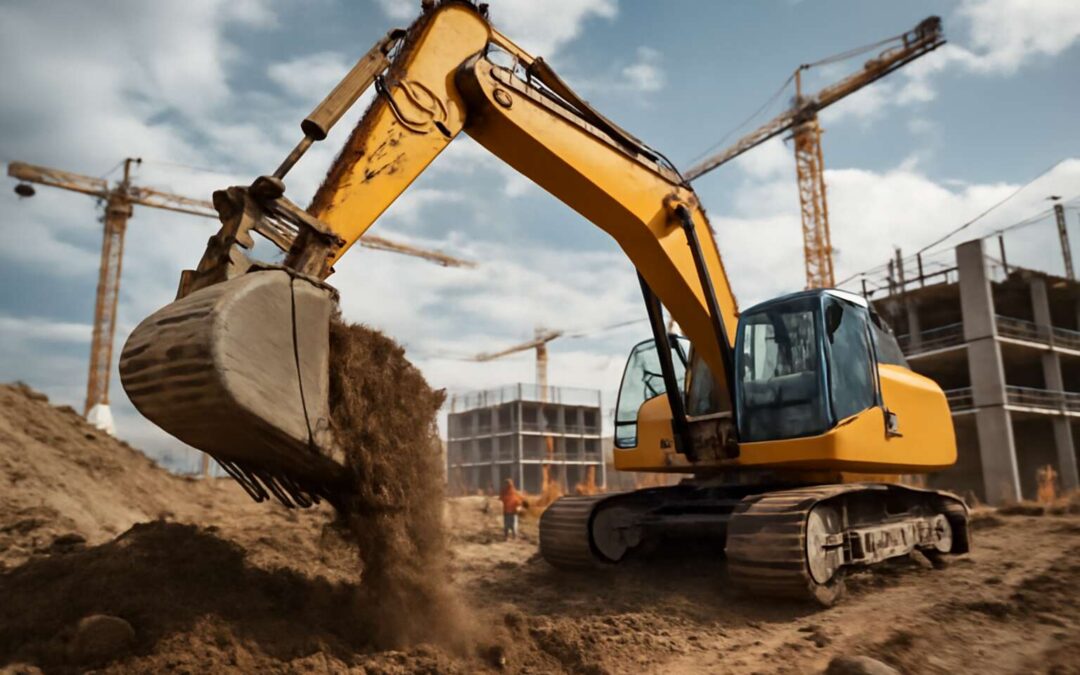
Construction vehicles are the backbone of any building project, transforming raw earth into foundations and skyscrapers. Among these, excavators stand out as one of the most versatile and essential types of construction vehicles. With their powerful hydraulic arms and wide range of attachments, excavators can perform complex tasks that once required entire teams of workers.
From digging trenches to lifting heavy materials, excavators are indispensable on South African construction sites. They come in various sizes, from compact models perfect for urban projects to massive machines suited for large-scale infrastructure development. Their ability to adapt makes them a favorite among contractors and engineers alike.
Excavators also feature different variations designed for specific tasks, such as long reach excavators for deep excavation or mini excavators for tight spaces. Their diverse features and uses highlight why construction vehicles like excavators are critical to efficient and safe construction operations. Whether working on rural farms or busy city streets, these machines continue to shape the landscape of South Africa’s development.
Bulldozers – Types and Applications in Construction Projects
In the shadowed realm of construction vehicles, the mighty bulldozer emerges as a colossus—an unwavering force that shapes the very earth beneath our feet. Their robust blades carve through stubborn terrain, transforming chaos into order with relentless precision. In South Africa’s rugged landscapes and sprawling urban sprawls, bulldozers are the silent sentinels, dictating the pace of progress.
These machines come in various forms, each tailored for specific ambitions. The most common types include:
- Standard bulldozers, perfect for clearing land and pushing debris.
- Track-type bulldozers, renowned for their stability on uneven terrain.
- Mini bulldozers, ideal for tight spaces where larger machinery cannot tread.
From preparing foundations to creating access roads, bulldozers are the backbone of countless construction projects. Their strength and versatility make them indispensable among the other construction vehicles that breathe life into South Africa’s ambitious infrastructure dreams. The darkness of the earth is their canvas, and their power is the brush that sculpts the future.
Skid-Steer Loaders – Portability and Versatility for Small to Medium Tasks
Among the diverse world of construction vehicles, few are as underestimated yet indispensable as the skid-steer loader. These compact marvels pack a punch, proving that size isn’t everything—sometimes, agility and versatility steal the show. In South Africa’s bustling construction sites, skid-steer loaders are the unsung heroes, effortlessly maneuvering through tight spaces while performing a variety of tasks with remarkable ease.
The secret to their reputation lies in their adaptability. Whether spreading gravel, lifting pallets, or excavating tricky corners, these machines handle it all. Their ability to switch attachments swiftly makes them a favorite for small to medium construction projects. Here’s a quick rundown of what makes skid-steer loaders a must-have in the arsenal of construction vehicles:
- Compact footprint for navigating confined spaces
- Multi-purpose attachments like buckets, augers, and forks
- Ease of operation, suitable for both seasoned operators and newcomers
In a landscape where every second counts, and every inch matters, the portability and versatility of skid-steer loaders elevate them above many other construction vehicles—truly a jack-of-all-trades in the world of construction machinery.
Backhoe Loaders – Combined Capabilities for Digging and Lifting
In the realm of construction vehicles, few machines wield the power to both dig and lift with such efficiency as the backhoe loader. These versatile giants are a staple on South African construction sites, embodying a seamless fusion of two essential functions. With their distinct arm and bucket, backhoe loaders can excavate trenches, demolish small structures, and load materials—all in a single, formidable package.
Their design allows operators to switch effortlessly between digging and loading tasks, making them indispensable for projects that demand speed and precision. To maximize their potential, many backhoe loaders are equipped with a variety of attachments, including:
- Hydraulic hammers
- Augers
- Compactors
This adaptability means fewer machines are needed on-site, saving space and reducing operational costs. Whether breaking ground or lifting heavy loads, backhoe loaders stand as a testament to the evolution of construction vehicles—delivering both power and finesse in one compact form.
Crane Trucks – Different Types of Crane Vehicles and Their Functions
In the shadowed realm of construction vehicles, crane trucks emerge as spectral sentinels—towering figures that command the skyline with silent authority. These mechanical giants, with their intricate lattice of steel and shadow, serve a singular purpose: to elevate the heavyweights of progress to dizzying heights. From the towering skyscrapers of Johannesburg to the sprawling infrastructure projects across South Africa, different types of crane vehicles carve the skyline with their formidable prowess.
Each crane type whispers a story of purpose and precision. Tower cranes, for instance, dominate cityscapes, their long arms stretching into the heavens, lifting steel beams and concrete with grace and power. Mobile cranes, on the other hand, are the nomads of the construction world—capable of traversing rough terrain to reach the most inaccessible sites. Their versatility makes them indispensable for diverse projects, from bridge construction to industrial complexes.
- Gantry cranes—majestic and imposing, ideal for large-scale shipping yards and port operations, they move immense cargo with an almost ghostly ease.
- Crawler cranes—fitted with tracks instead of wheels, they anchor themselves into the earth, providing stability for the most demanding lifts.
Each type of crane vehicle serves as a vital cog in the machinery of construction, their silent power transforming raw materials into the skeletons of a city. In South Africa’s ever-evolving landscape, these construction vehicles stand as testament to human ingenuity—both awe-inspiring and relentless in pursuit of progress.
Dump Trucks – Standard and Articulated Dump Trucks for Material Transportation
When it comes to heavy-duty material transportation on construction sites, dump trucks are indispensable. These workhorses come in two main types: standard dump trucks and articulated dump trucks, each designed to tackle different challenges. Standard dump trucks are the traditional choice — sturdy, reliable, and capable of hauling large loads of gravel, sand, or demolition debris. They are ideal for projects where the terrain is relatively stable and straightforward.
Articulated dump trucks, however, are built to conquer more rugged terrain. Their pivot joint allows for greater maneuverability, making them perfect for off-road construction in South Africa’s challenging landscapes. These vehicles excel in environments where stability and control are crucial, such as mining operations or large-scale infrastructure projects. Their ability to carry immense payloads efficiently ensures that construction vehicles like these keep projects moving forward, regardless of terrain complexities.
Both types of dump trucks serve as vital cogs in the machinery of construction, ensuring timely and efficient material movement. Their robustness and adaptability highlight the evolution of construction vehicles to meet diverse project demands with resilience and precision.
Compactors – Importance of Compactors in Site Preparation
In the realm of construction vehicles, the importance of compactors cannot be overstated. These sturdy machines are the silent heroes of site preparation, transforming uneven, loose soil into a solid foundation ready for the towering structures to come. Their rhythmic pounding and rolling work tirelessly, ensuring that every layer of earth is compressed with precision and strength.
Compactors come in various forms, each tailored to specific tasks—vibratory plate compactors for confined spaces, and large, walk-behind or roller compactors for expansive areas. Their role in construction projects across South Africa is crucial, especially when preparing terrains for roads, foundations, and pavements. Without them, the stability and durability of the entire build could falter.
To truly grasp their significance, consider the following essential types of compactors:
- Plate compactors: Small but mighty, perfect for confined spaces and asphalt work.
- Roller compactors: Large, heavy, and designed for dense soil and gravel compaction over vast areas.
In the grand tapestry of construction vehicles, compactors are the artisans shaping the landscape, ensuring every project stands the test of time—an unyielding backbone of enduring infrastructure in South Africa’s vibrant construction industry.
Major Features and Specifications of Construction Vehicles
Engine Power and Performance – Understanding Horsepower and Towing Capacity
Power and performance form the backbone of any reliable construction vehicle, shaping the very essence of operational efficiency on bustling South African sites. Engine power, often measured in horsepower, dictates how swiftly and effectively these machines can tackle grueling tasks, from lifting heavy loads to excavating vast trenches. Towing capacity further amplifies their versatility, enabling construction vehicles to transport materials across rugged terrains with unwavering resilience.
Understanding these specifications reveals a fascinating interplay of engineering prowess. For instance, high horsepower isn’t merely about raw strength—it’s about the finesse of torque and fuel efficiency, ensuring that each construction vehicle performs optimally without unnecessary fuel consumption. Towing capacity, on the other hand, must be balanced against stability and safety considerations, especially when navigating uneven terrain typical of South African construction sites.
- Engine horsepower directly correlates with a vehicle’s ability to generate force, impacting productivity on demanding projects.
- Towing capacity influences how much weight a vehicle can pull, essential for large-scale earthmoving and material handling tasks.
- Performance metrics vary significantly across different types of construction vehicles, tailored to specific applications and environmental conditions.
Ultimately, the synergy between engine power and towing capacity ensures construction vehicles remain the unsung heroes of progress—steadfast, powerful, and ready to meet the challenges of any project thrown their way.
Load Capacity and Size – Assessing Vehicle Capacity for Different Job Site Needs
In the intricate tapestry of construction, where every kilogram of material and every cubic meter of earth demands precision, the load capacity and size of construction vehicles emerge as pivotal determinants of project success. These attributes are not mere numbers on a specification sheet; they embody the very essence of operational efficiency, safety, and adaptability on South African job sites. The ability to accurately assess vehicle capacity directly influences the fluidity of work, ensuring that each machine aligns seamlessly with the unique demands of diverse terrains and project scopes.
Construction vehicles are engineered to meet a spectrum of site requirements, from compact urban developments to sprawling mining operations. Their size and load capacity dictate how effectively they can handle specific tasks—be it transporting heavy aggregates, lifting steel beams, or excavating layered soil. For instance, larger dump trucks excel in bulk material transport across rugged landscapes, while smaller skid-steer loaders offer agility in confined spaces.
Consider the following factors that underpin vehicle capacity assessment:
- Load capacity—measured in tonnes or cubic meters—determines how much payload a vehicle can manage without compromising stability.
- Size—ranging from compact dimensions suitable for tight urban sites to enormous frames designed for expansive industrial projects—affects maneuverability and site access.
- Operational versatility—some construction vehicles combine multiple functions, allowing them to adapt swiftly to changing project needs, thereby optimizing resource deployment.
This nuanced understanding of construction vehicle specifications ensures that every piece of machinery embodies a harmonious blend of strength, agility, and safety. When matched accurately to the task at hand, these machines become the silent architects of progress—powerful, resilient, and attuned to the complex rhythms of South African construction environments.
Safety Features – Modern Technologies for Operator and Site Safety
Modern construction vehicles are marvels of engineering, seamlessly blending safety with innovation to meet the demanding standards of South African construction sites. Their safety features are not mere add-ons but integral components that protect operators and safeguard the surrounding environment. Cutting-edge technologies such as proximity sensors, camera monitoring systems, and automatic emergency shutdowns have become standard, transforming traditional machinery into intelligent guardians of the worksite.
These advancements ensure that construction vehicles operate with heightened awareness, reducing the risk of accidents and improving overall site safety. For instance, anti-lock braking systems (ABS) and stability control mechanisms prevent mishaps during challenging manoeuvres, especially on uneven terrains. Moreover, ergonomic cabins equipped with climate control and intuitive controls contribute to operator comfort, which directly correlates with safer operation.
- Enhanced visibility with 360-degree cameras
- Automatic load sensing for optimal performance
- Remote monitoring capabilities for real-time safety assessment
In an era where safety can never be compromised, these modern technologies elevate construction vehicles beyond their traditional roles, embodying resilience and intelligence that are vital for complex South African projects. It’s no exaggeration to say that the future of construction is intertwined with safer, smarter machinery—crafted to meet the unique challenges of every site with elegance and strength.
Efficiency and Fuel Consumption – Optimizing Operations for Cost-Effectiveness
Efficiency and fuel consumption are the unsung heroes of modern construction vehicles, quietly revolutionizing how projects are executed on South African sites. With rising fuel prices and tight budgets, optimizing operations for cost-effectiveness isn’t just smart—it’s essential. Today’s construction vehicles come equipped with sophisticated engine management systems that monitor fuel efficiency in real-time, ensuring that each litre is put to maximum productive use. This means less wastage, fewer emissions, and more money saved in the long run.
To further enhance operational efficiency, many construction vehicles feature intelligent load sensing technology. This innovation automatically adjusts engine power and hydraulic flow based on the current task, preventing overexertion and unnecessary fuel burn. Additionally, some models incorporate adaptive cruise control and auto-shutdown features that activate when the vehicle is idle, reducing fuel consumption without compromising productivity.
- Advanced telemetry systems allow fleet managers to track fuel usage and pinpoint inefficiencies across multiple sites.
- Hybrid and electric options are increasingly making their way into the construction vehicles arsenal, promising greener and more economical solutions for South African projects.
All these features not only streamline the workflow but also ensure that construction vehicles operate at peak performance levels, delivering exceptional value and sustainability to every construction site. It’s no longer just about moving dirt; it’s about moving towards a smarter, more fuel-conscious future.
Role of Construction Vehicles in Building Projects
Site Preparation – Utilizing Heavy Machinery for Clearing and Grading
Construction vehicles are the silent giants that breathe life into the foundation of every building project. Their role in site preparation is nothing short of poetic; transforming raw earth into a canvas ready for innovation. Heavy machinery such as bulldozers and excavators carve, clear, and level the terrain with a precision that borders on artistry. These construction vehicles possess the power to reshape landscapes, making way for progress.
During the initial phases, the focus is on clearing debris, leveling uneven ground, and creating a stable surface. The use of robust construction vehicles ensures that these tasks are executed efficiently, reducing time and costs while maintaining safety standards. The process often involves a sequence of tasks, from removing obstructions to grading the soil, each requiring a specific type of construction vehicle tailored for the challenge.
In this symphony of construction, the importance of selecting the right construction vehicles cannot be overstated. They are the backbone of site preparation, transforming chaos into order and laying the groundwork for future triumphs.
Material Handling – Transportation and Lifting of Construction Materials
Construction vehicles are the unsung heroes of building projects, quietly performing the heavy lifting that keeps everything moving forward. Their role in material handling is crucial—transporting and lifting heavy construction materials with precision and efficiency. From steel beams to concrete blocks, these vehicles ensure materials are delivered exactly where they are needed, minimizing delays and boosting productivity.
The versatility of construction vehicles like crane trucks and dump trucks allows for seamless movement of materials across diverse terrains. Crane trucks, with their towering reach, lift heavy loads to great heights, while dump trucks efficiently ferry bulk materials to and from the site. The strategic deployment of these machines accelerates project timelines and reduces labor costs—an essential advantage in today’s competitive construction landscape.
In essence, construction vehicles are the backbone of material handling, transforming raw resources into the building blocks of progress!
Foundation Work – Excavation and Base Construction with Specialized Vehicles
When it comes to laying the foundation of a building, construction vehicles are the silent giants making it all happen. They are the unsung heroes of foundation work, transforming raw terrain into a solid base ready to bear the weight of skyscrapers or cozy homes. Excavators, bulldozers, and graders work in perfect harmony—each playing a vital role in excavation and base construction.
Specialized construction vehicles like excavators are particularly adept at digging trenches, removing debris, and leveling the ground with surgical precision. Bulldozers follow closely behind, pushing and shaping the earth to create an even surface. Sometimes, a simple list helps clarify their roles:
- Excavators carve out the initial trenching and foundation pits.
- Bulldozers flatten and grade the terrain for stability.
- Graders fine-tune the surface for optimal leveling.
It’s no exaggeration to say that these machines are the backbone of any successful building project. Without them, foundation work would be slow, labor-intensive, and prone to errors. Construction vehicles like these turn what could be a muddy mess into a meticulously prepared site, paving the way for smooth progress and structural integrity. Truly, they are the cornerstone of efficient, cost-effective construction in South Africa and beyond!
Final Construction Stages – Finishing and Landscaping Equipment
As the finishing touches unfold on a construction project, the role of construction vehicles shifts from heavy lifting to precision and finesse. These machines are instrumental in transforming a sturdy skeleton into a polished masterpiece, whether it’s through detailed landscaping or meticulous surface finishing. In the final stages of construction, equipment such as compactors, bulldozers, and graders work in tandem to create smooth, level surfaces that are both functional and aesthetically pleasing.
Landscaping, in particular, benefits significantly from specialized construction vehicles. For example, graders and bulldozers sculpt the terrain to enhance drainage, stability, and visual appeal. Sometimes, a well-placed compactor is all that’s needed to ensure the ground is tightly packed, preventing future settling or erosion. This delicate balance between machinery and manual craftsmanship underscores the importance of selecting the right construction vehicles for each task.
Furthermore, the efficiency of these machines directly influences project timelines and cost management. An ordered sequence of equipment—such as:
- Bulldozers for initial grading,
- Compactors for final soil compaction,
- excavators for detailed landscaping,
illustrates how construction vehicles orchestrate the seamless transition from raw site to finished masterpiece. Certainly, these machines are the unsung heroes in the final construction stages, ensuring every detail aligns with vision, safety standards, and durability expectations in South Africa’s diverse landscapes. They exemplify the blend of power and precision that defines modern construction craftsmanship.
Emerging Technologies in Construction Vehicles
Automation and Autonomous Vehicles – Advances in Driverless Construction Equipment
In the evolving landscape of construction vehicles, the frontier of automation and autonomous technology is transforming how projects are executed across South Africa. These advancements are not just about convenience; they are revolutionising safety, precision, and efficiency on busy job sites. Imagine a fleet of driverless construction vehicles navigating complex terrains with minimal human intervention—sounds like science fiction, but it’s rapidly becoming a reality.
Emerging technologies in construction vehicles leverage cutting-edge sensors, artificial intelligence, and machine learning to enable autonomous operation. These innovations allow for real-time adjustments, obstacle detection, and seamless coordination among different equipment types. For instance, autonomous excavators and bulldozers can work tirelessly, increasing productivity while reducing the risk of operator fatigue. As the industry embraces these technological strides, the future of construction in South Africa looks smarter and safer than ever before.
Incorporating these innovations often involves a strategic sequence, guided by these key steps:
- Integration of GPS and LiDAR systems for precise navigation
- Implementation of AI algorithms for adaptive task execution
- Deployment of remote monitoring platforms for real-time oversight
Construction vehicles equipped with automation capabilities are paving the way for a new era—where efficiency meets innovation, transforming the way construction projects come to life in the vibrant landscape of South Africa.
Telematics and Fleet Management – Monitoring and Optimizing Construction Operations
In the intricate tapestry of modern construction, telematics and fleet management stand out as pivotal threads weaving efficiency and intelligence into every operation. As construction vehicles become smarter, real-time monitoring systems are no longer optional—they are essential. These technologies enable project managers in South Africa to gain unparalleled insights into vehicle performance, operational efficiency, and safety compliance, transforming sprawling job sites into symphonies of synchronized activity.
Advanced telematics platforms harness a confluence of GPS tracking, IoT sensors, and data analytics to provide a panoramic view of fleet health. This harmonious integration allows for immediate identification of anomalies, predictive maintenance scheduling, and optimized routing—all of which culminate in heightened productivity and reduced downtime. For construction companies, this means not just cost savings but a strategic advantage in navigating the unpredictable terrain of project execution.
Moreover, the deployment of these systems facilitates a granular level of oversight through features such as:
- Real-time vehicle location tracking
- Fuel consumption analytics
- Operator behaviour monitoring
By embedding these technological marvels into their construction vehicles, South African builders are charting a course toward a future where every tonne of earth moved and every hour spent on-site is optimized with surgical precision—reinforcing the notion that innovation and efficiency are no longer mere ambitions but fundamental imperatives in the realm of construction vehicles.
Green Technology and Sustainability – Electric and Hybrid Construction Vehicles
As environmental consciousness deepens within the construction industry, green technology and sustainability are no longer optional—they are imperative. Electric and hybrid construction vehicles are revolutionizing the way South African builders approach their projects, blending innovation with responsibility. These vehicles significantly reduce carbon emissions, aligning with global efforts to combat climate change while still delivering peak performance on demanding sites.
Emerging technologies in construction vehicles harness advanced battery systems, regenerative braking, and energy-efficient designs to minimize fuel consumption and environmental impact. Electric construction vehicles, in particular, eliminate exhaust emissions entirely, making them ideal for urban projects where air quality is a concern. Hybrid models offer an optimal compromise, providing the flexibility of traditional fuel sources alongside cleaner energy options.
In the pursuit of sustainability, some companies are investing in construction vehicles that incorporate renewable energy solutions or utilize alternative fuels like biodiesel. These innovations are not just about reducing footprints; they symbolize a shift toward a future where construction work harmonizes with ecological integrity. The adoption of these advanced vehicles underscores a moral compass rooted in responsible growth—an essential evolution for the industry’s long-term health.
Smart Sensors and IoT Integration – Enhancing Efficiency and Safety
Emerging technologies in construction vehicles are transforming the very foundation of modern construction sites. Among the most promising innovations are smart sensors and IoT integration, which are elevating both efficiency and safety standards. These intelligent systems enable real-time monitoring of machinery, providing instant feedback on performance and potential issues before they escalate. This proactive approach minimizes downtime and repairs, ensuring projects stay on schedule.
By connecting construction vehicles to a centralized network, operators can access critical data such as fuel consumption, engine health, and operational metrics. This connectivity allows for better resource management and reduces waste, ultimately lowering costs. Additionally, safety is greatly enhanced as sensors can detect hazards or operational anomalies, alerting operators immediately and preventing accidents.
To illustrate, many construction vehicles now feature IoT sensors that track location and movement, helping manage fleet logistics more effectively. These advancements are not just about smarter machines; they signal a shift towards a more data-driven construction industry that values precision and responsible growth. As South Africa’s construction sector embraces these innovations, the integration of smart sensors and IoT stands out as a game-changer for the future of construction vehicles.
Choosing the Right Construction Vehicle
Project Size and Scope – Matching Vehicles to the Scale of Your Construction Project
Choosing the right construction vehicle for your project is akin to selecting the perfect outfit for a grand soirée—every detail must align with the occasion’s scale and scope. According to industry insights, mismatched machinery can inflate costs and delay progress, turning what should be a seamless operation into a logistical nightmare.
When determining which construction vehicles to deploy, consider the size and complexity of your project. Smaller tasks might call for versatile skid-steer loaders or compact excavators, which excel in confined spaces and quick maneuverability. Conversely, larger-scale developments demand robust equipment like articulated dump trucks and towering cranes to handle heavy loads efficiently.
It’s essential to match the vehicle’s load capacity and engine power to the demands of the site. For instance, heavy-duty bulldozers and large excavators are indispensable for earthmoving on expansive sites, whereas mini excavators shine in urban environments where precision matters. Remember, selecting the appropriate construction vehicles not only streamlines workflow but also optimizes safety and cost-effectiveness.
Terrain and Site Conditions – Selecting Vehicles Suitable for Different Environments
Choosing the right construction vehicles for your site isn’t just about size—it’s about terrain mastery and environmental compatibility. South African construction projects often grapple with diverse conditions, from rocky outcrops to urban congestion. The terrain dictates whether you need rugged, all-terrain machinery or something more delicate for precise urban work.
For uneven, rocky, or muddy sites, robust construction vehicles like articulated dump trucks and high-torque bulldozers are essential—they can handle rough terrain without breaking a sweat. Meanwhile, in densely built-up areas, compact excavators and mini loaders shine, offering agility and precision where space is tight.
Consider site-specific factors such as soil stability and access routes. For instance, soft ground may require specialized vehicles with enhanced traction, while steep inclines call for machinery with superior stability and safety features. In some cases, selecting the appropriate construction vehicles can mean the difference between seamless progress and costly delays. The right equipment adapts to the environment, transforming obstacles into opportunities for efficient, safe construction operations.
Budget Considerations – Cost-Effective Options and Leasing versus Buying
Choosing the right construction vehicles often hinges on budget considerations that balance cost-effectiveness with operational needs. For many projects in South Africa, investing in the right equipment can lead to significant savings in the long run. Leasing construction vehicles offers flexibility, lower upfront costs, and access to the latest models, making it an appealing option for small to medium-sized projects. Conversely, buying may be more economical for ongoing large-scale operations, providing long-term value and asset ownership.
When evaluating your options, consider the following factors:
- Initial purchase price versus leasing costs
- Maintenance and operational expenses
- Frequency of use and equipment lifespan
- Technological advancements that could impact resale value
Cost-effective options, such as renting specialized machinery for short-term projects, can also be a strategic move. This approach allows construction companies to adapt quickly to project demands without the burden of ownership and depreciation. Ultimately, selecting the appropriate construction vehicles within your budget can transform potential financial strain into a well-balanced investment—driving project efficiency and success.
Maintenance and Longevity – Ensuring Reliability and Reducing Downtime
When it comes to maintaining construction vehicles, reliability isn’t just a matter of convenience—it’s the backbone of every successful project. An investment in proper upkeep and regular inspections can dramatically reduce costly downtime, ensuring that your machinery is always ready when the call comes. Over time, well-maintained construction vehicles not only extend their operational lifespan but also improve safety on site, safeguarding workers and project deadlines alike.
To maximize the durability of your equipment, consider implementing a structured maintenance schedule. This can include routine checks on vital components such as hydraulic systems, engine oil levels, and tire integrity. Staying proactive about repairs—rather than reactive—can prevent small issues from escalating into expensive breakdowns. Additionally, embracing technology like telematics systems can provide real-time insights into vehicle health, helping you anticipate potential failures before they occur.
Moreover, selecting construction vehicles with proven longevity and resilience is critical. Look for models that are engineered to withstand South Africa’s diverse terrain and harsh conditions. Regularly investing in quality parts and adhering to manufacturer-recommended service intervals will ensure your fleet remains dependable, so you can focus on the work ahead without interruption. After all, in the world of construction, reliability isn’t just a feature—it’s a necessity that drives project success and builds trust with clients.
by | Sep 24, 2025 | Construction
Understanding Construction Road Signs
Definition and Purpose – Explains what construction road signs are and their importance in traffic management
Construction road signs are more than mere symbols painted on metal—they are the silent guardians of safety amid the chaos of progress. These signs serve as the navigational whisperers guiding drivers through the labyrinth of construction zones, where unpredictability lurks behind every corner. Their primary purpose is to communicate crucial information swiftly, preventing accidents and safeguarding lives.
In the heart of South Africa’s expanding infrastructure, understanding the definition and purpose of a construction road sign reveals its vital role in traffic management. These signs are carefully designed to catch the eye and convey messages that command attention, often using vivid colours and clear symbols. By doing so, they help to orchestrate a symphony of movement, where every vehicle and pedestrian knows their place within the unfolding story of development.
- Warn of upcoming hazards
- Direct traffic flow efficiently
- Ensure safety for workers and motorists alike
Within this realm of construction, a well-placed construction road sign is an unspoken promise—an assurance that progress doesn’t come at the cost of safety. They are the invisible threads weaving order into the tapestry of urban growth, making every journey through a construction zone a safer passage. Their importance cannot be overstated in the ongoing dance of development and safety in South Africa’s dynamic landscape.
Types of Construction Road Signs – Overview of various signs including warning, regulatory, and guide signs
Construction road signs come in a delightful variety of shapes and messages, each serving a specific purpose in the grand choreography of traffic management. These signs aren’t just painted symbols; they’re the unsung heroes that keep chaos at bay during South Africa’s relentless march of infrastructure development. Understanding the different types of construction road signs is crucial for both drivers and workers to navigate this labyrinth safely.
Typically, construction road signs fall into three main categories: warning, regulatory, and guide signs. Warning signs alert motorists to upcoming hazards like loose gravel, uneven surfaces, or heavy machinery—think of them as the traffic equivalent of a nervous glance. Regulatory signs enforce rules, such as speed limits or no-entry zones, ensuring everyone plays by the same safety script. Guide signs, on the other hand, provide directional information, helping drivers find their way through detours and lane shifts.
- Warning signs often feature bright yellow backgrounds with bold black symbols
- Regulatory signs usually have white backgrounds with red or black lettering
- Guide signs are typically green with clear, easy-to-read text
By understanding these construction road sign types, motorists can better anticipate what lies ahead and respond appropriately—minimizing risks and keeping the flow of traffic smooth amidst the ongoing hustle of construction sites. After all, a good sign is worth its weight in safety certificates!
Common Symbols and Colors – Details on standard symbols, colors, and their meanings
In the shadowed realm of South Africa’s relentless infrastructure expansion, a silent language of symbols and colors guides the flow of chaos. Construction road signs are not mere symbols; they are the cryptic guardians of safety, whispering warnings and directions amid the cacophony of progress. Their colors and shapes hold secrets—each hue and contour conveying a message that can mean the difference between order and calamity.
For instance, warning signs often feature a haunting yellow background, emblazoned with bold black symbols, alerting drivers to lurking hazards like loose gravel or shifting surfaces. Regulatory signs, cloaked in white with crimson or black lettering, impose rules—speed limits and no-entry zones—binding the chaos with authority. Meanwhile, guide signs, painted in a calming shade of green, weave a narrative of direction, guiding travelers through detours and lane shifts with clarity and purpose.
Within this symbolic tapestry, certain standard symbols emerge:
- A triangular shape with an exclamation mark, warning of danger ahead.
- A circular sign with a red border indicating restrictions or prohibitions.
- A rectangular green sign providing directional guidance.
Understanding these visual cues is paramount—each construction road sign is a portal into a world where safety hangs delicately on the edge of perception, woven through the language of color and symbol. They serve as the cryptic script in the unfolding story of South Africa’s urban metamorphosis, ensuring that amidst the darkened skies of progress, order is preserved.
Design and Standardization of Construction Road Signs
Design Principles – Guidelines for effective and clear sign design
In the realm of construction road sign design, adherence to stringent standards transforms mere symbols into vital communicative tools capable of transcending linguistic and cultural barriers. The principles guiding these designs are rooted in clarity, visibility, and consistency, ensuring that every sign commands immediate recognition and comprehension—crucial in high-pressure environments where split-second decisions can mean the difference between safety and catastrophe.
Effective design hinges on a meticulous balance of form and function. Universal symbols, such as warning triangles or regulatory circles, are crafted with simplicity to facilitate instant understanding. Color plays a pivotal role; vivid yellows alert drivers to caution, while reds denote prohibitions, and greens guide with reassurance. Standardization across the board fosters familiarity, which in turn reduces cognitive load, enabling drivers to process information swiftly and accurately even amidst complex construction zones.
To harmonize these elements seamlessly, designers often employ the following guidelines:
- Utilize high-contrast colors for optimal visibility in various lighting conditions.
- Adopt universally recognized symbols to minimize confusion.
- Maintain consistent font styles and sizes for textual information.
- Ensure the size of the construction road sign adheres to national standards for legibility from a distance.
By integrating these core principles, the creation of construction road signs becomes not just an exercise in signage but a strategic effort to safeguard lives and streamline traffic flow—an essential component of modern South African road safety infrastructure.
Regulatory Standards – Overview of national and international standards (e.g., MUTCD, ISO)
In the intricate dance of traffic safety, construction road signs are the silent maestros guiding chaos into harmony. Their design and standardization are governed by a tapestry of national and international regulations that ensure uniformity and clarity across borders. South Africa, like many nations, aligns its standards with global benchmarks to forge a language understood universally. The MUTCD (Manual on Uniform Traffic Control Devices) and ISO (International Organization for Standardization) are the twin pillars supporting this framework, dictating everything from shape and color to reflectivity and size.
Adherence to these standards transforms a simple symbol into a beacon of safety, capable of communicating vital information in split seconds. The construction road sign must not only command attention but also convey its message with unwavering precision. To this end, designers often follow a set of core guidelines that include:
- Using high-contrast colors to ensure visibility in varying light conditions.
- Employing universally recognized symbols to bridge language gaps.
- Maintaining consistency in font styles and sizes for textual clarity.
- Aligning sign dimensions with national standards for optimal legibility from afar.
By weaving these elements into the fabric of construction road sign design, authorities craft an invisible yet powerful language—one that speaks directly to the driver’s instincts and senses. This meticulous standardization not only elevates safety but also fosters a seamless flow of traffic, even amidst the most tumultuous construction zones, ensuring that every journey remains a safe passage through our roads.
Material and Durability – Discussion of materials used for longevity and visibility
Construction road signs are the unsung heroes of our busy roads, silently working overtime to keep chaos at bay. But behind their straightforward appearance lies a battle of materials—designed for longevity and visibility in South Africa’s unpredictable climate. Think of these signs as the durable guardians of safety, crafted to withstand everything from scorching sun to unexpected downpours. Choosing the right material isn’t just about durability; it’s about ensuring that the message remains crystal clear, no matter the weather.
Typically, high-grade aluminum is the material of choice for construction road signs. Why? Because it’s lightweight yet incredibly resilient, resisting rust and corrosion in the humid coastal air or dusty inland conditions. Reflective sheeting, often made from microprismatic or engineer-grade materials, is laminated onto the aluminum surface. This ensures maximum visibility during both day and night, even under the glare of headlights or flickering streetlights. For added longevity, these signs are often coated with protective layers that fend off UV damage and graffiti, making them stand the test of time in the face of South Africa’s diverse environments.
- Aluminum signs with microprismatic reflective sheeting for superior durability and visibility.
- Vinyl overlays that resist fading and vandalism, ensuring the sign’s message remains unmissable.
- Weatherproof coatings that protect against corrosion and UV rays—because construction zones don’t take weather holidays.
In the end, the choice of materials for a construction road sign isn’t just about ticking boxes on a standard checklist; it’s about engineering resilience into everyday safety tools. The right blend of materials guarantees that these signs deliver their critical messages without faltering—be it in the blistering heat of a South African summer or the unpredictable winter rains. After all, when lives are at stake, only the toughest, clearest, and most reliable construction road sign will do.
Installation and Placement of Construction Road Signs
Best Practices for Placement – Strategies for optimal visibility and safety
Strategic installation and thoughtful placement of construction road signs are crucial for maintaining safety and ensuring smooth traffic flow around active sites. Proper placement isn’t just about sticking signs somewhere; it’s about understanding the flow of traffic and the environment to maximize visibility. A well-positioned construction road sign can be the difference between a safe passage and a potential accident, especially in bustling South African urban landscapes where distractions are plentiful.
Best practices for placement involve positioning signs at key decision points—approaching the construction zone, before lane closures, and at intersections. Visibility should be unobstructed by foliage, parked vehicles, or other structures. Additionally, signs should be reflective and well-lit for nighttime visibility. For optimal safety, consider the following strategy:
- Place warning signs well in advance—giving drivers ample time to slow down and prepare.
- Ensure regulatory signs are positioned at eye level, where they are easily readable without causing abrupt stops.
- Use directional signs to guide traffic smoothly around the construction zone, avoiding confusion and congestion.
Effective placement of construction road signs in South Africa requires an understanding of local driving patterns and compliance with national standards. When done correctly, these signs become silent guardians—guiding, warning, and safeguarding everyone on the road.
Legal Regulations – Compliance with local and national installation regulations
Adhering to legal regulations when installing construction road signs is not just a formality—it’s a necessity for safety and compliance. South Africa’s road authorities enforce strict standards to ensure that every construction road sign placed on or near roads meets national legislation. Non-compliance can lead to fines, delays, or worse—accidents that could have been avoided.
To stay within the law, it’s essential to follow the guidelines set by the Department of Transport and local authorities. These standards specify the correct positioning, size, and reflectivity of construction road signs. Proper installation involves understanding local traffic patterns and ensuring signs are clearly visible from a distance. In South Africa, safety regulations also mandate that signs be mounted at specific heights and angles to maximize visibility, especially during nighttime operations.
Implementing a systematic approach can help. For example, using a numbered checklist makes it easier to verify compliance during installation:
- Confirm the signs meet national standards such as ISO or MUTCD requirements.
- Position signs at designated decision points, ensuring they are unobstructed by foliage or parked vehicles.
- Use durable, reflective materials suitable for South Africa’s varied climate.
- Ensure signs are installed at the correct height and angle for maximum visibility and safety.
Compliance with local and national installation regulations transforms a simple construction road sign into a vital safety tool—protecting workers, drivers, and pedestrians alike. When done right, it reduces risk and keeps traffic flowing smoothly around construction zones.
Maintenance and Inspection – Ensuring signs remain effective over time
In the realm of construction, the significance of proper installation and diligent maintenance of construction road signs cannot be overstated. These signs are more than mere markers; they are the silent guardians of safety, guiding both workers and drivers through the labyrinth of a bustling site. Once a construction road sign is strategically placed, its role begins—a beacon of clarity amidst chaos.
Ensuring that signs remain effective over time requires a rigorous routine of inspection and upkeep. Regular maintenance involves checking for faded reflectivity, damage, or obstructions that could diminish visibility. In South Africa’s diverse climate, durable materials such as high-grade reflective sheeting and weather-resistant mounts are essential to withstand the elements. An effective inspection schedule should include:
- Verifying the signs’ visibility from a distance
- Ensuring they are firmly mounted at the correct height and angle
- Replacing or repairing signs showing wear or damage promptly
Periodic inspections are the backbone of compliance, safeguarding the integrity of each construction road sign and, ultimately, the safety of all road users. When signs are maintained with care and precision, they become more than simple warnings—they transform into unwavering symbols of responsibility and vigilance on every construction site.
Importance of Construction Road Signs in Traffic Safety
Reducing Accidents and Confusion – How signs improve safety and reduce accidents
Construction road sign presence is more than mere visual clutter; it’s a vital artery in the bloodstream of traffic safety. In environments where chaos and unpredictability threaten driver judgment, these signs serve as silent sentinels—guiding, warning, and informing with unwavering clarity. The importance of construction road sign in reducing accidents cannot be overstated; they act as psychological anchors in moments of uncertainty, anchoring drivers’ attention and fostering adaptive responses.
By providing clear and consistent cues, construction road signs diminish the cognitive load on drivers, allowing them to process information rapidly. This reduction in confusion translates directly into fewer collisions and safer passage through complex construction zones. Their strategic placement and adherence to regulatory standards create an environment where chaos is mitigated, and safety is prioritized.
Furthermore, the psychological impact of well-designed construction road sign is profound. When drivers recognize familiar symbols and colors, their subconscious reaction is instinctively aligned with safety protocols—preventing accidents before they happen. In essence, these signs are the unsung heroes of traffic management, silently orchestrating safety amidst the tumult of construction activities.
Guiding Motorists and Pedestrians – Helping all road users navigate safely
Construction road sign plays a crucial role in guiding motorists and pedestrians through busy and often chaotic construction zones. These signs are more than just visual markers; they are essential tools for ensuring traffic safety in South Africa’s evolving infrastructure. Clear and visible construction road signs help all road users navigate safely, reducing the risk of accidents and confusion.
Strategic placement of construction road sign is critical. Properly positioned signs alert drivers early, giving them enough time to slow down or change lanes. This proactive approach minimizes sudden stops and erratic driving behaviors that can lead to collisions. Additionally, consistent use of standard symbols and colors ensures that everyone understands the message instantly, fostering safer roads for everyone involved.
Enhancing Work Zone Safety – Protecting workers and minimizing disruptions
In the realm of bustling South African roads, where chaos often reigns during construction, the importance of construction road sign cannot be overstated. These signs serve as the silent guardians of safety, illuminating the path for motorists and pedestrians amidst the chaos. They are more than mere symbols; they are the essential language of traffic management, whispering warnings and guidance in a universal tongue.
Strategic placement of construction road sign is a dance of precision, ensuring visibility from afar and clarity at every turn. Properly positioned signs act as a beacon of safety, giving road users ample time to react—whether by slowing down, changing lanes, or exercising caution. This proactive communication minimizes the risk of accidents and keeps the flow of traffic harmonious amidst the upheaval. Incorporating standard symbols and vibrant colors ensures that these signs communicate instantly—no confusion, no hesitation—only smooth, safe navigation.
Innovations and Trends in Construction Road Signage
Smart and Digital Signs – Integration of technology for dynamic signage
Amidst the relentless march of progress, the horizon of construction road sign technology is undergoing a transformation as profound as the landscape itself. The advent of smart and digital signs breathes new life into traffic management, turning static instructions into dynamic navigational aids. These innovations elevate safety standards and seamlessly integrate with the evolving infrastructure, ensuring that every road user, whether motorist or pedestrian, receives real-time updates that are as precise as they are vital.
In the realm of construction road sign innovation, the integration of technology heralds a new era of adaptability. Digital signs equipped with sensors and connectivity can adjust their messages instantly, reflecting changing conditions such as weather, accidents, or construction phases. This fluidity not only reduces confusion but also enhances safety, guiding traffic with clarity and immediacy. As the industry embraces these advancements, the focus remains on creating a safer, smarter environment for all who traverse these crucial arteries.
Reflective and High-Visibility Materials – Advances in visibility during adverse conditions
In the bustling world of construction, visibility isn’t just a matter of convenience—it’s a matter of life and death. The latest innovations in construction road sign materials harness the power of reflective and high-visibility substances that shine brightest when conditions are at their worst. Imagine a sign that glows like a beacon in foggy mornings or during stormy nights—transforming darkness into clarity.
Advances in reflective materials, such as microprismatic sheeting, dramatically enhance the effectiveness of construction road signs during adverse weather conditions. These materials bounce light back directly to drivers, ensuring that warning or regulatory signs remain legible even when visibility is compromised. Incorporating durable, weather-resistant substrates ensures these signs withstand South Africa’s diverse climate, from the blistering heat of the Karoo to the coastal humidity.
Furthermore, the trend toward luminous, high-visibility construction road signs is gaining momentum. These signs often feature embedded LED lighting or photoluminescent coatings that absorb ambient light and re-emit it in low-light scenarios. Such innovations not only improve safety but also reduce driver confusion, especially in complex work zones. As traffic management evolves, the fusion of traditional signage with cutting-edge reflective and luminous materials guarantees safer roads for everyone.
Sustainable and Eco-Friendly Materials – Eco-conscious options for construction signage
As the world leans toward greener horizons, the construction industry in South Africa is pioneering sustainable solutions that don’t compromise safety. Eco-conscious options for construction signage are transforming the way we approach road safety—melding environmental responsibility with cutting-edge technology. Environmentally friendly construction road signs are now crafted from recycled materials, biodegradable substrates, and low-impact manufacturing processes, reducing the carbon footprint without sacrificing durability.
Innovations such as plant-based inks and solar-powered lighting further elevate these signs’ eco-friendly credentials. These advancements ensure that construction road signs remain highly visible while aligning with global sustainability goals. For instance, embedded photoluminescent coatings—charged by ambient light—eliminate the need for electricity, making these signs both energy-efficient and resilient against South Africa’s diverse climate. Embracing these green alternatives not only enhances safety but also demonstrates a commitment to preserving our environment for future generations.
Buying and Selecting Construction Road Signs
Factors to Consider – Size, material, visibility, and compliance
When selecting the ideal construction road sign, the decision hinges on a careful balance of size, material, visibility, and compliance. A construction road sign must command attention without overwhelming the environment, so size becomes crucial—too small, and it goes unnoticed; too large, and it disrupts the landscape. The material used should withstand South Africa’s varied climate, from scorching sun to heavy rainfall, ensuring durability over time. Reflective and high-visibility materials are paramount, especially during early mornings or late evenings when poor lighting can obscure crucial information.
Compliance with local standards, such as those outlined by MUTCD or ISO, ensures your construction road sign adheres to legal regulations, safeguarding both workers and motorists. When choosing your signs, consider the environment they will be placed in and opt for sustainable, eco-friendly materials that reduce environmental impact without sacrificing quality. Proper selection and placement of construction road signs are the backbone of safe, efficient traffic management—an essential step in turning chaos into clarity on bustling construction sites.
Trusted Suppliers and Manufacturers – Where to source quality signage
In the bustling landscape of South Africa’s construction zones, sourcing reliable and high-quality construction road signs is not merely a logistical step; it is a strategic imperative. The integrity of traffic management hinges on the trustworthiness of the signage, which must withstand the relentless elements—from intense sun to torrential rain—and still deliver clarity. Trusted suppliers and manufacturers recognize that a construction road sign’s durability and visibility are intertwined with safety, compliance, and operational efficiency.
When selecting a source for your construction road sign, prioritize those with a proven track record of adherence to national standards like MUTCD and ISO. This ensures that every sign complies with regulatory mandates, reducing liability and promoting safe navigation. To streamline the procurement process, consider a list of reputable suppliers that offer:
- Customizable signage options to match project-specific needs
- Eco-friendly materials that align with sustainable construction practices
- Reflective and high-visibility options for optimal nighttime and adverse weather performance
Partnering with manufacturers who understand the nuances of South Africa’s climate and traffic conditions guarantees that your construction road sign will serve its purpose effectively, turning chaos into clarity on every site. The right sourcing decisions also facilitate seamless maintenance and inspection routines, reinforcing safety protocols and minimizing operational disruptions—an essential component in the complex tapestry of modern construction management.
Cost and Budgeting – Estimating costs and best value options
Budgeting for construction road sign procurement can often feel like navigating a labyrinth of costs and options. With safety and compliance at the forefront, estimating the true expense involves more than just the initial price tag; it’s about balancing quality, durability, and long-term value. In South Africa’s dynamic construction landscape, a well-chosen construction road sign is an investment in safety and operational efficiency.
To ensure you get the best value, consider the following factors: material quality, visibility features, and compliance with national standards such as MUTCD and ISO. Cheaper signs might seem tempting, but they often lack the durability needed to withstand the harsh South African climate—think relentless sun and sudden downpours. High-quality, reflective construction road signs, although initially costlier, tend to last longer, reducing maintenance costs and minimizing operational disruptions. When budgeting, it’s wise to evaluate different suppliers based on their ability to provide customizable signage options that meet your project’s specific needs.
Regulations and Compliance for Construction Road Signs
National and Local Regulations – Legal requirements governing signage
Regulations and compliance form the backbone of effective construction road sign implementation, especially within South Africa’s dynamic infrastructure landscape. Ensuring that every construction road sign adheres to both national and local standards isn’t just about legality—it’s about safety and clarity on the roads. Authorities mandate strict guidelines to guarantee that signs are visible, durable, and unambiguous, reducing the risk of accidents and confusion among motorists and pedestrians alike.
In South Africa, compliance with standards such as the National Road Traffic Act and international benchmarks like ISO is crucial. These regulations specify everything from the size and placement of construction road signs to the reflective materials used for optimal visibility during night operations or adverse weather conditions. Adhering to these legal requirements ensures that signage remains effective throughout the lifespan of a project, fostering a safer environment for everyone involved.
To streamline adherence, many contractors and suppliers utilize a list of key compliance factors:
- Alignment with MUTCD standards or equivalent local regulations
- Use of high-visibility, reflective materials suitable for South African conditions
- Proper installation height and location to avoid obstructions
- Regular inspection and maintenance schedules to uphold sign integrity
By embracing these compliance measures, construction companies can navigate the complex regulatory landscape smoothly, ensuring their construction road signs not only meet legal requirements but also serve their vital role in safeguarding lives and maintaining traffic flow efficiently.
Permitting and Approval Processes – Steps to ensure compliance before installation
Ensuring compliance with regulations before installing a construction road sign is more than a bureaucratic hurdle—it is a moral imperative that safeguards lives and sustains trust on our roads. In South Africa, the permitting and approval process demands meticulous attention to detail, reflecting a commitment to safety that transcends mere legality.
The journey begins with understanding the regulatory landscape. Authorities require that every construction road sign undergoes a thorough review to meet national standards such as the National Road Traffic Act and relevant ISO benchmarks. This process often involves submitting detailed plans that specify sign dimensions, placement, and materials, ensuring they align with the approved safety protocols.
To facilitate smooth approval, contractors often follow a systematic approach:
- Submission of detailed sign design and placement plans to local authorities
- Validation of sign materials—preferably reflective and durable—to withstand South Africa’s harsh weather
- Verification of installation height and positioning to maximize visibility and avoid obstructions
- Scheduling routine inspections to confirm ongoing compliance and integrity
Engaging with trusted suppliers who understand these rigorous standards ensures each construction road sign not only meets legal mandates but also fulfills its vital purpose: guiding, warning, and protecting. In the end, compliance is not just about ticking boxes; it’s about affirming a collective responsibility to keep our roads safe and our communities resilient.
Consequences of Non-Compliance – Legal and safety risks
Failure to adhere to regulations surrounding construction road signs can lead to severe legal and safety consequences. In South Africa, non-compliance with national standards such as the National Road Traffic Act poses not only a risk of hefty fines but also endangers lives on busy construction sites. An improperly installed construction road sign might fail to convey critical warnings, increasing the likelihood of accidents and confusion among motorists and pedestrians alike.
The repercussions extend beyond legal penalties. Safety risks escalate when signs are outdated, poorly maintained, or improperly placed, leading to accidents that could have been prevented. Authorities enforce strict standards for materials, placement, and visibility, emphasizing that neglect in these areas is simply unacceptable. Non-compliance can result in delayed project approvals, costly legal battles, and damaged reputations.
Ultimately, neglecting the regulatory framework for construction road signs undermines the very safety they are meant to promote. Ensuring adherence to standards is not just about avoiding penalties; it’s about safeguarding communities and upholding a standard of professionalism that reflects genuine responsibility.