
Licensing foundations for auto repair businesses
Understanding why a license is essential for auto repair shops
In the dim glow of a workshop, a license is a shield against chaos. “A license is a shield against chaos,” a shop owner once whispered. The quiet promise of competence, ethics, and accountability looms over every wrench.
Foundations thread through every service:
- Compliance with local by-laws and vehicle repair standards
- Adequate insurance and maintenance of staff certifications
- Transparent pricing and verifiable customer guarantees
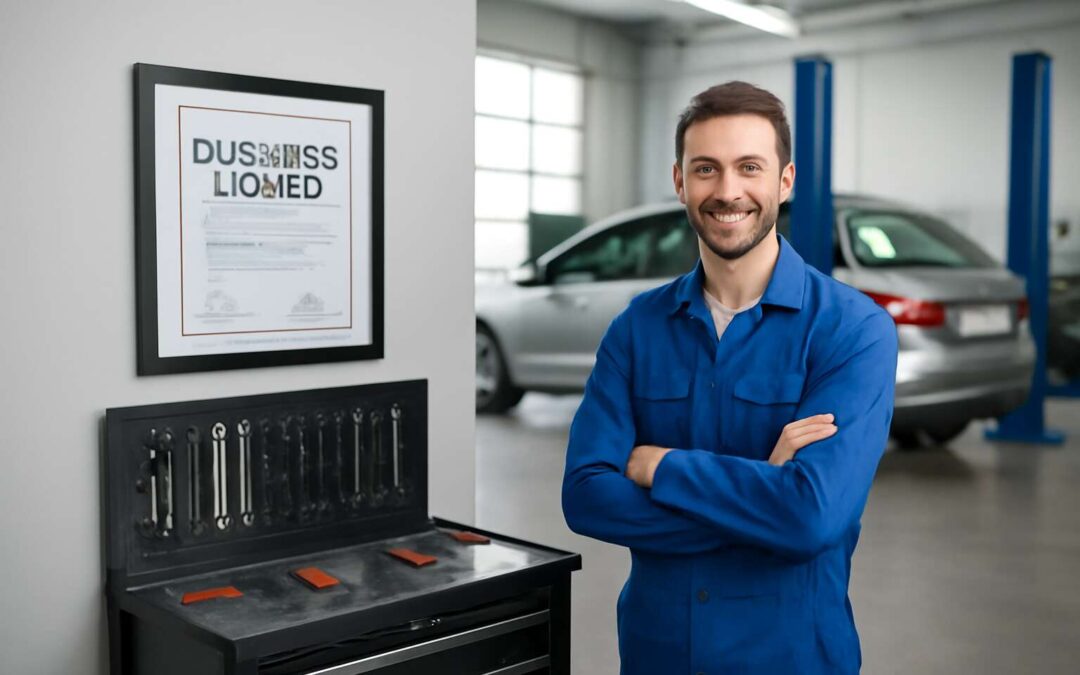
When a shop bears an auto repair business license, it anchors itself in South Africa’s regulatory landscape, signaling safety, waste management, and fair dealing under one roof.
I have seen doors swing wider when such credentials are visible, inviting customers into the workshop’s guarded truth and the path home for their machines!
Key licenses and permits commonly required
In the humming heart of a South African workshop, the auto repair business license glows like a sigil of order. This license is a quiet shield—an emblem that competence, ethics, and accountability are not whispered promises but proven habits within these walls.
Foundations weave through every service: compliance with local by-laws and vehicle repair standards, adequate insurance, staff certifications, and transparent pricing. Key licenses and permits commonly required include:
- Local business or trading license
- COID registration and public liability insurance
- Motor vehicle service and repair permit (where required)
- Environmental and waste management compliance
- Fire safety certificate and premises compliance
These tokens anchor the shop in South Africa’s regulatory tapestry, signaling safety, waste stewardship, and fair dealing under one roof. I’ve watched doors swing wider when such credentials are visible, inviting customers into a guarded truth and the path home for their machines!
The impact of licensing on customer trust and compliance
Licensing foundations shape how customers read a workshop at a glance. In South Africa’s auto repair scene, visible compliance and responsible practice translate into real trust. The auto repair business license is more than paperwork—it’s a compact promise that the shop operates with integrity and accountability.
Foundations that reinforce this trust include:
- Regulatory compliance with local by-laws and vehicle repair standards
- Adequate insurance and public liability coverage
- Ongoing staff training and qualifications
- Transparent pricing and clear, fair records
- Sound waste management and environmental practices
When licensing is embedded in daily operations, customers notice the difference. Licensing signals a commitment to safety, accountability, and fair dealing—qualities that hold steady even as gears turn and meters run.
Risks of operating without proper authorization
Licensing is the quiet backbone of trust on South Africa’s workshop floors. The auto repair business license appears not as a hurdle but as a visible pledge to safety, accountability and fair dealing. Shops that align with local bylaws, maintain solid insurance, invest in ongoing technician development, and practice transparent pricing and responsible waste practices stand out without shouting about it.
Operate without authorization and risks multiply quickly:
- Penalties, suspensions, or revocation of the license
- Legal action and criminal exposure
- Insurance claims denied and higher premiums
- Loss of customer trust and reputational damage
The stakes reinforce why licensing should be woven into daily practice. In a market where trust travels with every repair, the auto repair business license is more than paperwork—it is a safeguard for people and livelihoods.
Types of licenses and professional qualifications for auto repair
Business license versus professional technician licenses
In South Africa, trust in a workshop starts with the right paperwork. The auto repair business license signals integrity, safety, and accountability, and customers notice it the moment they walk in!
Two licenses cover the spectrum: the shop’s license and the technicians’ credentials. The business license governs the operation itself—where you work, who may hire, and how inspections are handled. Technician qualifications prove the hands-on skill behind every repair.
- Business licenses and registrations (local municipality permit, tax IDs)
- Professional technician qualifications (trade certificate, apprenticeship completion, SAQA/SETA recognition)
- Ongoing compliance credentials (safety training, equipment calibration)
Shop qualifications and certifications for staff
In South Africa, trust travels on paper—and the numbers speak volumes: 68% of drivers say a shop’s visible permissions influence where they service their vehicle. An auto repair business license signals safety and integrity the moment customers step inside.
Two streams shape credibility: the shop’s licenses and the technicians’ credentials. The essentials include:
- Local municipality permit
- Tax IDs and business registrations
- Trade certificate or trade qualification
- Apprenticeship completion
- SAQA/SETA recognition
Ongoing safety training, equipment calibration, and periodic audits keep standards current and customers confident.
When licenses align with skill, a workshop becomes more than a workspace of metal and grease—and the auto repair business license is the quiet promise customers feel.
Environmental and safety permits relevant to auto repair
68% of drivers say a shop’s visible permissions influence where they service their vehicle. That trust begins with the right licenses and the technicians’ credentials—the quiet backbone of any workshop. An auto repair business license signals safety and integrity the moment customers step inside.
- Environmental management permits for waste oil, coolant, and used batteries
- Fire safety and equipment compliance certificates for premises and bays
- Occupational health and safety (OHS) training certificates and risk assessments
- SAQA-recognised trade qualifications and SETA accreditation for technicians
Beyond legality, ongoing safety training, equipment calibration, and periodic audits keep standards current and customers confident. When licenses align with skill, a workshop becomes more than a workspace of metal and grease—it’s a quiet promise customers feel.
Specialty licenses for hazardous materials handling
In a South African workshop, the hum of engines sits beside the quiet authority of paperwork. 68% of drivers say a shop’s visible permissions influence where they service their vehicle, and that trust begins the moment a customer notices a genuine license and the technicians’ credentials—the quiet backbone of any workshop.
Types of licenses and professional qualifications for auto repair go beyond the basic auto repair business license. They span SAQA-recognised trade qualifications and SETA accreditation for technicians, plus specialty credentials that prove safe handling of difficult tasks. When these licenses align with skill, the whole shop radiates competence.
Specialty licenses for hazardous materials handling include:
- Hazardous waste management certification
- Chemical storage, handling, and spill response accreditation
- Battery disposal and recycling certification
- On-site containment and emergency response training
Franchise versus independent shop licensing considerations
Traffic builds trust before the first service. In fact, 68% of drivers say a shop’s visible permissions influence where they service their vehicle. That tells you licensing is a sales tool as much as a rulebook. Types of licenses and professional qualifications for auto repair go beyond the basic auto repair business license. In South Africa, you’ll see SAQA-recognised trade qualifications and SETA accreditation alongside specialty credentials that prove capable hands and careful planning.
- Brand standards and mandatory training
- Fees, royalties, and warranty alignment
- Local permits, SA environment requirements, and renewal cycles
Franchise versus independent shop licensing considerations hinge on control, capital, and compliance ecosystems. A franchise brings brand standards, ongoing training, and warranty obligations; an independent shop gains flexibility but shoulders local permits and custom qualifications. Either path benefits from a clear licensing map that aligns with SAQA and SETA expectations.
Navigating state and local licensing requirements
State auto repair licensing basics and processes
From the workshop floor to the front desk, licensing is the hinge that keeps trust turning. “Licensing is the passport to legitimacy,” a veteran shop owner once said, and the sentiment still rings true in South Africa’s automotive scene—where provincial and municipal permissions anchor accountability.
Navigating requirements means aligning with local councils and provincial bodies. Key facets include a municipal business permit, environmental compliance, and safety standards that govern automotive service.
- Local municipal business license
- Provincial automotive service registration
- Environmental compliance and waste handling
Process-wise, licensing unfolds as validation, inspection, and issuance. The auto repair business license is granted after premises, safety, and waste controls meet standards, a sequence that yields steadier operations and a credible reputation amid shifting consumer expectations.
City and county permits affecting auto repair operations
Across South Africa, city and county permissions decide how quickly a shop can turn a wrench into trust. A growing complaint in the trade is how easily licensing slips through the cracks when the maze isn’t mapped. The auto repair business license is less a formality than a pledge—proof that a shop operates within the law and safeguards customers. Navigating state and local requirements demands patience and a keen eye for bylaws that govern workshop footprints, waste streams, and safe operation.
Practical checkpoints to track include:
- Site zoning compatibility and council parking rules
- Fire safety and occupational health verifications for the workshop
- Waste management contracts and licensed disposal commitments
Securing these steps clears the path to a stable workflow and a credible reputation.
Zoning, signage, and property use rules for auto repair shops
South Africa’s auto repair scene is humming along faster than your torque wrench can handle, and a slick license is the first badge customers notice. An auto repair business license signals you’re playing by the rules and safeguarding their property from the moment they walk in the door.
Navigating state and local licensing requirements means mapping zoning, signage, and property use into a smooth, predictable workflow. Here are the levers you’ll want to align with:
- Site zoning compatibility with municipal plans and council rules
- Signage standards and the requirement to display licensing visibly
- Property use and parking regulations that define workshop footprint and access
When those elements align, you’ll clear the path to steady operations and a credible reputation—where the license isn’t just paperwork, but peace of mind for your customers.
Environmental compliance for auto repair facilities
South Africa’s auto repair scene hums with urgency, and the license that hangs in the workshop window is more than a courtesy—it’s a promise. A shop that holds an auto repair business license signals it plays by the rules and protects customers from the first inspection to the last warranty claim. As one veteran mentor often puts it, “compliance isn’t a barrier; it’s the backbone.” When licensing aligns with environmental responsibility, trust becomes a natural aftertaste of every service.
Environmental compliance for auto repair facilities extends beyond fumes and noise. It’s about how fluids are handled, waste is managed, and runoff is kept from storm drains.
- Proper containment, storage, and labeling of used oil, batteries, and solvents
- Spill prevention kits and routine waste segregations
- Recycling contracts and lawful disposal channels for hazardous waste
Together with licensing, environmental stewardship shapes a shop’s reputation—turning peace of mind into repeat business and a credible cornerstone of the South African auto repair landscape.
Waste disposal and air quality considerations
Navigating state and local licensing requirements in South Africa isn’t merely paperwork; it’s a map of who can operate and under what conditions. An auto repair business license signals a shop meets inspections and disposal standards from day one. “Licensing is the price of trust,” a veteran mentor says, framing compliance as credibility, not a hurdle.
Waste disposal and air quality considerations add practical weight to that license:
- Ensure waste streams—oils, solvents, batteries—are stored, labeled, and segregated according to regulations.
- Maintain spill containment kits and a clear spill response plan.
- Contract with licensed recyclers and use lawful channels for hazardous waste disposal.
- Track ventilation and emission controls to protect indoor air and nearby communities.
When licensing dovetails with environmental responsibility, shops gain a reputation for reliability and accountability—qualities that customers notice and repeat.
Application steps, costs, and renewal strategies
Step by step guide to applying for auto repair licenses
South Africa’s auto repair market never sleeps, and credibility hinges on more than skilled hands. A license, proudly displayed, signals customers you operate within the law and stand behind your work. ‘A license isn’t a luxury—it’s a promise to your customers,’ a veteran SA mechanic often says.
The path to a license unfolds in broad phases rather than a sprint. It hinges on aligning with municipal by-laws, assembling standard documentation, and navigating the approval process. This is part of securing an auto repair business license.
- Check local requirements with the municipal licensing office and confirm zoning and safety expectations.
- Gather standard documents—proof of business, address, identity, tax registration, and environmental notes.
- Submit the application and respond to follow-up inquiries, allowing time for review.
Costs vary by municipality—an initial application fee, possible inspections, and annual renewal dues in rand. Budget for admin time and ongoing compliance.
Documentation and records you will need
Securing an auto repair business license isn’t a mere formality; it’s a pledge to customers that you operate legally and responsibly. ‘A license isn’t a luxury—it’s a promise to your customers,’ a veteran SA mechanic reminds us. The route unfolds through by-laws, fees, and patient approvals.
- Check local requirements with the municipal licensing office and confirm zoning and safety expectations.
- Gather standard documents—proof of business, address, identity, tax registration, and environmental notes.
- Submit the application and respond to follow-up inquiries, allowing time for review.
Costs vary by municipality—an initial application fee, possible inspections, and annual renewal dues in rand. That auto repair business license signals compliance. Budget for admin time and ongoing compliance. Renewal strategies include setting reminders and keeping records organized to adapt to regulatory updates.
Documentation and records you will need:
- Proof of business registration
- Physical address and contact details
- Identity documents of owners or directors
- Tax registration details (including VAT status if applicable)
- Environmental notes and waste management plan
Fees, timelines, and renewal intervals
A license isn’t a luxury—it’s a promise to your customers. In South Africa, the route to an auto repair business license is clear in theory but exacting in practice. It starts with checking local requirements, gathering the standard documents, and submitting, then waiting through the review and possible inspections.
- Confirm local requirements with the municipal licensing office and verify zoning and safety expectations.
- Assemble documents—proof of business registration, physical address, identity, tax registration (VAT if applicable), and environmental notes.
- Submit the application and respond promptly to follow-up inquiries; expect review time and possible inspections.
Costs vary by municipality—an initial application fee, possible inspections, and annual renewal dues in rand. This auto repair business license signals compliance and trust with customers. Renewal strategies include calendar reminders, organized records, and staying current with regulatory updates; renewals are typically annual with standard timelines and renewal intervals.
Tips to avoid delays and common pitfalls
In South Africa, the auto repair business license is more than paperwork—it’s a trust badge that signals compliance to every customer. A licensed shop stands out and reassures clients that zoning, safety, and environmental rules are respected!
Application steps, costs, and renewal strategies come into sharper focus when local requirements are known and documents are ready.
- Complete documentation to avoid back-and-forth
- Early checks on zoning and safety to prevent holds
- Prompt replies to inquiries to minimize review delays
Costs vary by municipality; renewals are typically annual. To cut delays, keep digital and physical copies, stay aware of regulatory updates, and budget for the initial fee and any inspections.
