by | Jul 24, 2025 | Air Conditioning
Understanding Air Conditioning Services in Ladysmith
Overview of Air Conditioning Solutions
In Ladysmith, the quest for reliable air conditioning solutions is more than just comfort—it’s a lifeline during scorching summer days that can threaten productivity and well-being. Understanding the range of air conditioning services available can make all the difference in choosing the right system for your home or business. From installation and maintenance to repairs, every service plays a vital role in ensuring your indoor environment remains cool and inviting.
When considering air conditioning ladysmith, it’s essential to recognize the diverse options tailored to South African climates. Modern systems not only provide cooling but also improve air quality and energy efficiency. Many local service providers offer comprehensive solutions, including:
- Expert installation tailored to your space
- Routine maintenance to extend the lifespan of your units
- Prompt repairs that restore comfort swiftly
- Upgrades to more energy-efficient models
By understanding these core services, residents and business owners in Ladysmith can make informed decisions that enhance their quality of life, especially during those long, hot summer months. The right air conditioning system, supported by reliable service, transforms the heat into a distant memory, offering relief and peace of mind amid the South African heatwave.
Importance of Quality AC Systems
In the relentless heat of Ladysmith, a reliable air conditioning system isn’t just a luxury—it’s a necessity that shapes the very fabric of daily life. The importance of high-quality AC systems cannot be overstated; they ensure comfort, safeguard productivity, and contribute to overall well-being during South Africa’s scorching summers. But the true value lies in understanding the spectrum of air conditioning services available in Ladysmith, which go far beyond mere cooling.
Effective air conditioning ladysmith involves more than just installation. It encompasses a holistic approach—routine maintenance to prevent breakdowns, prompt repairs to restore comfort swiftly, and upgrades to energy-efficient models that respect both your budget and the environment. When these elements align, they create a sanctuary from the oppressive heat, transforming indoor spaces into havens of relief. Recognizing the significance of quality AC systems and comprehensive services helps residents and business owners navigate the complexities of climate control, ensuring their spaces remain inviting and functional amidst the challenges of South Africa’s climate.
Common Types of Air Conditioners Available
In the vibrant tapestry of Ladysmith’s climate, understanding the diverse array of air conditioning services becomes essential for creating a sanctuary from the relentless heat. The spectrum of options available in air conditioning Ladysmith is as rich and varied as the landscape itself, offering solutions tailored to every need and preference. From sleek, modern units to more traditional models, the choices are designed to seamlessly blend comfort with functionality.
When exploring air conditioning Ladysmith, it’s important to recognize the different types of systems that can transform indoor spaces into cool, inviting retreats. These include split-system units, which are perfect for individual rooms, and ducted systems that cool entire buildings with discreet elegance. Additionally, portable air conditioners provide flexibility for temporary cooling needs, making them a popular choice among residents and business owners alike.
For those seeking efficiency and eco-friendliness, inverter air conditioners stand out, adjusting their power to maintain a consistent temperature while conserving energy. Whichever type you choose, the key lies in selecting a system that aligns with your specific cooling requirements, ensuring comfort amid Ladysmith’s scorching summers. The variety of options underscores the importance of consulting seasoned professionals in air conditioning Ladysmith, who can guide you through the nuances of each system, ensuring your space remains a haven of cool relief.
Choosing the Right Air Conditioning System in Ladysmith
Factors to Consider When Selecting an Air Conditioner
Choosing the right air conditioning system in Ladysmith isn’t just about cooling a space—it’s about transforming a house into a sanctuary from the oppressive heat. Did you know that selecting an appropriate unit can reduce energy bills by up to 30%? That’s a compelling reason to be meticulous. When navigating the options, consider the size of your space, the energy efficiency of the unit, and the climate conditions specific to Ladysmith. A poorly matched system can turn comfort into a nightmare, with inconsistent temperatures and skyrocketing bills.
To streamline your decision-making process, evaluate these critical factors:
- Cooling capacity suited to your room size
- Energy efficiency ratings (look for units with high SEER ratings)
- Ease of maintenance and durability in South African weather
By paying close attention to these elements, you ensure your investment in air conditioning Ladysmith will bring lasting comfort and performance, warding off the chaos of unsuitable systems.
Energy Efficiency and Cost Savings
Choosing the right air conditioning system in Ladysmith is an art that balances comfort with sustainability. Energy efficiency stands at the heart of this decision—an investment that not only cools your space but also significantly reduces long-term costs. In the rugged climate of Ladysmith, selecting units with high SEER ratings ensures optimal performance without draining your electricity budget.
When contemplating your options, consider the durability needed for South African weather conditions. An efficient air conditioning Ladysmith system adapts seamlessly to temperature fluctuations, ensuring consistent comfort.
A well-chosen system can cut your energy bills by up to 30%, turning the pursuit of comfort into a savvy financial decision. It’s not just about staying cool; it’s about making an informed choice that enhances your lifestyle while respecting the environment.
Size and Capacity Requirements
In the shadowed corridors of comfort, selecting the perfect air conditioning Ladysmith system is an art that demands both precision and intuition. The size and capacity of your unit are not mere numbers—they are the heartbeat of your sanctuary against Ladysmith’s capricious climate. Too small, and it will struggle to quell the relentless heat; too large, and it becomes an unwelcome specter, wasting energy and disrupting the delicate balance of your environment.
To avoid this spectral misstep, consider the specific demands of your space. Factors such as room dimensions, insulation quality, and occupancy influence the ideal capacity—an intricate dance of calculation and experience. For those seeking clarity, here is a simple guide:
- Measure your room’s square footage with precision.
- Account for window size and exposure to sunlight.
- Evaluate the insulation’s strength—thick walls and dark curtains can tip the scales.
Choosing an appropriately sized air conditioning Ladysmith system ensures seamless comfort, whispering through the night without taxing your energy reserves. It’s a delicate balance—an invisible force that transforms a mere machine into a guardian of serenity amidst Ladysmith’s unpredictable weather.
Air Conditioning Installation in Ladysmith
Professional Installation Services
When it comes to transforming your space into a cool haven, professional air conditioning installation in Ladysmith is the key to seamless comfort. Imagine the relief of stepping into a perfectly cooled environment, expertly crafted to suit your needs — that’s the magic of skilled installation. Our team of seasoned technicians understands the unique demands of Ladysmith’s climate, ensuring that each system is installed with precision and care.
Choosing the right service is essential, as improper installation can compromise efficiency and longevity. We pride ourselves on delivering top-tier air conditioning Ladysmith installation services that prioritize quality and durability. From assessing your space to customizing the perfect setup, our professionals handle every detail with meticulous attention. Experience the difference of a professionally installed air conditioning system — where comfort meets reliability, right here in Ladysmith!
Installation Process Overview
Installing an air conditioning system in Ladysmith is more than just connecting wires and fitting units; it’s about crafting a sanctuary of comfort amidst the region’s fluctuating climate. The installation process begins with a thorough assessment of your space, ensuring that every detail—from duct placement to air flow—aligns with optimal performance standards. Skilled technicians approach each project with a blend of technical expertise and aesthetic sensibility, recognizing that a well-installed system seamlessly integrates into your environment.
During installation, attention to detail is paramount. We often follow a structured approach, which might include:
- Assessing the space and cooling needs
- Measuring and selecting appropriate equipment
- Positioning units for maximum efficiency
- Properly sealing and insulating connections
- Testing the system for optimal performance
This meticulous process ensures that your air conditioning ladysmith system functions flawlessly—delivering consistent comfort and energy efficiency for years to come. When done right, installation becomes the foundation of durability and reliable performance, transforming your environment into a true cool haven. The difference lies not only in the equipment used but in the precision and expertise of the installation process itself.
Permits and Regulations
Within the shadowed corridors of Ladysmith’s urban landscape, the installation of air conditioning systems is governed by strict permits and regulations—guardians of order amidst the chaos of modern comfort. Before the first conduit is laid, local authorities demand a meticulous review, ensuring that every installation aligns with safety standards and environmental directives. This process, often unseen by the untrained eye, is vital for the seamless operation of your air conditioning ladysmith system.
To navigate this labyrinth, professional installers must secure the necessary permits, which may include adherence to zoning laws or building codes. Some installations might even require inspection and approval from municipal bodies, safeguarding both the environment and the integrity of your property. Remember:
- Building permits may be mandatory for larger units or complex ductwork
- Environmental regulations aim to minimize ecological impact
- Compliance ensures legal protection and peace of mind
In Ladysmith, the marriage of regulation and craftsmanship ensures your air conditioning system is not only a marvel of cooling efficiency but also a testament to lawful, sustainable installation—woven into the very fabric of the region’s stringent standards.
Air Conditioner Maintenance and Repairs
Importance of Regular Maintenance
In the symphony of comfort, an air conditioner’s harmony is delicate and fleeting without the vigilant touch of maintenance. Regular upkeep transforms a humble appliance into a steadfast guardian of coolness, especially in the sweltering heat of South Africa’s summer. When neglected, even the most robust systems falter, their efficiency waning like a fading melody. For residents seeking reliable relief, understanding the importance of routine repairs and maintenance becomes paramount.
Skilled technicians in air conditioning Ladysmith emphasize that a well-maintained system not only prolongs its lifespan but also preserves energy efficiency, reducing those unwelcome power bills. To keep your air conditioning in prime condition, consider scheduling:
- Filter cleaning or replacement
- Coil inspections and cleaning
- Leak detection and repair
- Checking the thermostat’s calibration
By investing in regular maintenance, you ensure that your air conditioning Ladysmith continues to deliver crisp, refreshing air, transforming your home into an oasis amid the South African heat. After all, a system that breathes easy is a system that lasts—and keeps you cool when it matters most!
Common Repair Issues
Even the most sophisticated air conditioning ladysmith units are not immune to the wear and tear that accompanies constant use. Over time, common repair issues can surface, threatening to disrupt the cool sanctuary you rely on during South Africa’s hottest days. Recognizing these problems early can save you both money and discomfort, ensuring your system delivers pristine, refreshing air when you need it most.
One of the most frequent culprits is a malfunctioning thermostat, which can cause inconsistent cooling or an abrupt shutdown. Dirty filters, if left unchecked, choke airflow and diminish efficiency, while refrigerant leaks lead to insufficient cooling and increased energy consumption. Mechanical failures in compressors or fans can also manifest as strange noises or reduced airflow, signaling the need for expert attention.
For those experiencing persistent issues, a skilled technician in air conditioning ladysmith will often perform:
- Comprehensive system diagnostics
- Refrigerant recharge or leak repair
- Component replacements, including fans and motors
- Electrical connections check
Understanding these common repair issues helps homeowners maintain the delicate balance of comfort and efficiency, ensuring their air conditioning ladysmith systems continue to breathe life into their homes even in the most sweltering South African summers.
Preventative Maintenance Tips
Maintaining your air conditioning system isn’t just about comfort; it’s about preserving the lifespan and efficiency of your investment. Regular preventative maintenance can significantly reduce costly repairs and ensure your unit operates at peak performance when South Africa’s summer heat hits its zenith. In the heart of Ladysmith, where temperatures often soar, a well-maintained air conditioning ladysmith unit becomes an essential part of daily life.
Simple yet effective habits can make a world of difference. Regularly cleaning or replacing filters is paramount—clogged filters restrict airflow, forcing your system to work harder and consume more energy. Additionally, scheduling professional inspections annually ensures that components like fans, compressors, and electrical connections are in optimal condition. During these visits, technicians often perform refrigerant checks and leak repairs, preventing the dreaded decline in cooling power.
For those who prefer a more structured approach, consider this
- checking filters every month,
- keeping the outdoor unit free of debris,
- ensuring the thermostat is functioning correctly,
- and scheduling routine professional maintenance with an air conditioning ladysmith expert. By taking these small but consistent steps, homeowners can enjoy a cool, refreshing environment while extending the longevity of their air conditioning systems—making every summer in Ladysmith a little more bearable.
Benefits of Choosing Local Ladysmith Air Conditioning Providers
Expertise and Local Knowledge
Choosing local air conditioning Ladysmith providers isn’t just about supporting small businesses; it’s about reaping the benefits of expertise rooted in the community. When you call on a local specialist, you’re tapping into years of hands-on experience with South African climates—knowing exactly how to keep you cool when the heatwave hits or warm during those chilly winter nights. Their familiarity with local regulations and suppliers means smoother installations and fewer surprises along the way.
Moreover, local providers have a vested interest in maintaining their reputation, which translates into top-notch service and quick response times. Instead of waiting days for distant companies to troubleshoot, local air conditioning Ladysmith businesses are just a call away, ready to iron out issues promptly. This proximity ensures tailored solutions that fit your specific needs, making your space more comfortable and energy-efficient.
- Personalized service tailored to Ladysmith’s unique climate
- Faster response times for repairs and maintenance
- Better understanding of local building codes and regulations
- Support for the local economy and sustainable growth
By choosing local, you’re not only investing in the comfort of your home or business but also fostering community resilience. It’s a win-win scenario—cooler spaces, happier wallets, and a thriving Ladysmith!
Prompt Service and Support
When temperatures soar in Ladysmith, the last thing you want is to wait days for repairs or support. Choosing local air conditioning Ladysmith providers ensures you receive prompt, reliable service exactly when you need it most. Because these specialists are embedded in the community, they understand the nuances of Ladysmith’s climate—whether it’s a summer heatwave or chilly winter evenings.
Local providers tend to offer faster response times and personalized solutions that cater specifically to your home or business. Their familiarity with local building codes and regulations makes installation smoother and more efficient, reducing unexpected delays. This quick support can be a lifesaver, especially during extreme weather conditions, helping you stay comfortable year-round.
Supporting local air conditioning Ladysmith businesses not only enhances your comfort but also sustains the local economy—creating a ripple of positive impact throughout the community. When you choose nearby experts, you’re investing in a resilient, thriving Ladysmith, one cool space at a time!
Customer Satisfaction and Reviews
Choosing local air conditioning Ladysmith providers offers more than just convenience; it’s a strategic move towards superior customer satisfaction. When your comfort hinges on rapid responses, these specialists excel at delivering personalized service that larger, distant companies often can’t match. Their deep understanding of Ladysmith’s unique climate nuances ensures that every installation or repair is tailored to withstand the region’s fluctuating temperatures.
Customer reviews consistently highlight the benefits of opting for local expertise. Many clients appreciate how these businesses build lasting relationships, providing ongoing support and maintenance that keeps their systems running smoothly. This dedication fosters trust and confidence, ensuring your air conditioning system functions optimally when you need it most.
- Prompt responses to urgent repair needs
- Customized solutions based on local climate conditions
- Consistent, reliable service that nurtures customer loyalty
By choosing an air conditioning Ladysmith provider rooted in the community, you’re also bolstering the local economy—an investment that pays dividends in quality service, faster turnaround times, and peace of mind. The positive ripple effect of supporting local businesses creates a resilient, thriving Ladysmith, one cool space at a time!
Energy Efficiency and Cost-Saving Tips for Ladysmith Residents
Maximizing Your AC Unit’s Performance
In a world where energy consumption shapes our future, optimizing your air conditioning ladysmith system isn’t just about comfort—it’s a moral choice. An efficiently running AC unit can slash electricity bills and reduce your carbon footprint, turning everyday actions into a statement of responsibility. The secret lies in understanding that true energy efficiency stems from mindful usage and strategic maintenance, rather than simply cranking the thermostat lower.
Maximizing your AC unit’s performance involves keen awareness of usage patterns and environmental factors. For instance, using ceiling fans in tandem with your air conditioning ladysmith can distribute cooled air more evenly, reducing strain on the system. Additionally, sealing leaks and insulating your home minimizes energy wastage, ensuring your investment in comfort pays dividends over time. Remember, smarter operation is often about subtle adjustments—like setting the thermostat at a higher but comfortable temperature or scheduling pre-cooling during off-peak hours.
To truly harness your system’s potential, consider implementing these practices:
- Regularly clean or replace air filters to maintain airflow and efficiency.
- Keep blinds and curtains closed during the hottest parts of the day to reduce indoor heat gain.
- Schedule professional maintenance to ensure optimal refrigerant levels and system calibration.
In Ladysmith, where climate variability demands resilience, understanding the nuances of energy efficiency can lead to significant savings and a healthier environment. Every adjustment, every mindful decision, echoes a deeper commitment to sustainable living—making your air conditioning ladysmith not just a luxury, but a conscientious choice.
Energy Saving Practices
In Ladysmith’s ever-changing climate, managing energy consumption while staying cool isn’t just a matter of comfort—it’s a conscientious choice that benefits both your wallet and the environment. Efficient use of your air conditioning ladysmith can lead to substantial savings on electricity bills, especially during those scorching summer days when cooling demands spike. Small adjustments, like setting your thermostat at a comfortable yet higher temperature, can significantly reduce energy wastage without sacrificing comfort.
To maximize energy efficiency, consider incorporating simple yet effective practices. For example, sealing leaks and insulating your home minimizes heat gain, allowing your AC unit to work less hard. Additionally, scheduling pre-cooling during off-peak hours can take advantage of lower energy rates and reduce strain on the system. Implementing these habits not only prolongs the lifespan of your air conditioning ladysmith but also exemplifies responsible energy use, making your cooling system an ally in sustainable living.
Furthermore, regular maintenance—such as cleaning or replacing air filters—ensures optimal airflow and prevents unnecessary energy consumption. To enhance indoor comfort, close blinds and curtains during the hottest part of the day, reducing indoor heat gain. When paired with professional tune-ups, these practices help your AC system operate at peak efficiency, translating into lower costs and a greener footprint for Ladysmith residents.
Upgrading to Energy-Efficient Models
Investing in energy-efficient air conditioning ladysmith isn’t just a savvy move—it’s an act of rebellion against rising electricity bills and environmental guilt. Modern models boast high Seasonal Energy Efficiency Ratios (SEER), meaning they sip power rather than guzzle it, offering Ladysmith residents a chance to enjoy cool comfort without draining their wallets.
Opting for upgraded units with ENERGY STAR certification guarantees you’re choosing a system designed to maximize efficiency. These units often come with features like variable-speed compressors and smart thermostats that adapt to your cooling needs with finesse. To further enhance savings, consider implementing simple routines such as:
- Using programmable timers to avoid unnecessary operation
- Adjusting the thermostat to a comfortable yet higher temperature during peak heat
- Sealing leaks and insulating your home to prevent cool air from escaping—because who enjoys paying to chill the outdoors?
This strategic approach transforms your air conditioning ladysmith from a mere cooling device into an environmentally conscious, cost-cutting hero, proving that smart choices today lead to cooler tomorrows—literally!
Frequently Asked Questions About Air Conditioning in Ladysmith
How often should I service my air conditioner?
When it comes to maintaining optimal performance of your air conditioning ladysmith, understanding how often to service your unit is crucial. While many overlook this essential aspect, regular servicing can significantly extend the lifespan of your system and ensure consistent cooling during South Africa’s scorching summers.
Typically, it’s recommended to have your air conditioning ladysmith professionally serviced at least once a year. However, if you live in a particularly dusty or polluted environment, more frequent check-ups—perhaps biannually—can prevent buildup and operational issues. Regular maintenance not only keeps your air conditioning unit running efficiently but also helps identify potential problems before they escalate, saving you money in the long run.
- Inspect and clean filters to improve airflow and air quality
- Check refrigerant levels and recharge if necessary
- Examine electrical components for signs of wear or damage
- Clear condensate drains to prevent water damage and mold growth
In Ladysmith, where temperatures can soar unexpectedly, ensuring your air conditioning system is regularly serviced by trusted professionals is more than a luxury—it’s a necessity. This proactive approach guarantees your comfort and peace of mind throughout the year, especially during those sweltering summer days.
What is the average cost of installation?
The cost of installing air conditioning in Ladysmith varies depending on the size, type, and brand of the unit you choose. On average, residents can expect to pay between R10,000 and R25,000 for a professional installation. This includes the unit itself, labor, and any necessary permits. Keep in mind that high-end models with advanced features tend to be at the upper end of this range, but they often deliver better energy efficiency and durability.
When considering the investment in air conditioning Ladysmith offers, it’s wise to compare quotes from reputable providers. Quality installation ensures your system operates at peak performance, saving you money in the long run. It’s also recommended to inquire about warranty coverage and after-sales support, which can make a significant difference in overall satisfaction with your cooling system.
Ultimately, understanding the average cost helps you plan your budget wisely and ensures you get the most value from your investment. With Ladysmith experiencing unpredictable temperature spikes, a well-installed air conditioning unit becomes more than just a comfort—it’s a necessity for maintaining productivity and quality of life. Trusting experienced local professionals guarantees your system will be installed correctly, maximizing lifespan and efficiency.
How can I improve my AC system’s efficiency?
Ever wondered how to keep your cool in Ladysmith’s unpredictable climate? The secret often lies in the efficiency of your air conditioning system. A well-maintained AC unit not only preserves your comfort but also slashes energy bills—an outcome every homeowner secretly dreams of. But how can you improve your air conditioning Ladysmith experience without breaking the bank?
First, ensure your filters are clean and replaced regularly. Dirty filters restrict airflow, forcing your system to work harder. Additionally, sealing leaks around windows and doors prevents cool air from escaping, making your AC work smarter, not harder. For those seeking an extra edge, consider investing in programmable thermostats—they allow precise control over your indoor climate, saving energy when you’re away or asleep.
Furthermore, scheduling regular professional servicing in Ladysmith can identify inefficiencies before they become costly issues. Sometimes, a simple refrigerant recharge or coil cleaning can dramatically boost performance. Remember, a little preventative care goes a long way in maximizing your AC unit’s lifespan and efficiency—so don’t overlook it! After all, an efficient air conditioning Ladysmith doesn’t just keep you cool—it keeps your electricity bill in check, too.
by | Jul 24, 2025 | Air Conditioning
Understanding Multi Split Air Conditioning Systems
Definition and Basic Principles – What is a multi split air conditioning system?
Imagine controlling the climate of multiple rooms with a single, streamlined system—this is the beauty of a multi split air conditioning setup. Unlike traditional units that serve only one space, a multi split air conditioning system offers a sophisticated solution for large homes or commercial environments. At its core, it involves a single outdoor compressor connected to several indoor units, each tailored to the specific needs of different rooms or zones.
This design hinges on basic principles of refrigeration and air flow management, allowing for independent temperature control. It’s a marvel of modern engineering that maximizes efficiency while reducing clutter and energy consumption. For those seeking an elegant yet powerful cooling and heating solution, understanding the fundamental workings of a multi split air conditioning system reveals why it’s rapidly becoming the preferred choice across South Africa.
How Multi Split Systems Work – Overview of the functioning and components
Multi split air conditioning systems are a game-changer for managing climate control across multiple zones without the clutter of individual units. These systems work by connecting one outdoor compressor to several indoor units, each tailored to specific rooms or spaces. The key to their efficiency lies in their ability to independently regulate temperature in each zone, providing comfort tailored to individual preferences.
The core components of a multi split air conditioning system include the outdoor compressor, indoor units, and a sophisticated control system. The compressor circulates refrigerant through a network of piping, delivering cooling or heating power to each indoor unit. Unlike traditional split systems, the multi split setup allows for flexibility, enabling homeowners or businesses to customize climate control without sacrificing energy efficiency.
In essence, the system manages airflow and temperature via a series of valves and sensors that work seamlessly together. Here’s how it functions in practice:
- The outdoor compressor handles multiple indoor units, reducing energy consumption compared to individual systems.
- Each indoor unit contains its own fan and evaporator, allowing for independent operation and customized comfort.
- The control system coordinates all components, enabling users to adjust settings for each zone from a central point.
This integrated approach not only maximizes efficiency but also minimizes the visual clutter often associated with multiple cooling units. For those seeking a scalable, versatile solution for their home or commercial space, understanding how multi split air conditioning systems operate reveals their true potential for energy savings and personalized comfort in South Africa’s diverse climate.
Key Benefits of Multi Split Units – Advantages over traditional single-unit systems
In the vast landscape of climate control, multi split air conditioning systems stand out as the paragons of versatility and efficiency. Unlike their traditional single-unit counterparts, these marvels of modern engineering allow you to cool or heat multiple zones with a single outdoor compressor, saving space and energy. This interconnected network of indoor units offers a level of customization that would make even the most discerning homeowner nod in approval.
One of the key benefits of multi split air conditioning systems is their ability to provide independent temperature control for each zone. Whether it’s a sunlit lounge or a cozy office nook, every space can be tailored to individual comfort levels without the need for multiple bulky units. Plus, with fewer outdoor units cluttering your property, aesthetic appeal and functionality go hand in hand.
- Energy efficiency takes a front seat, as the system optimizes power consumption by sharing a single compressor across multiple indoor units.
- Installation becomes a breeze, reducing the complexity and cost associated with multiple standalone systems.
- Maintenance is streamlined, with fewer outdoor units to service and monitor.
For those who value a seamless blend of convenience, energy savings, and elegant design, multi split air conditioning is undeniably a game-changer—especially in South Africa’s diverse climate zones where adaptability is king.
Types of Multi Split Air Conditioners
Indoor Unit Variations – Different types of indoor units available
In the realm of multi split air conditioning, the indoor unit variations form the soul of personalized comfort. Each type whispers a different promise—some blend seamlessly into modern interiors, while others stand as functional sculptures. These indoor units are more than mere components; they are the gateways to tailored climate control, effortlessly adapting to diverse room sizes and aesthetic preferences.
Among the most popular indoor unit variations are the wall-mounted, ducted, and cassette units. Wall-mounted units are the most common, offering a sleek profile that can be painted to match walls, making them discreet yet effective. Ducted units hide behind ceilings, providing a uniform airflow that envelops entire spaces without visible clutter. Cassette units, often installed in ceilings, distribute air evenly across large open-plan areas, ensuring comfort from above.
Each of these indoor unit types enhances the versatility and aesthetic appeal of a multi split air conditioning system. Whether you seek quiet operation, aesthetic harmony, or expansive air distribution, there’s a perfect indoor unit variation waiting to transform your space into a sanctuary of perfect climate. The diversity of indoor units in multi split air conditioning systems ensures that every environment’s unique needs are met with elegance and efficiency!
Number of Indoor Units – Configurations ranging from few to multiple zones
In the grand symphony of climate control, the number of indoor units in a multi split air conditioning system orchestrates harmony across diverse spaces. With configurations that stretch from a modest duo to an elaborate ensemble of multiple zones, these systems adapt with poetic precision. The flexibility to tailor cooling and heating—whether for a cozy study or an expansive open-plan lounge—transforms ordinary environments into sanctuaries of comfort.
Imagine a system that seamlessly integrates into your South African home or office, offering bespoke climate regulation for each corner. Options vary widely; some setups feature just two or three indoor units, perfect for smaller apartments or boutique offices. Others embrace complexity—supporting a dozen or more indoor units, creating a network of comfort nodes. This versatility ensures that every space, big or small, can bask in the ideal indoor climate.
To visualize, here’s how multi split air conditioning configurations are often arranged:
- Single outdoor unit powering two or three indoor units for small to medium spaces.
- Multiple indoor units connected to one outdoor compressor, creating a multi-zone environment that adapts to diverse needs.
- Extensive systems supporting numerous indoor units — ideal for sprawling commercial complexes or multi-story residences.
In South Africa’s dynamic climate, the ability to customize the number of indoor units in a multi split air conditioning system isn’t just convenience—it’s a strategic advantage. It offers a harmonious blend of efficiency, flexibility, and aesthetic elegance, truly elevating the art of indoor comfort.
Split System vs. Other AC Types – Comparison with ductless and central systems
When it comes to choosing the perfect climate control solution, understanding the different types of air conditioning systems is crucial. Unlike traditional ducted systems that often require extensive installation and space, multi split air conditioning offers a sleek, flexible alternative that’s gaining popularity across South Africa. These systems stand out by providing targeted cooling and heating without the need for bulky ductwork, making them ideal for modern homes and offices.
Compared to ductless mini-split systems, multi split air conditioning can support multiple indoor units from a single outdoor condenser, creating a harmonious network of comfort zones. This setup allows for individual temperature control in different rooms, enhancing energy efficiency and comfort. On the other hand, central systems, while effective for large spaces, tend to lack the customization and aesthetic appeal that multi split air conditioning provides. Here’s a quick overview:
- Multi split air conditioning systems combine the flexibility of ductless technology with the ability to serve multiple zones efficiently.
- They are more adaptable than single split systems, capable of managing several indoor units from one outdoor unit.
- Compared to traditional central air conditioning, multi split units often require less installation time and maintenance, making them an attractive choice for South African households.
In essence, the choice between these options hinges on your specific needs, space constraints, and aesthetic preferences. What remains clear is that multi split air conditioning is transforming the way we experience indoor comfort—an innovative solution that’s as adaptable as it is efficient!
Features to Consider in Multi Split Air Conditioning
Cooling Capacity and Sizing – Importance of choosing the right capacity
In the symphony of comfort that multi split air conditioning offers, the choice of cooling capacity is a decisive movement. Selecting the right size isn’t merely a matter of numbers; it’s the delicate art of harmony between space and system. Too small, and the system struggles to maintain desired temperatures; too large, and it wastes energy, creating a chilling imbalance that disrupts serenity.
Understanding the significance of proper sizing ensures optimal performance and longevity of your multi split air conditioning system. When selecting capacity, consider the square footage, insulation quality, and sun exposure—each factor a note in the melody of ideal climate control. An oversized unit may cycle on and off too frequently, while an undersized one will work tirelessly without respite.
- Accurate room measurements and environmental factors.
- Matching indoor unit capacity with actual cooling demands.
- Prioritizing energy efficiency to reduce operational costs.
By attentively tuning these elements, you craft an environment where every breath feels just right—precisely what a sophisticated multi split air conditioning system promises. The art lies in finding that perfect equilibrium, transforming technology into a ballet of comfort and efficiency.
Energy Efficiency and SEER Ratings – How to assess energy performance
Energy efficiency in multi split air conditioning systems is the silent guardian of both comfort and cost. As the relentless sun bears down on South African landscapes, understanding how to assess the SEER rating—Seasonal Energy Efficiency Ratio—is paramount. This elusive metric reveals how effectively a system converts electricity into cooling power over an entire season, transforming mere numbers into a beacon of informed decision-making.
When evaluating energy performance, look beyond the SEER rating alone. Consider the system’s capacity to adapt to fluctuating environmental conditions and its design for optimal performance. Features such as inverter technology and smart controls can dramatically reduce operational costs while maintaining a serene indoor climate. A system with a high SEER rating not only slashes electricity bills but also prolongs the lifespan of your multi split air conditioning unit, turning it into a wise investment rather than a fleeting convenience.
To decode the true energy efficiency of your multi split air conditioning, examine the following:
- The SEER rating—aim for units with ratings above 16 for South African climates.
- Inverter technology—ensures the compressor modulates power, reducing energy waste.
- Smart thermostats and zoning controls—allow precise temperature adjustments tailored to individual spaces.
In this dance of shadows and light, understanding energy performance transforms your choice into a symphony of sustainable comfort, where every breath is a testament to technological artistry—an enduring hallmark of true mastery in multi split air conditioning systems.
Control Options – Remote controls, Wi-Fi connectivity, and zoned control
In the realm of modern comfort, control options are the enchanted wands that turn a mere multi split air conditioning system into a symphony of precision and convenience. Imagine adjusting the temperature from your smartphone, effortlessly tailoring each zone to your desire—this is the magic of Wi-Fi connectivity in advanced systems. Such connectivity not only grants freedom in managing your indoor climate but also ensures energy-efficient operation, a crucial factor in South Africa’s sun-drenched landscapes.
Remote controls remain a timeless feature, offering intuitive access at your fingertips. Yet, the true marvel lies in zoned control—an ability to command individual indoor units independently. This creates pockets of ideal comfort, eliminating wasted energy in unoccupied spaces. For discerning homeowners or businesses seeking sophistication, these control options weave a tapestry of seamless integration, elevating the experience of multi split air conditioning to an art form.
- Wireless thermostats enable real-time adjustments, aligning indoor temperatures with your lifestyle.
- Smart zoning allows for tailored comfort, saving energy while enhancing indoor climate control.
In the dance of shadows and light, choosing the right control features transforms your multi split air conditioning into a masterpiece of technological artistry, where every breath is a testament to innovation and elegance. Truly, the power of control options unlocks the full potential of your climate system, making each day a harmonious blend of comfort and efficiency.
Air Quality and Filtration – Enhancements for healthier indoor environments
Beyond temperature control, one of the most vital aspects of a sophisticated multi split air conditioning system is indoor air quality and filtration. In environments where pollutants, dust, and allergens are prevalent, especially in South Africa’s diverse climates, the quality of indoor air can significantly impact health and well-being. Modern multi split air conditioning units are increasingly equipped with advanced filtration technologies that go beyond mere cooling or heating.
High-efficiency filters, such as HEPA or activated carbon, can trap microscopic particles, odors, and harmful pollutants, ensuring cleaner, healthier indoor environments. Some systems even incorporate ionizers or UV sterilization features, which neutralize bacteria and viruses. These enhancements not only promote comfort but also support respiratory health—an essential consideration during South Africa’s allergy seasons or in urban settings with elevated pollution levels.
When selecting a multi split air conditioning system, consider units with customizable filtration options. Features like washable filters or filter indicator lights can simplify maintenance, ensuring optimal performance without added hassle. After all, a breath of fresh, filtered air is the foundation of true comfort and well-being in any space—residential or commercial.
Advantages of Installing Multi Split Air Conditioning
Flexible Zoning and Individual Temperature Control – Customized comfort for different rooms
Imagine a symphony of comfort, where each room in your home or office plays its own melody of temperature. Multi split air conditioning systems bring this harmony to life, offering unparalleled flexibility in cooling and heating. With the ability to customize the climate in every space, you can enjoy a sanctuary tailored precisely to your desires. No more compromises—each zone can be set to its ideal temperature, turning your environment into a haven of personalized comfort.
This adaptive approach not only elevates everyday living but also maximizes energy efficiency. By targeting only the rooms in use, multi split air conditioning reduces unnecessary power consumption, leading to lower utility bills and a greener footprint. Whether you’re managing a bustling office or a cozy apartment, the benefits of flexible zoning and individual temperature control truly shine. It’s a game-changer—transforming how we experience indoor climate, one room at a time.
Space Saving and Aesthetic Benefits – Design considerations and aesthetic appeal
Space efficiency and aesthetic finesse often determine whether a cooling system becomes an unobtrusive feature or a statement piece within a room. Multi split air conditioning systems exemplify this delicate balance, seamlessly integrating into diverse interior styles while saving precious space. Unlike bulky traditional units that dominate walls and corridors, multi split systems leverage sleek indoor units that can be positioned discreetly, preserving the room’s visual harmony.
The design considerations for multi split air conditioning emphasize flexibility and minimalism. With a variety of indoor unit types—such as wall-mounted, ducted, or concealed cassette units—these systems adapt effortlessly to your interior aesthetic. This versatility ensures that functionality never compromises beauty, making multi split air conditioning an ideal choice for modern South African homes and offices seeking elegant solutions.
In fact, the aesthetic appeal of a multi split air conditioning system is often underestimated. Its ability to blend into any decor, coupled with quiet operation and streamlined profiles, transforms climate control from an eyesore into an integrated element of design. Whether in a contemporary open-plan office or a cozy living room, the visual unobtrusiveness of multi split units enhances the overall ambiance, creating a space that feels both comfortable and curated.
Furthermore, the modular nature of multi split systems enables a tailored installation approach that optimizes space usage efficiently. This adaptability not only maximizes interior space but also reduces the clutter and visual disruption often associated with traditional cooling units. When considering your interior layout, the harmonious balance between form and function offered by multi split air conditioning systems becomes undeniably compelling—an investment in both aesthetic appeal and spatial clarity.
Cost-Effectiveness – Long-term savings and installation costs
Who says comfort has to come with an astronomical price tag? Installing multi split air conditioning offers a savvy way to slash long-term energy costs while enjoying tailored cooling for every room in your South African home or office. Unlike traditional systems that rip a hole in your budget and your walls, multi split units allow you to cool multiple zones with a single outdoor compressor, dramatically reducing installation expenses.
By opting for this innovative setup, you not only save on initial costs but also cut down on energy bills over time. Each indoor unit can be controlled independently, ensuring you only cool the spaces in use—saving precious electricity and money. This modular approach makes it easier to add or reconfigure zones without rewiring or hefty renovations, making multi split air conditioning not just cost-effective but also future-proof.
- Lower installation costs compared to ducted systems
- Reduced energy consumption through zoned cooling
- Flexibility to upgrade or expand without major disruption
In the grand scheme of climate control, multi split air conditioning systems prove their worth by merging economy with efficiency. It’s a smart investment that keeps your wallet happy while maintaining the cool comfort you deserve. After all, why pay more for less when you can have the best of both worlds—comfort and savings—wrapped in one sleek package?
Reduced Noise Levels – Quiet operation benefits
In the symphony of modern climate control, the hush of a multi split air conditioning system stands as a testament to refined engineering and thoughtful design. Imagine a gentle whisper, an almost imperceptible hum, enveloping your space with cool serenity—this is the quiet magic of multi split air conditioning. When the outdoor unit hums softly in the background, your indoor sanctuary remains tranquil and undisturbed, fostering an environment where concentration and relaxation coexist harmoniously.
Reduced noise levels are not merely a luxury—they are a necessity for creating a peaceful abode or a productive workspace. Unlike traditional systems that can be intrusive with clattering compressors and loud fans, multi split air conditioning units operate with whisper-like finesse. This silent operation is especially beneficial in bedrooms, offices, or meditation rooms, where silence is golden. The absence of disruptive noise means you can enjoy restful sleep, focused work, or peaceful leisure—all without sacrificing cooling comfort.
Furthermore, the sleek design of indoor units ensures they blend seamlessly into your interior aesthetic, eliminating bulky, noisy equipment that detracts from your décor. With zoned control options, each space can be tailored to your desired temperature—quietly, and without interference. This level of discretion and serenity makes multi split air conditioning the ultimate choice for those who cherish peace and quiet in their spaces.
In essence, the quiet operation of multi split air conditioning elevates the experience of indoor climate control from mere functionality to a sanctuary of calm. It transforms the everyday act of cooling into an unobtrusive, almost poetic presence—silent, efficient, and perfectly attuned to your lifestyle.
Installation and Maintenance Considerations
Installation Challenges and Requirements – Site assessment and installation tips
Installing a multi split air conditioning system is a nuanced task that demands meticulous site assessment and strategic planning. In South Africa’s diverse climate, ensuring optimal placement of indoor units and the outdoor condenser is crucial for efficient cooling and heating performance. Proper installation not only maximizes energy efficiency but also prolongs the lifespan of the system. It’s essential to evaluate the spatial constraints, electrical requirements, and structural considerations before proceeding.
One common installation challenge involves managing refrigerant piping and electrical wiring without cluttering the aesthetic of indoor spaces. To navigate this, professional installers often recommend specific site preparation tips, such as choosing discreet locations that facilitate unobstructed airflow. For example, outdoor units should be situated in shaded, ventilated areas, while indoor units need to be installed at optimal heights for even distribution.
When it comes to maintenance, regular checks on refrigerant levels, filters, and drainage systems are vital to sustain the system’s high performance. A well-planned installation coupled with routine upkeep ensures that your multi split air conditioning system remains energy-efficient, quiet, and reliable—delivering comfort tailored to South Africa’s unique environment.
Regular Maintenance Tips – Ensuring optimal performance and longevity
Maintaining your multi split air conditioning system is essential to keep it running efficiently and to extend its lifespan. Regular maintenance not only ensures reliable cooling and heating but also helps in reducing energy consumption—an important consideration in South Africa’s fluctuating climate.
One of the simplest yet most effective maintenance tips is to regularly check and replace filters. Dirty filters restrict airflow and decrease system efficiency. Additionally, inspecting the refrigerant levels and ensuring there are no leaks can significantly impact performance. Proper drainage is equally vital; clogged drainage systems can cause water damage and reduce indoor air quality.
- Schedule routine inspections to verify refrigerant levels and electrical connections.
- Clean or replace filters at least once a month during peak usage periods.
- Ensure outdoor units are free from debris and have adequate ventilation.
For optimal operation, consider professional servicing at least once a year. This proactive approach keeps your multi split air conditioning system in top shape, ensuring it delivers the comfort South Africans depend on—quietly and efficiently, season after season.
Troubleshooting Common Issues – Signs of system problems and solutions
When it comes to maintaining your multi split air conditioning system, recognizing the signs of potential issues can save you both time and money. Unusual noises, inconsistent cooling, or a sudden rise in energy bills often signal underlying problems that demand attention. Addressing these early can prevent costly repairs and ensure your system continues to serve you seamlessly, especially during South Africa’s unpredictable climate.
One common challenge is refrigerant leaks, which diminish cooling efficiency. If your indoor units aren’t cooling as effectively or you notice ice buildup, it’s time to schedule a professional inspection. Faulty electrical connections can also cause system shutdowns or intermittent operation—these require expert diagnosis to restore optimal functionality.
In troubleshooting your multi split air conditioning, start with the basics: check filters, as clogged filters restrict airflow. Clogged drainage systems can lead to water damage and reduce indoor air quality, so ensure these are clear. If issues persist, consider the following steps:
- Inspect outdoor units for debris or obstructions that hamper ventilation.
- Verify the proper operation of control settings and remote connections.
- Assess refrigerant levels and look for leaks that could compromise performance.
Sometimes, a simple reset or cleaning can revive your multi split air conditioning, but persistent problems often require professional servicing. Regular inspections and timely troubleshooting are essential to keep your system running efficiently, providing South Africans with the comfort they deserve—quietly, reliably, and beautifully integrated into their homes or offices.
Choosing the Right Multi Split System Provider
Factors to Consider – Reputation, warranty, and after-sales service
Choosing the right multi split air conditioning system provider is crucial for ensuring your investment pays off in comfort and longevity. A reputable provider often boasts a stellar reputation, built on years of delivering reliable, high-quality multi split air conditioning solutions. Don’t forget to inquire about their warranty—after all, a product backed by a solid warranty offers peace of mind should any hiccups occur down the line.
Equally important is after-sales service. A provider that offers prompt, professional support can make all the difference when it’s time for maintenance or troubleshooting. Look for companies that provide comprehensive after-sales packages, including regular servicing and readily available spare parts.
To streamline your decision-making, consider this quick checklist:
- Reputation in the industry
- Warranty coverage details
- Availability of after-sales support
In South Africa’s competitive HVAC landscape, selecting a provider with a proven track record ensures your multi split air conditioning system operates optimally for years to come—saving energy, reducing costs, and maintaining indoor comfort with minimal fuss.
Importance of Professional Installation – Ensuring safety and system efficiency
Choosing a multi split air conditioning system isn’t merely a matter of picking the shiniest model on the shelf. In South Africa’s bustling HVAC market, where reliability is as vital as a cool breeze during a Durban summer, selecting a reputable provider for professional installation can make all the difference. The importance of expert installers cannot be overstated—they ensure your multi split air conditioning system operates safely and at peak efficiency from day one.
A poorly installed system can lead to uneven cooling, increased energy consumption, and even costly repairs down the line. That’s why it’s wise to look for providers who employ qualified technicians with a keen eye for detail. They will conduct a thorough site assessment, ensuring the system is correctly sized and properly configured to your space. After all, a multi split air conditioning system is an investment in comfort, and its longevity depends heavily on the quality of installation.
To gauge the professionalism of your chosen installer, consider their track record, certifications, and customer testimonials. Remember, a seamless installation process not only guarantees optimal performance but also minimizes potential disruptions to your daily routine. When it comes to multi split air conditioning, a little due diligence in choosing the right provider can save you plenty of headaches—and plenty of rand—later on!
Customer Reviews and Recommendations – Getting trusted references
Choosing the right provider for your multi split air conditioning system isn’t just about finding the most competitive price or the latest model; it’s about trusting someone with your comfort and peace of mind. In South Africa’s vibrant HVAC market, reputation speaks volumes—especially when summer temperatures soar and reliability becomes a non-negotiable. The voices of satisfied customers often echo the importance of seeking out trusted references and genuine recommendations before making that crucial decision.
Customer reviews serve as a window into the true experience of others—highlighting the professionalism, craftsmanship, and after-sales support of a provider. An installer with a solid track record will not only deliver seamless installation but also ensure your multi split air conditioning system operates at peak efficiency for years to come. When evaluating potential providers, consider their history of successful projects, customer testimonials, and whether they’re accredited by recognized industry bodies.
For added confidence, ask for references from past clients or browse online reviews. Some of the most trusted providers will even offer case studies or show proof of certifications that demonstrate their expertise. Remember, a well-chosen provider can transform what seems like a simple purchase into a long-term investment in comfort, energy savings, and peace of mind. In the end, trusting experienced professionals ensures your multi split air conditioning system delivers on its promise—cool comfort without the headaches.
Cost and Budgeting for Multi Split Air Conditioners
Price Range for Different Systems – Average costs based on capacity and features
In the shadowed corridors of modern comfort, the cost of multi split air conditioning systems can seem like an arcane puzzle. Yet, understanding the price range for different systems reveals a dance of capacity and features that balance performance with investment. On average, a basic multi split air conditioning unit with modest capacity might start around R20,000, but as the demands of size and sophistication grow, so too does the expense. Systems with advanced features—such as smart controls or enhanced filtration—can push costs beyond R50,000, especially for larger homes or commercial spaces.
For many, the allure lies in the flexible zones a multi split air conditioning setup can serve. To illustrate, consider this simplified cost breakdown:
- Small residential units with 2-3 indoor units: R20,000 – R30,000
- Mid-sized systems with 4-6 indoor units: R30,000 – R45,000
- Large, multi-zone configurations for expansive properties: R45,000 and beyond
In the realm of budgeting, one must weigh the long-term savings against initial outlay, especially given the energy efficiency of modern multi split air conditioning units. While the upfront expense may cause a shiver down the spine, the promise of reduced electricity bills and enhanced indoor comfort often justifies the investment. As shadows lengthen and temperatures rise, the true value of a well-chosen multi split air conditioning system reveals itself—balancing cost, comfort, and quiet resilience in a world that never stops changing.
Additional Costs – Installation, maintenance, and accessories
While the initial investment in a multi split air conditioning system can seem substantial, it’s essential to factor in the additional costs that come with maintaining this sophisticated cooling solution. Installation, for example, is a crucial phase that influences both performance and longevity. Skilled technicians will assess your space, ensuring optimal placement and safe connections, but their expertise does come with a price tag. Expect installation fees to vary depending on the complexity of the setup and the number of indoor units involved.
Beyond installation, ongoing maintenance plays a vital role in preserving efficiency and extending the lifespan of your multi split air conditioning system. Regular servicing, such as filter replacements and system checks, helps prevent breakdowns and maintains air quality. These routine costs are often minimal but add up over time, especially for systems with multiple indoor units.
Additional accessories, like smart controls or enhanced filtration units, can further elevate your indoor environment but also contribute to the overall expense. When budgeting for a multi split air conditioning system, it’s wise to consider these supplementary costs, ensuring your investment delivers both comfort and value for years to come. Remember, choosing a reputable supplier with comprehensive after-sales support can make all the difference in navigating these expenses smoothly.
Financing and Incentives – Loans, rebates, and government incentives
In the shadowed corridors of modern comfort, the allure of multi split air conditioning systems rises like a specter—promising control, efficiency, and a sanctuary from the relentless South African heat. Yet, beneath this veneer of sophistication lurk costs that can drain even the most prepared budget. Understanding the financial landscape is essential for those who seek to harness the true power of these complex cooling marvels. From the initial investment to ongoing expenses, every facet demands scrutiny.
When contemplating a multi split air conditioning system, it’s crucial to factor in the often-overlooked costs that lie beyond the purchase price. Financing options, rebates, and government incentives can significantly alleviate the financial burden. Many South African households and businesses find that exploring these avenues—such as tax rebates for energy-efficient installations or government grants—can transform an intimidating expense into a manageable investment. These incentives serve as a beacon of hope amidst the darkness of high upfront costs.
Additionally, various financial arrangements—like low-interest loans and installment plans—offer a pathway to acquire these systems without sacrificing liquidity. It’s wise to navigate the labyrinth of available options, weighing the long-term savings against the initial expenditure. In the end, a well-structured financing plan can make the difference between a fleeting luxury and a steadfast pillar of comfort. Remember, the true cost of a multi split air conditioning system is not solely in its installation but in the sustained maintenance and the potential for rebates that turn the shadows into light.
by | Jul 23, 2025 | Air Conditioning
Essential Air Conditioning Tools for HVAC Professionals
Basic Tools for Installation and Maintenance – Array
In the world of HVAC, a well-equipped toolkit isn’t just a luxury — it’s the backbone of every successful installation and maintenance job. Surprisingly, over 70% of cooling system failures are due to improper handling or incomplete toolsets. That’s where reliable air conditioning tools come into play, transforming a daunting task into a manageable, even enjoyable, endeavour.
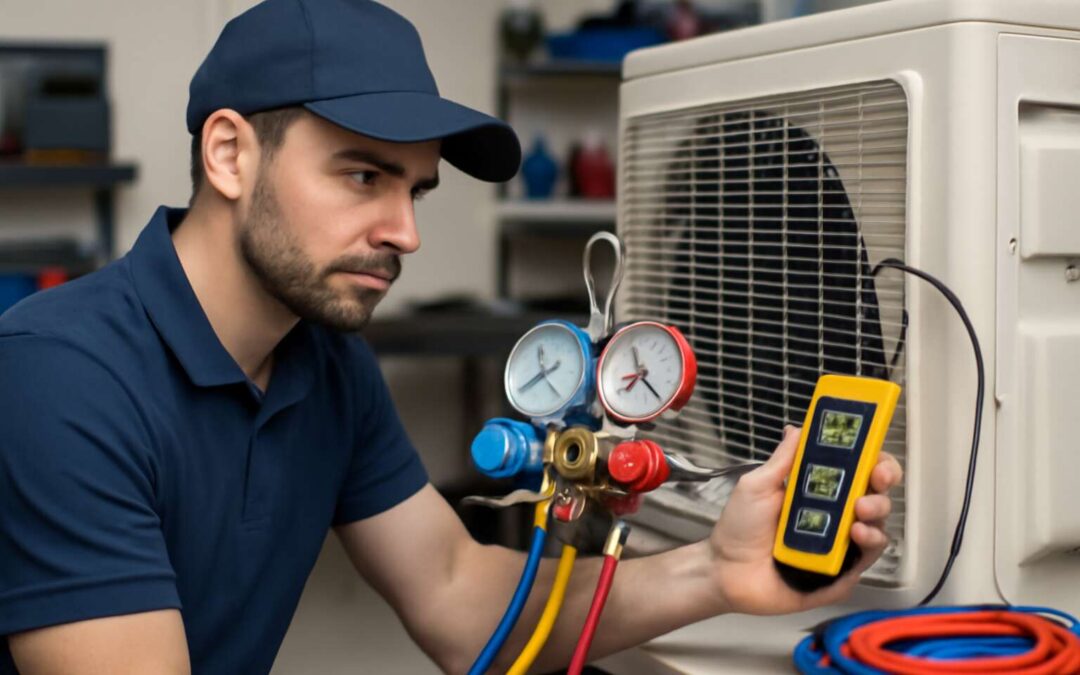
At the core, basic tools for installation and maintenance include sturdy screwdrivers, versatile pliers, and precise digital thermometers. Yet, the true professionals know that a well-stocked arsenal features more than just the basics. For example, manifold gauges are essential for accurately measuring refrigerant pressures, ensuring optimal system performance. Additionally, refrigerant leak detectors and vacuum pumps are indispensable in the quest to keep cool air flowing without a hitch.
- Refrigerant leak detectors
- Vacuum pumps
- Digital multimeters
- Wire strippers and crimpers
In essence, the right selection of air conditioning tools elevates troubleshooting from guesswork to a science. Whether you’re calibrating a thermostat or inspecting a compressor, these tools are the unsung heroes of HVAC mastery, turning complex tasks into straightforward procedures and ensuring every job ends with a breath of fresh air.
Specialized Refrigerant Recovery and Charging Equipment – Array
In the world of HVAC, precision is everything—especially when handling refrigerants. Specialized refrigerant recovery and charging equipment are vital for ensuring systems operate efficiently and safely. Unlike basic tools, these advanced devices are designed to extract refrigerant from a system with minimal environmental impact, preventing leaks that can compromise performance or harm the planet.
Refrigerant Recovery and Charging Equipment: A Vital Investment
For professionals committed to excellence, investing in reliable air conditioning tools like refrigerant recovery machines and charging units isn’t optional—it’s essential. These tools allow you to safely and accurately recover refrigerant, then charge the system with the correct amount, ensuring optimal cooling and energy efficiency. Proper recovery and charging not only prolong the lifespan of the system but also adhere to strict environmental standards.
Key components of this essential equipment include:
- Refrigerant recovery machines
- Charging hoses with precise gauges
- Refrigerant cylinders with accurate weight scales
With these air conditioning tools, technicians can troubleshoot complex refrigerant issues, avoiding costly mistakes and potential system failures. When every detail matters, specialised refrigerant recovery and charging equipment elevate your craftsmanship, turning complex refrigerant handling into a smooth, controlled process that respects both the environment and the needs of your clients.
Cleaning and Maintenance Tools – Array
In the intricate ballet of maintaining a comfortable indoor climate, the elegance of a well-kept air conditioning system often goes unnoticed—yet it hinges on the mastery of essential air conditioning tools. These tools are the unseen artisans, meticulously preserving the delicate balance between efficiency and longevity. For HVAC professionals, a keen eye for detail during cleaning and maintenance is paramount to ensuring systems run at peak performance.
While specialized refrigerant recovery and charging equipment handle the refrigerant’s delicate dance, the true artistry lies in the routine upkeep. Cleaning tools like vortex brushes, ultrasonic cleaners, and high-pressure air blowers breathe new life into coils, filters, and vents, preventing dust and debris from compromising system integrity. Maintaining a pristine environment inside the unit not only extends its lifespan but also enhances energy efficiency, saving clients money in the long run.
Among the must-have air conditioning tools are:
- Precision screwdrivers and torque wrenches for flawless assembly
- Vacuum pumps to clear out moisture and contaminants
- Infrared thermometers for accurate temperature readings
Each piece of equipment plays a vital role in the symphony of system optimisation. When delicate components are cleaned with care and precision, the result is an HVAC masterpiece—one that resonates with reliability and silent strength. These air conditioning tools transform routine maintenance into a craft, elevating the technician’s role from mere repairer to guardian of indoor comfort and environmental integrity.
Diagnostic and Testing Devices – Array
Within the shadowed corridors of HVAC mastery, diagnostic and testing devices serve as the arcane instruments revealing the hidden ailments of air conditioning systems. These tools pierce the veils of temperature and pressure, exposing secrets that lurk beneath the surface—an essential pursuit for those who seek perfection in indoor climate control. When systems falter or perform with unnatural sluggishness, it is these devices that unveil the spectral whispers of malfunction, guiding the technician’s hand with unerring precision.
Among the most vital are digital multimeters, pressure gauges, and clamp meters—each a vital thread in the fabric of system diagnosis. They allow the practitioner to decode complex signals and measure electrical currents, refrigerant pressures, and temperature differentials with uncanny accuracy. In the realm of air conditioning tools, diagnostic and testing devices are the sentinels standing watch, safeguarding the integrity of the system with silent vigilance.
For those who wish to delve deeper, a comprehensive inspection often involves an ordered approach:
- Assessing electrical components with multimeters
- Monitoring refrigerant pressures via manifold gauges
- Employing infrared thermometers to detect temperature anomalies
Each device plays a pivotal role in the grand theatre of system evaluation, transforming routine checks into an artful pursuit of perfection. In this dance of shadows and light, diagnostic and testing devices elevate the craft of air conditioning tools into something almost mystical—an essential ritual for the vigilant technician who guards indoor sanctuaries against the chaos of malfunction.
Safety Gear and Accessories – Array
Every HVAC professional knows that safety gear and accessories aren’t just optional extras—they’re the unsung heroes of the air conditioning tools arsenal. In a world where refrigerants can turn into toxic fumes faster than you can say “leak detection,” protective equipment becomes the first line of defence. From sturdy gloves and goggles to respirators that make you look like a science experiment gone right, these essentials shield technicians from potential hazards lurking in every system.
But safety isn’t solely about personal protection; organisation and accessibility also matter. Consider a rugged tool bag with compartments designed specifically for air conditioning tools—because nothing screams professionalism like a tidy, well-equipped technician ready for action. To keep everything in check, some opt for:
- High-quality safety glasses
- Anti-static gloves
- Refrigerant recovery masks
- Protective footwear designed for tough environments
In the realm of air conditioning tools, safety gear and accessories aren’t just accessories—they’re the armour that transforms a routine job into a safe and efficient mission. After all, a confident technician with the right safety gear is unstoppable—ready to tame even the most temperamental air conditioning systems with flair and finesse!
Top Features to Consider When Choosing Air Conditioning Tools
Durability and Build Quality – Array
Durability and build quality are the silent guardians of effective air conditioning tools. When investing in equipment that will withstand the rigours of daily use, it’s essential to look beyond superficial features and dive into the core craftsmanship. A robustly crafted tool not only ensures longevity but also guarantees precision, which is vital for maintaining optimal cooling performance.
In the realm of air conditioning tools, the choice of materials—such as reinforced aluminium or high-grade plastics—can significantly influence durability. An often-overlooked aspect is the assembly process; seamless, reinforced joints and high-quality screws prevent early wear and tear. Consider these critical elements:
- Corrosion resistance for tools exposed to refrigerants and moisture.
- Impact-resistant construction to withstand accidental drops.
- Ergonomic designs that reduce user fatigue without compromising strength.
Choosing air conditioning tools with superior build quality isn’t just about durability; it’s an investment in reliability and safety—fundamental pillars in the ongoing quest to master climate control.
Ease of Use – Array
In the intricate dance of climate mastery, ease of use often determines whether a skilled technician triumphs or falters. When selecting air conditioning tools, this attribute is the linchpin that transforms complex tasks into seamless operations. A tool that feels intuitive, with ergonomic handles and straightforward controls, reduces fatigue and sharpens precision—crucial factors in achieving perfect cooling harmony.
Imagine wielding equipment so well-designed that it becomes an extension of your own hand—effortless, natural, almost instinctive. The importance of intuitive operation cannot be overstated, for it accelerates workflows and diminishes errors. When evaluating air conditioning tools, pay close attention to features such as lightweight frames, clear digital displays, and easy-access adjustment points. These elements elevate the entire experience, making even the most demanding tasks manageable and efficient.
In essence, superior ease of use in air conditioning tools isn’t merely a convenience; it’s a vital ingredient in the recipe for professional excellence. After all, mastery hinges on simplicity and control—elements that turn technical prowess into artistry.
Compatibility and Versatility – Array
When selecting air conditioning tools, compatibility and versatility are often overlooked but are crucial for ensuring long-term efficiency and adaptability on the job. In a rapidly evolving industry, the ability of your tools to work seamlessly with different systems can save hours of frustration and prevent costly errors. A versatile set of air conditioning tools should adapt to various refrigerant types, system configurations, and brand specifications, making your work both flexible and future-proof.
Consider tools that offer compatibility with multiple refrigerants—r410a, r22, and newer eco-friendly options—as well as features that allow easy interchangeability of parts. This flexibility empowers technicians to handle diverse projects without constantly investing in new equipment. For example, multi-purpose manifold gauges and adaptive digital controllers epitomise this versatility, elevating the efficiency of every task undertaken.
By prioritising compatibility and versatility in your choice of air conditioning tools, you build a resilient toolkit capable of tackling a broad spectrum of challenges. This approach not only enhances productivity but also underpins the professional craft, turning routine maintenance into an exercise in mastery. After all, in the realm of climate control, adaptability is as vital as precision, ensuring your skills remain sharp regardless of the system in front of you.
Portability and Storage – Array
In the theatre of climate control, portability and storage are the unsung heroes that elevate an ordinary set of air conditioning tools to a professional’s trusted ensemble. The ability to transport your toolkit effortlessly from site to site, without sacrificing organisation or accessibility, can make the difference between a seamless installation and a frustrating delay. After all, effective storage isn’t merely about keeping tools tidy; it’s about safeguarding precision and longevity, ensuring every piece is ready when the moment calls for it.
Choosing tools with compact, lightweight design and modular storage solutions not only enhances mobility but also preserves the integrity of delicate instruments. Features such as stackable cases, padded compartments, and quick-access pockets facilitate swift transitions between tasks, sparking efficiency and confidence. When your air conditioning tools are optimally stored and easily portable, you can focus on the craft itself—delivering flawless results that stand as a testament to your professionalism.
- Lightweight construction for easy handling
- Robust, secure storage cases with customised compartments
- Modular systems allowing expansion as your toolkit evolves
- Ergonomic designs that reduce fatigue during long days
In a realm where precision meets practicality, prioritising portability and storage transforms your approach to HVAC projects, making each endeavour not just manageable but truly inspiring. After all, an elegant tool is one that moves with you—ready to face the next challenge with grace and efficiency. Truly, the right air conditioning tools are as much about mobility as they are about mastery of the craft.
Precision and Accuracy – Array
When selecting air conditioning tools, precision and accuracy are paramount, especially as the industry leans towards ever more sophisticated climate control systems. A slight miscalculation can lead to inefficiencies, increased energy costs, and customer dissatisfaction—none of which a professional wants to face. The best tools are those that marry technological finesse with reliability, ensuring every measurement and adjustment is spot-on.
Key features to consider include high-resolution digital displays, laser-guided measurements, and calibrated sensors that eliminate guesswork. These elements transform what could be a tedious task into a seamless process, saving precious time and ensuring optimal performance. Remember, in the world of air conditioning tools, accuracy isn’t just a feature—it’s the foundation of your craft.
- Advanced diagnostic capabilities to pinpoint issues swiftly.
- Built-in calibration options for maintaining measurement integrity.
- Compatibility with modern refrigerants and system types.
Choosing tools with these attributes equips you to deliver flawless installations, repairs, and maintenance—upholding your reputation as a true maestro of climate control. After all, mastery isn’t merely about knowledge; it’s about wielding the right air conditioning tools with precision and finesse.
Latest Innovations in Air Conditioning Tools Technology
Smart and IoT-Enabled Tools – Array
In the shadowed corridors of innovation, air conditioning tools are evolving beyond mere mechanical artefacts. The latest advances harness the silent, relentless pulse of the Internet of Things (IoT), transforming mundane devices into sentient guardians of climate control. These smart and IoT-enabled tools weave a complex web of connectivity, offering unprecedented precision and control that borders on the supernatural.
Imagine a world where your air conditioning tools communicate seamlessly, diagnosing faults before they become catastrophic. The integration of machine learning algorithms elevates efficiency, reducing downtime and energy wastage. For instance, intelligent sensors now monitor refrigerant levels and airflow, alerting technicians to issues long before symptoms manifest. This technological renaissance is not just about convenience but also about mastering the dark art of environmental mastery with finesse and forethought.
- Remote diagnostics via mobile apps
- Real-time data collection and analysis
- Automated calibration and adjustments
Energy-Efficient Tools – Array
The air conditioning tools industry is undergoing a silent revolution, driven by innovations that make traditional gadgets look like relics. Recent advances in energy-efficient tools are not just about saving the planet—they’re about saving your wallet too. Modern air conditioning tools harness cutting-edge technology to optimise energy consumption, making cooling systems smarter and more sustainable than ever before.
These innovations include sophisticated algorithms that fine-tune system performance, reducing energy wastage without sacrificing comfort. For example, some of the latest energy-efficient tools integrate seamlessly with building management systems, allowing real-time control and optimisation. The result? Lower utility bills and a significantly reduced carbon footprint. This fusion of efficiency and technology ensures that air conditioning tools are not just functional but also environmentally responsible.
Furthermore, the advent of hybrid systems combines traditional refrigerant-based cooling with innovative energy-saving features, pushing the boundaries of what air conditioning tools can achieve. As the demand for green solutions grows, so does the variety of energy-efficient tools available, promising a cooler future with a smaller ecological footprint. Staying ahead means investing in the latest innovations in air conditioning tools that prioritise both performance and sustainability.
Automation and Remote Control – Array
In the relentless pursuit of perfection, the latest innovations in air conditioning tools are transforming the way we manage climate control. Automation and remote control capabilities are no longer futuristic fantasies—they’re now essential features that elevate efficiency and convenience to unprecedented levels. Imagine adjusting your cooling system with a simple tap on your smartphone or setting schedules that optimise performance without manual intervention. This seamless integration of smart technology ensures that your air conditioning tools are not just functional but intuitive.
Advanced control systems leverage artificial intelligence to predict and respond to environmental changes, maintaining optimal comfort while conserving energy. Some of the most cutting-edge air conditioning tools feature voice command compatibility, turning your voice into the control centre. As a result, technicians and users alike gain real-time oversight, enabling swift diagnostics and adjustments. This level of automation is pushing air conditioning tools into an entirely new dimension, where precision meets convenience effortlessly.
- Remote access via mobile apps allows users to monitor and modify settings from anywhere in the world.
- Automated scheduling ensures efficient operation, reducing unnecessary energy consumption.
- Integration with building management systems creates a unified environment for optimised climate control.
With these technological leaps, air conditioning tools have become smarter, more adaptable, and incredibly user-friendly. As the digital landscape evolves, staying ahead means embracing these innovations—where automation and remote control are no longer optional but fundamental to modern HVAC solutions. The future of air conditioning tools is here, and it’s driven by the relentless march of technological progress that redefines how we cool and optimise our spaces.
Enhanced Safety Features – Array
In the ever-evolving realm of air conditioning tools, safety is no longer a mere afterthought but a cornerstone of innovation. The latest advancements harness cutting-edge technology to safeguard technicians and users alike, transforming traditional safety gear into intelligent, responsive systems. Imagine tools equipped with real-time hazard detection, alerting operators instantly to potential dangers before they manifest—this is the new frontier of air conditioning tools.
One of the most remarkable innovations is the integration of smart sensors that monitor environmental variables, such as refrigerant leaks or electrical faults, providing immediate feedback. These enhancements not only prevent accidents but also optimise maintenance workflows. To truly elevate safety standards, manufacturers are now embedding features like automated shut-off mechanisms and advanced protective casings, which work synergistically to create a fortress of security around vital components.
Furthermore, the adoption of safety protocols embedded within digital interfaces ensures compliance with industry regulations while streamlining the technician’s workflow. As the landscape of air conditioning tools continues to expand, these safety features serve as a testament to how technology can safeguard lives while enhancing operational efficiency. Truly, in this realm, safety isn’t just a feature—it’s the magic that empowers the modern HVAC professional.
Maintenance and Care Tips for Air Conditioning Tools
Regular Calibration and Testing – Array
Maintaining peak performance of your air conditioning tools isn’t just about keeping things running smoothly; it’s about ensuring every job is precise, safe, and efficient. Regular calibration and testing are the unsung heroes of this process, often overlooked but absolutely vital. Think of calibration as tuning a finely crafted instrument—neglect it, and you risk discordant results that could lead to costly mistakes or even safety hazards.
Scheduling routine calibration for your air conditioning tools guarantees that measurements stay accurate and consistent. It’s a bit like giving your tools a health check-up, which helps spot issues before they escalate into major problems. Testing also involves verifying that sensors and gauges are functioning within manufacturer specifications, ensuring reliability when it matters most.
To streamline this process, consider implementing a simple array of steps such as:
- Review calibration records regularly
- Use certified calibration standards for testing
- Keep a log of calibration dates and outcomes
By prioritising regular calibration and testing, you prolong the lifespan of your air conditioning tools while maintaining top-notch accuracy—because in this game, precision isn’t just a virtue; it’s a necessity.
Cleaning and Storage – Array
Proper cleaning and storage of your air conditioning tools can dramatically extend their lifespan and maintain optimal performance. After a busy day working on a heating, ventilation, and air conditioning (HVAC) job, it’s tempting to leave tools in a hurry. However, neglecting routine care can lead to corrosion, dirt buildup, and unnecessary wear.
A simple yet effective habit is to wipe down your air conditioning tools after each use, removing dust, refrigerant residues, and debris. Store them in a dry, organised space—preferably in labelled compartments or a sturdy toolbox—so you can easily find what you need when a project calls.
Consider the following steps for maintenance and care:
- Clean tools thoroughly with appropriate solvents or brushes.
- Ensure all moving parts are lubricated and free of corrosion.
- Keep tools in a climate-controlled environment to prevent rust.
- Regularly inspect for damage or signs of wear, replacing parts as necessary.
By treating your air conditioning tools with care, you not only preserve their integrity but also guarantee their accuracy and safety for future use. Nothing beats the satisfaction of knowing your equipment is ready for the next challenging job!
Upgrading and Replacing Old Tools – Array
Maintaining the efficacy of your air conditioning tools is crucial, especially as technology advances and tools become more sophisticated. Regularly upgrading and replacing old tools not only ensures accuracy but also enhances safety and efficiency on every job. Over time, even the most durable air conditioning tools can lose precision or develop wear that compromises their performance. Recognising when to retire outdated equipment is essential for staying ahead in the competitive field of HVAC work.
One effective approach is to establish a routine inspection schedule. Look out for signs such as corrosion, cracks, or inconsistent readings. When tools no longer meet the required standards, it’s time for replacement. Sometimes, investing in newer, more advanced air conditioning tools can reduce job time and increase reliability. Modern tools often come with improved features such as enhanced safety mechanisms, better ergonomics, and compatibility with smart technology, making them an invaluable upgrade.
- Assess the condition of your current tools regularly.
- Stay informed about the latest innovations in air conditioning tools.
- Prioritise replacing tools that show significant wear or have become outdated.
Upgrading your equipment is not just about keeping pace; it’s about ensuring safety, precision, and operational efficiency. The right choice of air conditioning tools can transform complex tasks into straightforward jobs, making your work more productive and less prone to error. After all, investing in quality tools is an investment in the quality of your service and the satisfaction of your clients.
Where to Buy High-Quality Air Conditioning Tools
Reputable Brands and Manufacturers – Array
Finding reliable sources for high-quality air conditioning tools can be a daunting task, especially when precision and durability are non-negotiable. Reputable brands and manufacturers stand out by offering tools that meet stringent standards, ensuring both safety and efficiency on the job. Many professionals trust established names such as Klein Tools, Mastercool, and Yellow Jacket, known for their innovation and long-lasting build quality.
When searching for where to buy these essential air conditioning tools, consider authorised distributors and specialised suppliers who focus solely on HVAC equipment. These vendors often provide a broader selection of the latest models, including smart and IoT-enabled tools that enhance diagnostic accuracy and ease of use.
- authorised HVAC tool distributors
- specialised equipment suppliers
- trusted online marketplaces with verified reviews
Choosing reputable brands ensures that every tool you purchase not only performs reliably but also contributes to safer, more efficient installations and maintenance.
Online Retailers and Distributors – Array
In the shadowy realm of HVAC mastery, the quest for high-quality air conditioning tools can feel like navigating a labyrinth of dubious sources and counterfeit wares. Yet, the discerning professional understands that the true power lies in where these vital implements are procured. Trusted online retailers and authorised distributors serve as the gateways to authentic, durable equipment, shielding you from the peril of inferior craftsmanship.
For those who seek the finest, selecting specialised HVAC equipment suppliers often guarantees a curated selection of the latest models—smart, IoT-enabled tools that bring a new level of diagnostic precision. Among the most reputable sources, you might consider:
- Official distributor websites with verified reviews, ensuring each purchase is backed by transparency and reliability.
- Specialised equipment suppliers who focus exclusively on HVAC tools, offering tailored solutions for every clandestine need.
- Trusted online marketplaces with a proven track record for quality assurance and customer satisfaction.
In this shadowy landscape, where precision is paramount, choosing the right source for your air conditioning tools can mean the difference between a successful installation and a spectral failure. The allure of authentic equipment beckons those who dare to seek excellence in every bolt and sensor.
Local Suppliers and Hardware Stores – Array
When it comes to sourcing top-notch air conditioning tools, local suppliers and hardware stores remain the unsung heroes of the HVAC world. These neighbourhood stalwarts often boast a treasure trove of high-quality equipment, readily available for those urgent jobs or last-minute upgrades. Unlike their online counterparts, they offer the tangible satisfaction of inspecting tools firsthand, feeling the heft of a wrench, or evaluating the precision of a digital manifold gauge.
Many seasoned professionals swear by the reliability of established hardware stores, which sometimes even host specialised sections dedicated solely to HVAC equipment. For those seeking specific items, such as refrigerant recovery devices or diagnostic testers, a quick visit can often lead to discovering rare, premium-quality air conditioning tools that aren’t always listed online.
To streamline your search, consider this simple approach:
- Visit your local hardware store, ideally one with a dedicated HVAC section.
- Ask the staff about their selection of air conditioning tools—knowledgeable personnel can often recommend trusted brands or new arrivals.
- Inspect the tools for build quality and compatibility with your existing equipment—nothing beats the feel of a well-made wrench or tester in your hand.
While online options are tempting, nothing quite beats the immediacy and tactile assurance of local suppliers. After all, when precision and durability are non-negotiable, the neighbourhood hardware store can sometimes be your best bet for sourcing air conditioning tools that promise longevity and performance.
by | Jul 21, 2025 | Air Conditioning
Understanding the Benefits of Air Conditioning in Cape Town
Enhanced Comfort During Hot Summers
In Cape Town’s sultry summers, where temperatures can soar beyond 30°C, the comfort of a well-functioning air conditioning system becomes more than a luxury—it’s a necessity. Imagine stepping into your home or office after a sweltering day and being greeted by a cool, refreshing breeze that instantly alleviates the oppressive heat. This is the transformative power of air conditioning Cape Town users rely on to maintain a sanctuary amidst the summer’s relentless warmth.
Beyond mere comfort, air conditioning in Cape Town offers a profound sense of well-being. It helps regulate humidity levels, reducing the discomfort caused by excessive moisture and preventing the growth of mould. Additionally, modern systems are designed to optimise energy efficiency, ensuring that cooling is sustainable and cost-effective. The right installation can make a significant difference, turning a passive space into an oasis of tranquility.
For those seeking enhanced comfort during hot summers, understanding the benefits of air conditioning Cape Town provides is essential. It’s not just about cooling; it’s about creating a healthier, more productive environment that withstands the test of Cape Town’s intense summer days.
Improved Indoor Air Quality
In the bustling heart of Cape Town, where urban life often intertwines with the natural elements, maintaining a healthy indoor environment is paramount. Air conditioning Cape Town systems do more than just cool; they significantly enhance indoor air quality, creating a space that feels both fresh and safe. Modern air conditioning units are equipped with advanced filters that trap dust, pollen, and even microscopic pollutants, which can otherwise circulate freely and compromise respiratory health.
For families, professionals, and anyone seeking a healthier living or working environment, understanding the profound impact of air conditioning Cape Town is crucial. By investing in systems with superior filtration capabilities, residents can enjoy cleaner air year-round. This not only reduces allergy symptoms and respiratory discomfort but also contributes to overall well-being, especially during the city’s notorious wildfire seasons or humid summer months.
In essence, proper air conditioning in Cape Town is an investment in health and comfort. It ensures that indoor spaces remain sanctuary-like, free from the allergens and pollutants that threaten to disrupt everyday life. Truly, the right system can transform a simple room into a haven of crisp, invigorating air.
Energy Efficiency and Cost Savings
In the vibrant city of Cape Town, where the sun’s relentless gaze can turn even the coolest spaces into furnaces, choosing energy-efficient air conditioning Cape Town systems transforms a mere convenience into a beacon of sustainable living. Modern units are crafted with ingenuity, balancing powerful cooling capabilities with minimal energy consumption. This harmony not only reduces your carbon footprint but also significantly cuts down on monthly electricity bills, making the investment both environmentally and financially rewarding.
As the city’s residents well know, soaring energy costs can swiftly overshadow comfort. Opting for energy-efficient air conditioning Cape Town units ensures you enjoy a cool sanctuary without the guilt of excessive resource use. Advanced features, such as inverter technology and smart controls, optimise performance, ensuring the system adapts seamlessly to your needs. For those seeking to maximise savings, choosing systems with high SEER ratings and environmentally friendly refrigerants can make all the difference—here’s what to consider:
- Lower electricity consumption
- Reduced greenhouse gas emissions
- Long-term financial savings
In a city where the climate shifts from warm summers to mild winters, energy-efficient air conditioning in Cape Town is not just a luxury but a wise investment. It grants residents the power to enjoy a comfortable, healthier environment while respecting the natural beauty that surrounds this captivating city. Truly, harnessing advanced cooling technology unlocks a harmonious blend of comfort, savings, and sustainability—turning every indoor moment into a refreshing escape from Cape Town’s fiery sun.
Protection of Electronic Devices
In a city where the sun’s relentless blaze can turn even the most resilient electronics into sluggish, overheating messes, the role of air conditioning Cape Town extends beyond mere comfort. It becomes a sentinel guarding our technological sanctuaries, ensuring the longevity and optimal functioning of our electronic devices.
Heat is not just a nuisance; it’s a silent adversary that accelerates wear and tear, shortens the lifespan of gadgets, and compromises performance. An effective air conditioning Cape Town system acts as a shield—regulating indoor temperatures and stabilising the environment. This protection preserves your investment in electronics, from computers to home entertainment systems, safeguarding them against the damaging effects of heat and humidity.
- Preventing overheating and hardware failure
- Maintaining stable operating conditions for sensitive equipment
- Reducing dust and moisture that can cause corrosion and malfunctions
With the unpredictable Cape Town climate, choosing the right air conditioning Cape Town unit is not just a matter of comfort, but of safeguarding your technological ecosystem. It’s a quiet, yet powerful act of preservation—an essential component in the pursuit of longevity and resilience in our modern lives.
Types of Air Conditioning Systems Suitable for Cape Town Homes and Businesses
Split System Air Conditioners
In the vibrant tapestry of Cape Town’s climate, choosing the right air conditioning system is akin to finding a loyal companion for the sweltering summer days. With temperatures often soaring beyond 30°C, homeowners and businesses alike seek solutions that blend reliability with sophistication. Among the myriad options, split system air conditioners stand out as a favourite, seamlessly integrating into both cosy homes and bustling commercial spaces.
Split system air conditioners are celebrated for their versatility and efficiency, offering targeted cooling that doesn’t compromise on energy consumption. Their sleek design and quiet operation make them ideal for indoor environments where comfort is paramount. For larger spaces or buildings with multiple zones, multi-split systems provide the flexibility to cool different areas independently, conserving energy while enhancing comfort.
- Wall-mounted units that blend effortlessly with modern interiors
- Ceiling cassette units, discreet and unobtrusive, perfect for commercial settings
- Portable units for temporary relief during unexpected heatwaves
In the realm of air conditioning cape town, the choice of system can transform indoor spaces into sanctuaries of coolness, even amidst the fiercest summer storms. The right system not only cools but elevates the entire experience of comfort and convenience.
Multi-Split and Ducted Systems
When it comes to air conditioning cape town, one size definitely doesn’t fit all. For homes and businesses craving custom comfort, multi-split and ducted systems offer the perfect solution—think of them as the tailored suits of cooling technology. Multi-split systems are particularly popular in Cape Town’s diverse climate, allowing you to cool multiple rooms independently without turning your entire property into a chilly wasteland. It’s like having a personal summer relief squad stationed in every corner of your building.
Meanwhile, ducted air conditioning systems are the silent heroes of seamless cooling, hidden away behind ceilings and walls. They create a uniform, whisper-quiet climate control that keeps your space feeling effortlessly comfortable. Whether you’re considering a sleek multi-split setup for a boutique hotel or a discreet ducted system for a sprawling office, these options are designed to blend into Cape Town’s vibrant architectural landscape while offering maximum efficiency.
Portable Air Conditioners
In the vibrant tapestry of Cape Town’s climate, choosing the right air conditioning system can feel like selecting a trusted companion for every season. For homes and businesses seeking versatility and effortless comfort, portable air conditioners emerge as a champion among the many options. These mobile marvels offer immediate relief on scorchingly hot days, transforming sweltering rooms into cool retreats with the flick of a switch. Their portability makes them perfect for rental properties or spaces where permanent installations are impractical.
While traditional systems offer seamless integration into architectural designs, portable units provide a flexible alternative—no complex installation required. They are particularly suited for short-term cooling needs or spaces where customised climate control isn’t necessary. For those seeking a balance between ease of use and cooling efficiency, portable air conditioners are an enchanting solution, especially in the unpredictable Cape Town weather.
Carrrier and Ductless Units
Choosing the optimal air conditioning system for Cape Town’s unique climate is more than a matter of convenience—it’s a reflection of how we adapt to our environment’s unpredictable temperament. In the quest for indoor harmony, Carrier and ductless units stand out as particularly fitting options. Carrier systems are renowned for their reliability and advanced technology, providing consistent cooling that withstands Cape Town’s hot summers and chilly winters. Their durability ensures long-term comfort, making them a wise investment for both homes and businesses.
Ductless units, on the other hand, embody flexibility and efficiency. These systems are seamlessly integrated into existing structures, offering zoned cooling without the need for extensive renovations. Their discreet design and energy-saving features make them ideal for spaces where traditional ducted systems are impractical or undesirable. For those seeking a tailored climate solution that respects the architectural integrity of their Cape Town property, ductless air conditioning units are an elegant choice.
Factors to Consider When Choosing an Air Conditioner in Cape Town
Cooling Capacity and Size
Choosing the right air conditioning in Cape Town isn’t simply about cooling a room; it’s about understanding the delicate balance between cooling capacity and size. An air conditioner that’s too powerful can lead to unnecessary energy consumption, while one that’s too small will struggle to keep pace with the sweltering summer heat. The key lies in assessing the unique characteristics of your space—its size, insulation, layout, and the typical heat load—so that your investment delivers optimal comfort without excess. In Cape Town, where temperatures can soar unexpectedly, selecting a unit with appropriate cooling capacity ensures a consistent indoor climate, allowing residents to enjoy a sanctuary amidst the urban hustle. Remember, a well-sized air conditioning unit isn’t just about comfort; it’s also about efficiency and longevity, making it an essential consideration for anyone seeking the best air conditioning Cape Town has to offer.
Energy Efficiency Ratings
In the quest for ultimate comfort, energy efficiency ratings become a vital consideration when selecting an air conditioning unit in Cape Town. With temperatures frequently soaring beyond normal expectations, a highly efficient system doesn’t merely cut costs — it elevates your entire living experience. An air conditioning Cape Town that boasts a top-tier energy efficiency rating ensures you enjoy cool relief without the burden of excessive electricity bills, especially during those sweltering summer days.
To make an informed choice, it’s essential to understand the various efficiency ratings, such as the SEER (Seasonal Energy Efficiency Ratio) and EER (Energy Efficiency Ratio). Units with higher ratings promise superior performance and lower operational costs. When browsing options, consider models that balance impressive energy ratings with practical cooling capacity. This harmonious blend guarantees your home remains a sanctuary of coolness, even amid Cape Town’s unpredictable heat waves.
Ultimately, prioritising energy efficiency in your air conditioning Cape Town installation isn’t just about saving money — it’s about embracing a sustainable lifestyle that respects both your comfort and the environment. A well-chosen unit with excellent efficiency ratings will serve you faithfully, blending elegance with function, and ensuring your home remains a haven against Cape Town’s fiery sun.
Climate Suitability
Choosing the right air conditioning Cape Town system isn’t just about coolness; it’s about ensuring your investment suits the city’s capricious climate. With summer temperatures often soaring past 30°C, your unit needs to handle more than just a mild breeze. Climate suitability becomes the backbone of your decision-making process, helping you avoid a frosty disappointment or an overworked machine that’s more drama than relief.
Factors like humidity levels, temperature fluctuations, and even your home’s insulation play a role in what makes an air conditioning Cape Town unit truly effective. For instance, a poorly matched system might struggle during peak heat or cause unnecessary energy consumption when the weather cools down unexpectedly. To navigate this, consider consulting experts who can recommend units with adaptable cooling features and robust performance under Cape Town’s unique weather patterns. When you get it right, your air conditioning Cape Town experience transforms from a mere convenience into a cornerstone of your home’s comfort fortress.
Maintenance and Durability
When selecting an air conditioning Cape Town system, durability and ease of maintenance are often overlooked but are crucial for long-term satisfaction. With Cape Town’s unpredictable weather and frequent power surges, a robust unit can mean the difference between reliable comfort and costly repairs. A durable air conditioning Cape Town unit can withstand high temperatures, humidity, and the city’s notorious voltage fluctuations, ensuring your investment remains resilient against environmental stressors.
Maintenance becomes a pivotal factor; a well-maintained system not only prolongs lifespan but also sustains peak performance. Regular servicing, including filter replacements and system inspections, prevents breakdowns and keeps energy consumption in check. Opting for models with accessible components and straightforward servicing procedures can save both time and money.
Ultimately, choosing an air conditioning Cape Town unit that balances longevity with ease of maintenance means fewer surprises and more consistent comfort—an essential consideration in a city where climate unpredictability is the norm. Remember, investing in quality now can shield you from the supernaturally sudden heatwaves that frequently sweep through the city!
Top Air Conditioning Brands and Manufacturers in Cape Town
Leading International Brands
When it comes to choosing top-tier air conditioning in Cape Town, only the most trusted brands can deliver the promise of cool relief amidst the city’s sweltering summers. International manufacturers like Carrier, Daikin, and Mitsubishi Electric are renowned globally for their innovation and reliability, and they hold a strong presence in Cape Town’s thriving HVAC market. These brands are known for pushing boundaries, combining cutting-edge technology with energy-efficient designs that stand the test of time.
In fact, many local homeowners and businesses turn to these international giants because their products not only guarantee superior cooling but also offer longevity and peace of mind. For those seeking a premium experience, Carrier and Ductless units exemplify the pinnacle of air conditioning Cape Town has to offer. Their reputation for durability and advanced features makes them a preferred choice for discerning clients across the region.
Trusted Local Brands
When it comes to choosing the best air conditioning in Cape Town, the reputation of the brand truly matters. Local homeowners and businesses alike often lean on trusted manufacturers whose products stand the test of time and climate. These brands have built a reputation for durability, energy efficiency, and innovative technology, ensuring that every cooling solution meets the unique demands of Cape Town’s climate.
Among the most respected names are Carrier, Daikin, and Mitsubishi Electric. These international giants dominate the air conditioning Cape Town market, offering a diverse range of systems that cater to both residential and commercial needs. Their units are celebrated for their reliability and advanced features, providing peace of mind even during the hottest summer days.
- Carrier’s commitment to energy-efficient systems ensures optimal cooling without sky-high electricity bills.
- Daikin’s reputation for quiet operation and sleek design makes it a popular choice for comfort and aesthetics.
- Mitsubishi Electric’s multi-split systems are ideal for versatile cooling solutions in larger spaces.
With such reputable international brands available, residents and businesses in Cape Town can rest assured they’re investing in quality air conditioning in Cape Town that promises lasting performance and exceptional comfort.
Comparing Warranty and After-Sales Service
When selecting the top air conditioning brands in Cape Town, warranty and after-sales service become critical factors. A reliable warranty not only safeguards your investment but also reflects the manufacturer’s confidence in their product’s durability. In Cape Town’s demanding climate, having prompt and efficient after-sales support can mean the difference between a cool summer and a sweaty nightmare.
Many international brands, such as Carrier, Daikin, and Mitsubishi Electric, stand out for their comprehensive warranty packages and dedicated service networks. These companies offer warranties ranging from five to ten years, covering parts and labour, providing peace of mind for residential and commercial clients alike.
In addition to warranty coverage, the quality of after-sales service often determines long-term satisfaction. Reputable service providers in Cape Town partner directly with these brands, ensuring quick response times and expert repairs. For those seeking a seamless cooling experience, choosing a trusted brand with a solid after-sales reputation is paramount.
It’s no surprise that in the competitive air conditioning cape town market, consumers prioritise brands that combine warranty security with exceptional support, ensuring their cooling systems remain efficient, reliable, and ready to face any heatwave head-on.
Professional Installation and Maintenance Services in Cape Town
Importance of Qualified Technicians
In the realm of air conditioning Cape Town, the true magic begins with professional installation and meticulous maintenance. It’s not enough to simply acquire a unit; the skill of qualified technicians transforms a mere appliance into a symphony of cool comfort and efficiency. When experts handle the installation, they ensure optimal placement, sealing, and calibration—crucial steps that safeguard the system’s longevity and performance.
Maintaining your air conditioning system isn’t just about cleanliness; it’s an act of safeguarding your investment and ensuring sustained comfort. Skilled technicians conduct thorough inspections, clean vital components, and fine-tune settings, preventing issues before they manifest into costly repairs. Think of it as an ongoing dance—each service session prolongs the lifespan of your unit and enhances its energy efficiency.
- Expert assessment of cooling capacity and size to match your space.
- Precise refrigerant handling to optimise energy use.
- Comprehensive checks on electrical connections and airflow.
Entrusting your air conditioning Cape Town system to seasoned professionals guarantees a seamless blend of comfort, durability, and peace of mind—qualities that only true specialists can deliver with finesse.
Maintenance Packages and Servicing Schedules
In the bustling heart of Cape Town, where temperatures can soar to blistering heights, the difference between fleeting comfort and enduring serenity lies in the precision of professional installation and maintenance services for air conditioning systems. It’s not merely about selecting a unit but entrusting seasoned experts to orchestrate a seamless integration into your space. Proper installation ensures optimal placement, efficient sealing, and precise calibration—elements that collectively prolong the lifespan of your air conditioning cape town system and maximise energy efficiency.
To sustain peak performance, comprehensive maintenance packages and well-structured servicing schedules are indispensable. Regular inspections by qualified technicians encompass cleaning vital components, fine-tuning settings, and conducting thorough electrical and airflow checks. This ongoing care preemptively addresses potential issues, reducing the risk of costly repairs and ensuring the system continues to operate at its best. An effective maintenance plan might include:
- Scheduled filter replacements
- Refrigerant level assessments
- Electrical system inspections
- Airflow optimisation
Investing in expert services for your air conditioning cape town system guarantees a harmonious balance of comfort, durability, and energy efficiency—an essential harmony in a city where climate demands are as dynamic as the landscape itself.
Troubleshooting Common Issues
In the vibrant tapestry of Cape Town’s climate, the importance of professional installation and maintenance services for air conditioning cape town cannot be overstated. A system expertly installed by seasoned technicians ensures perfect placement, airtight sealing, and precise calibration—factors that enhance energy efficiency and extend the lifespan of your unit. When it comes to troubleshooting common issues, having access to knowledgeable specialists makes all the difference. They can swiftly diagnose problems such as inconsistent cooling, strange noises, or electrical faults, often preventing minor inconveniences from escalating into costly repairs.
Regular maintenance is a vital safeguard for your air conditioning cape town system. Qualified technicians may perform tasks like:
- Cleaning filters and coils
- Refrigerant assessments
- Electrical system inspections
By investing in expert services, homeowners and businesses in Cape Town ensure their air conditioning units operate at peak performance, even amidst the city’s ever-changing climate. This harmony of functionality and durability not only guarantees comfort but also preserves the integrity of your investment in the long term.
Cost of Installing Air Conditioning in Cape Town
Price Range for Different Systems
The financial investment required to install air conditioning in Cape Town varies dramatically depending on the system chosen, yet it remains a crucial consideration for discerning homeowners and businesses alike. A basic split system, suitable for smaller spaces, typically falls within a price range of R10,000 to R20,000, offering reliable cooling with minimal fuss. In contrast, larger or more sophisticated setups, such as multi-split or ducted systems, can escalate to R50,000 or more, reflecting their capacity to cool entire buildings efficiently.
When evaluating the cost of air conditioning Cape Town residents face, it’s essential to consider not only the initial installation but also the long-term energy savings and maintenance costs. Factors like cooling capacity, energy efficiency ratings, and brand reputation influence pricing, with premium international brands often commanding higher premiums.
- Installation complexity
- Size and capacity of units
- Type of system selected
All these elements shape the final investment, making it vital to partner with qualified technicians who can tailor solutions to specific space requirements while ensuring durability and optimal performance.
Factors Affecting Installation Costs
The cost of installing air conditioning in Cape Town hinges on several critical factors. First, the size and cooling capacity of the system directly influence the price. Larger spaces demand more powerful units, which naturally cost more to install. Additionally, the type of system selected — whether a split system, multi-split, or ducted setup — plays a significant role in the overall expense.
Complexity of installation is another key element. Homes with limited access or older structures may require specialised work, driving up costs. Here’s a quick overview of what influences pricing:
- Size and capacity of the unit
- Type of air conditioning system chosen
- Installation complexity and site conditions
- Energy efficiency ratings and brand reputation
- Additional features like zoning or smart controls
Partnering with experienced, qualified technicians ensures that the investment in air conditioning Cape Town residents make is maximised. Proper installation not only improves performance but also reduces long-term maintenance costs, making it an essential consideration for discerning homeowners and business owners alike.
Budgeting for Regular Maintenance
Investing in air conditioning cape town is more than just a purchase; it’s a commitment to comfort and quality of life. However, budgeting for regular maintenance is equally vital to ensure your system functions optimally year-round. Routine servicing can significantly extend the lifespan of your unit and prevent costly repairs down the line. Many homeowners find that allocating a small annual fee for maintenance packages provides peace of mind and consistent performance.
Maintenance costs vary depending on the type and complexity of your air conditioning system. For example, split system units might require more frequent filter changes and coil cleaning, while ducted systems need thorough inspections of the entire ductwork. To keep things straightforward, consider this simplified overview:
- Annual inspection and cleaning of filters and coils
- Checking refrigerant levels and electrical connections
- Ensuring thermostats and controls are functioning correctly
- Assessing duct integrity and airflow (for ducted systems)
Partnering with trusted, qualified technicians in air conditioning cape town not only safeguards your investment but also ensures that each maintenance visit is thorough and precise. Regular upkeep isn’t just about longevity—it’s about maintaining the comfort and efficiency that makes Cape Town’s hot summers bearable and your indoor environment truly refreshing. After all, a well-maintained system brings peace of mind and savings that last for years to come.
Environmental Considerations and Energy Savings Tips
Eco-Friendly Refrigerants
As the demand for air conditioning Cape Town continues to soar, so does the importance of making environmentally conscious choices. Modern eco-friendly refrigerants are transforming the industry, reducing the carbon footprint of cooling systems while maintaining peak performance. These refrigerants, such as R32 and hydrofluoroolefins (HFOs), offer a lower global warming potential compared to traditional options, making them an essential consideration for sustainable cooling solutions.
Energy savings also play a pivotal role in eco-friendly air conditioning. Implementing smart thermostat controls and choosing systems with high energy efficiency ratings can significantly cut electricity consumption. For those committed to green living, integrating renewable energy sources like solar power not only diminishes reliance on fossil fuels but also maximises the environmental benefits of air conditioning Cape Town installations.
- Opt for units with eco-friendly refrigerants
- Utilise programmable thermostats
- Consider solar-powered systems
Adopting these strategies ensures that cooling comfort does not come at the expense of the planet, allowing residents and businesses in Cape Town to enjoy a cooler environment while championing sustainability. Every choice, from refrigerant type to energy-saving tips, shapes a greener future—one breath of fresh, clean air at a time.
Energy-Saving Settings and Usage Tips
In a city where the sun’s relentless gaze can turn even the sturdiest buildings into saunas, environmental considerations in air conditioning Cape Town are more vital than ever. The lush landscapes and coastal breezes may seem to promise respite, but the demand for cooling solutions continues to grow exponentially, urging us to adopt sustainable practices that respect our fragile ecosystem. Opting for systems that utilise eco-friendly refrigerants not only reduces the carbon footprint but also preserves the natural beauty that makes Cape Town unique.
Energy savings are equally crucial in this pursuit of sustainability. Modern air conditioning Cape Town units with advanced energy efficiency ratings and smart technology are transforming the way we cool our spaces. For instance, utilising programmable thermostats allows precise control over temperature, preventing unnecessary energy use. Additionally, integrating solar-powered systems harnesses Cape Town’s abundant sunshine, turning sunlight into an ally rather than a foe in our quest for greener living. Such strategies enable residents and businesses alike to enjoy the comfort of cool interiors without compromising the planet’s health.
Incorporating Cooling with Home Insulation
In Cape Town, where the sun’s relentless blaze transforms every corner into a shimmering heatwave, integrating environmental considerations into air conditioning Cape Town becomes a vital pursuit. The city’s striking landscapes and cool coastal breezes offer natural relief, yet the surge in cooling demands underscores the need for sustainable solutions that minimise ecological impact. Opting for eco-friendly refrigerants in air conditioning systems not only reduces carbon emissions but also helps preserve the city’s pristine beauty—an essential step towards a greener future.
Harnessing the power of home insulation can further amplify energy savings. Proper insulation acts as a barrier, keeping cool air inside while blocking out the sweltering heat, making your air conditioning Cape Town units work more efficiently. Combining insulation with energy-saving settings, such as programmable thermostats and smart controls, allows residents to fine-tune indoor temperatures without unnecessary energy expenditure. As Cape Town’s sunny days stretch longer, integrating solar-powered cooling solutions can turn sunshine into a sustainable ally, transforming the way we stay cool while respecting our environment.
Frequently Asked Questions About Air Conditioning in Cape Town
How often should I service my air conditioner?
In the relentless pursuit of comfort amid Cape Town’s sweltering summers, understanding how often to service your air conditioning system becomes a critical question. An efficient air conditioning cape town solution isn’t just about cooling; it’s about preserving the delicate balance between performance and longevity. Over time, dust, mould, and wear can silently compromise your unit’s effectiveness, leading to higher energy bills and potential breakdowns.
Generally, expert technicians recommend scheduling a professional service at least once a year. However, if your air conditioning cape town system operates continuously or in a high-traffic environment, bi-annual inspections might be wise. Regular servicing helps identify issues early, ensuring your system remains optimally efficient and extends its lifespan. Remember, neglected maintenance can turn a cooling necessity into a costly inconvenience—something no homeowner in Cape Town wants to face during peak heat!
What size of unit do I need for my space?
Choosing the correct size for your air conditioning cape town system is not merely a matter of plugging numbers into a formula; it’s an intricate dance between spatial awareness and thermal dynamics. An undersized unit struggles to cool effectively, leaving residents drenched in discomfort, while an oversized system cycles excessively, wasting energy and increasing wear. The key lies in understanding the unique demands of your space—its size, insulation, and sunlight exposure.
To help navigate this complexity, consider these essential factors:
- Room dimensions (length, width, and height)
- Number of occupants and electronic devices generating heat
- Sunlight exposure and window orientation
- Insulation quality and building materials
In Cape Town, where the climate can swing from mild to scorching within a single day, selecting an appropriately sized air conditioning cape town unit is vital. Consulting a qualified technician ensures your choice aligns precisely with your space’s cooling needs, providing optimal comfort without unnecessary energy expenditure. Remember, an ill-fitting system not only hampers performance but can also diminish the lifespan of your investment—something every homeowner in Cape Town should avoid!
Are there eco-friendly options available?
Eco-friendly options for air conditioning in Cape Town are becoming increasingly popular. With rising environmental awareness, many homeowners and businesses seek systems that reduce their carbon footprint. In Cape Town’s climate, choosing an air conditioning unit that utilises eco-friendly refrigerants not only helps the environment but also ensures compliance with international standards. These refrigerants, such as R32 or R290, have lower global warming potential and are safer for the ozone layer.
Furthermore, energy-efficient models can significantly lower electricity consumption, leading to cost savings and a smaller environmental impact. Many leading international brands now offer eco-friendly air conditioning Cape Town units designed with sustainability in mind. When selecting a system, consider one with high energy efficiency ratings and a low environmental impact. Consulting a qualified technician ensures you find a system that balances performance with eco-conscious features, making your cooling solution both sustainable and reliable.
How long does installation typically take?
The question of how long it takes to install air conditioning in Cape Town often sparks curiosity among homeowners eager to beat the heat. Typically, the duration depends on the type of system and the complexity of the installation site. For a standard split system, the process usually spans between 4 to 8 hours, allowing technicians to efficiently set up the unit and ensure optimal performance. However, more intricate setups, such as ducted systems or multi-split configurations, might require a full day or slightly longer.
Factors influencing installation time include the accessibility of the installation site, existing infrastructure, and customisation requirements. In some cases, additional work like electrical upgrades or ductwork modifications could extend the timeline. To minimise disruption, consulting with a qualified air conditioning Cape Town technician beforehand can provide clarity on what to expect. Knowing the process and timeframes helps in planning, ensuring your home remains cool and comfortable without unnecessary delays.
by | Jul 18, 2025 | Air Conditioning
Understanding Air Conditioning O Rings
What Are Air Conditioning O Rings?
In the grand symphony of climate control, air conditioning o rings play a silent yet vital role—like enchanted seals guarding the delicate balance of coolant flow. These tiny marvels, often overlooked, are the unsung heroes ensuring your cooling system functions with seamless precision. Their importance is underscored by the fact that a single faulty air conditioning o ring can lead to refrigerant leaks, causing inefficiency and potential system failure.
What exactly are air conditioning o rings? Imagine them as enchanted rings of resilient rubber or synthetic material, crafted specifically to create airtight seals within the complex labyrinth of your AC system. They fit snugly into fittings, preventing the escape of refrigerant and ensuring optimal pressure levels. Without these small but mighty components, the entire system’s harmony could be disrupted, turning a cool sanctuary into a hot mess!
- Durability in extreme conditions
- Ability to withstand refrigerant exposure
- Flexibility to accommodate system vibrations
In essence, air conditioning o rings are the guardians of efficiency, quietly working behind the scenes to keep your environment perfectly tempered. Their role may be modest in size, but their impact is monumental—an elegant testament to the marvels of engineering within every air conditioning system.
Materials Used in O Rings for HVAC Systems
Understanding the materials used in air conditioning o rings reveals a fascinating intersection of resilience and precision. These tiny components must endure a relentless barrage of refrigerants, temperature fluctuations, and system vibrations—often all at once. Consequently, the choice of material is crucial to prevent leaks and maintain system integrity. Among the most common materials are synthetic rubbers and elastomers, each selected for their unique properties.
For instance, nitrile rubber (NBR) is renowned for its exceptional resistance to refrigerants and oils, making it a popular choice for air conditioning o rings. Viton, another high-performance synthetic elastomer, offers superior chemical resistance and can withstand higher temperatures, ensuring longevity even in demanding environments. Additionally, some o rings are crafted from EPDM (ethylene propylene diene monomer), which excels at resisting ozone, weathering, and extreme temperatures.
When selecting the right air conditioning o rings, it’s essential to consider not only durability but also flexibility. The materials must accommodate system vibrations without cracking or losing their seal.
- Resistance to refrigerants
- Temperature tolerance
- Flexibility and resilience
These factors underscore why advanced material science is at the heart of reliable HVAC performance, and why the perfect choice of material can mean the difference between seamless cooling and costly system failure.
Importance of O Rings in Air Conditioning Units
Within the labyrinth of modern HVAC systems, air conditioning o rings serve as the silent guardians of seamless operation. These diminutive yet vital components are the unsung heroes behind the curtain of every cool breeze we enjoy. Their importance extends beyond mere sealing; they embody a delicate balance of resilience and precision that sustains the delicate harmony of refrigerant flow and system stability.
The integrity of air conditioning o rings directly influences the efficiency and longevity of your cooling system. A tiny flaw or degradation can cascade into leaks, increased energy consumption, or even catastrophic system failure. This subtle yet critical role underscores why meticulous material selection and design are paramount, transforming these seemingly simple parts into pivotal elements of HVAC reliability.
Types of O Rings for Air Conditioning Systems
Standard Rubber O Rings
In the shadowy labyrinth of air conditioning o rings, the choice of material can mean the difference between seamless operation and a creeping nightmare of leaks. Among the myriad options, standard rubber o rings stand as the stalwart guardians of airtight integrity. Crafted from resilient compounds, they endure the relentless pulse of refrigerant gases and fluctuating temperatures, ensuring that the cold breath of comfort remains unbroken. These rubber o rings are often the unsung heroes within HVAC systems, silently preventing the escape of vital refrigerants and maintaining system efficiency.
While the material may seem plain, the variety of standard rubber o rings is surprisingly vast. They are often manufactured in different sizes and hardness levels, tailored to fit specific components with precision. For those seeking reliability, the classic rubber o ring remains an enduring choice—its simple yet vital role in the complex dance of air conditioning systems cannot be overstated. When selecting air conditioning o rings, understanding the nuances of these standard rubber variants ensures the longevity and flawless performance of your cooling miracles.
High-Temperature O Rings
In the realm of air conditioning o rings, high-temperature variants are the unsung heroes that battle the relentless assault of heat within HVAC systems. These specialised o rings are crafted to withstand extreme thermal environments, often exceeding 200°C, ensuring the compressor and other vital components operate without compromise. When temperatures soar, standard rubber simply cannot keep pace—and that’s where high-temperature o rings shine, resilient and unwavering amidst the fiery challenges.
What makes these o rings truly remarkable is their ability to maintain a perfect seal under duress. They resist deformation and degradation, even after prolonged exposure to refrigerant gases and fluctuating thermal cycles. For applications demanding extra robustness, manufacturers often recommend air conditioning o rings made from fluorocarbon compounds or silicone, which offer exceptional heat resistance and chemical stability.
- Fluorocarbon (Viton) o rings, for instance, excel in high-temperature environments, providing both durability and chemical inertness.
- Silicone o rings offer flexibility and thermal stability, making them ideal for dynamic or fluctuating conditions within HVAC systems.
Understanding the nuances of high-temperature o rings in air conditioning systems ensures they deliver unwavering performance, transforming the complex dance of cooling into a symphony of efficiency. In the labyrinth of HVAC maintenance, selecting the right high-temperature o rings is the key to unlocking long-lasting reliability and optimal system health.
Chemical-Resistant O Rings
In the intricate ballet of cooling and heat exchange, chemical-resistant o rings stand as silent sentinels, guarding the integrity of air conditioning o rings amidst the relentless assault of refrigerant gases and corrosive elements. These specialised seals are meticulously engineered to withstand aggressive chemicals, ensuring that the system’s delicate balance remains unbroken.
Among the most revered are fluorocarbon (Viton) o rings, renowned for their exceptional chemical inertness and durability. Silicone o rings, on the other hand, offer unparalleled flexibility and thermal stability, making them ideal for dynamic HVAC environments. For those seeking an elegant blend of resilience and adaptability, the choice of the right chemical-resistant o ring becomes paramount. Such precision ensures that every component, from compressor to condenser, performs with unwavering reliability—turning the complex dance of air conditioning into a seamless symphony.
Custom and Specialty O Rings
In the realm of air conditioning o rings, the landscape extends far beyond the standard rubber seals. For specialised applications, custom and specialty o rings emerge as critical components, tailored meticulously to meet the unique demands of complex HVAC systems. These bespoke seals are crafted with precision to withstand extreme conditions, whether it’s exposure to aggressive chemicals or relentless thermal fluctuations.
Incorporating materials like fluorocarbon (Viton) or silicone, these custom air conditioning o rings not only bolster system longevity but also optimise operational efficiency. Manufacturers often select from a variety of designs to ensure perfect fit and function. For instance, custom shapes and sizes—such as rectangular or square cross-sections—are often necessary for intricate assemblies, where standard options simply do not suffice.
- Design flexibility to cater to specialised system geometries
- Enhanced chemical and temperature resistance tailored to specific refrigerants
- Optimal sealing performance under demanding operational conditions
Such specialised air conditioning o rings serve as the unseen guardians of performance, transforming complex mechanical interactions into a symphony of seamless functionality. Their bespoke nature ensures that every connection remains airtight, regardless of the system’s intricacies or the environment’s volatility.
Common Issues Caused by Faulty O Rings
Leaks and Loss of Refrigerant
Leaks and refrigerant loss are some of the most insidious issues caused by faulty air conditioning o rings. When these small but vital components degrade or become damaged, they can create tiny gaps that allow refrigerant to escape. Over time, this results in a significant decrease in cooling efficiency, forcing units to work harder and consume more energy. The loss of refrigerant not only hampers the system’s performance but also accelerates wear and tear on other components, potentially leading to costly repairs.
Most often, the root cause of refrigerant leaks traces back to compromised air conditioning o rings. These seals are designed to maintain a tight barrier, but exposure to age, temperature fluctuations, and chemical contaminants can cause them to weaken or crack. Consequently, this failure can lead to an ongoing cycle of leakage.
Understanding the critical role of air conditioning o rings underscores their importance in preventing refrigerant loss and ensuring optimal system performance. It’s a delicate balance—a minor defect here can cascade into major operational issues, reminding us that even the smallest parts deserve our attention.
Reduced Cooling Efficiency
When air conditioning o rings fail, the consequences ripple far beyond a simple repair. One of the most insidious issues is reduced cooling efficiency, which often manifests subtly at first but can quickly escalate into a system-wide failure. As the refrigerant leaks through compromised o rings, the cooling cycle becomes less effective, leaving indoor spaces uncomfortably warm despite the unit working overtime. This inefficiency not only hampers comfort but also causes a spike in energy consumption, subtly draining resources and inflating bills.
Such issues often stem from the wear and tear of air conditioning o rings, which, despite their small size, are vital to maintaining a sealed environment. When these seals weaken or crack, they allow refrigerant to escape, disrupting the delicate balance of the cooling process. This ongoing leakage can lead to increased strain on the compressor and other components, accelerating the decline of the entire system.
In many cases, the core problem lies in the deterioration of the o rings themselves. Factors such as exposure to fluctuating temperatures, chemical contaminants, and age accelerate their breakdown. It’s a subtle process, but one with significant consequences—an overlooked o ring today could become a costly repair tomorrow.
Compressor Damage
Faulty air conditioning o rings can set off a chain reaction that threatens the very core of your cooling system. When these tiny seals deteriorate, the compressor—often the beating heart of your unit—becomes vulnerable to damage. The compressor, under constant stress, can overheat or seize, leading to costly repairs or even complete failure. Such damage isn’t just mechanical; it’s a betrayal of the system’s delicate balance, an unseen rupture that escalates into systemic chaos.
Beyond the obvious, compromised o rings often cause a cascade of issues:
- Refrigerant leaks that reduce efficiency and strain other system components.
- Increased vibrations and noise as the compressor struggles to operate under suboptimal conditions.
- Potential electrical failures due to overheating, further jeopardising the integrity of your air conditioning system.
Each of these issues underscores the vital importance of maintaining the integrity of air conditioning o rings. When these small but essential components fail, the entire system’s health hangs in the balance, revealing how crucial it is to recognise the signs before irreparable damage occurs. The silent threat of o ring deterioration is an insidious reminder that even the tiniest parts can wield enormous influence over system longevity and performance.
System Pressure Imbalances
In the shadowed corridors of your cooling system, a silent menace lurks—pressure imbalances wrought by faulty air conditioning o rings. These seemingly insignificant seals, when compromised, can unravel the delicate equilibrium that sustains your unit’s harmony. The result? An insidious cascade of system malfunctions that threaten to plunge your comfort into chaos.
As refrigerant escapes through the frayed edges of worn o rings, the system’s pressure spirals out of control, creating an unstable environment that wreaks havoc on components. This imbalance often manifests as fluctuating temperatures, strange noises, and increased energy consumption. Over time, the system’s core struggles to maintain equilibrium, risking further damage and inefficiency.
- Irregular refrigerant flow disrupting cooling cycles
- Compressor strain and overheating due to uneven pressure
- Vibrations and noise escalating as the system fights to adapt
When these issues compound, they weave a dark tale of mechanical despair, all stemming from the tiny yet vital role of air conditioning o rings in preserving system harmony. Each compromised seal is a whisper of impending failure, a reminder of how even the smallest parts wield enormous influence over the integrity of your cooling sanctuary.
How to Choose the Right O Ring for Your Air Conditioner
Size and Dimensions
Choosing the perfect air conditioning o rings is akin to selecting a finely tailored suit—precision matters, and a poor fit can lead to disastrous results. When considering the size and dimensions for your air conditioning o rings, it’s essential to pay close attention to the specifications of your unit. An ill-fitting o ring not only jeopardises the integrity of the system but also risks causing leaks and refrigerant loss, which no savvy homeowner or technician wants to encounter.
To ensure a seamless match, measure the internal and external diameters meticulously. The cross-sectional thickness is equally crucial, as it influences the sealing capability under varying pressures. Remember that o rings come in a variety of sizes, and opting for one that’s slightly oversized can sometimes provide a better seal without risking damage.
- Measure the diameter accurately
- Consider the pressure and temperature conditions
- Choose the right material for your environment
In the world of air conditioning o rings, size isn’t just a number—it’s the difference between cool comfort and system failure.
Material Compatibility
Choosing the perfect air conditioning o rings is an act of delicate artistry—each one a vital brushstroke in the masterpiece of a seamless cooling system. When it comes to material compatibility, envision your o rings as the silent guardians of your HVAC’s harmony, standing resilient against the tumult of refrigerants, oils, and fluctuating temperatures. The wrong material can turn this symphony into dissonance, leading to leaks or premature wear.
To ensure your air conditioning o rings perform their silent ballet with finesse, it’s essential to consider the environment in which they operate. For instance, if your system faces high temperatures or aggressive chemicals, opting for high-temperature or chemical-resistant o rings can be the difference between endurance and failure. A nuanced choice—here’s an approach to consider:
- Identify the refrigerant type and chemical composition.
- Assess the temperature and pressure conditions within your system.
- Match these parameters with o ring materials known for their resilience—such as Viton or EPDM.
By ensuring material compatibility, you safeguard your air conditioning o rings against degradation, maintaining optimal efficiency and longevity. After all, in the realm of HVAC, the integrity of every seal echoes through the comfort of every home—a symphony only the most discerning can appreciate.
Temperature Resistance
When selecting the right air conditioning o rings, temperature resistance is the secret to unwavering performance. It’s not just about withstanding heat; it’s about enduring the relentless cycle of temperature fluctuations that threaten the integrity of your system. A high-quality o ring must act as a barrier—resisting deformation, cracking, or melting under extreme conditions.
To make an informed choice, consider the specific temperature range your system operates within. For environments with consistently high temperatures, high-temperature o rings made from Viton or silicone are often the hero. These materials resist thermal degradation and maintain flexibility, ensuring a perfect seal no matter how fierce the heat gets.
In some cases, a simple rule of thumb can guide your decision: opt for o rings with a temperature resistance that exceeds your system’s maximum operating temperature by a safety margin. This proactive approach provides peace of mind, safeguarding your air conditioning o rings from premature failure and preserving the efficiency of your cooling system. After all, in the realm of HVAC, the heat is on—literally—and your seals must be ready to face it head-on.
Durability and Longevity
Choosing the perfect air conditioning o rings is akin to selecting the guardian of your cooling sanctuary. Their durability and longevity hinge on more than just the material—they thrive on precise fitting and compatibility with your system’s unique demands. An ill-fitting or mismatched o ring can spell disaster, leading to leaks, pressure imbalances, and ultimately, a compromised cooling experience.
To ensure your air conditioning o rings stand the test of time, consider their size and dimensions carefully. A snug fit guarantees optimal sealing, preventing refrigerant loss and maintaining system efficiency. Equally important is verifying the material’s compatibility with your refrigerant and operating environment, especially if chemical exposure or temperature extremes are involved.
In essence, selecting the right air conditioning o rings is a delicate dance—a harmony of size, material, and resistance—that directly influences the durability of your system. When these elements align, you unlock a symphony of seamless performance and extended lifespan, turning your air conditioner into a steadfast protector against the heat.
Installation and Maintenance of Air Conditioning O Rings
Proper Installation Techniques
Proper installation of air conditioning o rings is the silent guardian of system longevity. When fitted with the right technique, these tiny seals can prevent refrigerant leaks and maintain optimal pressure, ensuring the unit operates with unwavering efficiency. The process begins with meticulous cleaning of the sealing surfaces, removing any dirt or debris that could compromise the integrity of the fit.
Care must be taken to select the correct size and material, tailored to withstand the specific temperature and chemical conditions of the system. A common mistake is over-tightening, which can deform the o ring and lead to premature failure. Instead, gentle, even pressure is key.
For those seeking a foolproof approach, following a step-by-step installation process can be invaluable. This often includes applying a suitable lubricant to ease the o ring into position, reducing stress and ensuring a snug fit. Maintaining proper installation practices not only extends the lifespan of air conditioning o rings but also safeguards the entire system’s delicate balance.
Signs Your O Rings Need Replacement
Monitoring the condition of your air conditioning o rings is crucial for maintaining system efficiency. Over time, signs such as refrigerant leaks, unusual noises, or decreased cooling performance can indicate that your o rings are losing their integrity. Regular inspection allows for early detection, preventing costly repairs and system downtime. If you notice a decline in cooling capacity or find oily residues around connections, it’s likely time for replacement.
Replacing air conditioning o rings isn’t just about avoiding leaks; it’s about preserving the delicate balance of the entire system. A simple visual check can reveal cracks, brittleness, or deformation—common indicators that these tiny seals have reached the end of their lifespan. When replacing o rings, always use the correct size and material to match the specific demands of your HVAC system. Proper maintenance, including routine inspections and timely replacements, ensures your air conditioning units operate smoothly, saving energy and extending their longevity.
Preventative Maintenance Tips
Proper installation and diligent maintenance of air conditioning o rings are fundamental to preserving the integrity of your HVAC system. An often overlooked aspect, meticulous attention during installation ensures that these tiny seals perform their critical role without compromise. Using the correct tools and techniques not only prevents damage but also guarantees a snug fit, which is essential for optimal system performance.
Routine preventative maintenance acts as the heartbeat of system longevity. Regular visual inspections—looking for signs of brittleness, cracks, or deformities—can preempt catastrophic failures. Remember, a well-maintained set of air conditioning o rings can significantly reduce the likelihood of refrigerant leaks or pressure imbalances that threaten the entire unit’s functionality.
To streamline maintenance, consider implementing a scheduled checklist. This could include cleaning connections, checking for oily residues, and verifying the condition of each seal. For added precision, an ordered approach might involve:
- Turning off the power supply to ensure safety.
- Carefully removing the old o rings with appropriate tools.
- Inspecting the fittings for damage or corrosion.
- Applying a compatible lubricant before fitting new o rings.
- Sealing connections securely to prevent leaks.
By embedding these steps into your maintenance routine, your air conditioning o rings will serve as resilient guardians, quietly supporting the seamless operation of your climate control system. The key lies in recognising that even the most modest components demand respect and precision—because in the world of air conditioning, the smallest seal can wield the most profound influence on performance.
When to Seek Professional Assistance
In the symphony of climate control, air conditioning o rings play a silent yet indispensable role, their integrity underpinning the harmony of the entire system. When it’s time to install or maintain these tiny seals, precision is paramount. A misstep can lead to leaks that whisper chaos through refrigerant loss or pressure imbalance, undermining your comfort and efficiency.
While many opt for DIY fixes, there are moments when professional assistance becomes essential. Complex systems, persistent leaks, or signs of severe wear demand the seasoned eye of an expert. Engaging a trained technician ensures that the installation of air conditioning o rings aligns perfectly with manufacturer specifications, safeguarding the longevity of your system.
In cases where the task involves intricate connections or incompatible materials, a professional’s touch is invaluable. They will meticulously verify that each seal fits seamlessly, avoiding damage and ensuring optimal performance. Remember, even the smallest oversight in handling air conditioning o rings can cascade into costly repairs or system failure. When in doubt, trusting a specialist guarantees peace of mind—because sometimes, the finest detail warrants expert intervention.
Where to Buy High-Quality Air Conditioning O Rings
Trusted Suppliers and Brands
Securing high-quality air conditioning o rings can feel akin to finding a needle in a haystack—except when you know precisely where to look. For those who value both reliability and peace of mind, trusted suppliers and renowned brands are the cornerstones of a well-maintained HVAC system. In the realm of air conditioning o rings, quality isn’t a luxury; it’s a necessity that ensures longevity and efficient operation.
Leading suppliers often stock a curated selection of o rings made from premium materials such as Viton, silicone, or EPDM—each chosen for their specific resilience against temperature extremes and chemical exposure. When sourcing these vital components, consider brands with a reputation for durability and precision engineering. Many reputable suppliers also offer custom or specialty o rings tailored to unique system requirements, ensuring a perfect fit every time.
- Major HVAC parts distributors
- Specialist industrial rubber suppliers
- Online marketplaces with verified reviews
Whether you prefer the tactile assurance of physically inspecting products or the convenience of online shopping, these trusted channels guarantee authentic, high-quality air conditioning o rings. Remember, investing in superior components from reputable brands isn’t merely an expense—it’s an insurance policy against future system failures and costly repairs.
Buying Tips for Best Quality
Finding high-quality air conditioning o rings can feel like searching for a needle in a haystack, especially amid a sea of options that range from low-grade copies to premium components. The secret lies in knowing where to look. Reputable suppliers and trusted brands serve as the backbone of a reliable HVAC system, offering components that meet rigorous standards of durability and precision.
When buying air conditioning o rings, it’s essential to focus on sources that prioritise authenticity and quality. Leading HVAC parts distributors and specialist industrial rubber suppliers often stock a curated selection of o rings crafted from premium materials such as Viton, silicone, or EPDM. These materials are chosen for their resilience against temperature extremes and chemical exposure, ensuring your system operates smoothly for years to come.
Online marketplaces with verified reviews can also be a valuable resource—offering not only convenience but transparency through customer feedback. Here’s a quick guide for selecting the best quality air conditioning o rings:
- Check for reputable brands known for their durability and engineering precision.
- Verify the material compatibility with your system’s specifications.
- Ensure the size and dimensions match your system’s requirements precisely.
- Read customer reviews to gauge long-term performance and reliability.
- Prioritise suppliers that offer custom or specialised o rings when needed.
Whether you prefer inspecting products physically or shopping online, choosing trusted suppliers and verified vendors is fundamental. High-quality air conditioning o rings aren’t just a component—they are an investment in the longevity and efficiency of your entire HVAC system, guarding against future failures and costly repairs.
Online vs. Local Retailers
Choosing where to buy high-quality air conditioning o rings can make a significant difference in system performance and longevity. Online shopping offers convenience and access to specialised suppliers, often with detailed product descriptions and customer reviews. These platforms typically stock a wide range of options, including premium materials like Viton, silicone, or EPDM, ensuring you get the best fit and durability for your HVAC system.
On the other hand, local retailers provide the advantage of hands-on inspection. You can physically compare o rings, check for tight tolerances, and seek advice from knowledgeable staff. This immediate access can be invaluable when specific size or material needs are critical. However, selection may be limited, and some local shops might not carry specialised high-temperature or chemical-resistant air conditioning o rings.
- Verify the reputation of online vendors or local suppliers before making a purchase.
- Ensure the o rings meet your system’s precise specifications, including size and material compatibility.
- Look for suppliers offering custom or specialised options if your system requires them.
Ultimately, whether you choose to buy online or visit a local retailer, prioritising trusted sources guarantees you receive high-quality air conditioning o rings that support system efficiency and reliability. Both options have their merits — the key is selecting reputable vendors committed to quality.
Price Considerations and Budgeting
When it comes to purchasing high-quality air conditioning o rings, price considerations often influence decision-making more than we might like to admit. While it’s tempting to opt for the cheapest options, investing in reliable, durable o rings can save significant costs in the long run. Cheaper alternatives may seem appealing initially, but they can lead to leaks, refrigerant loss, and potential damage to your system—costs that far outweigh the initial savings.
To navigate the complex landscape of pricing, consider your system’s specific demands. High-temperature or chemical-resistant air conditioning o rings, for example, tend to be priced higher due to specialised materials like Viton or silicone. Budgeting wisely involves assessing not just the upfront cost but also the longevity and performance of the o rings. Sometimes, paying a little more for premium materials ensures your HVAC system operates smoothly without frequent replacements or repairs.
Furthermore, exploring a range of suppliers—whether online or local—can reveal opportunities for better value. Look out for vendors that offer bulk discounts or seasonal deals, which can significantly reduce costs. Remember, quality should never be compromised; a well-chosen, high-grade air conditioning o ring is an investment in your system’s efficiency and long-term reliability.
by | Jul 16, 2025 | Air Conditioning
Understanding Auxiliary Air Conditioning Systems
What is Auxiliary Air Conditioning?
Imagine a world where comfort is no longer confined by the boundaries of your primary air conditioning system. This is the realm of auxiliary air conditioning, a silent guardian that whispers cool relief into the most demanding corners. These systems serve as an essential extension, seamlessly integrating with existing climate control to ensure every inch of a space feels just right.
Auxiliary air conditioning operates as an independent, yet harmoniously connected, unit designed to combat heat in areas that stubbornly resist uniform cooling. Often found in large buildings, vehicles, or server rooms, it acts as a specialised aide, delivering targeted comfort where the main system may falter. Its presence is a testament to the pursuit of perfect climate control, blending efficiency with precision.
To understand its brilliance, consider how auxiliary air conditioning systems are typically deployed:
- In commercial spaces where certain zones require additional cooling
- Within vehicles, ensuring passenger comfort during scorching days
- To maintain optimal temperatures for sensitive equipment or data centres
In essence, aux air conditioning is the unsung hero of sophisticated climate mastery — a whisper of cool that transforms the mundane into a sanctuary of comfort, no matter how fierce the heat outside may be.
Components of an Auxiliary AC System
Behind the shadowed veil of auxiliary air conditioning systems lies a complex ballet of components, each playing a vital role in conjuring a realm of cool serenity amidst the relentless heat. These systems are more than mere appendages; they are precise instruments crafted to target the most stubborn pockets of sweltering discomfort. At the heart of this silent guardian is the compressor, tirelessly working to circulate refrigerant, transforming it from a liquid to a gas as it absorbs heat from the environment.
Supporting this core are the condenser and evaporator coils—each a gateway to the cooling process—dissipating heat and drawing in warmth with ghostly efficiency. The expansion valve modulates refrigerant flow, ensuring the system’s delicate balance remains unbroken. Together, these elements form a symphony, orchestrated by a control system that adapts to the demands of the space.
For a clearer picture, consider the key components of an aux air conditioning system:
- Compressor: The muscular heart that drives the refrigerant cycle
- Condenser and evaporator coils: Heat exchangers that facilitate cooling and heat dissipation
- Expansion valve: The regulator controlling refrigerant flow
- Control system: The unseen hand that maintains precise temperature and efficiency
Each part is essential, working in unison to deliver targeted comfort with a whisper of cool—an elegant dance of mechanical shadows choreographed for optimal performance in the most demanding environments.
How Auxiliary AC Differs from Main HVAC
In the intricate dance of climate control, auxiliary air conditioning systems emerge as discreet yet formidable players, seamlessly integrating into environments where conventional HVAC falters. Unlike the main HVAC, which often operates as the overarching guardian of a building’s thermal environment, aux air conditioning is tailored for precision, targeted comfort, and energy efficiency. It’s not merely a supplementary device but an intelligent extension, designed to respond swiftly to specific zones or demands, often in complex or expansive settings.
While the main HVAC system provides a broad sweep of cooling or heating, auxiliary air conditioning acts with subtlety and intent. It’s the whisper in the corner of a vast auditorium, or the cool hand in a server room—delivering relief exactly where it’s needed without overburdening the primary system. This specialised approach ensures that auxiliary air conditioning units enhance performance and comfort, embodying a nuanced balance of power and restraint.
To grasp its distinct function, consider how auxiliary air conditioning differs from main HVAC in key aspects:
- Targeted zones versus total building coverage
- Lower energy consumption for specific applications
- Enhanced flexibility in operation and control
In essence, aux air conditioning is a testament to modern engineering’s pursuit of precision and efficiency, transforming the way spaces are cooled and comfort is crafted with an almost philosophical finesse. It’s not just an addition — it’s a strategic evolution in climate control technology.
Benefits of Auxiliary Air Conditioning
Enhanced Cooling Efficiency
Imagine a summer heatwave so intense it feels like the air itself is resisting your comfort—yet, auxiliary air conditioning (aux air conditioning) steps in like a silent guardian, transforming chaos into cool serenity. The true power of aux air conditioning lies in its ability to enhance cooling efficiency, especially when your main HVAC system struggles to keep pace. This additional cooling source not only maintains a more consistent indoor climate but also reduces the strain on your primary system, preventing costly breakdowns and energy wastage.
By deploying aux air conditioning strategically, you gain a formidable advantage over unpredictable weather and fluctuating indoor temperatures. Its capacity to target specific zones ensures that every corner of a space receives optimal cooling, leading to significant energy savings. In essence, aux air conditioning acts as an invisible force, working tirelessly behind the scenes to deliver superior comfort without compromise.
Embracing aux air conditioning means unlocking a new level of cooling efficiency—more comfort, less energy, and peace of mind. It’s not just an upgrade; it’s a revolution in how we think about indoor climate control. The supernatural resilience of auxiliary systems ensures that you remain cool, calm, and collected, no matter how fierce the summer gets.
Energy Savings and Cost Efficiency
In the relentless pursuit of comfort amid rising energy costs, aux air conditioning emerges as a subtle yet formidable ally, transforming the way we experience indoor climate control. By supplementing your primary HVAC system, auxiliary air conditioning not only amplifies cooling efficacy but also acts as a savvy investment in long-term savings. The real magic lies in its capacity to target specific zones, ensuring that energy isn’t squandered on unoccupied spaces, thereby boosting overall cost efficiency.
Incorporating aux air conditioning into your environment can lead to remarkable energy savings, especially during peak demand periods. Rather than overburdening the main system, auxiliary units work behind the scenes—quietly and efficiently—to maintain a stable, comfortable indoor temperature. For discerning property owners, this means a significant reduction in energy bills and less wear and tear on the primary HVAC system, which translates into fewer repairs and extended longevity.
Ultimately, aux air conditioning offers a strategic advantage—an intelligent approach to climate control that balances comfort with fiscal prudence. Its ability to optimise energy consumption makes it an indispensable element in modern indoor cooling strategies, delivering both immediate relief and enduring cost efficiency.
Comfort and Convenience in Various Settings
Auxiliary air conditioning proves to be a game-changer in delivering comfort and convenience across diverse environments. Whether in a bustling office, a boutique hotel, or a sprawling warehouse, the tailored cooling solutions offered by aux air conditioning ensure that every corner remains pleasantly temperate. This targeted approach prevents the discomfort of overheated spaces, especially during the hottest months when the sun’s intensity can turn indoor climates into sweltering chambers.
In settings where temperature control is paramount, auxiliary units offer a discreet yet powerful advantage. For example, in commercial establishments, they can be strategically placed to cool specific zones without overworking the main HVAC system. This not only enhances comfort but also preserves energy, reducing the need for costly repairs and maintenance. In residential contexts, aux air conditioning can be installed in bedrooms or home offices, aligning cooling efforts precisely where they’re needed most, without disturbing the household’s overall energy consumption.
Some benefits of aux air conditioning include:
- Enhanced comfort in high-traffic or sun-exposed areas
- Greater flexibility in managing indoor climates
- Reduced strain on primary HVAC systems, extending their lifespan
Ultimately, aux air conditioning embodies the sophistication of modern climate control—offering a seamless blend of convenience and efficiency that elevates indoor environments to new heights of comfort. Its versatility makes it an indispensable asset in both commercial and residential spaces, ensuring a consistently pleasant atmosphere regardless of external conditions.
Versatility and Customization Options
The true power of aux air conditioning lies in its remarkable versatility and capacity for customisation, transforming how we think about climate control. In environments where comfort hinges on precise temperature regulation, auxiliary units offer an unparalleled level of adaptability. This flexibility not only caters to varied spatial needs but also aligns with the nuanced demands of modern indoor environments, where one-size-fits-all solutions fall short.
For instance, auxiliary air conditioning systems can be tailored with specific cooling zones, each calibrated to the unique requirements of that space. Whether cooling a sun-drenched conference room or a cosy home office, aux air conditioning allows for individualised comfort without wasting energy on unoccupied areas. This bespoke approach ensures that every corner receives the exact level of cooling it demands, elevating the overall indoor environment.
Moreover, the customisation options extend to installation and operation. From discreet wall-mounted units to portable models, aux air conditioning systems can be seamlessly integrated into existing layouts, offering solutions that are both practical and discreet. This adaptability makes aux air conditioning an indispensable tool for those seeking to optimise comfort while maintaining aesthetic integrity.
- Flexible zoning capabilities enable targeted cooling for diverse spaces.
- Customisable settings allow precise control over temperature and airflow.
- Multiple installation options suit a variety of architectural and aesthetic preferences.
The ability to fine-tune climate control not only enhances comfort but also fosters a sense of psychological well-being, as environments become sanctuaries tailored to individual needs. Aux air conditioning’s customisation options transcend mere functionality, embracing a philosophy of personalised comfort that aligns with the sophisticated demands of contemporary indoor living and working spaces. It’s not simply about cooling; it’s about creating a space where every detail resonates with comfort and efficiency.
Types of Auxiliary Air Conditioning Systems
Portable Auxiliary Units
When it comes to aux air conditioning, versatility is king. These systems aren’t just about cooling a single room — they come in a dazzling array of types designed to fit every niche and budget. Whether you’re battling summer scorchers or just need a bit of relief in a specific zone, understanding the different types of auxiliary air conditioning units can save you from sweating over your choices.
One popular option is portable auxiliary units, which are the chameleons of the cooling world. They can be moved effortlessly from room to room, making them perfect for temporary needs or spaces without built-in ductwork. These units often feature sleek, compact designs that don’t cramp your style or your floor space. For those looking for a more permanent fixture, split systems are a reliable choice, offering quiet operation and customised cooling zones.
- Portable auxiliary units for quick, on-the-go relief
- Split systems for customised, multi-room cooling
- Window-mounted units for easy installation and removal
Split and Ducted Systems
When it comes to aux air conditioning, understanding the different system types is essential for tailored comfort. Among these, split and ducted systems stand out for their efficiency and customisation. Split systems, often found in residential settings, consist of an indoor unit and an outdoor compressor, providing quiet operation and precise temperature control. They are ideal for cooling multiple rooms independently, offering a personalised approach to comfort.
Alternatively, ducted auxiliary air conditioning systems are designed for seamless integration into a building’s infrastructure. These systems distribute cooled air through a network of ducts, creating a unified climate control solution that is both discreet and highly effective. The versatility of ducted systems means they can be configured to cool entire floors or specific zones, making them a popular choice for larger properties seeking an unobtrusive cooling solution.
Vehicle Auxiliary Air Conditioning
In the shadowed corridors of technology, vehicle auxiliary air conditioning emerges as a silent sentinel, offering respite amidst the relentless heat and chaos. These systems, often hidden beneath the mundane veneer of modern transport, transform the interior climate into a sanctuary of cool serenity. Unlike traditional air conditioning, aux air conditioning tailored for vehicles operates independently, ensuring that every journey remains a voyage of comfort rather than discomfort.
For those seeking precision, the options are as varied as the night is dark. Some systems utilise advanced evaporator cores that meld seamlessly with the vehicle’s existing infrastructure, while others rely on portable units that can be summoned as needed. Among the most sophisticated are those with multiple zones—each whispering the promise of personalised coolness, even within confined spaces.
- Integrated systems that connect directly to the vehicle’s electrical architecture, ensuring optimal efficiency and minimal power drain.
- Standalone portable units, perfect for adapting to different vehicle models or temporary needs.
- Zone-controlled systems that allow drivers and passengers to set their preferred climate, creating a microcosm of comfort within the chaos.
Aux air conditioning in vehicles doesn’t merely serve as a convenience; it becomes a vital component in the theatre of modern mobility, where comfort is king and the elements are foes to be subdued. As darkness falls and the journey deepens, these systems stand as unwavering guardians of cool—an essential element in the grand symphony of automotive innovation.
Industrial and Commercial Auxiliary HVAC
In the realm of industrial and commercial environments, auxiliary air conditioning systems serve as the unsung heroes of comfort and operational efficiency. These systems are engineered to tackle the unique challenges faced by large spaces, where maintaining a stable climate is not just a matter of comfort but of safety and productivity. The diversity of aux air conditioning solutions available allows for tailored approaches that meet the demanding needs of various industries.
Among the most prevalent types are split systems and ducted units, each offering distinct advantages. Split systems are ideal for spot cooling, providing direct relief to specific zones, while ducted systems ensure even temperature distribution across extensive areas. For large-scale applications, modular and customised aux air conditioning configurations can be designed to optimise airflow and minimise energy consumption. These advanced systems often feature zone control, allowing precise regulation of temperature in different sections of a facility, thus conserving energy and enhancing operational control.
Installation and Maintenance of Auxiliary AC
Proper Installation Tips
Proper installation and regular maintenance are crucial to maximise the benefits of aux air conditioning. A poorly installed system can lead to inefficiency, higher energy bills, and even system breakdowns. It’s essential to follow manufacturer guidelines carefully, ensuring the unit is positioned in a shaded, well-ventilated area to optimise cooling performance.
When installing auxiliary air conditioning systems, consider factors such as electrical wiring, drainage, and accessibility for future maintenance. Hiring a professional with experience in aux air conditioning installation can prevent costly mistakes and ensure compliance with safety standards.
Maintenance is equally vital. Regularly cleaning filters, inspecting refrigerant levels, and checking for leaks can extend the lifespan of the system. Here’s a simple checklist for ongoing upkeep:
- Clean filters monthly to maintain airflow and efficiency.
- Inspect electrical connections for signs of wear.
- Schedule professional servicing annually to keep the aux air conditioning system in top shape.
By prioritising proper installation and consistent maintenance, you ensure your aux air conditioning remains reliable and energy-efficient in the long run.
Routine Maintenance Procedures
Effective installation and diligent maintenance are the twin pillars that uphold the performance of aux air conditioning systems. A well-installed unit not only ensures optimal cooling but also prolongs the lifespan of the system, making it a wise investment. Interestingly, studies show that poorly maintained aux air conditioning units can consume up to 30% more energy, driving up costs unnecessarily.
Routine maintenance procedures should be straightforward yet vital. Regularly cleaning filters keeps airflow unobstructed, ensuring the system runs smoothly and efficiently. Additionally, inspecting electrical connections for wear and tear can help catch potential issues before they escalate. For comprehensive upkeep, scheduling professional servicing annually is highly recommended. When maintenance is performed properly, it minimises the risk of refrigerant leaks and system failures.
- Clean filters monthly to sustain airflow and cooling efficiency.
- Inspect refrigerant levels to prevent performance dips.
- Check electrical connections regularly for corrosion or damage.
- Schedule annual professional servicing for optimal operation.
Proper installation combined with consistent maintenance transforms aux air conditioning into a reliable, energy-efficient solution. By paying attention to these crucial steps, users can enjoy consistent comfort and significant cost savings over time.
Troubleshooting Common Issues
Even the most meticulously installed aux air conditioning system can encounter hiccups without proper upkeep. Troubleshooting common issues requires a keen eye and a systematic approach. A frequent culprit is refrigerant leakage, which can cause diminished cooling capacity and increased energy consumption. Detecting such leaks early can prevent costly repairs down the line.
When faced with inconsistent airflow or strange noises, inspecting electrical connections should be your first step. Loose or corroded terminals often disrupt system performance and are easily rectified. If the unit isn’t turning on at all, checking the power supply and circuit breakers can reveal underlying problems. Sometimes, the root lies in clogged filters or obstructed vents, which impair airflow and reduce efficiency.
For persistent issues, a staged approach can be invaluable:
- Assess refrigerant levels and refill if necessary.
- Inspect wiring for damage or corrosion.
- Clean or replace filters to ensure unobstructed airflow.
Understanding these troubleshooting steps can help optimise aux air conditioning systems, ensuring reliable operation and longevity—an essential consideration for both residential and commercial settings.
Professional Service vs DIY
Installing aux air conditioning may seem straightforward at first glance, but the nuances of proper setup can make all the difference in long-term performance. While DIY solutions can be tempting, opting for professional installation ensures that each component functions optimally within your existing environment. Skilled technicians have the expertise to handle complex electrical connections, refrigerant charging, and system calibration—elements crucial to the efficiency of aux air conditioning systems.
Furthermore, professional service providers often offer ongoing maintenance packages that can extend the lifespan of your system and prevent costly breakdowns. For those considering a DIY approach, it’s important to recognise the risks involved—improper installation can lead to refrigerant leaks, reduced cooling capacity, and increased energy costs. When it comes to aux air conditioning, entrusting the task to qualified experts guarantees a seamless integration and peace of mind that your investment will perform reliably for years to come.
Factors to Consider When Choosing an Auxiliary Air Conditioner
Cooling Capacity and Size Requirements
Choosing the correct auxiliary air conditioning (aux air conditioning) system hinges on a nuanced understanding of cooling capacity and size requirements—an intricate dance between thermal load and spatial constraints. An undersized unit struggles to dispel the sweltering heat, leaving occupants uncomfortably exposed, while an oversized model may cycle excessively, wasting energy and diminishing longevity.
In determining optimal capacity, consider factors such as room volume, insulation quality, and the heat generated by electronic equipment or lighting. For instance, a well-insulated office space may require less cooling power than a high-traffic commercial area. To aid in this process, some experts recommend calculating the cooling load using a detailed assessment:
- Measure the total square footage of the space
- Account for heat gain through windows and doors
- Factor in occupancy levels and appliance heat output
This tailored approach ensures your aux air conditioning system delivers efficient, reliable cooling without unnecessary expenditure, aligning capacity precisely with real-world demands. When selecting auxiliary units, balancing size with cooling power is not just a matter of convenience but a strategic investment in comfort and operational efficiency.
Energy Efficiency Ratings
Choosing an aux air conditioning system isn’t just about grabbing the largest unit on the shelf; it’s a delicate dance of efficiency and precision. When evaluating energy efficiency ratings, consider not only the SEER (Seasonal Energy Efficiency Ratio) but also the EER (Energy Efficiency Ratio) — these figures whisper secrets about long-term savings and environmental impact. A high-ranking aux air conditioning unit can drastically reduce your energy bills while maintaining a cool, comfortable environment.
Furthermore, scrutinise the unit’s energy star certification, a badge of honour for efficiency standards. Remember, an overly efficient system that is too small will struggle to meet your cooling demands, while an oversized model might guzzle power and cycle incessantly. Balancing these factors ensures your aux air conditioning investment is both sensible and sustainable.
To aid in this endeavour, here are some considerations:
- Evaluate the unit’s energy consumption relative to its cooling capacity.
- Match the system’s size with the specific thermal load of your space.
- Consider units with adjustable settings to optimise energy use during fluctuating occupancy or lighting conditions.
In essence, selecting an aux air conditioning system with optimal energy efficiency ratings is a strategic move—one that champions both your comfort and your fiscal prudence, all while aligning with a greener footprint.
Portability and Space Constraints
When space is at a premium or portability is paramount, choosing the right aux air conditioning unit becomes a delicate balancing act. An auxiliary system must seamlessly fit into your environment without overwhelming it or sacrificing performance. The challenge lies in selecting a model that offers sufficient cooling capacity without encroaching on valuable space or creating logistical headaches.
Consider the physical footprint of your aux air conditioning — whether you opt for a compact portable model that can be effortlessly moved, or a sleek split system designed to blend into the surroundings. For environments where mobility is essential, lightweight and easy-to-install units are a boon. Conversely, larger spaces might benefit from ducted systems that discreetly integrate into the architecture, offering a seamless aesthetic while maintaining optimal airflow.
- Assess the available space and determine whether a portable aux air conditioning unit suits your needs or if an integrated, fixed solution is more appropriate.
- Account for potential space constraints, ensuring the chosen system does not impede movement or functionality.
- Prioritise models with adjustable settings, which maximise efficiency in fluctuating occupancy scenarios and optimise comfort without encroaching on your environment.
Ultimately, the ideal aux air conditioning setup respects both your spatial limitations and your desire for adaptable cooling—transforming an ordinary space into a sanctuary of comfort with a whisper of ingenuity.
Budget and Cost Considerations
Choosing the right aux air conditioning system isn’t just about cool comfort; it’s a financial dance that can make or break your budget. With prices ranging from a modest portable unit to a sophisticated ducted system, understanding the cost implications is key.
Budget-conscious buyers often overlook the long-term savings that energy-efficient models can offer. While a cheaper unit might seem tempting initially, it could end up costing more in electricity bills and maintenance down the line. Conversely, investing in a high-quality aux air conditioning unit can pay dividends through lower energy consumption and enhanced durability.
- Initial purchase price
- Installation costs, including professional or DIY options
- Ongoing maintenance and potential repairs
- Energy efficiency ratings that impact running costs
Striking a balance between affordability and performance ensures you don’t end up with an aux air conditioning system that’s more headache than help. After all, a well-chosen unit not only keeps your space cool but also keeps your budget in check.
Compatibility with Existing HVAC Systems
Integrating aux air conditioning with your existing HVAC system can feel like trying to fit a square peg into a round hole—except the peg is your cool comfort, and the hole is your current setup. Compatibility is king here, because an auxiliary system that doesn’t play nicely can turn your home into a temperature battleground. Before you invest, it’s crucial to assess whether your existing HVAC can handle the extra load or if it’s better to consider a specialised auxiliary air conditioning unit.
Factors such as voltage requirements, duct sizes, and control systems often determine whether your current setup is ready for an aux air conditioning upgrade. For instance, a split system might seamlessly integrate with minimal fuss, while a central ducted system could demand extensive modifications. To avoid the dreaded “forced upgrade” scenario, consider consulting a professional to evaluate compatibility, ensuring your auxiliary air conditioning system complements rather than complicates your climate control strategy.
- Assess the power and voltage compatibility with your existing HVAC.
- Check if your ductwork can accommodate the auxiliary unit without extensive modifications.
- Ensure control systems synchronise effectively for smooth operation.
Ultimately, choosing an auxiliary air conditioning system that harmonises with your current HVAC isn’t just about convenience—it’s about avoiding an unexpected financial headache. When compatibility is right, your auxiliary air conditioning becomes a silent partner in delivering efficient, hassle-free cooling, rather than an unwelcome guest at the thermostat party.
Environmental and Energy Efficiency Aspects
Eco-Friendly Refrigerants
In an era where ecological consciousness rivals technological innovation, the environmental and energy efficiency aspects of aux air conditioning stand at the forefront of sustainable design. As buildings and vehicles increasingly demand smarter, greener cooling solutions, eco-friendly refrigerants have emerged as a vital component of the equation. These refrigerants, characterised by a low Global Warming Potential (GWP), serve as catalysts for reducing the environmental footprint of auxiliary air conditioning systems, ensuring that comfort does not come at the expense of the planet.
Moreover, the adoption of eco-friendly refrigerants in aux air conditioning systems is not merely a matter of compliance but a strategic move towards long-term sustainability. The industry now favours refrigerants like R-32 and HFO-based compounds, which offer superior thermodynamic properties while markedly diminishing ozone depletion and greenhouse gas emissions. This shift underscores a broader commitment to innovation that balances performance with responsibility.
Choosing refrigerants with high energy efficiency ratings, alongside advanced system designs, amplifies the environmental benefits. For instance, integrating variable speed compressors and smart controls can optimise cooling cycles, reducing energy consumption without sacrificing efficacy. Ultimately, embracing eco-friendly refrigerants within aux air conditioning systems isn’t just an ethical choice — it’s a pragmatic one, aligning operational excellence with a sustainable future.
Energy Star Ratings
In an era where environmental stewardship shapes our every decision, the significance of energy efficiency in aux air conditioning cannot be overstated. Buildings and vehicles equipped with auxiliary systems are increasingly seeking solutions that balance comfort with sustainability. Energy Star ratings serve as a vital benchmark in this pursuit, providing a clear indicator of a system’s eco-friendliness and operational efficiency.
Aux air conditioning units boasting high Energy Star ratings typically incorporate advanced technologies such as variable speed compressors and smart controls. These features optimise cooling cycles, minimise energy wastage, and reduce greenhouse gas emissions.
- Lower energy consumption
- Enhanced environmental responsibility
- Cost savings over the long term
Such attributes not only elevate the sustainability profile of auxiliary systems but also align with broader eco-conscious initiatives.
Ultimately, choosing aux air conditioning with superior energy efficiency ratings is more than a responsible choice; it’s a strategic move towards a greener future. As the demand for smarter, more sustainable cooling solutions grows, so does the importance of integrating energy-efficient standards into auxiliary systems. This harmonious blend of performance and ecological mindfulness exemplifies modern innovation’s promise to serve both humanity and our planet.
Impact on Overall Energy Consumption
Environmental and energy efficiency aspects of aux air conditioning have become pivotal in shaping sustainable infrastructure. As buildings and vehicles demand smarter cooling solutions, the impact of auxiliary systems on overall energy consumption cannot be overstated. These units often operate in tandem with primary systems, amplifying their influence on power usage and environmental footprint.
Highly efficient aux air conditioning units can significantly reduce energy waste, especially when equipped with features like inverter technology and smart controls. These innovations optimise operation, ensuring cooling is delivered precisely when needed. For instance, a well-chosen auxiliary system can decrease peak power demands, easing strain on energy grids and lowering greenhouse gas emissions.
- Optimised cooling cycles
- Advanced control systems
- Eco-friendly refrigerants
- High Energy Star ratings
By integrating such components, aux air conditioning not only enhances comfort but also contributes to broader environmental goals. The reduction in overall energy consumption directly translates to cost savings and a smaller carbon footprint—a compelling reason to prioritise energy-efficient auxiliary systems in modern designs.
Frequently Asked Questions About Auxiliary Air Conditioning
How does auxiliary AC work?
Auxiliary air conditioning systems are often overlooked, yet they can be the difference between comfort and discomfort in many settings. Understanding how aux air conditioning works is crucial for making informed decisions, especially when upgrading or installing new units. At its core, aux air conditioning provides supplementary cooling to primary HVAC systems, targeting specific zones or areas that require additional temperature control.
In simple terms, auxiliary AC units operate by drawing in warm air, cooling it through a refrigerant cycle, and then distributing the cooled air where it’s needed most. This process often involves dedicated components such as compressors, condensers, and fans designed for rapid and efficient cooling. Here’s an overview of how it functions:
- The auxiliary unit activates when the temperature in a designated zone exceeds the preset threshold.
- The system’s thermostat signals the compressor to start, initiating the refrigerant cycle.
- The refrigerant absorbs heat from the air and releases it outside through the condenser coil.
- Cooled air is then circulated back into the space via ductwork or portable units, providing targeted relief.
This mechanism allows aux air conditioning to deliver rapid cooling, enhance overall energy efficiency, and improve comfort in environments ranging from commercial buildings to vehicles. Its versatility makes it a valuable addition where traditional HVAC systems fall short or where specific areas require personalised climate control. Whether installed as a split system or integrated into existing infrastructure, aux air conditioning offers a tailored approach to managing indoor climates effectively.
Can auxiliary AC be used in both residential and commercial settings?
Auxiliary air conditioning is an adaptable solution that seamlessly bridges the gap between comfort and practicality. But one common question remains: can aux air conditioning be used in both residential and commercial settings? The answer is a resounding yes. In fact, its versatility makes it an appealing option for diverse environments, from cosy homes to sprawling office complexes.
In residential spaces, aux air conditioning units are often employed to cool specific rooms or zones, delivering personalised climate control without the need to overhaul the entire HVAC system. This targeted approach not only enhances comfort but also promotes energy efficiency. Meanwhile, in commercial settings, auxiliary systems serve as a vital tool for managing temperature in areas with fluctuating occupancy or equipment load. For instance, retail stores, warehouses, and server rooms can benefit immensely from auxiliary air conditioning, maintaining optimal conditions without excessive energy consumption.
Whether integrated into existing infrastructure or used as standalone portable units, aux air conditioning adapts effortlessly to the unique needs of each environment. Its ability to provide rapid cooling and zone-specific control makes it a preferred choice across various sectors. As businesses and homeowners alike seek smarter, more efficient ways to manage indoor climates, aux air conditioning continues to prove its worth—delivering comfort with a customised touch.
What is the lifespan of an auxiliary air conditioning unit?
The lifespan of an auxiliary air conditioning unit can vary dramatically depending on usage, maintenance, and build quality. On average, a well-maintained aux air conditioning system can serve effectively for 10 to 15 years. However, some units may last longer with proper care, while others might require replacement sooner if neglected. Regular servicing and timely component upgrades are crucial to extending its operational life.
Factors influencing longevity include the environment where the aux air conditioning operates and the frequency of use. In demanding commercial settings, units might face more wear and tear, potentially shortening their lifespan. Conversely, residential units often benefit from less continuous operation, helping them stay functional for a decade or more.
To optimise the longevity of your auxiliary air conditioning, always adhere to manufacturer guidelines, schedule routine maintenance, and ensure the system remains clean and free of debris. When properly cared for, an aux air conditioning system can continue to deliver reliable comfort, whether installed in a cosy home or a bustling commercial space, making it a resilient choice in climate control solutions.
Are auxiliary units suitable for all climates?
Auxiliary air conditioning units have become indispensable in today’s climate control landscape, but are they suitable for all climates? The answer hinges on several nuanced factors. In regions with moderate temperatures, aux air conditioning can provide efficient cooling without overwhelming the system or draining energy resources. However, in extreme heat or humid environments, auxiliary units may need to work harder, which could impact their overall efficiency and longevity.
For locations experiencing intense summer heat, choosing a robust, high-capacity auxiliary air conditioning system is vital. Additionally, proper insulation and complementary ventilation can optimise performance, ensuring the auxiliary unit isn’t overstressed. Some advanced aux air conditioning models are designed with eco-friendly refrigerants and high energy efficiency ratings, making them more suitable for challenging climates. Whether for residential comfort or commercial needs, understanding the climate-specific demands helps determine if auxiliary air conditioning is the right solution.
- Assess the local climate conditions and temperature ranges.
- Evaluate the system’s cooling capacity relative to the space.
- Consider the availability of maintenance and technical support.
Ultimately, auxiliary air conditioning offers flexibility and adaptability, but its suitability depends on specific environmental factors. When properly matched to the climate, aux air conditioning can deliver reliable comfort and energy-efficient operation across diverse settings—proving that innovation and adaptation go hand in hand in modern climate control solutions.
Future Trends in Auxiliary Air Conditioning Technology
Smart and IoT-Enabled Systems
As technology continues to evolve at a rapid pace, the future of aux air conditioning is poised to become smarter and more interconnected than ever before. Imagine systems that seamlessly communicate with your home or vehicle’s central HVAC, adapting in real-time to changing conditions.
Smart aux air conditioning systems leverage IoT-enabled technology, allowing users to control and monitor their units remotely via smartphones or voice commands. This not only enhances convenience but also optimizes energy efficiency, reducing unnecessary power consumption.
One exciting trend is the integration of artificial intelligence, which can predict cooling needs based on behavioural patterns, weather forecasts, and occupancy levels. Such innovations promise to make aux air conditioning more intuitive and environmentally friendly.
- Enhanced connectivity with existing smart home systems
- Automated scheduling based on user habits and environmental data
- Real-time diagnostics and maintenance alerts
This technological leap ensures auxiliary air conditioning remains a vital and adaptive component in both residential and commercial spaces, aligning comfort with sustainability.
Integration with Renewable Energy Sources
As the world pivots towards sustainability, the future of aux air conditioning is increasingly intertwined with renewable energy sources. Imagine auxiliary units that not only cool your space but do so by harnessing the power of solar, wind, or other green energies—reducing reliance on fossil fuels and shrinking your carbon footprint. This integration promises a paradigm shift in how auxiliary air conditioning systems operate, making them more environmentally responsible and cost-effective in the long run.
One compelling development is the deployment of smart inverters and advanced energy management systems that optimise energy consumption by seamlessly toggling between renewable sources and grid power. For example, auxiliary air conditioning units equipped with solar PV compatibility can store excess energy for use during peak hours, ensuring maximum efficiency.
- Utilisation of solar panels for powering auxiliary systems
- Integration with wind energy for remote locations
- Smart grid connectivity for dynamic energy balancing
Such innovations not only elevate energy savings but also foster a more resilient, eco-friendly cooling infrastructure.
In the grand tapestry of modern climate control, auxiliary air conditioning is poised to become more than just a supplementary cooling solution—it will evolve into a cornerstone of sustainable urban living. As these systems embrace renewable energy integration, they will redefine the boundaries of efficiency, environmental stewardship, and technological sophistication in the realm of auxiliary air conditioning.
Advancements in Refrigerant Technology
As technology advances with relentless vigour, the future of aux air conditioning is poised to undergo a revolution rooted in groundbreaking refrigerant innovations. Gone are the days when traditional refrigerants contributed heavily to environmental degradation; now, eco-friendly alternatives are at the forefront of development. These novel refrigerants not only boast minimal ozone depletion potential but also enhance the overall efficiency of auxiliary systems, making them more sustainable than ever before.
Imagine systems that operate with refrigerants derived from natural sources—such as hydrofluoroolefins (HFOs) or even carbon dioxide (CO2)—which significantly reduce greenhouse gas emissions. These cutting-edge refrigerants promise longer lifespan, lower energy consumption, and compliance with strict environmental regulations. The shift towards such advanced refrigerants is a vital stride in aligning auxiliary air conditioning with global sustainability goals.
- Enhanced thermodynamic properties that improve cooling capacity without sacrificing eco-friendliness.
- Reduced global warming potential, making auxiliary units more compatible with green building standards.
- Compatibility with smart, IoT-enabled systems that optimise refrigerant use for peak efficiency.
Incorporating these innovations, auxiliary air conditioning becomes not just a supplementary cooling solution but a beacon of environmental stewardship. As these refrigerant technologies evolve, they carve a path toward a future where comfort and consciousness walk hand in hand—heralding a new era of sustainable climate control that is as responsible as it is reliable.