by | Aug 2, 2025 | Air Conditioning
Understanding Air Conditioning Units
Types of Air Conditioning Units
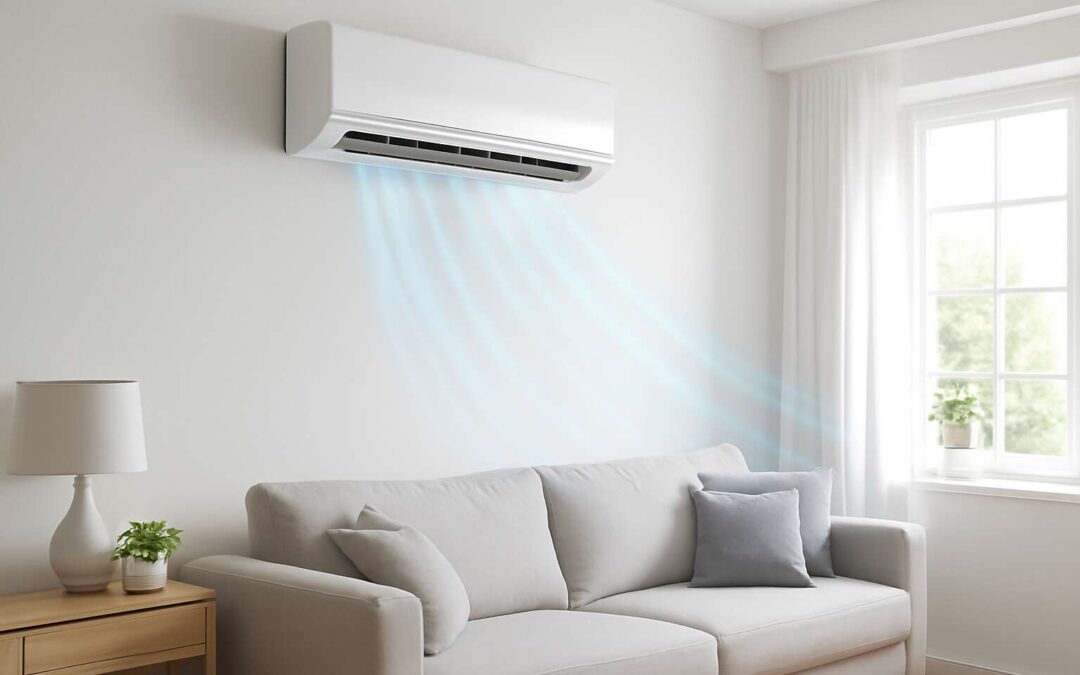
Understanding the diverse types of air conditioning units is essential when choosing the right climate control solution for your space. An air conditioning unit isn’t a one-size-fits-all device; each variant offers unique advantages tailored to specific needs. From the compact window units to the sophisticated ducted systems, selecting the right type can significantly impact energy efficiency and comfort.
For residential settings, split-system air conditioning units are often the go-to option, providing reliable cooling without occupying much space. On the other hand, larger commercial environments may benefit from centralized systems, which distribute conditioned air seamlessly across extensive areas. Here is a brief overview of some common types of air conditioning units:
- Split-system air conditioning units
- Window units
- Portable air conditioners
- Ducted or central air conditioning systems
- Multi-split systems
Each type serves a different purpose, ensuring that whether you’re cooling a single room or an entire building, there’s an air conditioning unit suited for the task. When considering your options, factoring in energy consumption, installation complexity, and maintenance needs will help you make an informed decision—crucial in South Africa’s diverse climate zones!
How Air Conditioning Units Work
Understanding how an air conditioning unit works reveals more than just the mechanics; it uncovers a delicate balance between science and comfort. In essence, an air conditioning unit is an intricate dance of thermodynamics—taking heat from indoor spaces and releasing it outside, creating a sanctuary of coolness amidst South Africa’s often relentless climate.
At its core, an air conditioning unit relies on a refrigeration cycle, which involves a continuous flow of refrigerant through various components such as the compressor, condenser, expansion valve, and evaporator. This cycle facilitates the transfer of heat, cooling indoor air while expelling warmth outside. The process is elegant in its simplicity yet profound in its impact on daily life, transforming sweltering environments into comfortable retreats.
To better grasp the functioning of an air conditioning unit, consider these key steps:
- The compressor compresses refrigerant, increasing its temperature and pressure.
- The hot, high-pressure refrigerant then moves to the condenser coil, where it releases heat and condenses into a liquid.
- Next, the expansion valve reduces the refrigerant’s pressure, cooling it down rapidly.
- Finally, the cold refrigerant absorbs heat from the indoor air via the evaporator coil, cooling the space before returning to the compressor to repeat the cycle.
This continuous loop is what makes an air conditioning unit an efficient and vital tool—especially in South Africa’s diverse climate zones, where temperature fluctuations can be dramatic. It’s a sophisticated interplay of technology and nature, working tirelessly to ensure comfort in our homes and workplaces. Truly, the magic of an air conditioning unit lies in its ability to harness physics to serve human needs—a testament to innovation’s role in shaping our everyday environment.
Choosing the Right Air Conditioning Unit
Factors to Consider
Choosing the right air conditioning unit is more than just picking a model that looks sleek or fits your budget—it’s about understanding the unique demands of your space and lifestyle. South Africa’s diverse climate, from scorching summers to cooler winter nights, requires careful consideration to ensure comfort year-round. An improperly sized air conditioning unit can lead to energy wastage or inadequate cooling, turning what should be a refuge into a source of frustration.
When selecting an air conditioning unit, factor in the size of your space, the local climate, and your energy efficiency goals. For large open-plan areas, a powerful unit with advanced cooling capacity is essential. Conversely, smaller rooms may benefit from a compact, energy-efficient model that operates quietly. Remember, the right air conditioning unit should seamlessly blend efficiency and comfort, transforming your home into an oasis amid South Africa’s unpredictable weather.
When to Upgrade or Replace
Choosing the right air conditioning unit isn’t just about tossing a model into your shopping cart and hoping for the best. It’s a strategic dance with your space’s unique demands and South Africa’s unpredictable climate. Did you know that an overpowered air conditioning unit can jingle your electricity bill while an underperformer leaves you sweating through the night? Finding that Goldilocks zone is essential for year-round comfort.
When is it time to upgrade or replace? If your current air conditioning unit is more temperamental than a cat in a room full of rocking chairs, it might be a sign. Look for signs like rising energy costs, inconsistent cooling, or strange noises—these are often the first hints that your trusty old unit has seen better days. Additionally, if your air conditioning unit is more than 10-15 years old, it’s worth considering a replacement, especially when newer models boast improved energy efficiency and eco-friendly refrigerants.
In some cases, a simple repair isn’t enough; a complete upgrade will save you money in the long run. Here’s a quick checklist to help you assess:
- Increasing energy bills despite minimal usage
- Frequent breakdowns or repairs
- Inability to maintain consistent temperature
- Outdated technology that lacks modern energy-saving features
Remember, the perfect air conditioning unit should be a seamless blend of power, efficiency, and quiet operation—because nobody wants their cooling system to sound like a jet engine while trying to relax. When properly chosen and maintained, your air conditioning unit transforms your home into a cool sanctuary, even on South Africa’s hottest days.
Installation and Maintenance Tips
Installation Best Practices
Installing an air conditioning unit isn’t just about plugging it in; it’s an art that ensures optimal performance and longevity. In the South African climate, where temperature swings can be sudden and intense, proper installation becomes even more vital. A well-placed unit can mean the difference between a cool, refreshing sanctuary and an energy drain that strains your wallet. Trusting experienced professionals to handle installation ensures that the unit is positioned to maximize airflow and efficiency, avoiding common pitfalls like poor ventilation or inadequate insulation.
Maintenance, on the other hand, is the heartbeat of a resilient air conditioning unit. Regularly cleaning filters, checking refrigerant levels, and inspecting for leaks can drastically extend the lifespan of your system. An overlooked but crucial step is scheduling professional servicing at least once a year—this keeps your air conditioning unit running smoothly through South Africa’s scorching summers and chilly winters. Remember, a well-maintained unit isn’t just about comfort; it’s about safeguarding your investment and ensuring your home remains a cool haven in the heat.
Maintenance and Troubleshooting
Maintaining your air conditioning unit is like tending to a living, breathing organism—each small act ensures it stays vigorous and efficient. In South Africa’s relentless climate, a well-cared-for unit can transform your home into a cool sanctuary amidst scorching days and chilly nights. Regular cleaning of filters, checking refrigerant levels, and inspecting for leaks aren’t just routine; they’re vital rituals that prolong the life of your system and keep performance at its peak.
One often-overlooked aspect is scheduling professional maintenance at least once a year. During this service, experts can identify hidden issues before they become costly repairs. They might perform tasks like checking electrical connections or calibrating thermostats—details that can make all the difference in efficiency and longevity. Remember, a properly maintained air conditioning unit not only delivers consistent comfort but also conserves energy and reduces your monthly bills.
To troubleshoot common problems, start with simple checks such as ensuring filters are clean and vents are unobstructed. If your unit isn’t cooling effectively, it could be due to refrigerant leaks or dirty coils—problems best handled by trained technicians.
- Always keep an eye on unusual noises or strange odors;
- Ensure external units are free from debris and obstructions;
- Verify that thermostats are functioning correctly.
These small steps can help catch issues early, saving time and money while maintaining the comfort and resilience of your air conditioning unit in South Africa’s demanding environment.
Energy Efficiency and Cost Savings
Maximizing Efficiency
In the heart of a South African summer, a reliable air conditioning unit isn’t just a luxury—it’s a necessity. But what if you could enjoy cool relief while also saving on energy costs? Maximizing efficiency isn’t just about choosing the right unit; it’s about understanding how to make every watt work harder for you. An energy-efficient air conditioning unit can cut your electricity bill significantly, leaving more money in your pocket for the things that truly matter.
To enhance the efficiency of your air conditioning unit, consider the following strategies:
- Ensure proper insulation to prevent cool air from escaping, reducing the workload on your air conditioning unit.
- Use programmable thermostats to control the temperature precisely when you need it most, avoiding unnecessary energy consumption.
- Regularly clean or replace filters—clogged filters can cause your air conditioning unit to work harder, wasting valuable energy.
By adopting these practices, you not only extend the lifespan of your air conditioning unit but also enjoy substantial savings on your energy bills—a win for your home and the environment alike. It’s about creating a haven of comfort that’s both smart and sustainable, right here in South Africa’s warm embrace!
Reducing Energy Bills
In South Africa’s scorching summers, an energy-efficient air conditioning unit isn’t just about comfort—it’s about survival. The more your unit works efficiently, the lower your energy bills become, turning a potentially costly expense into a smart investment. With electricity prices climbing steadily, optimizing your air conditioning unit’s performance can make a tangible difference in your monthly expenses.
One of the most effective ways to reduce energy consumption is by sealing leaks and improving insulation. These small upgrades ensure the cool air stays inside, allowing your air conditioning unit to do less work. Additionally, precise temperature control using programmable thermostats can prevent unnecessary energy drain, especially during cooler nights or when the house is unoccupied. Regular filter maintenance isn’t just routine; it’s essential. Clogged filters cause your air conditioning unit to strain, wasting precious energy and shortening its lifespan.
- Proper insulation
- Programmable thermostats
- Routine filter cleaning or replacement
Adopting these strategies transforms your air conditioning unit from a mere appliance into a powerhouse of efficiency. Not only do you enjoy cooler comfort, but you also contribute to a greener future—saving money, energy, and the environment in one fell swoop. In South Africa’s relentless heat, a smart air conditioning unit is your secret weapon for sustainable living!
Latest Trends and Innovations
Smart Home Integration
In the ever-evolving realm of technology, the air conditioning unit has transcended its traditional boundaries, emerging as a beacon of innovation and seamless integration. Today’s smart home revolution is not merely about convenience—it’s about transforming living spaces into intelligent sanctuaries where comfort meets cutting-edge convenience.
Recent trends showcase a surge in smart home integration for air conditioning units, where intuitive systems can now learn your preferences and adapt in real-time. Imagine adjusting the temperature with a simple voice command or through a smartphone app, all while the system anticipates your needs before you even articulate them. This convergence of technology and comfort embodies the future of climate control, making the air conditioning unit an essential element of modern homes across South Africa.
Furthermore, advancements include features such as energy-efficient sensors, remote diagnostics, and automation that synchronize with other smart devices. These innovations not only elevate user experience but also promote sustainability, reducing both carbon footprint and energy bills. As the air conditioning unit becomes smarter, it’s clear that the boundaries of comfort are constantly expanding—bringing a touch of magic to everyday living.
Eco-Friendly Refrigerants
As the world shifts towards greener horizons, the air conditioning unit is undergoing a revolution fueled by eco-conscious innovation. Recent trends reveal a surge in eco-friendly refrigerants that not only cool our spaces but also safeguard our planet. These refrigerants are crafted to reduce ozone depletion and lower global warming potential, making them a vital component of sustainable living in South Africa.
Many cutting-edge air conditioning units now incorporate environmentally benign refrigerants such as R32 and hydrofluoroolefins (HFOs). These substances deliver efficient cooling without the environmental baggage of traditional options. In fact, switching to these innovative refrigerants can significantly cut your carbon footprint while maintaining the comfort you cherish. Plus, they are often compatible with existing systems, easing the transition toward greener cooling solutions.
In a world increasingly attentive to climate responsibility, the latest innovations in the air conditioning unit emphasize not just comfort but also ecological harmony. Embracing these advancements means stepping into a future where cooling your home is both an act of personal comfort and a contribution to global sustainability. Truly, the air conditioning unit is becoming a symbol of harmony between human ingenuity and environmental stewardship.
Inverter Technology
In the realm of modern comfort, inverter technology stands out as a luminous beacon of innovation, transforming the very essence of the air conditioning unit. This breakthrough allows the compressor to modulate its speed, delivering precise cooling and heating with unparalleled efficiency. The result? A whisper-quiet operation that seamlessly adapts to your needs, conserving energy while maintaining perfect indoor temperatures.
Gone are the days of abrupt on-off cycles that drain power and wear down components. Today’s air conditioning unit equipped with inverter technology offers a harmonious balance—responsive, sustainable, and surprisingly elegant. The seamless regulation of power not only extends the lifespan of your system but also contributes significantly to lowering energy bills, making it an investment in both comfort and responsibility.
Innovations in this field have introduced features such as smart sensors and adaptive algorithms, which learn your preferences and adjust accordingly. For South African households seeking eco-conscious solutions, these advancements are a game-changer, merging technological sophistication with environmental stewardship.
by | Aug 1, 2025 | Air Conditioning
Understanding Car Air Conditioning Systems
Overview of Car AC Components – Detailed description of the compressor, condenser, evaporator, and expansion valve
Stepping into the intricate world of car air conditioning systems reveals a symphony of components working in harmony—each crucial in conjuring the cool comfort we often take for granted. The heart of this system is the compressor, a mighty engine that compresses the air conditioning gas for cars, transforming it into a high-pressure, high-temperature state. It’s the initiator of the mystical cycle that ensures every journey remains chilled and pleasant.
Following the compressor, the refrigerant travels to the condenser. Here, the magic of heat exchange occurs as the high-pressure gas releases its heat to the outside air, condensing into a liquid form. The evaporator then takes center stage within the cabin, where the refrigerant expands through the expansion valve, absorbing heat from the air to provide that refreshing coolness. This process is a delicate dance, continually cycling the air conditioning gas for cars to maintain perfect interior climate control.
How Car Air Conditioning Works – Step-by-step process of cooling inside the vehicle
Stepping into the realm of car air conditioning systems feels like entering a secret garden of coolness, where invisible forces orchestrate comfort with quiet precision. At the heart of this enchanting process lies the journey of the air conditioning gas for cars—a vital element that transforms a sweltering cabin into a haven of refreshment. When you switch on your AC, a cascade of magic begins to unfold, starting with the compressor, which breathes life into the cycle by compressing the refrigerant into a high-pressure, high-temperature state.
From there, the refrigerant, now a fiery vapor, journeys to the condenser where it releases its heat into the outside air, condensing into a liquid. As it passes through the expansion valve, the magic deepens—cooling and absorbing heat from the interior air. This delicate dance of phases, powered by the air conditioning gas for cars, ensures the cabin’s atmosphere remains perfectly temperate, regardless of the South African sun blazing overhead.
- The refrigerant expands through the expansion valve, absorbing heat from the cabin air.
- It then travels to the evaporator, where it cools the air before it’s blown into the vehicle interior.
Importance of Proper Gas Levels – Impacts on cooling efficiency and system longevity
Maintaining the perfect balance of air conditioning gas for cars is not just about comfort—it’s a matter of preserving the integrity of your vehicle’s cooling system. When the refrigerant levels are optimal, the system operates efficiently, ensuring that every drive under the South African sun remains refreshingly cool. Conversely, low or excessive gas levels can lead to diminished cooling performance and increased stress on vital components.
Indeed, a correctly charged system extends the lifespan of your car’s air conditioning system and prevents costly repairs down the line. It’s akin to nurturing a delicate ecosystem—if one element is out of sync, the entire process falters. Regularly checking and recharging the air conditioning gas for cars guarantees that the refrigerant remains at its ideal level, safeguarding both comfort and the longevity of your vehicle’s climate control system.
- Optimal refrigerant levels ensure maximum cooling efficiency.
- Proper gas charge reduces strain on the compressor, preventing premature failures.
- Maintaining correct gas levels minimizes environmental impact by reducing leaks and emissions.
Types of Air Conditioning Gases for Cars
Refrigerants Used in Automotive AC – Common types like R134a, R1234yf, and newer alternatives
When it comes to maintaining a comfortable drive, understanding the different types of air conditioning gas for cars is essential. Over the years, refrigerants used in automotive AC systems have evolved significantly, driven by environmental concerns and technological advancements. R134a has long been the standard, appreciated for its reliability and performance. However, as regulations tighten, newer alternatives like R1234yf are gaining ground due to their lower global warming potential.
R1234yf is often touted as the eco-friendly successor to R134a, offering similar cooling capacity but with a much smaller environmental footprint. In recent times, automotive manufacturers and service providers are increasingly adopting these newer refrigerants to ensure compliance with international standards. Here’s a quick overview of common types used in South Africa:
- R134a – The traditional refrigerant for many years, widely available but with higher global warming potential.
- R1234yf – The newer, environmentally friendly alternative gaining prominence for its lower impact on climate change.
- Other emerging options – Some newer formulations focus on reducing ozone depletion and global warming, but R134a and R1234yf remain dominant in the market.
Choosing the right air conditioning gas for cars is more than just a technical decision; it reflects a commitment to both performance and environmental responsibility. As regulations continue to evolve, staying informed about these refrigerants will help keep your vehicle’s AC system both efficient and compliant.
Environmental Impact of Different Gases – Global warming potential and ozone depletion considerations
The choice of air conditioning gas for cars is more than just a technical detail—it’s a reflection of our commitment to safeguarding the environment. Different refrigerants carry varying degrees of environmental impact, especially when it comes to global warming potential (GWP) and ozone depletion. R134a, once the standard, has a higher GWP, contributing significantly to climate change. In contrast, newer alternatives like R1234yf are designed to minimize this effect, offering similar cooling efficiency with a fraction of the environmental footprint.
When evaluating these gases, consider their environmental implications. R134a, while reliable, poses a challenge because of its higher global warming potential. Conversely, R1234yf boasts a GWP of less than 1, making it a more sustainable choice for South Africa’s car owners who are increasingly conscious of climate responsibility. Some emerging options aim to further reduce ozone depletion, but for now, the market is dominated by R134a and R1234yf, each with its own pros and cons.
Understanding these differences helps you make informed decisions about the air conditioning gas for cars you choose, balancing performance with environmental responsibility. As regulations tighten worldwide, shifting to eco-friendly refrigerants is no longer just an option but a necessity—protecting both our planet and our vehicles’ cooling systems.
Legal Regulations and Standards – Compliance with emission standards and bans
Regulations surrounding air conditioning gas for cars are evolving rapidly, especially as governments worldwide tighten emission standards. South Africa is no exception, with recent bans on high-GWP refrigerants aimed at reducing environmental impact. Compliance with these standards is crucial for vehicle manufacturers and aftermarket service providers alike. Failure to adhere can result in hefty fines and restrictions on vehicle operation, making awareness of legal regulations essential for everyone involved in car air conditioning systems.
In many regions, including South Africa, the use of certain refrigerants such as R134a is being phased out due to their high global warming potential. Instead, the industry is shifting toward eco-friendly alternatives like R1234yf, which meet stringent emission standards and reduce ozone depletion risks. It’s important to note that these regulations are not static; they are continually updated to promote greener practices in automotive cooling systems.
- Ensure the refrigerant used complies with local emission bans.
- Stay informed about upcoming regulations that may affect the availability of certain gases.
- Choose environmentally responsible air conditioning gas for cars to future-proof your vehicle’s cooling system.
Understanding the legal landscape of air conditioning gas for cars is more than just regulatory compliance—it’s a step toward sustainable mobility. As South Africa and the rest of the world move toward greener automotive solutions, staying ahead of these standards becomes a pivotal part of responsible vehicle maintenance and manufacturing. The shift to environmentally friendly refrigerants isn’t just a trend; it’s a necessity for ensuring our roads and air remain cleaner for future generations.
Choosing the Right Air Conditioning Gas for Your Vehicle
Compatibility with Vehicle Model – Manufacturer specifications and recommendations
Choosing the right air conditioning gas for cars is crucial not only for optimal cooling but also for ensuring your vehicle’s longevity. South African drivers often overlook this detail, yet using incompatible gases can lead to costly repairs and environmental harm. Always consult your vehicle’s manufacturer specifications before selecting an air conditioning gas for cars, as these guidelines are tailored to your specific model and engine type.
Manufacturers typically recommend specific refrigerants, such as R134a or newer alternatives like R1234yf, which offer improved efficiency and reduced environmental impact. To avoid mishaps, consider these key factors:
- Compatibility with your vehicle model
- Adherence to local environmental regulations
- Performance under South African climatic conditions
When in doubt, always check your owner’s manual or consult with a qualified technician. Proper selection of the air conditioning gas for cars ensures a cool, comfortable drive while respecting the environment and your vehicle’s health. Remember, using the wrong refrigerant can compromise system efficiency, leading to higher energy consumption and premature wear.
Environmental Concerns – Opting for eco-friendly refrigerants
In the quest for a cooler, more sustainable drive across South Africa’s diverse landscape, the choice of air conditioning gas for cars holds more significance than many realize. With the country’s increasing focus on eco-friendly solutions, selecting an environmentally conscious refrigerant is not just a matter of compliance but a commitment to preserving our fragile environment. The right air conditioning gas for cars can reduce your vehicle’s carbon footprint and ensure compliance with evolving regulations.
Opting for eco-friendly refrigerants like R1234yf, which boast a lower global warming potential, elevates your vehicle’s climate control system into a realm of sustainability. These gases are designed to deliver the same cooling prowess while minimizing environmental harm. In South Africa, where the climate varies from scorching summers to milder winters, choosing a refrigerant aligned with environmental standards and local conditions is vital.
When selecting an air conditioning gas for cars, consider the impact it has on ozone depletion and global warming. As awareness around climate change intensifies, more manufacturers and drivers are turning to greener alternatives, ensuring that our journeys remain not only cool but also eco-conscious. The magic lies in understanding that the right refrigerant can harmonize performance with responsibility — a true boon for every South African driver seeking a sustainable, comfortable ride.
Cost Considerations – Price differences between refrigerant types
When it comes to choosing the right air conditioning gas for cars, price often plays a starring role — but don’t let it be the only factor guiding your decision. While some refrigerants, like R134a, have been the standard for years and tend to be more budget-friendly, they come with a hefty environmental price tag. On the other hand, eco-friendly options such as R1234yf might cost a bit more upfront, but they significantly reduce your vehicle’s carbon footprint and align with South Africa’s evolving environmental regulations.
The difference in cost can be stark: traditional refrigerants are generally cheaper, but they’re also more damaging to the ozone layer and contribute more to global warming. Conversely, greener gases, though pricier, offer the dual benefit of responsible stewardship and compliance with legal standards. Remember, investing in the right air conditioning gas for cars isn’t just about cooling comfort — it’s about making a conscious choice for a more sustainable ride.
Refilling and Recharging Air Conditioning Gas
Signs You Need a Recharge – Reduced cooling performance, strange odors, leakage signs
When your car’s air conditioning suddenly feels less effective or starts emitting odd odors, it’s often a sign that the air conditioning gas for cars has depleted. Low refrigerant levels mean the system can’t maintain the desired coolness, leaving you sweltering even on the coolest days. This isn’t just an annoyance; it can also cause long-term damage to components like the compressor if ignored.
Leaks are a primary culprit behind a refrigerant shortage. Watch for signs such as oily spots on AC components or hissing sounds indicating a leak. In some cases, refrigerant escapes slowly, but the effects are just as damaging. If you notice reduced cooling performance or strange smells, it’s crucial to get a professional check-up. An efficient recharge of the air conditioning gas for cars can restore comfort and prevent costly repairs down the line.
- Reduced cooling performance
- Strange odors
- Leakage signs or oily residue
Addressing these signs promptly ensures your vehicle’s AC system stays in peak condition, preserving that crisp, refreshing airflow you rely on during South African heatwaves. Remember, a system low on refrigerant isn’t just a comfort issue—it’s a potential health and safety concern that demands immediate attention.
DIY vs Professional Recharging – When to seek professional help and risks of DIY attempts
When it comes to refilling and recharging air conditioning gas for cars, the decision between a DIY attempt and seeking professional help can feel like stepping into a mystical landscape—full of wonder and potential pitfalls. While the allure of saving a few rand might tempt the adventurous, the risks of mishandling refrigerants can be substantial. DIY recharging kits are available, but they often lack the precise measurement and sealing capabilities needed to avoid leaks or overfill the system. An overcharged or undercharged system not only diminishes cooling efficiency but can also damage delicate components like the compressor.
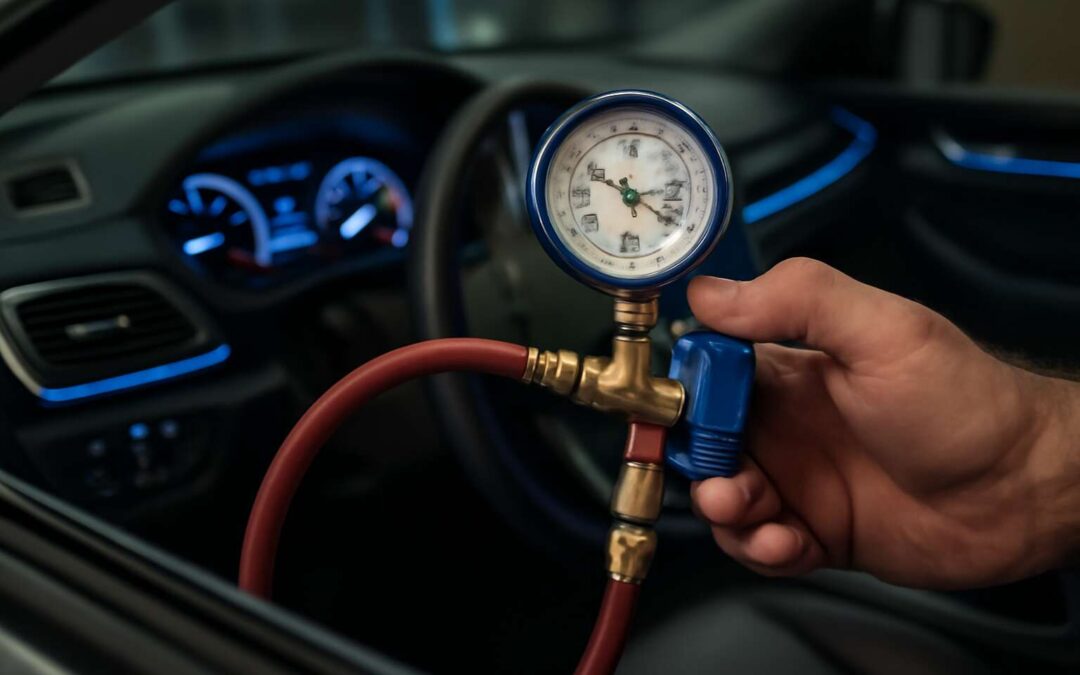
Professional technicians possess the expertise to diagnose leaks, ensure the correct refrigerant type, and handle the air conditioning gas for cars with care and precision. They use specialized tools such as manifold gauges and leak detectors, turning what seems like a simple task into a symphony of technical mastery. In South Africa’s blazing heat, trusting a seasoned expert guarantees your vehicle’s AC system remains a haven of cool clarity, safeguarding its longevity and your comfort.
Recharging Process Overview – Step-by-step outline of how technicians recharge AC systems
Refilling and recharging air conditioning gas for cars might sound like a straightforward task, but beneath the surface lies a delicate ballet of precision and expertise. When a technician steps into the fray, they first connect manifold gauges to the system, essentially tuning into the heartbeat of your vehicle’s AC. This step ensures they accurately measure the existing refrigerant levels, preventing the all-too-common mishap of overcharging or undercharging—the automotive equivalent of putting too much salt in grandma’s stew.
Next, the technician carefully evacuates any old, contaminated refrigerant and leaks detection is performed to avoid future cooling fiascos. Once the system is sealed and ready, they proceed with the recharge—adding the correct amount of air conditioning gas for cars—using specialized equipment that guarantees precision. It’s not just about pumping in refrigerant; it’s about orchestrating a harmonious balance to optimize cooling efficiency and protect your vehicle’s vital components.
- The process begins with a thorough system check to identify leaks or damage.
- Next, the old refrigerant is safely extracted using professional-grade recovery machines—no DIY siphoning here!
- Proper vacuuming removes moisture and prepares the system for the new refrigerant.
- Finally, the correct air conditioning gas for cars is introduced, with gauges ensuring perfect levels for optimal performance.
Skimping on this process or attempting a DIY recharge can lead to leaks, system damage, or poor cooling—none of which you want when South Africa’s heat is relentless. Trusting a professional guarantees your vehicle’s AC system remains a cool sanctuary, all while keeping environmental and legal standards in check. After all, when it comes to air conditioning gas for cars, precision isn’t just preferred—it’s essential.
Maintaining Your Car’s Air Conditioning System
Regular Inspection and Service – Checking for leaks and system performance
Maintaining your vehicle’s air conditioning system isn’t just about comfort; it’s about ensuring safety and efficiency on South Africa’s often unpredictable roads. Regular inspection and service of your car’s air conditioning system can prevent costly repairs down the line. A critical component of this maintenance involves checking for leaks and assessing overall system performance. Leaks in the air conditioning gas for cars can silently compromise cooling efficiency, leaving you sweltering during a hot summer drive.
During a routine check, technicians look for signs of refrigerant loss, which often manifests as decreased cooling or strange odors inside the cabin. They may employ specialized tools to detect even the tiniest leaks in hoses, fittings, or the condenser. Addressing these issues early ensures the refrigerant levels remain optimal, maintaining the performance of your air conditioning gas for cars and prolonging the system’s lifespan.
In South Africa’s climate, where temperatures can soar unexpectedly, keeping an eye on your AC’s health is essential. Regular inspections—ideally once a year—help detect potential problems before they escalate. This proactive approach not only preserves the cooling efficiency but also reduces environmental impact by preventing refrigerant leaks, which can contribute to global warming potential if left unchecked.
Gas Leak Detection – Methods used to identify refrigerant leaks
Detecting leaks in your car’s air conditioning gas for cars is essential to keep the system running efficiently. Leaks can be subtle and often go unnoticed until cooling performance drops significantly. To identify these leaks, technicians use a variety of methods that are both precise and minimally invasive. One common approach involves the use of ultraviolet (UV) dye, which is added to the refrigerant. When exposed to UV light, areas with leaks glow, revealing exactly where the refrigerant is escaping.
Another effective method is the use of electronic leak detectors. These handheld devices can sense even trace amounts of refrigerant in the air, making them invaluable for pinpointing tiny leaks that could otherwise go undetected. For more comprehensive results, some experts employ soap bubble tests, applying a soap solution to suspect areas; if bubbles form, a leak is present.
In South Africa’s climate, where keeping your vehicle cool is often a matter of safety, reliable detection methods are vital. Regularly checking for refrigerant leaks not only sustains the cooling power of your air conditioning gas for cars but also prevents costly repairs and environmental damage. After all, maintaining an optimal refrigerant level is the foundation of a healthy, long-lasting AC system.
Preventative Measures – Proper usage and filter maintenance
Maintaining your car’s air conditioning system is akin to tending a delicate, living organism—requiring vigilance and a touch of care. Proper usage and routine filter maintenance are the silent guardians of a cool, comfortable ride in South Africa’s often unpredictable climate. Ensuring the air conditioning gas for cars remains at optimal levels is crucial, not just for comfort but for the longevity of your entire system.
When filters become clogged or neglected, airflow diminishes, forcing the compressor to work harder and risking leaks or damage. Regular inspection and replacement of cabin filters allow the system to breathe freely, preserving the refrigerant’s magic. Remember, a well-maintained system keeps your AC running efficiently, reducing the likelihood of costly repairs down the line.
To keep your vehicle’s cooling prowess at its peak, consider incorporating simple preventative measures, such as:
- Scheduling routine system checks with a professional
- Monitoring for signs of refrigerant leaks, like strange odors or reduced cooling power
- Using high-quality, eco-friendly refrigerants compatible with your vehicle’s specifications
By nurturing your car’s air conditioning system, you ensure that the air conditioning gas for cars remains balanced, efficient, and kind to the environment—an essential harmony for every South African driver chasing cool comfort amidst the heat.
Troubleshooting Common Air Conditioning Gas Issues
Reduced Cooling Effect – Possible causes and solutions
When your vehicle’s cabin feels less like a refuge and more like a suffocating sauna, the culprit often lies hidden within the delicate balance of air conditioning gas for cars. Reduced cooling effect isn’t always due to a faulty compressor or clogged condenser; it can stem from subtle leaks, degraded refrigerant, or improper recharging. These issues silently erode the system’s efficiency, leaving you stranded in South Africa’s relentless heat.
Leaking refrigerant, for instance, diminishes the amount of air conditioning gas for cars circulating within the system, impairing its ability to absorb and expel heat effectively. Over time, such leaks can be elusive, requiring expert detection methods like electronic leak detectors or UV dye tracing.
- Loss of refrigerant
- Corrosion in lines or connectors
- Faulty valves or seals
are common culprits that demand precise intervention. Addressing these problems swiftly not only restores cooling performance but also preserves the longevity of your air conditioning system.
Unusual System Noises – Identifying refrigerant-related problems
Unusual system noises from your car’s air conditioning often hint at deeper refrigerant issues that require keen observation. When the cooling system starts making hissing, banging, or gurgling sounds, it’s not just a mechanical anomaly—it’s a cry for help from the delicate balance of air conditioning gas for cars. These noises can indicate refrigerant leaks, which silently sabotage your AC’s efficiency, leading to diminished cooling performance.
Detecting these subtle clues demands a careful ear and sometimes specialized tools. Refrigerant leaks often cause the system to work harder, creating abnormal sounds that are difficult to ignore. In some cases, the hissing noise might be a clear sign of escaping air conditioning gas for cars, while other times, the sounds are more muffled but equally telling. Listening intently to your vehicle’s AC can reveal whether refrigerant-related problems are at play.
To truly understand the root of these noises, professionals may employ methods such as electronic leak detectors or UV dye tracing. These techniques help identify leaks in hoses, valves, or the compressor’s seals—common culprits for refrigerant escape. Recognizing these signs early can prevent further damage and keep your vehicle’s cooling system running smoothly in South Africa’s demanding climate. After all, the integrity of your air conditioning gas for cars isn’t just about comfort; it’s about preserving the system’s very soul.
Persistent Leaks – Detection and repair options
Persistent leaks in your car’s air conditioning gas for cars can be both a nuisance and a nightmare. Detecting these leaks early is essential to prevent costly repairs and restore optimal cooling performance. Professionals often employ electronic leak detectors or UV dye tracing to precisely locate the source of refrigerant escape. These methods are highly effective in pinpointing leaks in hoses, valves, or compressor seals—common culprits that silently undermine your system’s efficiency.
For those inclined towards DIY fixes, it’s important to recognize that attempting to repair refrigerant leaks without proper tools and expertise can lead to further damage. In fact, many repair shops recommend a thorough system inspection and recharging process, which involves replacing faulty components and sealing leaks to ensure the integrity of the air conditioning gas for cars.
When leaks persist despite repairs, recharging the system becomes necessary. This process involves carefully adding the correct type and amount of refrigerant, ensuring that the delicate balance of the AC system is maintained. Regular inspection and vigilant monitoring of refrigerant levels can save you from unexpected breakdowns and keep your vehicle’s cooling system functioning flawlessly—especially in South Africa’s demanding climate.
Future Trends in Car Air Conditioning Gases
Innovations in Eco-Friendly Refrigerants – Emerging refrigerant types with lower environmental impacts
As environmental awareness intensifies, the future of air conditioning gas for cars is shifting towards more sustainable solutions. Innovations in eco-friendly refrigerants aim to reduce the global warming potential while maintaining optimal cooling performance. Emerging refrigerant types such as R1234yf and even newer alternatives are gaining traction due to their lower environmental impact. These gases are designed to be less harmful to the ozone layer and produce minimal greenhouse gases, aligning with stricter legal regulations and standards worldwide.
Manufacturers and environmental agencies are collaborating to develop refrigerants that strike a balance between efficiency and eco-responsibility.
- Lower global warming potential (GWP)
- Compatibility with existing vehicle models
- Cost-effective production and deployment
Such advances promise to transform how we think about automotive climate control, making eco-friendly refrigerants a standard rather than an exception in the industry. For consumers, this means cleaner air conditioning systems that don’t compromise on comfort or environmental integrity, marking a significant step towards more sustainable mobility.
Advancements in AC System Technology – Improved efficiency and sustainability
The future of car air conditioning gases is evolving rapidly, driven by technological advancements that prioritize both efficiency and sustainability. Modern AC systems are now designed to reduce environmental impact without sacrificing cooling performance. As automakers integrate eco-friendly refrigerants like R1234yf, the industry moves closer to greener solutions that align with global environmental standards.
Innovations focus on improving the efficiency of AC systems while minimizing greenhouse gases. Advanced components, such as variable capacity compressors and intelligent control modules, optimize refrigerant flow and reduce energy consumption. These improvements not only lower emissions but also extend the lifespan of the system, making maintenance more straightforward and cost-effective.
- Enhanced heat exchange techniques
- Use of biodegradable refrigerants with low GWP
- Integration of smart sensors for real-time monitoring
Such technological progress ensures that the air conditioning gas for cars will become more sustainable, paving the way for cleaner, more reliable climate control in vehicles. The shift towards eco-friendly refrigerants is shaping the future, offering a perfect blend of performance and environmental responsibility for South African drivers and manufacturers alike. This ongoing evolution promises a significant impact on how we think about automotive cooling systems in the years ahead.
by | Jul 29, 2025 | Air Conditioning
Understanding Air Conditioning Cans
Definition and Purpose of Air Conditioning Can
In the grand theatre of comfort, the air conditioning can emerges as both a humble hero and an intricate marvel. This unassuming container holds the very essence of climate control, transforming sweltering days into oasis-like retreats. At its core, the purpose of an air conditioning can extends beyond mere cooling; it is a vessel of relief, a guardian against the relentless South African heat waves that threaten to sap vitality. Understanding the definition of an air conditioning can reveals its vital role: a sealed container designed to house refrigerant and essential components that work in harmony to regulate air temperature and humidity.
To truly appreciate the magic behind an air conditioning can, one must grasp its fundamental functions. It is not merely a storage unit but a carefully engineered chamber that ensures the smooth operation of complex cooling cycles. The can’s design intricately balances pressure and thermal exchange, making it indispensable in modern climate management. Whether in residential settings or bustling commercial hubs, the air conditioning can quietly performs its duty, creating environments where comfort feels effortless and refreshing.
Types of Air Conditioning Can Units
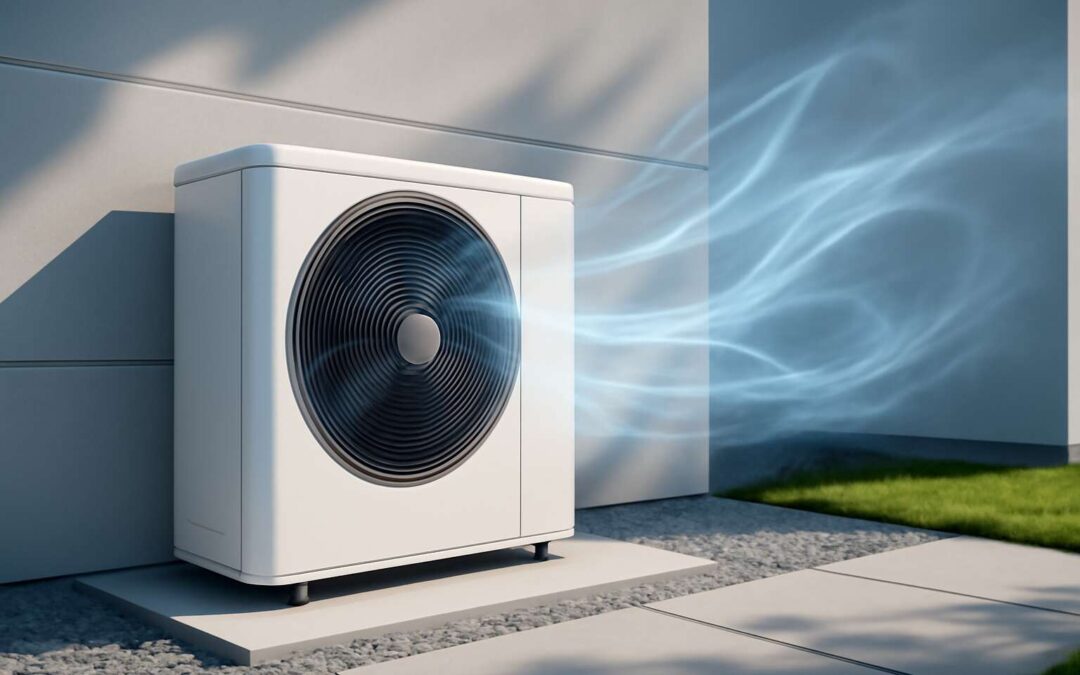
Understanding the different types of air conditioning can units is essential for selecting the right solution. Each type is designed to meet specific cooling needs and environment constraints. For instance, split systems are popular in South Africa for their quiet operation and energy efficiency. They consist of an outdoor unit and indoor air conditioning can, making installation flexible and unobtrusive.
On the other hand, portable air conditioning cans are ideal for temporary or small-scale cooling. These units are lightweight, easy to move, and require minimal installation. They are perfect for office spaces or homes where space is limited. Additionally, central air conditioning can systems provide comprehensive cooling for larger buildings, integrating multiple air conditioning cans into a single, efficient network.
When choosing an air conditioning can, consider factors like room size, energy consumption, and maintenance needs. Here are some common types of air conditioning cans you might encounter:
- Split System Air Conditioning Cans
- Portable Air Conditioning Cans
- Central Air Conditioning Cans
Common Uses and Applications
Air conditioning cans are the unsung heroes of comfort, quietly transforming sweltering spaces into cool havens. Their versatility makes them indispensable across a spectrum of environments—from bustling offices to cozy homes. In South Africa, where temperatures can soar unexpectedly, understanding the common uses of air conditioning can is vital for maintaining productivity and well-being.
For instance, in commercial settings, air conditioning can ensure a comfortable workspace, boosting employee morale and efficiency. Residential applications often see air conditioning cans integrated into living rooms and bedrooms, providing a peaceful retreat from the heat. Moreover, specialized units like portable air conditioning cans are perfect for temporary needs or rental spaces, offering flexibility without the permanence of installation.
- Cooling large office complexes with centralized systems.
- Providing targeted comfort in individual rooms with split system air conditioning cans.
- Enhancing mobility and convenience through portable air conditioning cans for short-term or seasonal use.
Ultimately, the adaptability of air conditioning cans makes them essential in South Africa’s diverse climate, ensuring that every environment can stay refreshingly cool no matter the weather outside.
Key Features of Air Conditioning Cans
Design and Portability
In the realm of cooling technology, the design and portability of an air conditioning can elevate its utility from merely functional to undeniably indispensable. A sleek, aerodynamic silhouette not only enhances aesthetic appeal but also ensures ease of handling, making installation and transportation a seamless experience. The key features of air conditioning cans often include ergonomic grips, lightweight construction, and compact dimensions, which combine to serve the modern demands of versatility and convenience.
What truly sets an air conditioning can apart is its capacity for effortless mobility. Whether it’s for a quick upgrade at a construction site or a temporary cooling solution during a heatwave, portability becomes a paramount feature. Innovative design elements—such as collapsible handles and integrated storage compartments—are testament to this focus on practicality. For those seeking a cooling companion that can be effortlessly moved from room to room or site to site, these attributes are nothing short of essential.
- Robust yet lightweight materials ensure durability without sacrificing ease of transport.
- Compact size allows for discreet placement, yet enough power to cool sizable spaces.
- Intuitive design features enable quick setup and takedown, saving valuable time and effort.
Cooling Capacity and Power
When it comes to the key features of an air conditioning can, nothing is more vital than its cooling capacity and power. These units are engineered to deliver a swift, effective chill that transforms sweltering environments into oasis-like retreats. The magic lies in their ability to balance power with efficiency, ensuring that even sizable spaces are cooled rapidly without draining energy resources.
The cooling capacity of an air conditioning can is often measured in BTUs or watts, allowing users to select a unit tailored to their specific needs. For larger rooms or open-plan areas, higher BTU ratings are essential to maintain a comfortable atmosphere. Conversely, smaller units excel in personal or confined spaces, providing targeted relief with minimal fuss.
To illustrate, many models feature adjustable fan speeds and temperature controls, giving users the power to customize their cooling experience. Some innovative air conditioning cans even incorporate smart technology, allowing remote operation and energy monitoring. These advancements ensure that portability does not come at the expense of performance, making the air conditioning can a versatile ally in any South African climate.
- High BTU ratings for larger spaces
- Energy-efficient operation to save power
- Adjustable settings for personalized comfort
Energy Efficiency
In the realm of portable comfort, energy efficiency is the secret ingredient that elevates an air conditioning can from merely functional to remarkably sustainable. With South Africa’s diverse climate, choosing a unit that conserves power while delivering a cooling punch is essential. Modern air conditioning cans are engineered to optimize energy use, ensuring you stay cool without skyrocketing your electricity bills. This balance between performance and savings is achieved through innovative technology that adjusts power consumption based on real-time needs.
Many models feature adjustable settings that allow for tailored cooling, reducing unnecessary energy drain. For instance, an air conditioning can equipped with smart technology can monitor usage patterns and adapt accordingly—delivering cool air only when needed. Here’s a quick overview of what makes an air conditioning can truly energy-efficient:
- Variable fan speeds for precise airflow control
- Eco-friendly refrigerants that reduce environmental impact
- Automatic shutoff modes when desired temperature is reached
Each of these features magnifies the unit’s ability to conserve power while providing a refreshing escape from the heat. For those seeking eco-conscious comfort, an air conditioning can that prioritizes energy efficiency is not just a luxury—it’s a smart investment in a cooler, greener future.
Additional Features (e.g., Dehumidification, Air Filtration)
Beyond mere cooling, an air conditioning can boasts a suite of features that elevate its role from functional appliance to essential comfort innovator. The key features of these units are designed not only to enhance user experience but also to optimize performance with subtle sophistication. For instance, adjustable fan speeds allow for precise airflow control, ensuring the right amount of cool air flows without unnecessary energy expenditure. This nuanced regulation becomes particularly vital in South Africa’s varied climate, where temperature fluctuations demand adaptable solutions.
Many models incorporate additional features that transform an air conditioning can into a versatile climate management system. Dehumidification capabilities, for example, combat the oppressive dampness often felt in coastal or humid regions, creating a more comfortable environment. Meanwhile, advanced air filtration systems purify the air, removing dust, pollen, and other pollutants—an invaluable asset for those with allergies or respiratory sensitivities. These supplementary features demonstrate how modern air conditioning cans are engineered to serve not just cooling needs but holistic indoor air quality.
- Smart technology integration for remote operation and usage monitoring
- Eco-friendly refrigerants that minimize environmental footprint
- Automatic shutoff modes that conserve energy when the desired temperature is reached
In the pursuit of sustainable comfort, these additional features turn an ordinary air conditioning can into a thoughtful, eco-conscious companion—delivering cool relief while respecting the environment. For those seeking a device that combines innovation with practicality, these attributes underscore why selecting the right air conditioning can is an investment in both well-being and future sustainability.
Benefits of Using Air Conditioning Cans
Ease of Installation
In a world where the relentless heat can strip away even the most resilient human spirit, the air conditioning can emerges as a beacon of relief. Its benefits extend beyond mere comfort, touching on the very essence of well-being—creating a sanctuary amidst chaos. The ease of installation of an air conditioning can is often overlooked, yet it plays a pivotal role in its widespread appeal. Unlike bulky, complex systems, an air conditioning can can be swiftly set up, often requiring only minimal tools and expertise. This simplicity transforms the daunting task of cooling a space into a manageable, even satisfying, endeavor.
Furthermore, the versatility of the air conditioning can makes it an ideal solution for diverse environments, from bustling offices to serene home retreats. Its portability and straightforward installation process mean that it can be positioned precisely where cooling is needed most, providing immediate relief. For those seeking efficient, cost-effective comfort, the ease of installing an air conditioning can is a game-changer—turning the pursuit of coolness into an accessible, almost instinctive act.
Mobility and Convenience
In a land where heatwaves can turn the day into a relentless furnace, the portability of an air conditioning can becomes a game-changer. Imagine a cooling solution so versatile that it can be moved effortlessly from the sun-drenched veranda to the shaded corner of your living room. This mobility transforms the way we experience comfort, offering instant relief exactly where it’s needed most. Whether you’re seeking a quick cool-down during a hot afternoon or a flexible cooling option for different spaces, the air conditioning can rises to the occasion.
What truly sets the air conditioning can apart is its convenience. No complicated installations or permanent fixtures—just a simple setup that allows you to enjoy fresh, cool air in moments. For busy households or dynamic work environments, this means less time fussing over equipment and more time basking in the cool serenity it provides. Its lightweight design and ease of transport make it an essential tool for those who refuse to let the heat dictate their day.
Space-Saving Design
In a world where summer’s embrace can turn even the bravest into puddles of sweat, the air conditioning can emerges as an elegant solution—compact, efficient, and undeniably versatile. Its space-saving design isn’t merely about convenience; it’s a whisper of innovation that transforms any corner into a sanctuary of coolness, even in the most cramped or bustling environments. Imagine a device that fits seamlessly into your life, whether tucked beside your desk, perched on a balcony, or nestled in a cozy nook inside your home.
The benefits of using an air conditioning can extend beyond mere comfort. Its sleek, space-efficient architecture means you can enjoy instant cooling without sacrificing precious room or aesthetic appeal. Perfect for South African households where space is often at a premium, the air conditioning can allows you to optimize your environment without the clutter. For those seeking a harmonious blend of practicality and elegance, this design is a breath of fresh air—literally and figuratively.
Cost-Effectiveness Compared to Traditional AC Units
When evaluating cooling options, cost-effectiveness is a decisive factor. Air conditioning can offers a budget-friendly alternative to traditional AC units, especially for temporary or small-scale cooling needs. Its lower upfront cost makes it accessible for many South African households and small businesses looking to beat the heat without breaking the bank.
Unlike bulky, energy-hungry systems, the air conditioning can typically consumes less power, translating into lower electricity bills. This efficiency doesn’t just save money; it also reduces environmental impact, making it a sustainable choice. For those seeking practical solutions, the affordability of an air conditioning can means instant relief at a fraction of the cost of conventional installations. Plus, its portability allows users to move it between rooms or outdoor spaces, maximizing value and convenience.
Choosing the Right Air Conditioning Can
Factors to Consider (Room Size, Power Needs, Portability)
Choosing the right air conditioning can is essential to ensure comfort without overspending. One of the primary factors to consider is the size of the room—smaller spaces often require less powerful units, while larger areas demand higher cooling capacity. This is where understanding the cooling capacity and power needs becomes vital; selecting an air conditioning can with the appropriate BTU rating can prevent energy wastage and maintain a pleasant indoor climate.
Portability also plays a significant role, especially in homes or offices where flexibility is key. Some units are designed with wheels and lightweight materials, making it easier to move the air conditioning can from room to room. Moreover, considering the layout of your space can influence your choice—compact, space-saving designs are perfect for smaller rooms, while more robust models suit open-plan areas.
In essence, evaluating room size, power needs, and portability ensures you select an air conditioning can that complements your lifestyle and space, providing efficient and reliable cooling all year round.
Popular Brands and Models
Choosing the right air conditioning can is crucial for long-term satisfaction and performance. Top brands like LG, Samsung, and Whirlpool consistently deliver reliable units with advanced features. These brands offer a variety of models tailored to different needs, from compact, space-saving designs to powerful units suited for larger rooms.
When selecting an air conditioning can, it’s wise to consider models that combine energy efficiency with durability. Popular models often include features such as smart controls and air purification, enhancing overall comfort. For those seeking flexibility, portable units from brands like Hisense and Midea provide excellent mobility, making it easy to switch rooms without hassle.
A well-chosen air conditioning can from reputable brands ensures you get the best blend of performance, longevity, and value. Exploring options across different models and understanding their unique features can make all the difference in achieving optimal cooling in South African homes and offices.
Price Range and Budgeting Tips
When it comes to choosing an air conditioning can, understanding your budget is essential. Prices for these units can vary widely, with basic models starting at affordable ranges and advanced, feature-rich units reaching higher price points. Setting a clear budget helps narrow down options and ensures you find a unit that offers the best value for your money.
For those on a tight budget, there are reliable portable air conditioning cans from brands like Hisense and Midea that deliver decent cooling without breaking the bank. Conversely, if you’re after energy-efficient units with smart controls or air purification, be prepared to invest more upfront. In general, it’s wise to consider the long-term savings on electricity bills, as more efficient models tend to reduce operational costs over time.
- Assess your room size and cooling needs to determine the minimum capacity required.
- Compare the energy efficiency ratings to avoid hidden costs from high electricity bills.
- Factor in additional features that may add to the initial price but enhance comfort and convenience in the long run.
Budgeting wisely ensures your air conditioning can not only fit within your financial plan but also meets your cooling expectations. Finding the right balance between cost and features is key to enjoying a comfortable, cool space without overspending.
Customer Reviews and Ratings
When it comes to choosing the perfect air conditioning can, customer reviews and ratings become your trusty compass. Nothing beats hearing from real users who’ve tested these units in South African homes and offices, providing invaluable insights into performance and durability. A quick scroll through reviews can reveal if a model constantly falters or if it’s a reliable hero in the sweltering summer heat.
Look out for comments about energy efficiency, noise levels, and ease of use. Some brands might boast smart controls or sleek designs, but if users complain about frequent breakdowns, it’s a red flag. To make things easier, consider creating a shortlist based on top-rated units, and don’t forget to compare ratings across popular platforms. After all, a well-reviewed air conditioning can save you from future headaches—and unexpected costs!
Here’s a quick guide to help you prioritize:
- Check the overall star ratings for reliability.
- Read detailed reviews about energy savings and maintenance.
- Pay attention to feedback on customer support and warranty services.
Ultimately, customer reviews and ratings serve as a GPS in the vast landscape of air conditioning can choices, steering you toward units that deliver on their promises—cool comfort included!
How to Maintain Your Air Conditioning Can
Regular Cleaning and Filter Replacement
A well-maintained air conditioning can is the secret to lasting efficiency and crisp, refreshing air. Regular cleaning and filter replacement are the pillars of this upkeep, ensuring your unit remains a loyal guardian against heat and humidity. Dust, dirt, and debris are relentless foes that can silently compromise the air quality and performance of your air conditioning can, so a thorough clean every few months is essential.
Opening the can and gently removing accumulated dust from the interior components can prevent clogging and maintain airflow. Equally vital is replacing filters—ideally every 30 to 60 days—to keep allergens and pollutants at bay. For an added layer of protection, consider inspecting the fan blades and condenser coils, as dirt buildup here can reduce cooling capacity and inflate energy bills. Remember, a pristine air conditioning can isn’t just about comfort; it’s about preserving your unit’s longevity and efficiency!
Troubleshooting Common Issues
Maintaining your air conditioning can is essential to prevent unexpected breakdowns and ensure consistent performance. Troubleshooting common issues can save you both time and money. If your air conditioning can isn’t cooling properly, start by checking the power supply and ensuring the unit is plugged in securely. Sometimes, a tripped circuit breaker or blown fuse can be the culprit.
Another frequent problem is reduced airflow, which could be caused by a clogged filter or blocked vents. Regular inspection of the filter and cleaning out any debris can restore optimal airflow. If noise levels increase, it might indicate loose fan blades or debris caught in the fan. In such cases, turn off the unit and carefully inspect the components. Remember, safety first!
- Check the thermostat settings to ensure they’re correctly adjusted.
- Inspect the condenser coils for dirt buildup and clean them gently with a brush or spray.
- Verify that the drain line isn’t clogged, as this can cause water to back up and affect performance.
Persistent issues may point to electrical problems or refrigerant leaks. In these cases, professional servicing is recommended. Regular maintenance of your air conditioning can is the best way to prevent costly repairs and prolong its lifespan. Keep a close eye on these common issues to keep your unit running smoothly all year round!
Optimal Usage Tips for Longer Lifespan
Maximizing the lifespan of your air conditioning can isn’t just about routine checks; it’s about transforming your maintenance mindset into a daily ritual. When your air conditioning can operates at peak efficiency, it’s more than just comfort—it’s a safeguard against costly repairs and energy wastage. Regularly inspecting and caring for your unit ensures it continues to serve you reliably for years to come.
One of the simplest yet most effective ways to maintain your air conditioning can is through consistent cleaning. Dirt and debris can quickly accumulate on condenser coils and filters, hampering performance. A gentle brush or spray can do wonders to keep these components clear, ensuring optimal airflow and cooling power. For enhanced efficiency, consider setting a schedule for filter replacement—every three months is often sufficient but adjust based on usage and environment.
To further extend your air conditioning can’s lifespan, pay attention to the small details: check the thermostat settings regularly, and ensure vents are unobstructed. These minor adjustments can prevent strain on the unit, making maintenance a seamless process. Remember, a well-kept air conditioning can not only cool your space effectively but also save you energy and money in the long run!
Environmental Impact and Energy Consumption
Eco-Friendly Features
As environmental consciousness deepens in South Africa, the spotlight on eco-friendly air conditioning can units intensifies. These innovative devices are designed not just to cool spaces efficiently but also to minimize environmental impact. Advanced eco-friendly features—such as refrigerants with lower global warming potential and energy-saving modes—are transforming how we think about comfort. While traditional air conditioning can units often guzzle power, modern models incorporate smart technology that adjusts cooling based on occupancy and ambient temperature, reducing energy consumption dramatically.
The shift towards sustainable cooling solutions is more than just a trend; it’s a necessity. Consider the benefits of an air conditioning can with eco-friendly features—these units are not only kinder to the planet but also offer significant cost savings over time. With the increasing demand for energy efficiency, many brands now prioritize environmentally responsible manufacturing processes and recyclable components. As a result, choosing an air conditioning can that emphasizes eco-consciousness aligns perfectly with global efforts to reduce carbon footprints while maintaining optimal indoor comfort.
Energy Saving Strategies
The environmental footprint of traditional air conditioning can units is a growing concern worldwide, and South Africa is no exception. As our reliance on cooling systems increases, so does the need to address their impact on energy consumption and climate change. Modern air conditioning can units are designed not only to deliver efficient cooling but also to reduce greenhouse gas emissions through innovative refrigerants and smarter technology. By integrating energy-saving modes and adaptive controls, these units significantly cut down on unnecessary power usage, making them a sustainable choice for environmentally conscious consumers.
Implementing energy saving strategies can further enhance the eco-friendliness of an air conditioning can. For instance, setting the thermostat at optimal temperatures, utilizing programmable timers, and ensuring proper insulation can all contribute to lower energy bills and diminished environmental impact. Here’s a quick overview of effective approaches:
- Adjusting cooling settings to avoid overcooling.
- Using timers to operate the unit only when needed.
- Maintaining the air conditioning can regularly for peak efficiency.
By adopting these strategies, users not only support global efforts to reduce carbon footprints but also enjoy long-term savings. With the push towards greener living, choosing an eco-friendly air conditioning can becomes a pivotal step in creating sustainable indoor environments, especially in South Africa’s diverse climate zones. These units exemplify how technological innovation can reconcile comfort with responsibility, proving that smart cooling solutions are the future of energy-conscious living.
Recycling and Disposal of Old Units
The environmental footprint of traditional air conditioning can units is an increasingly urgent concern, especially in South Africa’s diverse climate zones. As energy consumption rises, so does the impact on our planet’s health. Modern air conditioning can units now incorporate eco-friendly refrigerants and smarter technology, which significantly reduce greenhouse gas emissions. These innovations not only improve cooling efficiency but also contribute to a more sustainable future.
Recycling and proper disposal of old units are critical to minimizing environmental harm. Air conditioning can components contain materials like refrigerants and metals that, if not handled correctly, can leak into the environment. Many manufacturers now offer take-back programs or recycling initiatives to ensure these parts are disposed of responsibly. For consumers, choosing brands committed to sustainable practices helps reduce the ecological footprint of air conditioning can units. By prioritizing eco-conscious disposal, we support global efforts to curb pollution and conserve resources, making every cooling solution a step toward a greener world.
Innovations and Future Trends in Air Conditioning Can Technology
Smart and IoT-Enabled Units
Innovations in air conditioning can technology are transforming the way we experience cooling comfort. The future is moving toward smart and IoT-enabled units that seamlessly integrate into modern homes and offices. Imagine an air conditioning can that adjusts its temperature based on your daily routine, learning your preferences and optimizing energy use effortlessly. This level of automation not only enhances comfort but also promotes energy efficiency, reducing electricity costs—a critical factor in South Africa’s fluctuating energy landscape.
Smart units equipped with IoT technology can communicate with other devices, allowing users to control their air conditioning can remotely via smartphone apps. This connectivity opens doors to innovative features such as voice control, real-time diagnostics, and predictive maintenance. As a result, these units become more than simple cooling devices—they evolve into intelligent systems that adapt to your environment and usage patterns.
- Enhanced energy management with adaptive sensors
- Remote control and scheduling via mobile apps
- Integration with smart home ecosystems for seamless operation
Looking ahead, the industry is exploring eco-friendly refrigerants and advanced materials that promise to make air conditioning can units even more sustainable. As technology continues to advance, we can expect these units to become more efficient, smarter, and better suited to meet the demands of eco-conscious consumers in South Africa and beyond.
Advanced Cooling Technologies
In the shadowed corridors of technological evolution, air conditioning can units are beginning to whisper their secrets. The future of cooling technology is no longer confined to the hum of traditional systems but is awakening to a new era—one governed by innovation and intelligence. Imagine an air conditioning can that not only cools but learns—adapting to your routines, sensing the subtle shifts in your environment, and adjusting itself with a quiet sophistication. These smart units, equipped with IoT technology, communicate seamlessly with other devices, transforming the air conditioning can into a central node of your connected home or office.
Enhanced energy management is emerging as a cornerstone of these advancements. Adaptive sensors within the air conditioning can units monitor room occupancy and temperature fluctuations, optimizing energy use without sacrificing comfort. Remote control capabilities via mobile apps and integration with voice assistants make managing climate control effortless, even from afar. Such features are vital in South Africa’s fluctuating energy landscape, where efficiency and sustainability are no longer optional but essential. As eco-friendly refrigerants and sustainable materials become standard, the air conditioning can will evolve further—more efficient, more intuitive, and more aligned with the planet’s needs.
Sustainable Materials and Design Enhancements
Innovation in air conditioning can technology is rapidly transforming the way we experience climate control. Gone are the days when these units merely provided basic cooling; now, they embody a sophisticated synergy of design and intelligence. Future trends point toward *sustainable materials* and *advanced cooling technologies* that prioritize both performance and environmental stewardship. Imagine an air conditioning can crafted from eco-friendly refrigerants and biodegradable components, reducing the ecological footprint while maintaining peak efficiency.
Furthermore, the integration of IoT-enabled features heralds a new era of convenience and customization. Smart units can learn from user routines, optimize energy consumption, and communicate seamlessly with other connected devices. An increasingly popular innovation involves *sustainable design enhancements*—such as modular parts that facilitate recycling and reduce waste. These advances are not just about comfort but also reflect a conscientious approach to resource management, especially vital in South Africa’s fluctuating energy landscape. The future of air conditioning can lies in a harmonious blend of technological ingenuity and environmental responsibility, ensuring cooler spaces and a healthier planet.
by | Jul 28, 2025 | Air Conditioning
Understanding Air Conditioning Options in Vredenburg
Types of Air Conditioning Systems
Understanding the diverse air conditioning options available in Vredenburg is essential for making an informed decision that balances comfort, efficiency, and cost. With South Africa’s climate shifting unpredictably, selecting the right system can significantly impact your daily life. In Vredenburg, a coastal town where temperature fluctuations are common, choosing an appropriate air conditioning system becomes even more critical.
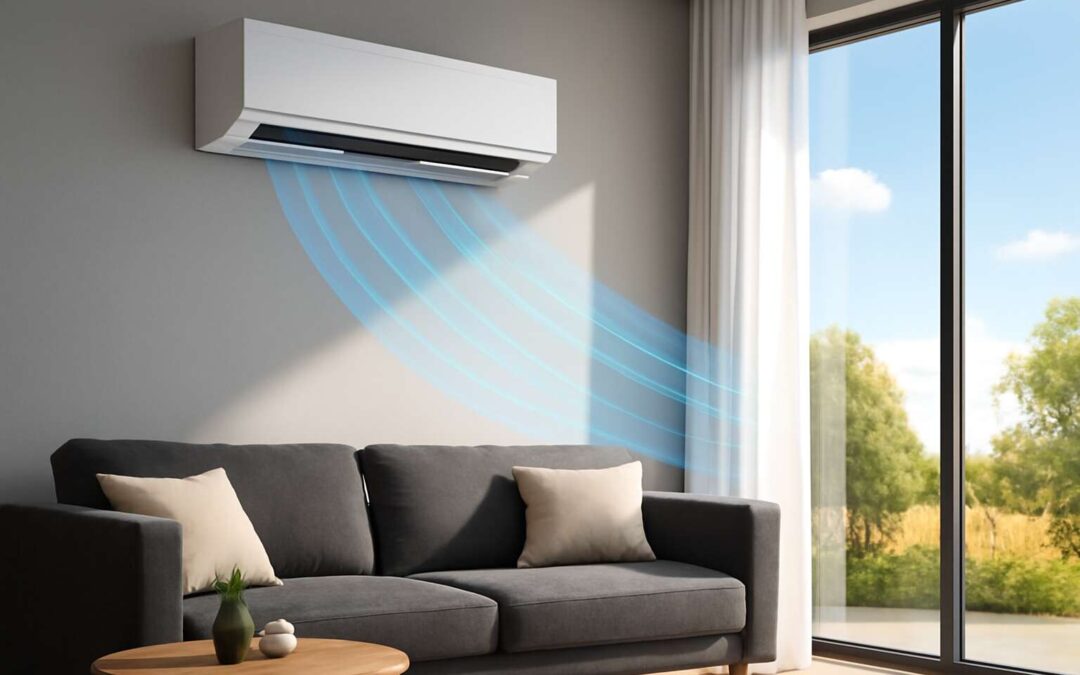
There are several types of air conditioning systems suitable for different needs. Split systems, for instance, are popular for their quiet operation and efficiency, making them ideal for residential spaces. Ducted systems, on the other hand, offer a seamless cooling experience across larger areas, perfect for commercial settings. For those seeking an energy-efficient solution, inverter air conditioners are increasingly favored—they adjust their cooling output to match the room’s needs, reducing electricity consumption.
Understanding these options ensures that residents and businesses in Vredenburg can optimize their indoor environments against the backdrop of South Africa’s diverse climate conditions.
Benefits of Professional Installation
Choosing the right air conditioning vredenburg isn’t simply about cooling a space—it’s about understanding the subtle interplay between environment, human comfort, and technology. When you entrust your space to professional installation, you’re investing in more than just equipment; you’re safeguarding your comfort and peace of mind. Properly installed systems operate more efficiently, last longer, and deliver the cooling performance you expect in Vredenburg’s unpredictable climate.
It’s a misconception that any technician can handle such a task. Skilled professionals ensure the system’s optimal placement, correct refrigerant levels, and airtight seals—elements that profoundly influence energy consumption and indoor air quality. In Vredenburg, where coastal breezes can be interrupted by high humidity or sudden temperature spikes, expert installation becomes even more essential. It transforms a standard air conditioning vredenburg into a reliable sanctuary against nature’s whims.
To truly appreciate the value of professional installation, consider this:
- Proper calibration prevents energy waste.
- Seamless integration enhances system longevity.
- Meticulous setup ensures consistent performance even during Vredenburg’s most extreme weather fluctuations.
Such attention to detail guarantees your investment endures, providing comfort that’s both reliable and sustainable in the face of South Africa’s climate variability. The difference lies in the craftsmanship behind the installation—an unseen, yet vital, element of true cooling mastery.
Factors to Consider When Choosing Air Conditioning in Vredenburg
Climate and Weather Conditions
In a region where summer temperatures can soar past the 30°C mark with relentless tenacity, selecting the right air conditioning vredenburg system becomes less of a luxury and more of a survival skill. The climate here demands thoughtful consideration; after all, an air conditioner that’s perfect for a coastal breeze might be woefully inadequate during the sweltering heatwaves inland.
Weather conditions in Vredenburg are characterized by dry, warm summers and mild winters, which influence the efficiency and longevity of your cooling system. A key factor is humidity – although generally low, it can spike unexpectedly, making dehumidification an underrated feature in air conditioning systems. Additionally, the durability of your unit should be scrutinized in light of the coastal air’s salty tang, which can accelerate corrosion. Choosing an air conditioning vredenburg setup with corrosion-resistant components ensures your investment withstands the test of time.
When navigating the options, consider the following:
- The size and capacity of the system in relation to your space
- Energy efficiency ratings, to keep costs in check
- Compatibility with existing electrical infrastructure
Understanding these factors guarantees not just comfort but also the resilience of your cooling solution amidst Vredenburg’s unique climate nuances.
Home and Business Size
In the quiet coastal enclave of Vredenburg, where the sun’s relentless gaze sculpts the day and the sea whispers secrets of resilience, selecting the right air conditioning vredenburg becomes an art of harmony. The size of your home or business is the first brushstroke on this canvas—too small a system, and the sweltering heat will overpower it; too large, and it’ll cycle endlessly, wasting precious energy and money.
Understanding the delicate balance between space and cooling capacity is paramount. For sprawling commercial premises, a robust, high-capacity air conditioning vredenburg can transform an environment from oppressive to invigorating. Conversely, cozy homes require a more nuanced approach to avoid the pitfalls of over- or under-sizing.
Consider this: the efficiency of your cooling solution hinges on precise calculation—a misstep could turn comfort into a costly ordeal. Whether for a bustling office or a serene residence, the right size ensures not only comfort but also longevity and energy savings. In Vredenburg’s unique climate, where coastal humidity and inland heat collide, tailoring your air conditioning vredenburg to your space is an investment in enduring solace and resilience.
Energy Efficiency and Costs
When selecting the ideal air conditioning vredenburg, energy efficiency and cost considerations are paramount. In a climate where coastal humidity meets inland heat, choosing an energy-efficient system not only reduces your carbon footprint but also cuts down on long-term expenses. The initial investment might seem steep, but the savings on electricity bills and maintenance can make a significant difference over time.
Many homeowners and business owners overlook the importance of understanding the operational costs associated with different systems. A well-chosen air conditioning vredenburg can operate quietly while maintaining optimal comfort, even during the hottest days. To get the most out of your system, consider:
- Energy ratings of the units
- Cost of repairs and maintenance
- Availability of spare parts in Vredenburg
Opting for models with high energy efficiency ratings ensures your space remains cool without draining your finances. Balancing these factors with the specific needs of your home or business ultimately leads to a more sustainable, cost-effective cooling solution tailored for Vredenburg’s unique climate.
Budget and Financing Options
Choosing the right air conditioning vredenburg involves more than just picking a model; it’s about aligning your budget with the long-term investment. Vredenburg’s fluctuating climate demands a system that balances efficiency with affordability, ensuring comfort without financial strain.
Many overlook the importance of flexible financing options, which can make upgrading to a high-quality air conditioning vredenburg more accessible. From leasing plans to installment payments, these options can ease the initial expense while still providing reliable cooling.
When evaluating your options, consider the total cost of ownership, including energy bills and maintenance. A well-chosen system with competitive financing can transform your space into a cool haven, regardless of the season’s unpredictability. Remember, the key to a seamless cooling experience lies in understanding your financial boundaries while prioritizing durability and efficiency in your air conditioning vredenburg.
Top Brands and Models of Air Conditioners Available in Vredenburg
Popular Brands
In the vibrant tapestry of Vredenburg’s climate, selecting the right air conditioning system is akin to finding a trusted companion for those scorching summer days. When it comes to air conditioning Vredenburg, the market boasts an array of top brands that promise both reliability and innovation. These brands have earned their reputation by blending cutting-edge technology with user-friendly features, ensuring comfort doesn’t come at the expense of energy efficiency.
Popular brands for air conditioning Vredenburg include giants like Daikin, Mitsubishi Electric, and LG. Each offers a spectrum of models designed to cater to diverse needs, from sleek wall-mounted units perfect for modern homes to robust split systems ideal for larger commercial spaces. For those seeking sophistication paired with performance, these brands deliver with advanced filters, silent operation, and smart connectivity features.
- Daikin’s flagship models stand out for their durability and eco-friendly refrigerants.
- Mitsubishi Electric’s energy-efficient units are celebrated for whisper-quiet operation.
- LG’s innovative designs combine aesthetic appeal with smart technology, making them a favorite in Vredenburg’s residential and business environments.
Recommended Models for Different Needs
In the dynamic climate of Vredenburg, choosing the right air conditioning system is more than just a matter of comfort—it’s about embracing innovation that withstands the test of time. For those seeking reliable air conditioning Vredenburg, the market offers a compelling array of top brands, each with models tailored to diverse needs. These brands are renowned not only for their durability and efficiency but also for their commitment to eco-friendly technology, making them a smart investment for both homes and businesses.
Leading the pack are brands like Daikin, Mitsubishi Electric, and LG, which have earned their reputation through cutting-edge features and dependable performance. Daikin’s flagship models are celebrated for their eco-conscious refrigerants and durability, ensuring longevity even in Vredenburg’s fluctuating climate. Mitsubishi Electric excels in delivering whisper-quiet operation and energy efficiency, making it ideal for quiet, comfortable indoor environments. LG, on the other hand, combines aesthetic finesse with smart connectivity, appealing to modern Vredenburg residents who value both style and functionality.
For those considering specific needs, here are some recommended models:
- Daikin FTKM Series — Perfect for energy-conscious households seeking eco-friendly solutions.
- Mitsubishi Electric MSZ Series — Ideal for large spaces that require silent, efficient cooling.
- LG ArtCool Series — Aesthetic and smart, suitable for contemporary homes and small offices.
Understanding these top brands and models allows Vredenburg residents to make informed decisions that blend innovation with practicality, ensuring their indoor environments remain a refuge from the often unpredictable South African weather. When selecting air conditioning Vredenburg, it’s about matching the right technology with your unique spatial and lifestyle needs, ensuring comfort that lasts through every season.
Maintenance and Servicing of Air Conditioners in Vredenburg
Routine Maintenance Tasks
Regular maintenance and servicing of air conditioning Vredenburg units are essential for ensuring optimal performance and longevity. Many overlook this crucial step, but neglecting routine upkeep can lead to increased energy costs and unexpected breakdowns. Studies show that properly maintained air conditioning systems can operate up to 30% more efficiently, saving money and reducing environmental impact.
During routine maintenance tasks, technicians typically check for refrigerant leaks, clean or replace filters, and inspect electrical components. These simple actions can significantly improve airflow and cooling efficiency. For residents and business owners in Vredenburg, scheduling regular service ensures that the unit remains effective despite the region’s fluctuating climate and weather conditions.
For a comprehensive approach, consider implementing a maintenance schedule that includes:
- Cleaning condenser and evaporator coils
- Checking thermostat calibration
- Inspecting ductwork for leaks or blockages
By investing in routine maintenance, you not only extend the life of your air conditioning Vredenburg system but also contribute to a healthier indoor environment. After all, a well-maintained AC unit is the backbone of comfort in any home or business setting.
Importance of Regular Servicing
In the bustling heart of Vredenburg, where the climate can swing from scorching to surprisingly chilly, maintaining your air conditioning Vredenburg isn’t just a matter of comfort—it’s a strategic investment. Studies reveal that a well-serviced AC unit can operate up to 30% more efficiently, translating into significant savings on energy bills and a lighter environmental footprint. Yet, many overlook the silent virtue of routine servicing, risking costly breakdowns just when you need cool relief the most.
Regular maintenance of your air conditioning Vredenburg ensures it remains a reliable guardian against the region’s unpredictable weather patterns. From cleaning coils to inspecting electrical components, each step preserves the unit’s prowess. An effective service routine might include:
- Checking refrigerant levels and sealing leaks
- Replacing or cleaning filters for optimal airflow
- Inspecting ductwork for leaks or obstructions
By dedicating time and attention to these essential tasks, residents and business owners not only prolong the lifespan of their air conditioning Vredenburg but also foster a healthier indoor environment—because nothing beats a cool, well-maintained space when the heat waves roll in with South African fervor.
Local Service Providers in Vredenburg
In Vredenburg’s vibrant and ever-changing climate, a dependable air conditioning Vredenburg becomes more than just a luxury—it is an essential safeguard against the region’s capricious weather patterns. Maintaining your AC system through expert servicing ensures it operates at peak performance, saving you energy and money in the long run. Local service providers in Vredenburg understand the unique demands of the area, offering tailored maintenance solutions that extend the lifespan of your unit and enhance indoor air quality.
Professional technicians specializing in air conditioning Vredenburg perform comprehensive checks, including refrigerant level assessments, filter replacements, and duct inspections. Regular servicing by skilled professionals can identify potential issues early, preventing costly breakdowns when the heat intensifies. Many service providers also offer flexible maintenance plans, making it easier for residents and business owners to keep their systems in perfect condition without disrupting daily routines.
Choosing the right local service provider for your air conditioning Vredenburg is about more than just convenience; it’s about investing in peace of mind and sustainable comfort. With expert maintenance, your AC can deliver efficient cooling, even during Vredenburg’s hottest days—proving that a well-maintained system is truly an investment in comfort and resilience.
Where to Buy and How to Find Reliable Air Conditioning Installers in Vredenburg
Trusted Retailers and Suppliers
Finding the perfect air conditioning vredenburg supplier isn’t just about snagging the first shiny unit that catches your eye — it’s about choosing a partner who understands the subtleties of local climate and your specific needs. With so many options, navigating the maze of trusted retailers can feel overwhelming, but fear not! Reliable providers in vredenburg often come with a reputation built on quality service and genuine expertise.
If you’re wondering where to buy, start by seeking out well-established shops and authorized distributors. These retailers often boast a range of top brands and models tailored to both residential and commercial needs. To ensure you’re working with reputable installers and suppliers, consider the following:
- Check online reviews and testimonials from local customers.
- Inquire about the warranty and after-sales service policies.
- Verify their certifications and professional affiliations.
In vredenburg, trusted retailers and local service providers are your best bet to ensure the longevity and efficiency of your air conditioning vredenburg system. Remember, investing in reliable installation and quality units is a surefire way to beat the heat — and keep your cool when the mercury rises!
Choosing the Right Installer
In the quest for the perfect air conditioning vredenburg, the journey begins with where to buy and how to find reliable installers who can transform your space into a sanctuary of cool comfort. The city’s climate demands more than just a unit; it calls for a partner who understands the nuances of local weather patterns and the intricacies of installation. Reliable retailers and authorized distributors are your first beacon—offering top brands and tailored solutions for both homes and businesses.
To ensure your investment stands the test of time, delve into online reviews and testimonials from local customers, a window into the true quality of service. Ask about warranties and after-sales support—these promise peace of mind long after the installation is complete. In Vredenburg, trusted service providers often come recommended through local networks and professional affiliations, serving as guardians of your cooling comfort.
- Start with well-established shops known for their credibility.
- Verify certifications and professional memberships to ensure expertise.
- Seek recommendations from trusted neighbors or business contacts.
Choosing the right air conditioning vredenburg isn’t merely a transaction; it’s a commitment to sustained comfort. When you find a reputable installer, you’re not just purchasing a cooling system—you’re investing in a partnership that safeguards your environment against the relentless South African heat, weaving reliability into every breath of air you take.
Getting Quotes and Comparing Offers
Vredenburg’s climate can be unforgiving, with scorching days that demand more than just a fan—it calls for a reliable air conditioning vredenburg that transforms your space into a cool haven. Finding where to buy your ideal system and how to connect with dependable installers is crucial in this pursuit of comfort. Local retailers and authorized distributors serve as your first port of call, offering an array of trusted brands tailored for both residential and commercial needs.
When seeking quotes, don’t hesitate to explore multiple options. Comparing offers from different service providers can reveal the best value for your investment. Look for installers with certified expertise and a reputation for professionalism—these qualities ensure your air conditioning vredenburg is installed correctly and will perform optimally over time. Recommendations from neighbors or business contacts often illuminate the path to trustworthy providers, weaving community trust into your decision-making process.
- Reach out to established shops known for credibility in Vredenburg.
- Ask about warranties and after-sales support to guarantee peace of mind.
- Request detailed quotes, ensuring all costs and services are transparent.
by | Jul 28, 2025 | Air Conditioning
Overview of Refrigeration and Air Conditioning Industry
Market Overview – Current trends and growth prospects in the HVAC&R sector
The refrigeration and air conditioning industry is experiencing a seismic shift, driven by rapid technological advancements and an urgent demand for sustainable solutions. In South Africa, the sector’s growth is not just a trend but a reflection of changing lifestyles and the pressing need for energy-efficient climate control. As cities expand and infrastructure modernizes, the demand for skilled professionals in refrigeration and air conditioning jobs continues to soar. It’s a field that demands both technical mastery and an adaptive mindset, especially as eco-conscious initiatives reshape industry standards.
Current trends reveal a pivot towards smart climate systems, renewable energy integration, and innovative refrigerants that minimize environmental impact. These developments open up a world of opportunities for technicians and engineers eager to embrace cutting-edge challenges. The future of the HVAC&R sector in South Africa looks promising, with a forecasted compound annual growth rate that outpaces many other industries. For those considering a career in refrigeration and air conditioning jobs, this is a time of unparalleled potential—an arena where expertise not only sustains livelihoods but also contributes to a more sustainable planet.
Importance of Refrigeration and AC Jobs – Role in commercial, residential, and industrial sectors
In the intricate dance of modern life, refrigeration and air conditioning jobs serve as the silent maestros orchestrating comfort and safety. These vital roles extend far beyond mere convenience, underpinning the very fabric of South Africa’s bustling commercial, residential, and industrial sectors. As urban landscapes swell and industries evolve, the demand for skilled technicians and engineers in refrigeration and air conditioning jobs intensifies, becoming a cornerstone of sustainable development.
From preserving perishable goods in sprawling supermarkets to maintaining optimal climate control in towering office blocks, the significance of these careers cannot be overstated. They safeguard not only food security but also health, productivity, and environmental integrity. It’s a field where innovation meets necessity, with professionals harnessing cutting-edge refrigerants and smart climate systems to forge a greener future. For those passionate about blending technical mastery with a commitment to sustainability, refrigeration and air conditioning jobs offer a realm of boundless opportunity and profound impact.
Popular Job Roles – Technicians, installers, service managers, and more
In the bustling corridors of South Africa’s ever-expanding urban landscapes and industrial hubs, the refrigeration and air conditioning industry stands as an unsung hero—quietly ensuring that the world keeps turning smoothly. The industry’s backbone comprises a diverse array of roles, each vital to maintaining the delicate balance of climate control and food preservation. These careers are anything but monotonous; they require a blend of technical finesse and a knack for problem-solving that would make Sherlock Holmes envious.
Among the most prominent positions are refrigeration and air conditioning technicians, whose expertise keeps our coolers cold and our offices comfortable. Installers are the artisans behind the sleek systems that seamlessly integrate into new buildings, while service managers oversee the intricate ballet of maintenance and repairs—ensuring that systems operate with precision and efficiency. For those who thrive in leadership, roles like project engineers and technical supervisors offer opportunities to shape the future of the industry.
- Refrigeration and air conditioning technicians
- Installers and commissioning specialists
- Service managers and maintenance coordinators
- Design engineers and project planners
Whether in residential settings, commercial establishments, or industrial complexes, each role demands a unique skill set. The industry’s growth is propelled by the relentless pursuit of greener, smarter solutions—making these jobs not just essential but also incredibly rewarding for those passionate about innovation and sustainability. Indeed, refrigeration and air conditioning jobs form the backbone of many sectors, quietly shaping South Africa’s sustainable development trajectory with every system installed or repaired.
Types of Refrigeration and Air Conditioning Jobs
Installation Specialist – Setting up new refrigeration and HVAC systems
When it comes to refrigeration and air conditioning jobs, the role of the installation specialist is nothing short of an art form—think of them as the maestros conducting the symphony of cool. These professionals are the first line of defense in ensuring that new refrigeration and HVAC systems are set up with precision, safety, and a dash of flair. From sprawling industrial coolers to sleek residential units, their expertise transforms technical blueprints into tangible comfort. Did you know that a well-installed system can slash energy bills and boost efficiency? That’s the magic of a skilled installer in the refrigeration and air conditioning jobs arena.
In the world of refrigeration and air conditioning jobs, installation specialists often juggle a variety of tasks, including system layout, component placement, and rigorous testing. To make the process smoother, many follow a step-by-step approach:
- Assessing the site for optimal placement
- Connecting electrical wiring and refrigerant lines
- Calibrating temperature controls for peak performance
Whether working on a commercial supermarket or a cozy South African home, these professionals ensure each system operates flawlessly from the moment it’s switched on. Their work is the backbone of cool comfort, making refrigeration and air conditioning jobs both challenging and rewarding—because nobody likes a warm, stuffy office or a supermarket without cold storage!
Maintenance Technician – Routine checks and preventative maintenance
Within the realm of refrigeration and air conditioning jobs, maintenance technicians play a vital role in keeping systems running smoothly and efficiently. Their work often involves routine checks that prevent small issues from spiraling into costly repairs. It’s like tending to a garden—regular care ensures the health and longevity of the entire system. These professionals meticulously inspect components, clean filters, and verify refrigerant levels, making sure everything operates at peak performance.
Preventative maintenance is more than just a chore; it’s a safeguard for comfort and safety. In many cases, technicians follow a structured process that includes:
- Checking electrical connections and controls
- Testing system pressures and refrigerant cycles
- Replacing worn-out parts before failure occurs
By staying vigilant, maintenance technicians help businesses and households avoid unexpected breakdowns, reducing downtime and energy costs. In the often unpredictable South African climate, their expertise is the backbone of reliable refrigeration and air conditioning systems—keeping the cool in the heat of everyday life. Truly, these jobs embody dedication and precision, ensuring comfort in every corner of our communities.
Repair Technician – Diagnosing and fixing system faults
Refrigeration and air conditioning jobs encompass a fascinating spectrum of roles, each crucial to maintaining the delicate balance of comfort and efficiency. Among these, repair technicians stand out as the troubleshooters—those who diagnose and rectify system faults with precision. Their work often feels like solving a complex puzzle, where every clue counts in restoring optimal performance.
Fault diagnosis requires more than just technical knowledge; it demands an intuitive understanding of how systems behave under stress. Repair technicians use specialized tools to identify issues such as refrigerant leaks, electrical failures, or compressor faults. Once pinpointed, they proceed to fix these issues swiftly, ensuring minimal disruption to clients. In some cases, they follow a structured process, which might include:
- Inspecting electrical controls for signs of wear or damage
- Testing system pressures and refrigerant cycles to uncover inefficiencies
- Replacing worn or faulty components before a system fails completely
Whether working on commercial refrigeration units or residential air conditioning systems, these technicians play an essential role in the ongoing success of refrigeration and air conditioning jobs across South Africa. Their expertise not only keeps systems operational but also safeguards energy efficiency and safety, especially in the unpredictable South African climate. It’s a profession steeped in mystery and mastery, where each repair restores more than just a machine—it restores comfort and peace of mind.
Design and Engineering Roles – Developing system specifications and blueprints
In the realm of refrigeration and air conditioning jobs, the artistry of design and engineering stands as the foundation upon which all successful systems are built. Crafting blueprints and developing system specifications require a blend of technical mastery and visionary thinking—imagine architects of comfort meticulously sketching the future of climate control. Each detail, from condenser placement to airflow pathways, is carefully calculated to ensure peak efficiency and durability.
Engineers working in this field often utilize a combination of advanced software and hands-on experience to create innovative solutions tailored to diverse environments. Their role involves selecting appropriate components, determining optimal refrigerant cycles, and ensuring compliance with safety standards. As part of this process, they might employ a structured approach, such as:
- Assessing site-specific conditions and client needs
- Designing system schematics that maximize energy efficiency
- Specifying materials and equipment for seamless installation
- Simulating system performance to prevent future faults
These detailed blueprints do more than just guide installation—they lay the groundwork for future maintenance, repairs, and upgrades. In South Africa’s diverse climates, where extreme heat and unpredictable weather challenge even the most advanced systems, the role of design and engineering in refrigeration and air conditioning jobs becomes all the more vital. It’s a dance of precision and innovation, ensuring that every system not only functions but thrives amidst the elements.
Sales and Customer Support – Providing product knowledge and after-sales services
In the vibrant landscape of South Africa’s climate, the roles within refrigeration and air conditioning jobs transcend mere technicality—they embody the art of comfort and resilience. Sales and customer support professionals serve as the vital bridge between innovation and end-user satisfaction, transforming technical jargon into accessible knowledge that empowers clients. Their expertise ensures that each system not only meets but exceeds expectations, fostering trust and long-term relationships.
Understanding product specifications and mastering after-sales service are crucial facets of this domain. Whether guiding a client through selecting an energy-efficient air conditioning unit or troubleshooting a complex refrigeration system, these roles demand both patience and profound technical insight. Often, they employ a combination of detailed product knowledge and empathetic communication to deliver solutions that stand the test of time.
In the realm of refrigeration and air conditioning jobs, a well-informed support team can elevate the entire industry. They often utilize tools such as:
- Customer feedback analysis to refine product offerings
- Technical training sessions to stay ahead of industry innovations
- On-site consultations to tailor solutions to diverse environments
Such dedication ensures that every system, whether in a bustling South African commercial hub or a remote industrial site, performs with unwavering reliability. The harmony between sales, support, and technical expertise weaves a tapestry of excellence—one that keeps the pulse of progress steady and strong, even amidst the unpredictable elements of climate and terrain.
Skills and Qualifications Needed
Technical Skills – Knowledge of refrigeration cycles, electrical systems, and HVAC equipment
In the enchanted realm of refrigeration and air conditioning jobs, technical mastery is the key to unlocking the secrets of comfort and innovation. A deep understanding of refrigeration cycles, electrical systems, and HVAC equipment is the foundation that transforms skilled technicians into artisans of climate control. These professionals don’t just fix systems—they breathe life into machines that keep our homes, businesses, and industries humming smoothly.
To excel in this field, one must possess a blend of analytical prowess and hands-on prowess. Familiarity with electrical wiring, compressor operation, and thermodynamic principles is essential. Many practitioners also develop expertise in diagnosing complex faults, often requiring a keen eye for detail and a methodical approach. For those eager to elevate their craft, gaining certifications in refrigeration and air conditioning jobs can be a game-changer! Such qualifications not only validate skills but open doors to more advanced roles and higher earning potential.
Whether installing a new system, conducting routine maintenance, or troubleshooting a stubborn fault, these skills form the backbone of a thriving career in HVAC&R. It’s a world where precision, knowledge, and passion converge to create environments of comfort and efficiency—an enchanting dance of science and artistry.
Certifications and Licenses – EPA certification, HVAC licenses, manufacturer certifications
In the world of refrigeration and air conditioning jobs, certifications aren’t just fancy paper—they’re your golden ticket to credibility and career advancement. South Africa’s HVAC&R industry is evolving fast, and employers are on the lookout for professionals who can back up their skills with recognized qualifications. An EPA certification, for instance, is as essential as a good set of screwdrivers—without it, your chances of landing those high-paying roles are slim to none.
Beyond EPA credentials, possessing a valid HVAC license demonstrates your mastery of local regulations and safety standards. Many technicians also pursue manufacturer certifications—think of them as exclusive club memberships that showcase your expertise in specific brands or systems. These qualifications not only boost your confidence but also elevate your standing in the competitive landscape of refrigeration and air conditioning jobs.
For those eager to stand out, an ordered list of crucial certifications includes:
- EPA Certification – for handling refrigerants legally and safely.
- South African HVAC License – mandatory for operating within legal and safety frameworks.
- Manufacturer Certifications – specialized training for brands like Daikin, Mitsubishi, or Trane.
Securing these licenses and certifications isn’t just about ticking boxes; it’s about proving you’re serious about your craft and ready to take on complex refrigeration and air conditioning jobs with confidence. After all, in this industry, knowledge is power—and certification is the key to unlocking the door to a thriving, lucrative career.
Soft Skills – Problem-solving, communication, and customer service abilities
In the realm of refrigeration and air conditioning jobs, technical prowess alone isn’t enough. True mastery combines a suite of soft skills that elevate a technician from capable to exceptional. Problem-solving, for instance, is the backbone of every repair—each fault a puzzle waiting to be deciphered. The ability to think critically under pressure can mean the difference between a quick fix and a prolonged outage, especially in South Africa’s unpredictable climate.
Equally vital is communication. Clear, empathetic dialogue with clients fosters trust and ensures that everyone is aligned on expectations. Customer service abilities transform routine jobs into opportunities for building lasting relationships—something every professional in refrigeration and air conditioning jobs should prioritize. Additionally, teamwork is often underestimated but essential, especially when handling complex projects that require coordination among specialists.
To thrive in this field, consider honing these core soft skills:
- Problem-solving—crafting innovative solutions in high-pressure situations.
- Effective communication—conveying technical details clearly and compassionately.
- Customer service—building rapport and ensuring client satisfaction.
While technical skills open doors, it’s these nuanced human attributes that sustain a long, rewarding career in refrigeration and air conditioning jobs. They’re what truly set a professional apart in this fiercely competitive industry, where trust and expertise go hand in hand.
Training and Education – Vocational training, apprenticeships, and technical colleges
Embarking on a career in refrigeration and air conditioning jobs is like stepping into a realm where technical mastery meets artistry. While possessing practical skills is crucial, it’s the foundational training and education that truly unlocks the door to opportunity. In South Africa’s dynamic HVAC&R sector, a solid educational background can transform a novice into a sought-after expert. Vocational training, apprenticeships, and technical colleges serve as the fertile ground where aspiring technicians cultivate their craft. These pathways offer hands-on experience and theoretical knowledge, essential for understanding complex refrigeration cycles and HVAC systems.
Many seasoned professionals recommend a blend of formal learning and real-world exposure. For instance, completing an apprenticeship not only refines technical skills but also nurtures soft skills like problem-solving and communication—traits that elevate a technician from competent to exceptional. The journey often culminates in acquiring industry-recognized certifications and licenses, such as EPA certification or HVAC licenses, which prove proficiency and commitment to safety standards.
- Enroll in accredited technical colleges offering specialized courses in refrigeration and air conditioning.
- Participate in apprenticeships to gain practical experience under the mentorship of seasoned technicians.
- Obtain relevant certifications to bolster credibility and meet industry regulations.
Ultimately, comprehensive training and education in refrigeration and air conditioning jobs weave together technical prowess with professional integrity—fueling careers that are both rewarding and resilient amidst South Africa’s ever-evolving climate challenges.
Career Pathways and Advancement Opportunities
Entry-Level Positions – Apprenticeships and assistant roles
Embarking on a career in refrigeration and air conditioning jobs offers a compelling blend of technical mastery and practical impact. For those just starting out, entry-level positions such as apprenticeships and assistant roles serve as vital stepping stones. These roles provide hands-on experience, allowing aspiring technicians to learn the intricacies of refrigeration cycles, electrical systems, and HVAC equipment under the guidance of seasoned professionals. The beauty of these initial steps lies in their accessibility; they often require no more than a vocational qualification and a passion for problem-solving.
Furthermore, the pathway to advancement in refrigeration and air conditioning jobs is both structured and rewarding. Many professionals progress from maintenance technician roles to specialized repair technicians, and eventually to supervisory or design positions. For those eager to climb the ladder, there are numerous opportunities to develop advanced skills and acquire certifications like EPA or HVAC licenses, which significantly enhance career prospects. The industry’s demand for skilled technicians ensures a dynamic career trajectory filled with continual learning and professional growth.
Mid-Level Roles – Senior technicians, project supervisors
As professionals ascend the ladder in refrigeration and air conditioning jobs, their roles evolve into vital leadership positions that shape the industry’s future. Mid-level roles such as senior technicians and project supervisors demand a blend of technical expertise and strategic oversight. These individuals are often responsible for managing complex projects, coordinating teams, and ensuring that installations and repairs meet stringent standards. It’s a stage where mastery over refrigeration cycles, electrical systems, and HVAC equipment becomes second nature, and leadership skills take center stage.
For those seeking to advance further, opportunities abound to specialize in areas like system design or energy efficiency consulting. Many senior technicians pursue advanced certifications, including HVAC licenses or manufacturer-specific credentials, which bolster their credibility and open doors to higher responsibilities. In the vibrant landscape of South Africa’s HVAC&R industry, the demand for experienced professionals in refrigeration and air conditioning jobs fuels a dynamic career pathway—one rich with continual learning and the chance to influence the technological trajectory of cooling and climate control systems.
- Lead complex refrigeration system installations on large-scale commercial projects
- Manage maintenance schedules to maximize system longevity and efficiency
- Oversee troubleshooting operations, ensuring rapid resolution of system faults
Specialist and Expert Roles – System designers, energy efficiency consultants
Within the intricate tapestry of the HVAC&R industry, the pathways to expertise stretch far beyond the basics of installation and maintenance. For those drawn to the apex of refrigeration and air conditioning jobs, there lies a realm of specialist and expert roles that demand both visionary thinking and technical mastery. These professionals are not merely operators; they are architects of comfort and efficiency, shaping the future of climate control systems in South Africa’s diverse environments.
System designers exemplify this pinnacle of specialization, crafting blueprints that balance innovation with sustainability. Their work ensures that every component harmonizes seamlessly, optimizing energy consumption while meeting stringent standards. Meanwhile, energy efficiency consultants delve into the essence of sustainability, analyzing existing systems and proposing transformative upgrades that reduce carbon footprints.
Such roles often require advanced certifications—HVAC licenses, manufacturer-specific credentials, and specialized training—making continuous learning an intrinsic part of career growth. As the industry evolves rapidly, these professionals become the guiding force behind cutting-edge refrigeration and air conditioning solutions that serve both industrial giants and residential sanctuaries.
- Develop system specifications that align with environmental and operational demands.
- Conduct comprehensive energy audits, pinpointing opportunities for optimization.
- Lead innovative projects that push the boundaries of efficiency and technological integration.
In the South African context, these specialist and expert roles are not just career milestones—they are vital contributors to a sustainable future. The demand for such high-caliber refrigeration and air conditioning jobs continues to grow, driven by the pressing need for smarter, greener climate control systems that withstand the test of time and climate.
Management Opportunities – Service managers, operations directors
In the dynamic landscape of South Africa’s HVAC&R industry, career progression often mirrors the evolution of climate control technology itself. Management opportunities in refrigeration and air conditioning jobs are particularly compelling, offering a chance to lead teams, shape strategic direction, and influence industry standards. As service managers or operations directors, professionals oversee the entire lifecycle of refrigeration and air conditioning systems, ensuring operational excellence while driving innovation. These roles demand a blend of technical expertise and leadership finesse, allowing individuals to make a tangible impact on sustainability and efficiency.
Advancement pathways are often marked by a series of well-defined stages. For instance, professionals might start as technical specialists, then transition into supervisory roles, before ascending to managerial positions. In some cases, seasoned managers pursue executive roles, steering large-scale projects and pioneering new market solutions. The journey is supported by continuous professional development—certifications such as HVAC licenses or manufacturer-specific credentials are often prerequisites for climbing the ladder. This career trajectory not only offers personal growth but also positions individuals as vital catalysts in South Africa’s push toward greener, smarter refrigeration and air conditioning systems.
Opportunities for leadership extend beyond technical mastery. Many seasoned professionals find fulfillment in mentoring emerging talent or spearheading innovative projects. The industry’s future hinges on those who can integrate cutting-edge technology with strategic management, emphasizing sustainability and operational efficiency. Whether managing a team of technicians or directing complex system installations, the scope for influence in refrigeration and air conditioning jobs remains vast and vital to South Africa’s ongoing development in the HVAC&R sector.
Job Market and Salary Expectations
Employment Outlook – Job growth forecasts and industry demands
The future of refrigeration and air conditioning jobs in South Africa is brighter than ever, fueled by the relentless march of industry demand and technological innovation. As urbanization accelerates and climate conditions become more extreme, the need for skilled professionals in HVAC&R sectors continues to surge. This growth is not just a fleeting trend but a testament to the vital role these careers play in maintaining comfort, safety, and efficiency across commercial, industrial, and residential sectors.
Employment prospects remain promising, with industry forecasts predicting a steady expansion over the next decade. Notably, the demand for refrigeration and air conditioning jobs encompasses a diverse array of roles — from installation specialists to advanced system designers. As infrastructure projects multiply and the push for energy-efficient solutions intensifies, the industry’s workforce is expected to evolve rapidly.
- Work opportunities are abundant for those with a keen eye for technical detail and a passion for problem-solving.
Salary expectations in this field reflect the specialized skill set and certifications required, often surpassing average wages in comparable sectors. As industry demands escalate, so too does the potential for career advancement, making refrigeration and air conditioning jobs an attractive pursuit for ambitious professionals looking to carve out a resilient and rewarding career path.
Average Salaries – Salary ranges based on experience and location
In the vibrant landscape of South Africa’s HVAC&R industry, the job market for refrigeration and air conditioning jobs offers a promising horizon. Salaries reflect the specialized expertise demanded, often surpassing mainstream sectors, especially for those with advanced certifications and experience. Entry-level roles, such as apprenticeships and assistant positions, typically start with modest wages, but as skills develop, so does earning potential. Mid-level technicians and project supervisors often enjoy rewarding pay scales, with salary ranges influenced by location and industry demand.
For instance, in major urban centers like Johannesburg and Cape Town, salaries tend to be higher due to increased industry activity. An experienced refrigeration technician can earn anywhere from R180,000 to R350,000 annually, while senior engineers and system designers command even more.
- Entry-level positions: R80,000 – R150,000
- Mid-level roles: R200,000 – R400,000
- Senior and specialist roles: R400,000+
Those who thrive in this field often demonstrate a blend of technical prowess and soft skills, making them invaluable in maintaining the efficiency and safety of refrigeration and air conditioning systems. As industry demands for sustainable and energy-efficient solutions grow, the allure of lucrative salaries and career advancement within refrigeration and air conditioning jobs continues to shine brightly across South Africa’s dynamic job market.
Factors Influencing Pay – Skill level, certifications, and certification specialization
The job market for refrigeration and air conditioning jobs in South Africa is more dynamic than ever, fueled by an increasing demand for energy-efficient and sustainable solutions. As industry standards evolve, so does the earning potential for those with the right skills and certifications. It’s not just about technical know-how—employers are looking for professionals who blend expertise with soft skills like problem-solving and communication, making them indispensable in maintaining vital systems.
Salary expectations are heavily influenced by several key factors. Skill level remains paramount; entry-level roles such as apprenticeships start modestly but offer a clear pathway to mid- and senior-level positions. Certifications, especially specialized ones like HVAC licenses or manufacturer certifications, dramatically elevate earning potential. For instance, a certified refrigeration technician with advanced training can command salaries far above the average, particularly in high-demand urban centers like Johannesburg and Cape Town.
- Experience and certifications
- Location of employment
- Specialization within refrigeration and air conditioning jobs
Understanding these elements allows professionals to navigate the competitive landscape of refrigeration and air conditioning jobs more strategically, ensuring they are well-positioned for growth and financial reward in this vital sector.
Top Employers – HVAC companies, refrigeration firms, building maintenance providers
In the shadowy corridors of South Africa’s bustling industries, refrigeration and air conditioning jobs pulse with a dark but vital rhythm. These roles are no longer merely technical; they are the heartbeat of modern infrastructure—silent guardians of comfort and preservation. As urban centers like Johannesburg and Cape Town expand, the demand for skilled professionals in this sector surges like an ominous tide, promising lucrative rewards for those who master the craft.
The employment landscape is shaped by top employers—HVAC companies, refrigeration firms, and building maintenance providers—each seeking artisans who can wield their expertise like a wand. Within this realm, salary expectations fluctuate based on experience and specialization. A seasoned refrigeration technician with advanced certifications can command a premium, especially in the city’s shadows where scarcity intensifies value. Conversely, entry-level roles serve as the first steps into a labyrinth of opportunity, where apprenticeships act as gateways to mastery.
- HVAC companies—those titans of climate control—offer a fertile ground for career growth, often leading the charge in innovation and compensation.
- Refrigeration firms, with their focus on cold chain logistics, beckon specialists versed in energy-efficient systems and sustainable solutions.
- Building maintenance providers—keepers of the urban fortress—seek technicians capable of sustaining the vital systems that keep cities alive.
This convergence of sectors creates a tapestry of career paths, each with its own promise of upward mobility and financial reward. As the industry evolves, so too does the potential for those who dare to delve into the mystique of refrigeration and air conditioning jobs—where technical prowess and soft skills intertwine in a dance of shadows and light, shaping the very fabric of South Africa’s modern metropolis.
Tools, Equipment, and Technology in HVAC&R Jobs
Common Tools and Instruments – Manifold gauge sets, thermometers, voltmeters
In the realm of refrigeration and air conditioning jobs, having the right tools and equipment can transform a routine task into a seamless operation. Precision is paramount, and technicians rely heavily on specialized instruments to ensure systems run smoothly. Manifold gauge sets, for instance, are the backbone of any HVAC&R technician’s toolkit, allowing accurate measurement of pressure in refrigerant lines and facilitating efficient system diagnostics. These gauges help prevent costly errors and keep systems operating at peak performance.
Temperature measurement is also vital. Thermometers—ranging from digital probes to infrared devices—offer instant readings that guide technicians through troubleshooting and calibration. Voltmeters, another essential instrument, enable technicians to verify electrical connections, ensuring safety and proper functioning of complex HVAC systems. With the advent of smart technology, many technicians now utilize advanced digital tools that connect via mobile apps, providing real-time data and enhancing troubleshooting efficiency.
In addition to basic instruments, specialized equipment like leak detectors, vacuum pumps, and refrigerant recovery units are crucial for maintaining the integrity of refrigeration and air conditioning jobs. These tools, combined with cutting-edge technology, empower technicians to deliver reliable, energy-efficient solutions. Whether working on residential units or large industrial systems, mastery of these instruments ensures every HVAC&R job is completed with precision and confidence.
Emerging Technologies – Smart thermostats, IoT-enabled systems
In the ever-evolving landscape of refrigeration and air conditioning jobs, emerging technologies are transforming the craft into a symphony of innovation and precision. The advent of smart thermostats and IoT-enabled systems breathes new life into traditional HVAC&R practices, elevating them from routine maintenance to a realm of interconnected intelligence. These sophisticated systems communicate seamlessly, allowing technicians to monitor and adjust climate controls remotely, often through mobile applications that provide real-time data at their fingertips.
Such technological marvels empower refrigeration and air conditioning jobs with unparalleled accuracy. For instance, IoT devices can flag anomalies before they escalate, enabling proactive interventions that save energy and extend equipment lifespan. In this digital age, mastery of these smart systems is no longer optional but essential for professionals seeking to stay ahead in the industry.
To navigate this futuristic terrain, technicians often utilize tools like digital multimeters, wireless sensors, and cloud-connected diagnostics. These instruments form a nexus of data, translating complex environmental variables into actionable insights. As the industry marches forward, the integration of cutting-edge technology into HVAC&R jobs continues to redefine what is possible—making every installation, maintenance, or repair a testament to ingenuity and expertise.
Safety Equipment – Protective gear, refrigerant handling safety devices
In the realm of refrigeration and air conditioning jobs, safety equipment is the silent guardian that transforms routine tasks into acts of precision and protection. Protective gear—such as insulated gloves, eye protection, and steel-toed boots—creates a barrier against the potential hazards that lurk in refrigerant handling and electrical work. These tools are not just safety regulations; they are essential allies in preserving health and ensuring flawless execution.
Refrigerant handling safety devices further elevate the standards of safety in HVAC&R jobs. Devices like refrigerant recovery machines and leak detectors serve as vigilant sentinels, preventing accidental releases and safeguarding technicians from harmful exposure. For instance, leak detection tools—often employing ultrasonic or electronic sensors—allow technicians to pinpoint leaks with surgical accuracy, saving both time and environmental integrity.
Moreover, the integration of innovative tools such as manifold gauge sets, thermometers, and voltmeters deepens the technician’s mastery over complex systems. These instruments facilitate meticulous diagnostics and seamless adjustments, maintaining the delicate balance of temperature and pressure that sustain refrigeration and air conditioning systems. In this enchanted dance of technology and skill, the right safety equipment and tools are the ultimate enablers of excellence in every refrigeration and air conditioning job.
Job Safety and Industry Regulations
Health and Safety Protocols – Handling refrigerants safely, electrical safety
In the shadowy corridors of refrigeration and air conditioning jobs, safety is not merely a protocol but a sacred vow. Every technician must walk the fine line between mastery and peril, especially when handling refrigerants that can turn toxic or explosive if mishandled. The industry’s strict adherence to health and safety protocols ensures that this delicate dance does not end in tragedy.
Electrical safety remains paramount; a single misstep can lead to catastrophic consequences. Proper grounding, insulated tools, and updated wiring practices form the backbone of secure work environments. To navigate these risks, professionals often rely on a combination of protective gear and specialized refrigerant handling safety devices. It’s a dance with danger that demands discipline and vigilance.
Industry regulations serve as the guiding stars for those working in refrigeration and air conditioning jobs. These rules, enforced by local authorities and international standards, safeguard workers and clients alike. In South Africa, compliance with these stringent regulations is vital, ensuring systems operate efficiently while protecting human lives and the environment. After all, safety isn’t just a requirement—it’s a moral imperative.
Compliance Standards – Local, state, and federal regulations
In the complex tapestry of refrigeration and air conditioning jobs, safety standards are not merely a checklist but a moral compass guiding every technician’s hand. South Africa’s industry is governed by a labyrinth of local, state, and federal regulations that demand unwavering compliance. These standards serve as the bedrock upon which the integrity of every installation, repair, and maintenance operation rests—ensuring that systems operate efficiently while safeguarding human lives and the environment.
Adherence to industry regulations—such as South Africa’s Occupational Health and Safety Act and international standards—ensures that refrigeration and air conditioning jobs are executed within a framework of accountability and precision. This compliance involves meticulous documentation, regular safety audits, and ongoing training to keep pace with technological advances and evolving safety protocols. Properly equipped technicians rely on a combination of protective gear and safety devices to navigate the inherent risks of refrigerant handling and electrical work, preventing tragedies and fostering a culture of vigilance.
Ultimately, safety in refrigeration and air conditioning jobs is an ethical imperative—an unshakeable commitment to protecting lives, property, and the planet. As the industry evolves, so too must the standards that uphold its integrity, ensuring every project is completed with discipline, precision, and unwavering respect for the regulations that define our profession.
Environmental Considerations – Refrigerant leak prevention and eco-friendly practices
In the intricate dance of refrigeration and air conditioning jobs, safety and environmental stewardship are the silent symphony guiding every technician’s movement. The industry’s commitment to adhering to stringent safety standards isn’t just about compliance—it’s a moral duty to protect lives and preserve our planet’s fragile balance. Every refrigerant leak prevented and eco-friendly practice adopted echoes a dedication to a sustainable future, transforming technical work into a noble pursuit.
Environmental considerations take center stage as technicians employ meticulous leak prevention techniques. Using advanced tools like manifold gauge sets and thermometers, they vigilantly monitor systems to prevent refrigerant escapes—an act critical to safeguarding the ozone layer and reducing greenhouse gases. Embracing eco-friendly practices, such as recycling refrigerants and opting for refrigerants with lower global warming potential, exemplifies the industry’s evolution toward greener solutions.
Industry regulations in South Africa are the compass that guides these efforts. From local legislation to international standards, strict adherence ensures that every installation and maintenance task aligns with environmental and safety mandates. In this realm, safety equipment like refrigerant handling safety devices and electrical safety gear becomes the armor that shields technicians from inherent risks, fostering a culture of vigilance and responsibility. Ultimately, the fusion of safety and environmental consciousness elevates refrigeration and air conditioning jobs from routine tasks to acts of environmental guardianship, all underpinned by unwavering compliance standards.
How to Start a Career in Refrigeration and Air Conditioning
Educational Pathways – Vocational schools, community colleges
Embarking on a career in refrigeration and air conditioning jobs can be both rewarding and strategically sound, especially considering the sector’s projected growth in South Africa. Educational pathways such as vocational schools and community colleges serve as vital stepping stones, providing foundational knowledge and practical skills essential for success. These institutions often offer specialized programs that focus on HVAC&R systems, equipping students with technical expertise and industry-recognized certifications.
For those eager to dive into refrigeration and air conditioning jobs, choosing the right educational route is crucial. Many programs incorporate hands-on training, apprenticeships, and industry partnerships, ensuring graduates are job-ready. As the sector evolves with emerging technologies like IoT-enabled systems and smart thermostats, continuous learning through these pathways can keep professionals at the forefront of innovation. Whether aiming for entry-level roles or advanced positions, a solid educational foundation opens doors to diverse opportunities in this vital industry.
Gaining Experience – Internships, apprenticeships
Starting a career in refrigeration and air conditioning jobs requires more than just a passion for cool technology; it demands hands-on experience and industry exposure. Gaining practical knowledge is often best achieved through internships and apprenticeships, which serve as invaluable stepping stones into this dynamic sector. These opportunities allow aspiring technicians and installers to learn directly from seasoned professionals, observe real-world applications, and develop confidence in their craft.
Engaging in structured training programs, whether through vocational schools or community colleges, often includes apprenticeships that blend classroom learning with on-the-job experience. Such programs typically involve
- mentorship from industry veterans
- exposure to cutting-edge HVAC&R systems
- building critical skills in troubleshooting and system maintenance
Making the transition from novice to competent professional becomes seamless when you immerse yourself in the practical environment of refrigeration and air conditioning jobs.
For those eager to accelerate their growth, actively seeking out internships or apprenticeship roles not only bolsters your skill set but also expands your professional network, opening doors to advanced opportunities in this ever-evolving industry. The key is to embrace every learning moment and remain curious about emerging technologies like IoT-enabled systems and smart thermostats—frontline innovations in refrigeration and air conditioning jobs today!
Networking and Certification – Professional associations, industry certifications
Building a successful career in refrigeration and air conditioning jobs begins with establishing a strong professional network and obtaining industry-recognized certifications. These elements not only demonstrate your commitment to excellence but also open doors to advanced opportunities within this vital sector of South Africa’s economy. Connecting with industry associations—such as the South African Institute of Refrigeration and Air Conditioning—can provide invaluable resources, mentorship, and access to exclusive job listings.
Simultaneously, earning relevant certifications significantly boosts your credibility. Certifications like EPA, HVAC licenses, and manufacturer-specific credentials serve as tangible proof of your expertise and compliance with safety standards. These credentials are often prerequisites for higher-level roles and tend to influence salary potential and job stability in refrigeration and air conditioning jobs. Engaging with industry bodies and pursuing continuous professional development ensures you stay ahead in this rapidly evolving field.
- Join reputable professional associations to expand your network and stay informed about industry trends.
- Obtain essential certifications that validate your skills and meet local regulatory requirements.
- Participate in specialized training programs to deepen your technical knowledge and practical experience.
In the competitive landscape of refrigeration and air conditioning jobs, a blend of strategic networking and industry certification can be your most powerful tools. These elements not only elevate your professional standing but also position you as a trusted expert capable of tackling complex systems—an essential trait in this dynamic field!
by | Jul 27, 2025 | Air Conditioning
Understanding Why Air Conditioners Leak Water
Common Causes of Water Leaks in AC Units
Air conditioning units are marvels of modern comfort, but they can also be quite temperamental. When air conditioning is leaking water, it often signals an underlying issue that needs attention. Understanding why this occurs is crucial for maintaining efficient cooling and preventing water damage.
One common cause of water leaks in AC units is a clogged condensate drain. Over time, dirt and debris can block the drain line, causing water to back up and spill out. Another frequent culprit is a dirty air filter, which impairs airflow and leads to excess condensation. Additionally, refrigerant leaks can cause the evaporator coil to freeze, and when it melts, water drips continuously—an unmistakable sign that air conditioning is leaking water.
In some cases, improper installation or aging components can also lead to leaks. Regular maintenance and timely repairs are essential to keep your unit working smoothly, especially in South Africa’s diverse climate where AC units face constant demand.
How Air Conditioner Drip Pan and Drain Line Function
In the silent ballet of cooling, your air conditioner performs a delicate dance—yet sometimes, it falters, spilling water like a wounded poet’s tears. Understanding why air conditioning is leaking water requires peering into the unseen mechanisms that keep your comfort intact. At the heart of this mystery lies the drip pan and drain line, silent guardians of condensation’s natural journey.
The drip pan acts as a reservoir, catching excess moisture that forms when warm, humid air meets the cold coils. Meanwhile, the drain line serves as the conduit, whisking away this water to the outside world. When these components function flawlessly, water flows out smoothly, unnoticeable and unobtrusive. But a clog or crack can turn this harmony into chaos, causing water to back up and leak inside your space.
To grasp the importance of these parts is to appreciate their delicate balance. Blockages in the drain line, for instance, can cause standing water to overflow, while a cracked drip pan invites leaks that threaten to dampen your surroundings. When air conditioning is leaking water, it’s often a sign that these vital elements need inspection—before chaos ensues.
Reasons for Clogged Drain Lines
When your air conditioning is leaking water, it’s often a sign that something is amiss deep within the system’s hidden corridors. One common villain in this watery saga is the clogged drain line. Over time, dirt, algae, and debris can accumulate, transforming what should be a smooth escape route into a bottleneck of chaos. Think of it as a traffic jam in your AC’s plumbing—except instead of cars, it’s water backing up and threatening to flood your living room.
This clog effectively traps the condensation, causing water to pool and eventually overflow. The result? Leaking water that looks as if your unit has developed a minor leak in protest. To prevent this, regular maintenance is essential—especially clearing out the drain line before it transforms into a miniature dam. When your air conditioning is leaking water, it’s often a telltale sign that the drain line has fallen victim to this silent clog, demanding urgent attention before your cozy space turns into a swimming pool.
Impact of Refrigerant Issues on Water Leaks
Understanding why air conditioning is leaking water requires a closer look at the intricate dance between temperature, humidity, and system functionality. One often overlooked factor is the impact of refrigerant issues. When refrigerant levels are imbalanced, it can throw off the delicate cooling cycle, leading to abnormal condensation and water leaks.
In fact, low refrigerant levels cause the evaporator coil to freeze, creating a layer of ice that eventually melts and results in water leaking from the unit. Conversely, overcharged refrigerant can also disturb the system’s equilibrium, producing excess condensation that overwhelms the drainage system.
It’s crucial to recognize that refrigerant problems are not just about cooling efficiency—they can be the silent culprits behind persistent water leaks.
- Refrigerant leaks
- Pressure imbalances
- Coil freezing
Each of these issues underscores how vital proper refrigerant management is in preventing water-related malfunctions. When your air conditioning is leaking water, understanding the role of refrigerant can illuminate the root cause and guide effective troubleshooting.
Effect of Dirty Filters and Coils
Amid the quiet hum of a functioning air conditioning unit, a subtle but persistent issue can emerge—water leakage. This phenomenon isn’t merely a nuisance; it’s often a window into deeper mechanical or environmental struggles within your system. When air conditioning is leaking water, one often overlooked culprit is the buildup of dirt and debris on filters and coils. These elements act as the lungs of your system, and when clogged, they hinder airflow, leading to uneven cooling and excess condensation.
Dirty filters trap dust and particles, forcing the system to work harder and creating an environment where moisture cannot evaporate properly. Similarly, coated coils impair heat exchange, resulting in the formation of ice that eventually melts, spilling water. Recognizing these signs underscores the importance of regular maintenance in preserving the delicate balance of your cooling system.
Signs and Symptoms of Water Leaking from Your AC
Visible Water Pooling Near the Unit
When your air conditioning is leaking water, it can feel like a small disaster unfolding right in your living space. One of the clearest signs is visible water pooling near the unit, which leaves a stark reminder that something isn’t quite right. This pooling often appears as a damp patch or a puddle on the floor, sometimes accompanied by a faint musty smell that hints at moisture lingering too long.
Beyond the obvious, you might notice water streaming from the unit itself or moisture collecting on nearby walls and ceilings. These symptoms serve as a silent alarm, signaling that your air conditioning is leaking water in ways that require urgent attention. Such visible water pooling is not just an inconvenience—it can lead to further damage, mold growth, or electrical hazards if left unchecked.
In many cases, the presence of water near your AC unit is the first indication that your system needs inspection. Recognizing these signs early ensures that you can address minor issues before they escalate into costly repairs, keeping your home safe and comfortable through South Africa’s varied climate.
Increased Humidity or Musty Odors
One of the more subtle yet telling signs that your air conditioning is leaking water is an increase in indoor humidity coupled with persistent musty odors. When moisture escapes from your AC unit, it can create an environment that feels damp and clammy, even when the weather outside is dry. This heightened humidity often leads to an uncomfortable, stuffy atmosphere, making your home feel less inviting.
Beyond just discomfort, these symptoms are often accompanied by a noticeable smell—that faint, moldy scent that signals moisture has settled where it shouldn’t. If left unchecked, this lingering dampness can foster mold growth, posing health risks and damaging your property. Recognizing these signs early is crucial to addressing the root cause of why air conditioning is leaking water, safeguarding both your health and your home’s integrity.
Unusual noises during operation
Unusual noises emanating from your air conditioning unit can serve as a silent alarm, hinting at underlying issues that go beyond mere mechanical malfunction. When an air conditioning is leaking water, it often produces sounds that are out of the ordinary—gurgling, dripping, or even a faint clunking—each echoing a deeper problem within the system.
These sounds are not random; they are a language of distress, signaling that water may be escaping in ways it shouldn’t. Sometimes, the noise is subtle—a faint trickle—yet it’s enough to disturb the otherwise peaceful hum of your home. Recognizing these auditory cues early can mean the difference between a minor repair and a costly overhaul.
- Strange gurgling sounds indicating trapped air or blocked drain lines.
- Consistent dripping or hissing noises pointing to leaks or refrigerant issues.
Pay attention to these auditory signals—they’re your home’s way of warning you that your air conditioning is leaking water and needs inspection. Ignoring these signs can lead to more serious damage, turning a simple leak into a costly and disruptive ordeal.
Frequent System Shutdowns
Frequent system shutdowns are a telltale sign that your air conditioning is leaking water — and not just a minor inconvenience, but a potential catastrophe waiting to happen. When your AC unit keeps turning off, it’s like your home’s way of throwing a tantrum, often caused by water-related issues that trigger safety shut-offs. This cycle of constant restarting can wreak havoc on your energy bill and shorten your system’s lifespan.
Another red flag? You might notice that your home feels less cool than usual, or that there’s a persistent dampness lingering around the unit. Sometimes, the system’s built-in safety features kick in, shutting down the AC to prevent water damage or electrical mishaps. If water is leaking from your air conditioning, it could be due to a blocked drain or a failing component, but whatever the cause, these frequent shutdowns are a clear warning sign that your AC isn’t functioning as it should.
Ice Formation on Coils
When the chill of summer turns into an unyielding dampness, your air conditioning is leaking water — a silent siren warning of trouble beneath the surface. One of the most captivating signs is the formation of ice on the coils, a phenomenon that can seem almost poetic in its contrast: cold, crystalline beauty marred by malfunction. As frost encases the coils, it obstructs airflow and hampers the refrigerant cycle, creating an environment ripe for water to overflow.
This icy buildup often manifests as a visible patch of ice or frost on the evaporator coil, especially during prolonged operation. Over time, the ice melts, releasing water that may leak from the unit, pooling beneath or around it. Sometimes, the ice formation is so severe that it causes the system to shut down unexpectedly, compounding the frustration of a malfunctioning air conditioning system.
- Persistent ice patches on your AC coils
- Unusual frost or snow-like buildup during operation
- Increased humidity and musty odors accompanying the leak
Such symptoms are not merely superficial; they speak volumes about the inner workings of your air conditioning is leaking water, revealing underlying issues that demand attention before they escalate into costly repairs. Recognizing the poetic yet perilous dance of ice and water in your AC can be the key to preserving comfort and peace of mind in your home.
How to Troubleshoot Water Leaks in Your Air Conditioner
Checking and Clearing the Drain Line
Many homeowners are startled to discover that air conditioning is leaking water—an issue that can turn a comfortable space into a damp, musty environment rapidly. The good news is, troubleshooting this problem often involves a straightforward process of checking and clearing the drain line.
First, turn off the unit for safety and locate the drain line, usually a PVC pipe running from the indoor air handler. Over time, debris such as dirt, algae, or even small insects can clog this vital pathway. Clear any visible blockages carefully—using a long brush or a gentle stream of water. If water still isn’t flowing freely, it might be necessary to flush the line with a mixture of vinegar and water to dissolve stubborn buildup.
Regular maintenance of the drain line can prevent recurring issues and ensure your air conditioning system functions efficiently, keeping your home cool without the mess of water leaks.
Inspecting the Drain Pan for Cracks or Overflow
When air conditioning is leaking water, it often signals a deeper, more silent struggle within the system’s core. One crucial step that many overlook is inspecting the drain pan. This humble component acts as the catcher’s mitt for excess condensation, but it’s vulnerable to cracks or overflow if neglected. A cracked drain pan can silently drip water, turning your cool sanctuary into a damp, unsettling space. Similarly, an overflowing pan—caused by debris buildup or misaligned components—can cause water to spill over, seeping into places it shouldn’t be.
To identify this problem, visually examine the drain pan for visible cracks or signs of corrosion. If you notice water pooling around the unit or beneath it, chances are the drain pan is compromised. Sometimes, a simple cleaning can restore its function, but if cracks are present, replacement becomes inevitable. Remember, a faulty drain pan is a subtle but persistent culprit behind many cases where air conditioning is leaking water, and addressing it promptly can prevent further damage and restore peace to your home’s environment.
Replacing or Cleaning Air Filters
When the shadows lengthen and your sanctuary begins to feel damp and oppressive, it’s time to confront the silent menace lurking within your air conditioning system. A common yet insidious problem is when air conditioning is leaking water, casting a ghostly trail of moisture that threatens to unravel the comfort you cherish. One overlooked remedy lies in the simple act of replacing or cleaning the air filters—often the unseen culprits behind this watery descent.
Clogged filters choke the system, causing the evaporator coils to freeze and subsequently melt, releasing torrents of water. To prevent this spectral seepage, inspect your filters regularly. If they appear darkened, clogged, or coated with dust, replacing them can restore the delicate balance. In some cases, a thorough cleaning with a gentle vacuum or washing can breathe new life into the filters, allowing the system to operate quietly once more.
Remember, a well-maintained filter not only keeps the air pure but also curtails the chances of water leaks. If your unit continues to leak despite clean filters, it may be time to look deeper into the labyrinth of your cooling system—yet, oftentimes, the key lies in the simple act of replacing or cleaning the filters with meticulous care. Only then can the spectral threat of water leaks be banished from your home’s haunted halls.
Examining the Coils for Dirt or Ice
Water leaks from your air conditioning system can turn a cool sanctuary into a damp nightmare, especially during the scorching South African summers. When your unit begins to drip unexpectedly, it’s vital to troubleshoot promptly—sometimes the culprit is as simple as dirt or ice on the coils. Over time, accumulated grime can insulate the coils and impede heat exchange, causing the system to freeze. As the ice melts, water escapes, leading to visible leaks.
To diagnose this issue, inspect the coils carefully. Look for signs of frost or ice buildup, which often appear as a shimmering layer or a crystalline frost. If ice is present, it signifies a disruption in airflow or refrigerant issues. Sometimes, dirt lodged on the coils acts as an insulator, trapping cold air and promoting ice formation. In such cases, gently cleaning the coils with a soft brush or vacuum can often remedy the problem, restoring optimal airflow and preventing water from leaking. Remember, a clean coil is not just about efficiency—it’s the first line of defense against water leaks in your air conditioning system.
Ensuring Proper Installation and Leveling
In a climate as intense as South Africa’s, where summer temperatures soar and the air turns oppressive, the last thing you want is your air conditioning unit to betray you with unexpected water leaks. Ensuring your system is properly installed and meticulously leveled can make all the difference. When an air conditioning is leaking water, it often signifies an imbalance or misalignment that disrupts the delicate dance of refrigerant and airflow.
Start by inspecting the installation—an uneven unit can cause the drain pan to overflow or the condensate to misroute, creating a cascade of unwanted moisture. To prevent this, verify the unit’s levelness using a simple spirit level, adjusting the mounting brackets if necessary. Proper leveling isn’t just about aesthetics; it’s about safeguarding the integrity of your system’s drainage pathway. Remember, a well-installed system minimizes the risk of water pooling around the base, which can lead to further complications.
- Double-check the drain line connection for secure attachment.
- Ensure the unit is firmly anchored, avoiding any tilt that could hinder proper drainage.
- Confirm that the condensate tray is intact and correctly aligned with the drain outlet.
By prioritizing these foundational steps, you create a robust environment where your air conditioning unit can operate flawlessly, without the nuisance of water leaks. Proper installation and leveling form the cornerstone of a resilient system, safeguarding your comfort amidst South Africa’s sweltering summers—and preventing the silent tragedy of water damage that can quietly undermine your home’s integrity.
When to Call a Professional HVAC Technician
Persistent or Severe Leaks
When water begins to leak from your air conditioning unit in South Africa, it’s a silent alarm signaling deeper issues that demand immediate attention. Persistent or severe leaks are not merely inconvenient—they threaten the integrity of your system and the safety of your home. If your air conditioning is leaking water continuously or if you notice an overwhelming flow that soaks the floor, it’s time to consider calling a professional HVAC technician.
Ignoring these signs can lead to costly damage, mold growth, and compromised indoor air quality. A seasoned technician possesses the expertise to diagnose underlying problems—be it a failing condensate pump, refrigerant imbalance, or hidden crack—that might be causing the leak. Remember, sometimes the root of the issue extends beyond superficial fixes, requiring a comprehensive inspection to restore your system’s health. When in doubt, trusting an expert ensures your air conditioning is functioning optimally and that water leaks no longer threaten your comfort and safety.
Uncertainty About Repair Procedures
When uncertainty clouds the repair process, calling a professional HVAC technician becomes not just advisable, but essential. Many homeowners in South Africa attempt to troubleshoot issues related to their air conditioning units without fully understanding the complexities involved. This often leads to more confusion and potential damage. If you find yourself unsure about how to fix your air conditioning is leaking water, it’s a clear sign to seek expert assistance.
Professional technicians possess the specialized tools and knowledge needed to diagnose and resolve underlying problems efficiently. They can accurately identify whether the leak stems from a refrigerant imbalance, a failing condensate pump, or other hidden issues. Attempting to repair these problems without proper training can inadvertently worsen the situation or cause safety hazards. Remember, precision and experience matter immensely when it comes to delicate HVAC systems.
For peace of mind, consider consulting a seasoned technician if you are uncertain about repair procedures. They can provide a comprehensive assessment, ensuring your system operates optimally and that water leaks are resolved definitively. Sometimes, the root cause of water leaking from your air conditioning is more intricate than it appears—leaving repairs in the hands of professionals guarantees the longevity of your unit and the safety of your home environment.
Signs of System Malfunction beyond Water Leaks
When your air conditioning is leaking water, it’s often a clear sign that something isn’t right. But beyond the visible puddles, there are other warning signs that should never be ignored. If your system is making strange noises, cycling on and off frequently, or if you notice reduced cooling efficiency, these are indicators of a deeper malfunction. Ignoring these symptoms can lead to costly repairs or even system failure.
In such cases, calling a professional HVAC technician becomes crucial. They possess the expertise to diagnose complex issues that go beyond simple leaks. For example, persistent or severe leaks might point to refrigerant imbalances or internal component failures, which require specialized knowledge to fix safely. Attempting to troubleshoot these problems without proper training can escalate the damage or pose safety hazards.
- Unusual noises during operation
- Frequent system shutdowns
- Persistent water pooling despite cleaning and maintenance
Trusting a seasoned technician ensures your air conditioning system is restored to optimal working order, preventing future water leaks and safeguarding your home environment. When in doubt, professional intervention isn’t just advisable—it’s essential for peace of mind and system longevity.
Regular Maintenance Recommendations
Recognizing the right moment to call a professional HVAC technician can save you from costly repairs and prolonged discomfort. If your air conditioning is leaking water and simple cleaning or maintenance doesn’t resolve the issue, it’s time to seek expert help. Persistent leaks often indicate deeper faults—perhaps a refrigerant imbalance or internal component failure—that require specialized diagnosis and repair.
Regular maintenance is essential to keep your system running smoothly and to prevent water leaks. Routine inspections can reveal hidden problems before they escalate, ensuring your air conditioning remains efficient and reliable. For homeowners in South Africa, where climate variability can challenge HVAC systems, staying vigilant is particularly important.
- If you notice persistent water pooling despite cleaning filters and drain lines, professional intervention is warranted.
- Unusual noises or frequent system shutdowns are also red flags that demand expert assessment.
- Likewise, if your AC is producing musty odors or experiencing ice formation on coils, a seasoned technician can identify underlying issues beyond surface symptoms.
Ultimately, trusting an experienced HVAC technician ensures your system is restored to optimal working order, safeguarding your home environment and extending the lifespan of your air conditioning system. When in doubt, remember—professional expertise is your best ally against the complexities of water leaks and system malfunction!
Preventing Future Water Leaks and Maintaining Your AC
Routine Filter Replacement
Maintaining your air conditioning system isn’t just about comfort; it’s about safeguarding your home from costly damages caused by water leaks. Regularly replacing or cleaning your filters plays a pivotal role in preventing future water leaks. Dirty filters restrict airflow, causing the system to work harder and potentially leading to ice buildup on coils, which can result in water escaping inside your property. When filters are clean, the AC runs more efficiently, reducing the risk of leaks and prolonging its lifespan.
Establishing a routine for filter replacement can be as simple as marking it on your calendar. In South Africa’s varying climate, this routine becomes even more crucial. Filters should typically be replaced every 1 to 3 months, depending on usage and air quality. Additionally, inspecting the drainage system periodically ensures that clogs or debris do not compromise the drain line or drip pan, which are often culprits behind water leakage. Staying vigilant with these small maintenance tasks helps prevent air conditioning is leaking water from becoming a persistent problem, saving you stress and repair costs down the line.
Annual Professional Maintenance
Preventing future water leaks in your air conditioning system is akin to nurturing a delicate balance in a mythical realm—where harmony ensures longevity and peace. Regular professional maintenance acts as a vigilant guardian, detecting hidden flaws before they manifest as costly problems. In South Africa’s capricious climate, this vigilance becomes even more vital, safeguarding your sanctuary from unexpected drips and dampness.
One of the most effective strategies is scheduling an annual check-up with a qualified technician. During this ritual, they will examine the entire system, from refrigerant levels to drainage pathways, ensuring every component functions as intended. This proactive approach not only prevents air conditioning is leaking water but also preserves energy efficiency and prolongs the life of your unit.
- Thorough inspection of the drain line and drip pan.
- Assessment of refrigerant levels and coil cleanliness.
- Verification of proper installation and system leveling.
Think of it as tending to an enchanted garden—each task, from clearing debris to inspecting for cracks, keeps the magical flow of cool air unimpeded. When these elements are maintained with care, the likelihood of water pooling or leaks diminishes dramatically, allowing your home to remain a haven of cool comfort amidst South Africa’s unpredictable climate.
Keeping the Drain Line Clear
In the dynamic climate of South Africa, where temperature swings can be as unpredictable as the weather itself, maintaining a properly functioning air conditioning system is essential. When you notice that your air conditioning is leaking water, it’s often a sign that something needs attention before the problem worsens. One of the most effective ways to prevent future leaks is to keep the drain line clear. A blocked drain line can quickly lead to water pooling inside the unit, causing damage and discomfort. Regularly inspecting and clearing debris from the drain line ensures the seamless flow of condensation away from your system.
Additionally, maintaining the drain pan is crucial. Over time, cracks or overflow can cause water to spill, creating a damp environment that fosters mold and further damage. Simple checks—such as inspecting for cracks or ensuring proper drainage—can save you from costly repairs down the line. Remember, a well-maintained drainage system not only prevents air conditioning is leaking water but also extends the lifespan of your unit, keeping your home cool and comfortable amid South Africa’s capricious weather.
Monitoring for Ice Formation
Preventing future water leaks in your air conditioning system hinges on vigilant monitoring and proactive maintenance. One of the most overlooked yet vital aspects is keeping an eye on ice formation on the coils. When ice begins to develop, it signals underlying issues—be it refrigerant imbalance or airflow restrictions—that can escalate into water leaks. Ignoring early signs can turn a minor problem into a costly repair, especially in South Africa’s unpredictable climate where humidity and temperature swings are common.
Regularly inspecting your AC unit isn’t just about avoiding visible water pooling; it’s about understanding the subtle cues that indicate trouble brewing. For instance, unusual frost on the coils or a sudden increase in humidity levels could be early warnings of a system malfunction. Staying attentive to these signs allows you to catch issues before they morph into persistent water leaks, which can cause damage and mold growth. Remember, a well-maintained AC system not only prevents air conditioning is leaking water but also preserves the integrity of your home’s environment in the face of South Africa’s capricious weather patterns.
Proper Installation Tips
In the shadowy realm of indoor comfort, few specters haunt homeowners quite like the elusive leak from an air conditioning unit. Preventing future water leaks demands more than mere vigilance; it requires a meticulous approach to proper installation and ongoing care. Ensuring your AC is correctly installed and level is the first step—an uneven setup can conjure leaks from the depths of unseen cracks.
To fortify your defenses against the creeping menace of water damage, consider these fundamental tips for proper AC installation:
- Ensure the unit is perfectly level—an imbalance invites gravity’s mischief, causing water to pool and seep where it shouldn’t.
- Secure all drain lines and verify their integrity—an overlooked joint or loose fitting can unleash a torrent of water into your sanctuary.
- Position the condensate drain pan to avoid overflow, as a misaligned pan is a ticking time bomb for water pooling and leaks.
By embracing these principles, you shield your home from the destructive whispers of water intrusion. Remember, proper installation isn’t just about comfort; it’s the fortress that keeps your living space dry and free from the shadows of persistent water leaks. When your system breathes correctly, the haunting specter of air conditioning is leaking water is kept at bay, preserving the sanctity of your indoor haven amid South Africa’s capricious weather.