
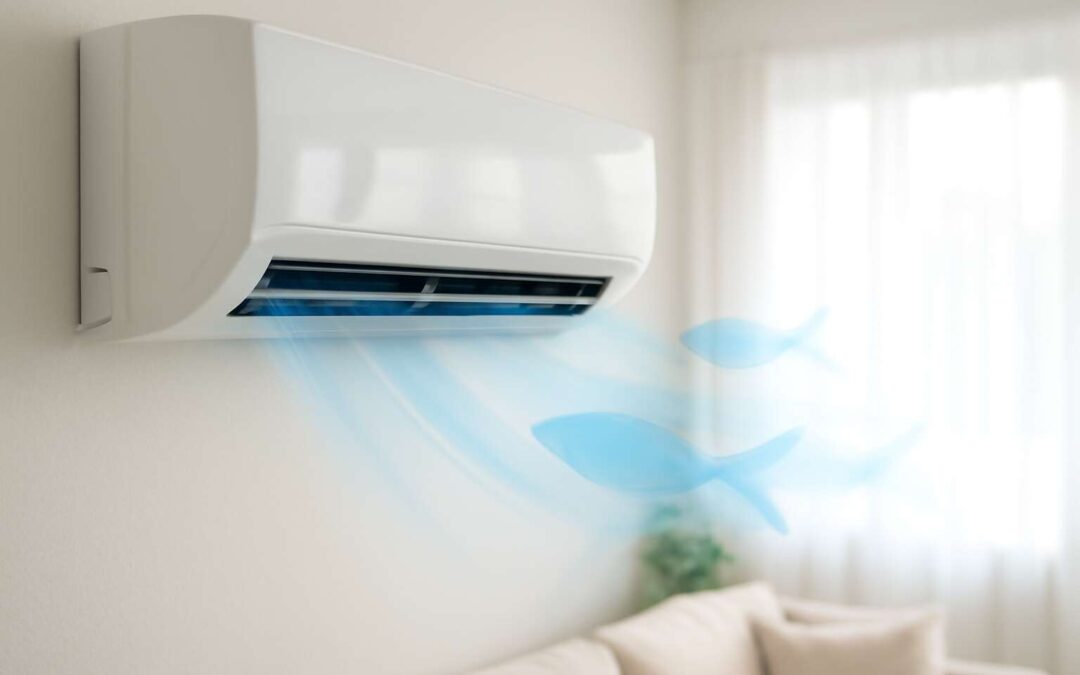
Understanding fishy odors in air conditioning
Common causes of fishy smell in HVAC systems
Cool rooms should feel predictable, not puzzling. A fishy aroma can wander from the vents and vanish just as quickly, leaving questions in its wake. In many South African homes, air conditioning smells like fish pops up when something in the system isn’t right. That scent can jolt you!
Understanding the odor means tracing moisture, biofilm, and how the HVAC components interact with air. Fishy smells are rarely about the refrigerant; they come from organic buildup and damp environments inside the unit!
- Condensate pans and drainage lines stained by bacteria
- Biofilm on evaporator coils from persistent moisture
- Contaminated ductwork carrying stale air
Role of moisture, bacteria, and mold
Across South Africa, a fishy note drifts from the vents and halts a family in their tracks. The moment you hear that phrase—air conditioning smells like fish—it’s less about the scent and more about what it signals inside the unit! The refrigerant isn’t the culprit; it’s the quiet, damp corners where organic matter thrives.
Moisture and warmth turn into a nurturing ground for tiny life. A persistent film can form on coils, while hidden damp spaces feed mold and bacteria. As air moves through the ductwork, it carries that aroma into living rooms, turning comfort into a puzzling puzzle.
Understanding comes from tracing how moisture, biofilm, and airflow interact. The smell travels with the air, revealing the internal drama of condensate and damp surfaces; it is a sign that the system’s balance has shifted.
Electrical vs biological odor distinctions
Heat hums through South Africa’s homes, and a fishy note sometimes slips from the vents. When the air carries that scent, it isn’t the refrigerant you should blame—it’s what thrives in damp corners of the unit. The phrase air conditioning smells like fish becomes a compass, pointing to a hidden ecosystem where moisture invites life around coils and condensation pans.
To make sense of the mystery, separate electrical signals from biological bloom. Here’s how they present themselves:
- Electrical cues: burnt plastic, ozone-like tang, or wires that hum when the unit starts.
- Biological signatures: musty, sour, or hay-like aromas rising from damp coils and the condensation pathways.
In the South African climate, these clues drift with the airflow through ducts, turning living rooms into pages of a quiet, scientific story—an aroma that hints at balance, failure, and the system’s inner weather.
Temporary vs chronic odors and what they mean
A fishy whisper from the vents can turn a living room into a clue-filled scene. When people say air conditioning smells like fish, they’re reading a sign from the system itself. The scent can be temporary or stubborn—a doorway to the unit’s mood.
Temporary odors rise with a season, a startup after a long idle period, or a spike in humidity. They usually disappear as the system settles and filters cycle.
Understanding the difference can save guesswork. To tell them apart, watch these signals:
- Temporary odors: occur at startup, respond to ventilation changes, fade with use.
- Chronic odors: persist despite cleaning, correlate with damp coils or blocked pans.
- When in doubt: odor strength grows in damp weather and in certain rooms.
In the South African climate, these clues drift with the airflow, reminding us that a scent is seldom just a scent—it’s a weather report from within.
Diagnosing the source of a fishy odor
At-home checks for moisture and mold indicators
Across South Africa, homes report a jarring odor as the HVAC hums to life—a reminder that comfort bears responsibility. When air conditioning smells like fish, it isn’t a quirky note but a breadcrumb trail toward hidden moisture and brewing mold nestled in ducts and condensate lines!
At-home checks can illuminate the source:
- Visible damp patches on ceilings, walls, or around the unit
- A persistent, musty odor that intensifies during cooling cycles
- Condensation on windows, drip pans, or near the air handler
- Discolored or crumbly insulation inside the cabinet
These indicators guide interpretation, helping readers distinguish a fleeting moisture clue from a deeper biological bloom and prompting professional assessment rather than impulsive fixes. In the quiet corners of South African homes, such clues reward patient attention more than dramatic drama.
Inspecting condensate drain pans and lines
Diagnosing the source of a fishy odor begins where the condensate system meets reality, under the air handler in South Africa’s homes. When air conditioning smells like fish, the journey typically points to moisture management—condensate pans and lines carrying more than water, and inviting biological bloom if neglected.
- Condensate pan contains standing water, slimy residue, or rust.
- Drain line shows cracks, kinks, or loose fittings.
- System run reveals leaks or unusual discharge near the pan.
This trio of checks narrows the field, helping you separate a transient scent from a persistent moisture problem. If the odor persists after the pan is dry, professional diagnosis should follow—swift action protects ducts, insulation, and indoor air.
Assessing filters, coils, and ductwork for odor sources
Pop the question in the night air: air conditioning smells like fish. In South Africa’s homes, the quest for truth begins where the air meets the equipment—that faint, telltale tang riding the currents. Here, diagnosing the source hinges on three suspects: filters, coils, and ductwork. A careful ear for odor, a glance at filtration, and a sense of the air’s travel reveal whether the scent is a fleeting whisper or a stubborn herald of something awry.
- Dust-laden filters that cradle organic matter and release a fishy note
- Evaporator coils damp with residue inviting a subtle bloom
- Hidden pockets of contaminant in ductwork shaping the aroma
Such reflections guide the sweep of inquiry until the story is clear. When air conditioning smells like fish, the narrative points toward the triad above, and professional eyes can interpret the signs without delay.
Evaluating refrigerant and electrical components for safety
South Africa’s homes breathe with a surprising truth: when the air shifts, a fishy note often whispers deeper mischief in the HVAC. A punchy reminder from the field: odor is the system’s diary. And yes, air conditioning smells like fish is a real signal, not a mystery to ignore.
Diagnosing the source of that odor means listening to the story told by refrigerant and electrical components for safety. Watch for a chemical tang near the lines, signs of moisture intrusion, or burnt insulation at terminations. These cues invite careful interpretation rather than quick guesses.
- Persistent chemical tang near refrigerant lines
- Warm, discolored electrical contacts
- Hissing or bubbling sounds from fittings
Taken together, these signals help professionals translate a troubling scent into a coherent verdict without haste.
Remedies and safety steps for fishy odors
Safe DIY cleaning and sanitation practices
That moment when a cool retreat becomes a sensory misprint—air conditioning smells like fish—it’s a telltale sign moisture has photobombed your comfort. In humid SA homes, bacteria and mold throw a party without an invitation, and you’re left staging a polite intervention rather than a dramatic confrontation.
Remedies and safety steps lean on safe DIY cleaning and sanitation practices: patient handling, gentle cleaners, and respect for electrical safety and warranties. The aim is to restore balance without turning your system into a chemistry lesson or a disaster waiting to happen.
- Ensure the condensate drain stays clear and the area dries after use
- Choose cleaners approved by the manufacturer and avoid mixing chemicals
- If odors persist or you’re uncertain, consult a qualified HVAC technician
Replacing filters and boosting indoor air quality
That moment when air conditioning smells like fish is not a stage direction but a moisture warning. In humid South African homes, dampness and mould invite themselves in, turning your sanctuary into a sniff test. A calm, considered response keeps the drama out of the living room while restoring comfort with dignity.
Remedies and safety steps balance practicality with prudence. Consider these essentials to replace filters and boost indoor air quality:
- Replace filters with manufacturer-approved options or higher-MERV for better indoor air quality
- Use cleaners approved by the equipment maker and avoid mixing chemicals
- Keep the condensate drain clear and the area dry after use
- If odors persist or you’re uncertain, consult a qualified HVAC technician
Handled with restraint, the remedy preserves warranties and keeps your cool without turning maintenance into a melodrama.
When to call a licensed HVAC technician
In humid South African homes, a fishy whiff from the system isn’t theatre—it’s a moisture warning. When air conditioning smells like fish, the best course is measured, safety-first action. Follow manufacturer guidance on cleaners and avoid mixing products. Keeping the area around the unit dry and ensuring proper drainage supports a healthier microclimate.
If odors persist after initial checks, or if there are any signs of refrigerant issues, electrical concerns, or mold behind panels, a licensed HVAC technician should be consulted. A professional can assess moisture sources, inspect coils and ductwork, and restore air quality while safeguarding warranties and safety.
Immediate odor mitigation while awaiting service
A veteran technician once said, ‘Odors are the footprints of moisture.’ In South Africa’s humid summers, air conditioning smells like fish, and that footprint grows louder—a moisture warning in the home. Immediate action centers on safety, moisture control, and light, non-invasive steps while the system rests.
- Ventilate the space and avoid running additional fans that pull air through damp ducts.
- Disconnect or switch off the unit if there is any electrical odor or charring.
- Keep the area dry and eliminate standing water around the condensate pan.
A licensed HVAC technician should be consulted to assess moisture sources, inspect coils and ductwork, and restore air quality while safeguarding warranties and safety.
Prevention and ongoing maintenance
Regular cleaning and replacement schedules
In many South African homes, air conditioning smells like fish can surface after a humid spell, turning comfort into concern and forcing a quick look behind the panels.
Prevention rests on a steady rhythm: regular cleaning and replacement schedules for filters, drip pans, and accessible coils that handle moisture and air flow.
Think of it as a personal maintenance vow—consistency beats crisis, with annual or semi-annual checks by a trusted HVAC professional ensuring seals stay tight and airflow remains unburdened.
Condensate management and humidity control
In a sun-scorched SA summer, comfort is a spell you cast daily. I’ve watched the momentary drift of odour destabilize a room, but air conditioning smells like fish need not linger. Prevention is a quiet vow: regular, low-key checks and mindful maintenance keep freshness at the heart of your climate system. When care becomes habit, the home breathes easier and stays cool without drama!
Condensate management and humidity control are the twin gatekeepers. Taming moisture starves mould and keeps coils singing. To maintain balance, consider these simple steps:
- Maintain comfortable humidity levels to reduce condensation
- Ensure condensate drainage stays clear and unobstructed
- Seal leaks and bolster insulation around ducts
A trusted HVAC pro can keep the spell tight year-round.
Ventilation and air purification upgrades
Prevention and ongoing maintenance are the quiet guardians of a refreshed home climate. In the long South Africa summer, systems that breathe easy stay cooler and quieter, and that lingering odor is less likely to stage a comeback. That moment when air conditioning smells like fish can be traced to a confluence of stagnant air, damp corners, and neglected filtration—and it rarely misbehaves when care is habitual.
Ventilation and air purification upgrades act as refined amplifiers for this discipline. They don’t just remove scent; they invigorate the entire environment. Consider these benefits:
- Cleaner airflow and reduced odor transmission
- Enhanced humidity balance and mould resistance
- Improved filtration efficiency and indoor air quality
With thoughtful upgrades, the climate system becomes a companion that stays cool with ease and grace.
Odor monitoring and warning signs of persistent issues
A well-kept system hums like a trusted neighbor’s fridge, and in South Africa’s heat that upkeep saves energy and preserves comfort. Regular maintenance reduces odor-related complaints by up to half, a figure many homeowners find eye-opening. Prevention grows from steady routines—clean air paths, gentle humidity balance, and seasonal tune-ups that keep the climate calm. Left unchecked, air conditioning smells like fish can waft through a room, signaling a maintenance moment.
Odor monitoring becomes a quiet habit: note when scents shift with the day or season, and watch for signs that persist after routine cleaning. Subtle changes—damp corners, unexpected sour notes, or odors returning despite fresh air—are prompts for professional assessment. A proactive stance protects health, preserves equipment life, and keeps homes welcoming through long South African summers.
