
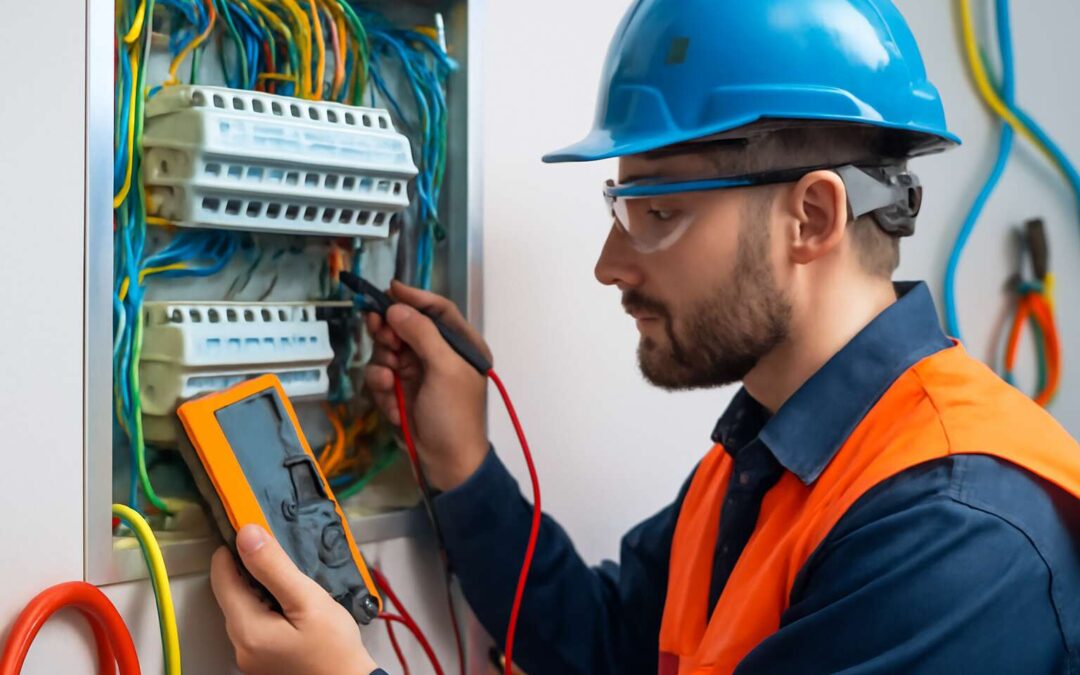
Understanding the Role of an Electrician
Definition of an Electrician – What is an electrician and their core responsibilities
Every flicker of light in our homes and workplaces hinges on the expertise of an electrician—a profession shrouded in both skill and precision. But what exactly is an electrician, and what are their core responsibilities? The term “electrician full form” might seem straightforward, yet it opens a door to understanding a vital role within our modern infrastructure. Electricians are trained professionals tasked with installing, maintaining, and repairing electrical systems—crucial for safety and functionality. Their work extends beyond mere wiring; it involves interpreting complex blueprints, ensuring compliance with safety standards, and diagnosing electrical issues with a meticulous eye. In South Africa, where power demands are rising, the role of an electrician becomes even more indispensable. From residential homes to commercial skyscrapers, their expertise keeps the lights on and the operations running smoothly.
Skills and Qualifications – Essential skills, certifications, and qualifications required
Understanding the role of an electrician extends beyond their day-to-day tasks; it taps into the specialized skills and qualifications that distinguish a true professional. In South Africa’s rapidly evolving infrastructure, an electrician’s expertise is invaluable, ensuring safety and operational efficiency. The journey to becoming an adept electrician involves acquiring a combination of technical skills, certifications, and hands-on experience. These qualifications serve as a testament to their mastery of complex electrical systems and adherence to safety standards.
Essential skills for an electrician include problem-solving prowess, meticulous attention to detail, and the ability to interpret intricate blueprints. They must stay updated with the latest electrical codes and safety regulations—an ongoing commitment to professional growth. To clarify, the term “electrician full form” might seem simple, but it underscores the broader scope of their knowledge and responsibilities. In South Africa, where power demands surge, the importance of qualified electricians cannot be overstated.
- Registered electrical contractor status
- Completion of a recognized apprenticeship program
- Certification from accredited institutions
- Knowledge of local electrical standards and safety protocols
These qualifications not only validate their expertise but also ensure that they are equipped to handle complex electrical installations with precision and safety. Their skill set, combined with professional certifications, makes them indispensable in both residential and commercial settings across South Africa.
Types of Electricians – Residential, commercial, industrial, and specialized electricians
Electricians come in all shapes and sizes, each with their own specialty—think of them as the Swiss Army knives of the electrical world. In South Africa, the demand for skilled electrical professionals is skyrocketing, making it crucial to understand the different types of electricians and their unique roles. While the term “electrician full form” might seem like a simple acronym, it actually symbolizes a broad spectrum of expertise that keeps our lights on and our gadgets buzzing.
Residential electricians focus on homes—installing lighting, outlets, and ensuring everything is safe for your family’s comfort. Commercial electricians tackle larger projects like shopping malls and office complexes, where the stakes are higher, and the wiring gets more complex. Industrial electricians work within manufacturing plants and factories, often dealing with heavy-duty machinery and high-voltage systems. For those with a penchant for the extraordinary, specialized electricians handle niche tasks such as solar power installations or sophisticated automation systems.
Understanding these distinctions is vital, especially when choosing the right professional for a project. Remember, in South Africa’s evolving infrastructure landscape, each electrician’s full form—be it residential, commercial, industrial, or specialized—represents a crucial piece of the electrical puzzle, ensuring safety, efficiency, and innovation go hand in hand.
Deciphering the Full Form of ‘Electrician’
Common Interpretations – Possible expansions or interpretations of the term ‘electrician’
Electricians are often viewed simply as skilled tradespeople, but the deeper significance of the term’s full form reveals a tapestry of technical mastery and moral responsibility. The phrase “electrician full form” might seem straightforward, yet it invites us to explore the layered interpretations behind this profession. At its core, an electrician embodies a guardian of modern life—someone who ensures the seamless flow of energy in our homes, workplaces, and vital infrastructure. But beyond the technicalities, the full form can be seen as an emblem of trust, precision, and unwavering dedication to safety.
In the broader context, the “full form” of electrician can also be poetically interpreted as “Energy Liaison and Technical Innovator of All Critical Infrastructure,” emphasizing the vital role they play in societal stability. It underscores not just the act of wiring or repairing but the moral imperative to prevent harm and uphold human connection through electricity. Understanding the electrician full form enriches our appreciation of this profession, transforming it from a mere job to a pivotal force shaping human existence in South Africa’s rapidly evolving landscape.
Etymology and Historical Context – Origin of the word and its evolution over time
Electricians, those unsung heroes of our modern world, have a history as electrifying as the circuits they manage. The term “electrician” itself harks back to the early 19th century, when the burgeoning field of electricity sparked a flurry of curiosity and innovation. Originally, these professionals were known simply as “electric agents” or “electric workers,” but as the science of electricity evolved, so did the terminology. The phrase “electrician full form” might seem like just a curiosity, yet it encapsulates a fascinating journey through language and technological progress.
Over time, the word “electrician” has expanded from its humble origins, reflecting a profession rooted in both technical mastery and moral responsibility. The evolution of this term mirrors society’s growing dependence on electrically powered infrastructure. Today, the “electrician full form” can be poetically interpreted as “Energy Liaison and Technical Innovator of All Critical Infrastructure,” highlighting the vital role these professionals play in maintaining societal stability. This linguistic journey underscores the importance of understanding not just what an electrician does, but the profound significance of their role in the fabric of modern life—especially in a rapidly developing country like South Africa!
Regional and Language Variations – Different meanings across regions and languages
In the rich tapestry of regional dialects and linguistic nuances across South Africa, the term “electrician” takes on a variety of interpretations that reflect local culture and technological engagement. While the global understanding of an electrician often centers on a skilled professional managing electrical systems, in different regions, the “electrician full form” can embody broader conceptualizations. For example, in some communities, it might be informally expanded to signify “Energy Liaison and Technical Innovator,” emphasizing their role as connectors between complex electrical systems and societal needs.
Language variations further complicate the picture—Afrikaans, Zulu, Xhosa, and other indigenous tongues each offer their own lexicon, subtly shifting the perceived scope of an electrician’s responsibilities. This diversity underscores a profound truth: the “electrician full form” isn’t merely a static acronym but a reflection of local priorities, technological adoption, and societal expectations. As electrification continues to transform South Africa’s landscape, understanding these regional and language-specific interpretations reveals the evolving significance of electricians in powering progress and societal stability.
Related Terminologies and Acronyms
Electrical Acronyms – Common abbreviations used in electrical trade
Electrical trade jargon is as colorful as a Johannesburg street market, filled with abbreviations and acronyms that can make even seasoned electricians scratch their heads. When discussing the electrician full form, it’s essential to understand the related terminologies that often pop up in technical manuals and safety protocols. These acronyms aren’t just alphabet soup—they’re the shorthand for complex concepts that keep the lights on and the power flowing.
Common electrical acronyms include AC for Alternating Current, DC for Direct Current, and GFCI for Ground Fault Circuit Interrupter—each playing a vital role in ensuring electrical safety and efficiency. For those venturing into the electrical realm, familiarity with these abbreviations is as crucial as knowing your way around a multimeter. Here’s a quick rundown of some frequently used terms:
- Ohm (Ω): The unit of electrical resistance.
- V: Voltage, the electrical potential difference.
- Hz: Frequency, measured in hertz, indicating how fast the current oscillates.
Understanding these related terminologies and acronyms helps demystify the world of electricians and enhances communication on site. Whether you’re deciphering a wiring diagram or discussing circuit loads, knowing the electrician full form and associated abbreviations is the key to navigating South Africa’s vibrant electrical landscape with confidence and clarity.
Trade Certifications and Bodies – Authorization and certification abbreviations
In the bustling corridors of South Africa’s electrical industry, recognition of trade certifications and the bodies that bestow them is vital. These abbreviations—such as IEC (Institution of Electrical Contractors) or SAQCC (Southern African Qualifications and Certification Council)—serve as badges of credibility, assuring clients of a qualified electrician full form. Certification isn’t just a formality; it’s a safeguard that ensures electrical work adheres to rigorous safety standards.
Understanding these authorization and certification abbreviations enhances trust and communication across projects. For example, an electrician holding an NQF (National Qualifications Framework) accreditation demonstrates a commitment to professional excellence. As the electrical landscape evolves, these designations keep professionals aligned with current safety protocols and technological advancements. Whether you’re exploring new wiring systems or ensuring compliance, familiarity with these acronyms makes all the difference in navigating South Africa’s vibrant electrical market.
Industry Jargon – Key terms relevant to electricians and electrical work
In the intricate dance of electrical work, understanding the related terminologies and acronyms can feel like deciphering a secret code—except it’s vital for professionalism and safety. When discussing the electrician full form, it’s equally important to grasp the industry jargon that keeps South Africa’s electrical sector humming along smoothly. Terms like OEM (Original Equipment Manufacturer) or CV (Curriculum Vitae) might seem mundane outside the trades, yet within the circuit of electrical projects, they serve as essential signposts.
For instance, familiarity with electrical acronyms can elevate your communication on-site and ensure your credentials—like your electrician full form—are understood and respected. Here’s a quick glance at some key terms:
- GFCI (Ground Fault Circuit Interrupter) – a safety device crucial for preventing electrocution.
- MCB (Miniature Circuit Breaker) – protects circuits from overloads and short circuits.
- RCD (Residual Current Device) – another safety measure, especially vital in wet areas.
Such terminology isn’t mere industry jargon; it’s the language that safeguards lives and ensures compliance in South Africa’s electrical landscape. Mastery of these acronyms and key terms underscores the significance of knowing the full form of your electrician credentials, making every connection safer and more professional. After all, in a realm where sparks fly and currents run deep, clarity and precision are everything.
Importance of Proper Representation
Business and Trade Names – How full forms impact branding and credibility
In the realm of electrical trade, the significance of proper representation through accurate business and trade names cannot be overstated. A well-crafted name not only embodies the professionalism of an electrician but also influences how clients perceive credibility and trustworthiness. When potential customers encounter a clear and authoritative electrician full form, it fosters confidence in the electrician’s expertise and legitimacy. This is especially crucial in South Africa, where the electrical industry faces rigorous standards and fierce competition.
Choosing the right full form for your business conveys a sense of precision and reliability. It helps distinguish your brand in a crowded marketplace, ensuring your services resonate with professionalism. For electricians, a memorable and meaningful trade name—rooted in the correct electrician full form—can be a powerful tool in establishing a reputable reputation. Remember, in a trade where safety and skill are paramount, credibility is built on clarity and consistency in branding.
Legal and Safety Documentation – Significance of correct terminology in oaths, licenses, and safety protocols
In the world of electrical work, precision isn’t just a virtue—it’s a necessity. An electrician’s role extends beyond just fixing wires; it involves strict adherence to legal and safety standards. Using the correct electrician full form in official documents, licenses, and safety protocols isn’t just about semantics—it’s about establishing legitimacy and trust. A misstep here could mean the difference between a compliant installation and costly penalties. After all, safety documentation that accurately reflects the electrician full form demonstrates professionalism and thoroughness, reassuring clients that their project meets all regulatory standards.
Furthermore, proper representation through correct terminology helps avoid confusion in critical situations. Whether it’s signing an oath, submitting certification, or following industry-specific safety protocols, precise language ensures everyone is on the same page. Incorporating the right electrician full form in legal and safety documentation underscores a commitment to excellence—something clients in South Africa value deeply. Remember, clarity in official paperwork not only safeguards your reputation but also keeps the electrical industry running smoothly and safely.
SEO and Digital Marketing – Using the right full form for better search visibility
In the digital age, where visibility can make or break a professional’s reputation, the importance of proper representation through accurate terminology cannot be overstated. For electricians operating within South Africa’s complex regulatory landscape, using the correct electrician full form in online profiles, official documents, and marketing materials is paramount. It’s not merely about semantics; it’s about establishing credibility and ensuring your services stand out amidst fierce competition.
SEO strategies hinge on precision—every keyword, every phrase. Incorporating the correct electrician full form enhances search visibility, making your business easier to find by potential clients seeking certified and qualified electrical services. When search engines recognize a consistent and accurate use of terminology, your website gains authority and ranks higher in relevant queries. This meticulous attention to detail transforms a simple search into a genuine connection with a trusted professional, reinforcing your reputation in the electrical industry.
Furthermore, clear and correct language fosters trust. Clients appreciate transparency and professionalism, especially in a field where safety and compliance are non-negotiable. By consistently using the proper electrician full form across all digital platforms, you craft a cohesive narrative that resonates with both search algorithms and discerning clients. It’s this meticulous approach to digital marketing that elevates your brand, ensuring your expertise is both discoverable and respected in South Africa’s bustling electrical sector.
Conclusion
As shadows lengthen and the flickering glow of a distant storm casts an eerie pallor over the land, understanding the true essence of an electrician becomes paramount. The electrician full form, often shrouded in mystery, reveals more than just an acronym; it embodies the very heartbeat of modern civilization’s electrical veins. In South Africa, where power outages can turn night into a labyrinth of darkness, knowing what an electrician stands for is not merely knowledge—it’s a lifeline.
Behind the simple phrase lies a complex blend of skill, precision, and dedication. The electrician full form might seem straightforward, but it carries the weight of countless hours of mastery in wiring, safety protocols, and innovative solutions. It’s a profession that commands respect—a guardian against the chaos of electrical failure. As the night whispers secrets only the brave hear, the electrician’s role becomes undeniably vital.
- Expertise in electrical systems
- Commitment to safety and standards
- Dedication to innovation and problem solving
In the shadows of the urban sprawl or the quiet corners of rural South Africa, electricians illuminate the way—both literally and metaphorically. Their full form is more than an abbreviation; it is a testament to resilience, knowledge, and unwavering resolve in the face of darkness. Truly, understanding the electrician full form is a step closer to appreciating the silent keepers of our luminous world.
