by | Aug 23, 2025 | Electrician
Essential Tools Every Electrician Should Have
Hand Tools
Every skilled electrician with tools knows that the foundation of a successful job lies in the quality and variety of their hand tools. These essentials are not just instruments; they are the trusty companions that transform complex wiring tasks into seamless operations. In South Africa, where electrical demands are ever-growing, possessing the right tools can mean the difference between a quick fix and a costly error.
From inscribed screwdrivers that ensure precision to durable pliers designed to handle the toughest cables, each tool plays a pivotal role. A well-equipped electrician with tools can navigate tight spaces and intricate circuits with confidence. Among the must-have hand tools are:
- Insulated screwdrivers for safety and reliability
- Needle-nose pliers for delicate wire work
- Wire strippers for clean, precise cuts
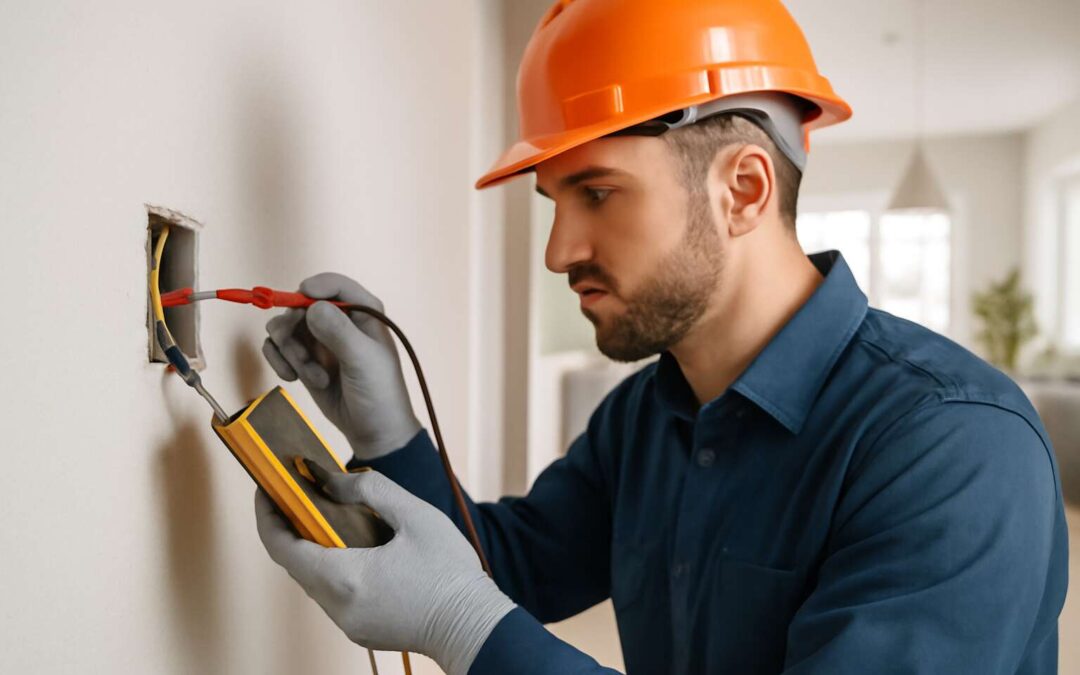
- Voltage testers to ensure safe operation
These tools combine to create a toolkit that’s as versatile as it is dependable, empowering electricians to tackle any challenge with skill and efficiency.
Power Tools
Power tools are the secret weapon for any electrician with tools. When the task demands more than finesse—when brute force and precision collide—these tools come alive, transforming chaos into order. In South Africa’s dynamic electrical landscape, the right power tools aren’t just a luxury; they’re a necessity. From cutting through thick cables to drilling into concrete walls, these instruments make the impossible manageable.
Imagine a world where your electrician with tools can swiftly handle heavy-duty tasks without breaking a sweat. Cordless drills, impact drivers, and rotary hammers are the backbone of this efficiency. They save time, reduce fatigue, and elevate the quality of every job. For those tackling complex wiring or installing large fixtures, power tools are not an option—they are the core of every successful project.
Specialized Equipment
Every electrician with tools knows that specialized equipment can make or break a project. In South Africa’s competitive electrical sector, having the right gear is critical for safety, efficiency, and precision. These tools aren’t just extras—they’re essentials that enable electricians to tackle complex tasks confidently.
Beyond the basic hand tools and power tools, certain specialized equipment sets a professional apart. For example, cable testers and voltage detectors are vital for ensuring safety and accuracy before beginning any work. Insulation resistance testers help verify wiring integrity, preventing future failures. Additionally, conduit benders and threaders streamline the installation of conduit systems, saving time and reducing errors.
Investing in these tools elevates an electrician with tools from a technician into a craftsman. When every second counts and precision is paramount, having the right specialized equipment makes all the difference. In South Africa’s evolving electrical landscape, that equipment is a game changer.
Importance of Proper Tools for Electricians
Ensuring Safety – How the right tools minimize risk during installations and repairs
Safety isn’t just a priority for electricians; it’s a necessity. An electrician with tools must rely on the right equipment to prevent accidents and protect lives. Proper tools reduce the risk of electrical shocks, short circuits, and fires during installations and repairs. When tools are outdated or inappropriate, the chance of mishaps skyrockets. That’s why professional electricians invest in high-quality, correctly rated tools designed for electrical work.
Using the right tools also means faster, more precise work. It minimizes errors that can lead to dangerous situations later. For example, insulated screwdrivers and voltage testers are essential for ensuring safety during live work. A well-equipped electrician with tools can quickly identify issues, isolate power sources, and avoid hazards that might otherwise go unnoticed. In this line of work, safety isn’t just about following protocols — it’s about having the proper tools to do the job right the first time.
Increasing Efficiency – Speeding up electrical work with the appropriate equipment
Time is of the essence in the world of electrical work. An electrician with tools that are perfectly suited to the task doesn’t just work efficiently — they transform complex installations into seamless operations. In South Africa’s evolving electrical landscape, speed and precision are invaluable assets. Properly equipped electricians cut through the chaos of tangled wires and outdated equipment, allowing projects to progress swiftly without sacrificing quality.
The right tools can turn a complicated job into a straightforward task. For example, using a high-quality voltage tester or insulated pliers can shave precious minutes off troubleshooting time. This isn’t just about saving time; it’s about reducing fatigue and minimizing mistakes that could lead to costly rework. When an electrician with tools operates with confidence and clarity, they’re able to handle multiple projects with ease, delivering results that last.
- Streamlined workflow
- Reduced downtime
- Enhanced accuracy
Ensuring Compliance – Meeting industry standards with proper tools
In the intricate dance of electrical work, precision isn’t just a virtue—it’s a mandate. An electrician with tools that meet industry standards doesn’t merely comply; they elevate safety and reliability to a new level. In South Africa’s fast-paced electrical landscape, adherence to compliance ensures that every installation withstands the test of time and regulatory scrutiny. Proper tools act as the silent guardians of quality, transforming complex wiring into a symphony of safety and efficiency.
When an electrician with tools approaches each project, they are not just working—they are safeguarding lives and investments. The right equipment guarantees that every connection, every measurement, and every inspection aligns perfectly with industry standards. For example, calibrated multimeters and insulated screwdrivers are crucial in verifying circuits and preventing faults. This meticulous attention to detail, powered by the right tools, ensures that work isn’t just done—it’s done right, every time.
Choosing the Right Tools for Different Electrical Tasks
Residential Wiring – Tools specific to home electrical installations
Choosing the right tools for residential wiring is more than just a matter of convenience; it’s a moral imperative. An electrician with tools that are suited precisely to the task at hand ensures the safety of everyone under that roof. The weight of responsibility is immense when working on home electrical installations, where mistakes can have lifelong consequences. The subtle difference between a successful installation and a dangerous oversight often hinges on the quality and appropriateness of the tools used.
For electrical tasks in residential settings, a tailored arsenal is essential. Basic yet vital, a set of insulated screwdrivers, wire strippers, and a reliable multimeter form the backbone of any electrician with tools. These tools allow for meticulous work, reducing the risk of shorts and ensuring connections are both safe and durable. When tackling more complex wiring, specialized tools like conduit benders and cable pullers come into play, transforming what could be a cumbersome process into a seamless operation. Every tool serves as an extension of the electrician’s expertise, transforming intent into safe, lasting solutions.
Commercial Projects – Equipment suited for large-scale electrical work
In large-scale commercial projects, the scope of electrical work extends beyond the simple wiring of a residence. It demands an arsenal of specialized equipment tailored for efficiency, precision, and safety. An electrician with tools suited for these demanding environments possesses not just technical skill but also the confidence to tackle complex challenges head-on. Heavy-duty cable cutters, high-capacity cable pullers, and industrial-grade conduit benders become indispensable, transforming what could be an arduous task into a smooth operation.
Choosing the right tools for different electrical tasks in commercial settings is a matter of strategic foresight. It’s not merely about having powerful equipment but selecting the right gear for each phase of the job. For instance,
- multi-functional crimping tools
- torque wrenches
- large wire strippers
are often essential, ensuring connections meet industry standards while maximizing productivity. An electrician with tools that are purpose-built for large-scale electrical work enhances both the quality and safety of the installation, reinforcing the vital link between capable equipment and successful project delivery.
Troubleshooting and Repairs – Necessary tools for diagnostics and fixing issues
In the shadows of tangled wires and flickering lights, the true test of an electrician with tools lies in diagnosing the unseen. Troubleshooting and repairs demand a meticulous hand, armed with the right instruments to unravel complex electrical enigmas. A single faulty connection or hidden short can cast a pall of darkness—yet, with the proper tools, even the most obscure problems yield to clarity.
Equipped with a digital multimeter, clamp meter, or circuit tester, the skilled electrician can swiftly pinpoint faults that lurk beneath the surface. These diagnostic tools act as the lanterns guiding them through the labyrinth of circuitry, revealing vulnerabilities before chaos ensues. The precision of high-quality probes and insulated screwdrivers ensures that each investigation is conducted with safety and certainty—an essential trait of an electrician with tools forged for the macabre precision of troubleshooting.
When it comes to repairs, versatility is paramount. A seasoned electrician relies on a curated assortment of pliers, wire strippers, and crimping tools—each chosen for their ability to restore order to the chaos of damaged wiring. In this realm of shadows, having the right tools not only speeds up the process but transforms a perilous task into a seamless act of restoration, illuminating the path back to safety.
Maintenance and Care for Electrician Tools
Regular Cleaning – Keeping tools in optimal condition
In the realm of electrical mastery, even the most sophisticated tools can fall prey to the relentless march of grime and neglect. Regular cleaning of your electrician with tools isn’t just maintenance—it’s a ritual that preserves their soul and sharpness, ensuring every spark of precision remains alive. Dust, dirt, and residual grime are silent enemies that can sap the effectiveness of your equipment, leading to sluggish performance or even hazardous malfunctions.
Imagine your electrician with tools as enchanted artifacts—each one deserving gentle care to unlock their full potential. A simple yet vital practice is to wipe down tools after each use, removing stubborn grease and debris that can cause corrosion over time. For power tools, using a soft brush and appropriate lubricants can prevent rust and keep moving parts running smoothly. Remember, the longevity of your tools directly correlates to the quality of their maintenance, turning routine cleaning into a safeguard against unforeseen failures.
- Remove any loose debris with a dry cloth or compressed air.
- Apply specialized cleaning agents for stubborn grime, especially on metal surfaces.
- Lubricate moving parts to ensure seamless operation and prevent wear and tear.
By dedicating a moment to the meticulous care of your electrician with tools, you foster a relationship built on respect and reliability. When tools are kept in prime condition, every electrical task becomes an act of confidence, a dance of precision that transforms work into art. It’s not merely maintenance; it’s an investment in excellence, ensuring your tools remain as dependable as the skills behind them.
Proper Storage – Organizing tools to prevent damage
In the world of electrical mastery, the true power lies not just in skill but in the meticulous care of your electrician with tools. Proper storage isn’t merely about tidiness—it’s a safeguard that preserves the integrity of your equipment, ensuring every project begins with confidence. A disorganized toolbox can become a breeding ground for damage, leading to costly repairs or replacements that threaten to disrupt your workflow.
To protect your investment, consider implementing a systematic storage plan. Use dedicated containers or wall mounts for different tool categories, minimizing the risk of scratches, dents, or misplacement. For instance, power tools should be stored in climate-controlled environments to prevent rust and deterioration.
- Store sharp hand tools separately to avoid accidental damage
- Keep moisture at bay with silica gel packs or dehumidifiers
Proper storage transforms your tools into reliable allies, ready to unleash their potential whenever called upon. An organized space isn’t just about aesthetics—it’s a fortress guarding the longevity of your electrician with tools, ensuring each spark of electricity is matched with a spark of precision and dependability.
Tool Calibration and Replacement – Ensuring accuracy and safety
In the realm of electrical mastery, precision isn’t just a virtue—it’s a necessity. An electrician with tools must rely on more than just skill; they need accuracy that only proper maintenance and calibration can provide. Over time, even the most robust tools can drift from their exact specifications, risking safety and compromising the integrity of every project. This is where diligent calibration and timely replacement become crucial.
To ensure your tools remain dependable, establish a routine calibration schedule. Use certified calibration services to verify the accuracy of multimeters, clamp meters, and other diagnostic equipment. When precision wanes, replacing worn or damaged tools isn’t just sensible—it’s essential for safety and compliance. Remember, a single inaccurate reading can lead to costly errors or hazardous situations.
- Regularly inspect tools for signs of wear or damage.
- Calibrate measurement devices annually or after any significant impact.
- Replace tools that no longer meet safety standards or show signs of deterioration.
For an electrician with tools, maintaining accuracy isn’t optional; it’s a safeguard that upholds professionalism and safety at every turn. When each tool functions flawlessly, confidence in your work becomes inevitable, transforming complex electrical tasks into seamless operations.
Latest Trends in Electrician Tools and Technology
Smart Tools and IoT Integration – Enhanced precision and connectivity
In the luminous world of electrical craftsmanship, innovation continues to illuminate the path forward. The latest trends in electrician tools and technology are transforming how professionals approach their craft, bringing enhanced precision and connectivity to the forefront. Smart tools, integrated with the Internet of Things (IoT), are now commonplace, empowering electricians with unprecedented control and real-time data. These advanced devices not only streamline complex tasks but also elevate safety standards, ensuring every installation is both flawless and compliant.
Imagine an electrician with tools that communicate seamlessly with each other, providing instant diagnostics, voltage monitoring, and even predictive maintenance alerts. IoT integration fosters a new era of electrical work—where accuracy is amplified, and downtime is minimized. As technology evolves, electricians are increasingly adopting smart testing devices, digital multimeters, and connected circuit analyzers that enhance efficiency and reduce human error. This synergy of hardware and connectivity propels the industry, making electrical work more precise, safe, and future-ready.
Cordless and Battery-Powered Devices – Improving mobility and convenience
In a landscape where technological evolution accelerates at an unprecedented pace, the electrician with tools must adapt swiftly to harness the full potential of cordless and battery-powered devices. Gone are the days of cumbersome power cords that tether professionals to fixed locations, limiting mobility and productivity. Today’s cutting-edge cordless tools revolutionize the craft, offering unparalleled convenience on dynamic job sites across South Africa.
With lightweight yet robust construction, these tools allow electricians to move seamlessly from one task to another, reducing fatigue and increasing efficiency. Lithium-ion batteries, the backbone of modern cordless devices, provide long-lasting power and quick recharge capabilities—ensuring that electricians with tools remain operational without unnecessary delays. The proliferation of such devices has transformed the way electrical work is approached, enabling rapid troubleshooting, installation, and repairs even in hard-to-reach spaces.
In fact, an emerging trend emphasizes the integration of smart battery management systems, which monitor charge levels and predict maintenance needs—keeping the electrician with tools ahead of potential issues. This synergy of portability and intelligent technology not only accelerates project timelines but also elevates safety standards, as cordless devices eliminate trip hazards and reduce clutter. For the modern electrician, embracing cordless and battery-powered devices is no longer a choice but a necessity—a pathway to greater precision, safety, and adaptability in a constantly shifting environment.
Eco-Friendly and Sustainable Tools – Reducing environmental impact
As the world pivots towards sustainability, the electrical sector in South Africa is witnessing a transformative shift—embracing eco-friendly and sustainable tools that reduce environmental impact. The modern electrician with tools now has access to innovations designed not only for efficiency but also for ecological responsibility. These advancements underscore a crucial understanding: in today’s interconnected society, every spark of progress should ignite a greener future.
From biodegradable insulation materials to energy-efficient LED testing devices, the landscape of electrical tools is evolving with a conscience. Manufacturers are increasingly integrating solar-powered chargers and recyclable components into their products, making sustainability an integral feature rather than an afterthought. Such tools enable electricians with tools to minimize waste and lower carbon footprints, aligning their craft with global efforts to combat climate change.
In South Africa’s diverse environments—from urban centers to remote rural areas—the adoption of eco-friendly tools fosters not only environmental stewardship but also economic efficiency. These tools often come with smart features, such as energy consumption monitoring, that help electricians optimize their work processes while conserving resources. Embracing these innovations signifies a commitment to responsible craftsmanship, ensuring that electrical work today supports a sustainable tomorrow.
- Biodegradable insulation materials
- Solar-powered charging stations
- Recyclable and energy-efficient tools
For the electrician with tools aiming to stay ahead in this eco-conscious era, integrating sustainable equipment is more than just a trend; it’s an imperative. As the industry evolves, so too does the responsibility to harmonize technological progress with environmental preservation—an endeavor that benefits everyone, now and into the future.
by | Aug 23, 2025 | Electrician
Understanding Electrician Assistant Jobs
Role and Responsibilities – Overview of electrician assistant duties and responsibilities
Electrician assistant jobs are the backbone of any successful electrical project, blending hands-on labor with critical support roles. These positions require more than just a willingness to learn; they demand a keen eye for detail and a dedication to safety. An electrician assistant’s core responsibilities often include preparing work sites, handling basic wiring tasks, and assisting with the installation of electrical systems. It’s a role that offers a window into the intricacies of electrical work, providing vital support to licensed electricians.
In South Africa, electrician assistant jobs often involve working closely with seasoned professionals who rely on their assistance to ensure projects stay on schedule. Tasks can range from organizing tools and materials to measuring and cutting wires with precision. As the industry continues to grow, the role of an electrician assistant becomes more specialized, sometimes involving the use of advanced tools and technology. Whether on rural farms or urban construction sites, these jobs are vital for maintaining the rhythm of electrical infrastructure development.
Required Skills and Qualifications – Essential skills, certifications, and educational requirements
Electrician assistant jobs in South Africa demand a unique blend of practical skills and a genuine passion for learning. While a formal qualification isn’t always mandatory, possessing a high school diploma or equivalent is typically the starting point. More importantly, candidates should demonstrate a solid understanding of basic electrical principles and safety protocols, as these are the backbone of every successful project.
Essential skills for aspiring electrician assistants include manual dexterity, the ability to follow detailed instructions, and a keen eye for safety hazards. Many roles also value familiarity with basic tools such as wire strippers, pliers, and screwdrivers. Certifications like a Basic Electrical Safety Certificate or a Construction Work Permit can enhance employability and demonstrate a commitment to safety standards. Gaining hands-on experience through apprenticeships or on-the-job training is often the most direct route to excelling in electrician assistant jobs in South Africa.
To stand out, candidates should develop strong communication skills and a willingness to adapt to new technologies. As the industry evolves, so do the qualifications—some roles now require familiarity with advanced wiring techniques or digital measurement tools. Whether working on a rural farm or in an urban construction zone, these skills ensure electrician assistants can support licensed electricians effectively, making every project safer and more efficient.
Typical Work Environments – Where electrician assistants typically work, such as residential, commercial, or industrial settings
Electrician assistant jobs often take you into a diverse array of work environments across South Africa, each presenting its own set of challenges and opportunities. From the bustling urban construction sites to remote rural farms, these roles are crucial to the success of every electrical project. The variety ensures that no two days are the same, keeping the work both engaging and unpredictable.
In residential settings, electrician assistants help install wiring, troubleshoot electrical issues, and ensure safety standards are met. These roles demand attention to detail in often confined spaces, where precision and safety are vital. Commercial environments, on the other hand, might involve supporting larger-scale installations—think office complexes or shopping centers—requiring coordination and familiarity with industrial tools.
Industrial sites stand apart, frequently involving heavy machinery and complex wiring systems. Here, electrician assistant jobs may require knowledge of high-voltage systems and advanced safety protocols. Whether working indoors or outdoors, these positions often involve a mix of manual labor, technical skill, and adaptability, making them ideal for those eager to grow within the electrical trade. In each setting, the role of an electrician assistant is indispensable—supporting licensed electricians and ensuring every connection is both safe and efficient.
How to Become an Electrician Assistant
Educational Pathways – High school diplomas, technical schools, and apprenticeships
Embarking on a journey toward electrician assistant jobs demands more than just a desire to work with wiring and circuits; it requires a solid educational foundation that bridges theoretical understanding with practical application. In South Africa, many aspiring electrician assistants start their path with a high school diploma, which serves as the foundational credential for further specialization.
From there, technical schools offer specialized training programs that delve into electrical theory, safety protocols, and hands-on skills—crucial components in preparing candidates for the rigors of real-world electrician assistant jobs. These programs often include comprehensive modules on blueprint reading, electrical codes, and troubleshooting techniques, providing a well-rounded educational experience.
For those eager to gain experiential knowledge, apprenticeships stand as the cornerstone of this career trajectory. Engaging directly with seasoned electricians, apprenticeships offer invaluable mentorship and practical exposure that no classroom alone can replicate. In fact, many successful electrician assistants have credited their apprenticeship experience as the catalyst that transformed theoretical knowledge into tangible skills, making them better equipped for the complexities of electrician assistant jobs.
Training and Certifications – Relevant courses, safety certifications, and on-the-job training
Becoming an electrician assistant requires more than enthusiasm — it demands targeted training and recognized certifications. Employers look for candidates with relevant courses that cover electrical fundamentals and safety protocols. In South Africa, completing a certified electrical course, such as a National Certificate (Vocational) in Electrical Infrastructure or similar programs, can set you apart. These courses provide essential knowledge about wiring, circuitry, and electrical components.
Safety certifications are equally vital. Acquiring a Basic Electrical Safety Certificate ensures you understand how to work safely around live circuits and electrical hazards. Many training providers include on-the-job training or practical modules that simulate real-world scenarios, making your transition into electrician assistant jobs smoother and more effective. Employers value hands-on experience, and completing such training increases your chances of landing that first role.
- Enroll in a recognized electrical training program or technical school.
- Obtain safety certifications relevant to electrical work in South Africa.
- Participate in on-the-job apprenticeships to gain practical exposure and mentorship.
Gaining Experience – Internships, entry-level positions, and skill development tips
Gaining experience in electrician assistant jobs is a journey shrouded in shadows and sparks. It begins with immersing oneself in the gritty world of internships and entry-level positions, where every connection and circuit whispers secrets of the trade. These roles may seem humble, but they are the gateways to mastery, offering practical exposure that textbooks cannot provide.
Many aspiring electrician assistants find that participating in apprenticeships is akin to walking through a darkened corridor, each step illuminated by mentorship and real-world challenges. Through these pathways, one hones essential skills, from reading schematics to understanding safety protocols in the depths of industrial settings.
A strategic approach involves:
- Applying for apprenticeships with seasoned electricians, where hands-on guidance transforms potential into prowess.
- Seeking entry-level electrician assistant jobs that promise foundational experience and a glimpse into the unseen world behind every switch and socket.
- Continuously developing skills through specialized workshops and on-the-job training, ensuring that each task becomes a stepping stone towards technical mastery.
In the realm of electrician assistant jobs, every moment spent gaining experience is a thread woven into the fabric of a promising career—one that glows brighter with each connection made in the dark.
Job Market and Opportunities
Demand for Electrician Assistants – Current job market trends and growth projections
The demand for electrician assistant jobs is buzzing louder than a well-wired circuit—thanks to South Africa’s ongoing infrastructure upgrades and a booming construction sector. Industry experts project steady growth over the next decade, driven by the nation’s need for reliable electrical systems in both residential and commercial projects. This means more opportunities for aspiring electrician assistants eager to plug into a thriving job market.
In fact, the International Labour Organization reports that electrician assistant jobs are among the fastest-growing trades in South Africa, with a projected annual growth rate of around 4%. Whether you’re just starting out or looking to pivot into a rewarding career, this surge in demand offers a golden window to develop your skills and secure a stable position. As the country continues to electrify its future, the job market for electrician assistants is poised to light up brighter than ever before.
Popular Locations – Regions and cities with high demand for electrician assistants
South Africa’s electrification boom has transformed certain regions into hotspots for electrician assistant jobs, creating a vibrant landscape of opportunity. Cities like Johannesburg, Cape Town, and Durban are at the forefront, boasting bustling construction projects and infrastructure upgrades that demand a steady influx of skilled workers. These urban centers offer a rich tapestry of work environments—from soaring commercial skyscrapers to cozy residential developments—each beckoning aspiring electrician assistants with open arms.
Furthermore, regions experiencing rapid growth, such as the Eastern Cape and Gauteng, are becoming prime corridors for electrician assistant jobs. As these areas continue to develop, the demand for reliable electrical systems intensifies, fueling a surge in employment prospects. Whether you’re seeking the fast-paced rhythm of city life or the quieter pace of regional expansion, these locations serve as fertile ground for building a rewarding career in electrical assistance.
- Johannesburg
- Cape Town
- Durban
- Gauteng Province
- Eastern Cape
With a diverse array of opportunities across South Africa’s most dynamic regions, electrician assistant jobs are lighting the way for those eager to forge a career in the electrical trade. The expanding demand ensures that the right skills and determination can lead to a future filled with stability and growth in this thriving sector.
Employers Hiring – Types of companies and organizations seeking electrician assistants
The demand for electrician assistant jobs in South Africa’s thriving electrical sector is more than just a fleeting trend; it’s a reflection of economic resilience and infrastructural renewal. Employers across diverse industries are actively seeking reliable, skilled workers to support their electrical projects. From construction firms to maintenance providers, the spectrum of organizations hiring electrician assistants is broad and varied, each contributing to the country’s rapid modernization.
Major companies in the residential, commercial, and industrial sectors are on the lookout for motivated individuals ready to hone their craft. Construction giants, electrical contractors, and government infrastructure projects all seek dependable electrician assistants to keep projects moving forward. This surge in opportunities creates a fertile ground for those eager to carve out a niche in the electrical trade. The job market for electrician assistant jobs reflects a fundamental truth: as South Africa’s cities and regions expand, so too does the need for skilled support workers to energize this growth.
Salary and Compensation
Average Salary Range – Typical earnings for electrician assistants based on location and experience
In the world of electrician assistant jobs, the salary and compensation landscape reveals a tapestry woven with regional nuances and varying levels of experience. For those starting out, the average salary range in South Africa typically hovers between R60,000 to R120,000 annually, depending on the locale and the complexity of the projects involved. As expertise grows, so does earning potential, with seasoned electrician assistants commanding upwards of R150,000 or more, especially in urban centers like Johannesburg or Cape Town.
Location plays a pivotal role in shaping earnings—rural areas may offer lower wages, but often compensate with unique opportunities or rapid skill development. Conversely, metropolitan regions with thriving construction and infrastructure projects tend to present higher pay scales. For those seeking the most lucrative electrician assistant jobs, targeting regions with high demand and active industrial growth can be a strategic move.
Ultimately, the journey through electrician assistant jobs is not merely about financial reward; it is an exploration of craft, skill, and resilience. The compensation reflects a complex interplay of experience, environment, and opportunity—each step forward unlocking new earning horizons.
Factors Influencing Pay – Skills, certifications, and work setting impact
In the realm of electrician assistant jobs, the pay scale isn’t just a matter of numbers; it’s a reflection of skills, certifications, and the environment in which you work. A heightened skill set—such as proficiency in electrical wiring or troubleshooting—can significantly boost your earning potential. Certifications like the Electrical Safety Certification or specialized courses in industrial systems often act as gateways to higher wages. Employers in high-demand sectors are always on the lookout for qualified electrician assistants who bring expertise to the table.
Work setting also plays a crucial role in determining pay. Urban centers with booming infrastructure projects—like Johannesburg and Cape Town—offer more lucrative electrician assistant jobs compared to rural areas, though the latter may provide unique on-the-ground experience and quicker growth. Factors such as the complexity of electrical systems involved and the size of the project can sway the compensation package. For those eager to maximize earnings, focusing on regions with active industrial growth and large-scale construction projects remains a strategic move in the competitive landscape of electrician assistant jobs.
Benefits and Perks – Additional compensation, health benefits, and career advancement opportunities
Salary and compensation benefits in electrician assistant jobs go beyond basic wages, offering a range of perks that can significantly enhance your earning potential. Many employers provide additional compensation such as overtime pay, performance bonuses, or hazard allowances, especially in high-risk environments. These extras can add up quickly, rewarding those willing to take on more responsibilities or work in demanding settings.
Health benefits are another crucial aspect of compensation in electrician assistant jobs. Access to medical aid, dental plans, and retirement contributions are often included, providing financial security and peace of mind. For many, these perks make the difference when choosing between multiple job offers, especially in sectors where safety and well-being are prioritized.
Career advancement opportunities also play a vital role. Employers frequently offer training programs, apprenticeships, or certification sponsorships to help electrician assistants develop new skills. This continuous learning pathway often leads to higher-paying roles, such as electrical technician or master electrician, making electrician assistant jobs not just a starting point but a stepping stone in the electrical trade. It’s clear that the right combination of benefits and perks can make a significant difference in job satisfaction and long-term growth within this industry.
Advancement and Career Pathways
Progression to Electrician – Steps to become a licensed electrician from assistant roles
Embarking on a career as an electrician assistant opens doors to a rewarding journey toward becoming a licensed electrician. Many professionals start their journey in electrician assistant jobs, gaining invaluable hands-on experience that’s crucial for advancement. With a clear pathway, aspiring electricians can steadily climb the career ladder through dedicated training and apprenticeships.
Progression typically involves acquiring relevant certifications and accumulating practical experience on the job. For those committed to reaching full licensure, completing a recognized apprenticeship program is essential—usually spanning several years but offering a comprehensive understanding of electrical systems and safety protocols.
The pathway to becoming a licensed electrician often includes steps like:
- Securing a high school diploma or equivalent.
- Enrolling in technical training or apprenticeship programs.
- Gaining on-the-job experience through electrician assistant roles.
- Completing required certifications and passing licensing exams.
In South Africa, the demand for skilled electricians continues to grow, making electrician assistant jobs a strategic entry point into the industry. This trajectory not only enhances earning potential but also provides a solid foundation for a dynamic and fulfilling career.
Specializations – Diverse fields such as residential, commercial, industrial, or specialty systems
Advancement in electrician assistant jobs offers diverse career pathways. Many professionals transition into specialized fields such as residential, commercial, industrial, or even specialty systems like renewable energy or automation. These sectors demand unique skills, opening doors to niche expertise that can significantly boost earning potential.
Progressing in this field often involves acquiring advanced certifications tailored to each specialization. For example, working in industrial settings may require safety and technical courses specific to heavy machinery, while residential work emphasizes local electrical codes. Gaining experience across these areas can make an electrician assistant more versatile and valuable to employers.
In South Africa, the growth of infrastructure projects fuels demand for skilled electricians. Whether focusing on high-voltage systems or smart home installations, electrician assistant jobs serve as a springboard into highly specialized roles. This dynamic career progression ensures continuous professional development and long-term job stability. With each step, the pathway to becoming a seasoned electrical expert becomes clearer and more attainable.
Continuing Education – Training programs and certifications for career growth
In the realm of electrician assistant jobs, the journey toward mastery is paved with continuous education and strategic certifications. As the electrical industry evolves rapidly, staying ahead requires more than just basic skills—it’s about embracing lifelong learning that opens new doors and enhances professional credibility. In South Africa, where infrastructure projects flourish, acquiring advanced training can transform an entry-level role into a specialized career path.
Progression often involves targeted courses such as safety certifications for industrial settings or technical programs focused on renewable energy systems. These credentials not only boost your expertise but also significantly increase earning potential. For example, combining practical experience with certifications like the Electrical Qualification Certificate (EQA) or specialized courses in automation can position you as a highly sought-after electrician assistant.
To navigate this landscape effectively, consider this hierarchy of growth:
- Starting with foundational training and apprenticeships.
- Gaining on-the-job experience in diverse environments.
- Acquiring specialized certifications tailored to your chosen field.
- Seeking advanced roles in high-demand sectors such as industrial or renewable energy projects.
Each step not only broadens your skill set but also enhances your value in the competitive market for electrician assistant jobs. This continuous learning journey ensures your career remains dynamic, fulfilling, and aligned with the ever-changing demands of the electrical industry in South Africa.
Job Search Tips and Resources
Effective Job Searching Strategies – Using online job boards, networking, and trade associations
Navigating the world of electrician assistant jobs can feel like trying to find a spark in the dark—challenging but rewarding once you get the hang of it. One of the most effective ways to light up your job search is by leveraging online job boards. Websites dedicated to South African employment, like Careers24 or PNet, are treasure troves of electrician assistant jobs, updated daily with fresh opportunities.
Networking remains a powerhouse strategy—attending industry events, trade shows, or even connecting with local electrical contractors can open doors that digital platforms can’t. Don’t underestimate the power of trade associations, which often have exclusive listings and job fairs tailored specifically for aspiring electrician assistants. Building relationships within these circles not only boosts your chances of landing electrician assistant jobs but also helps you stay informed about market trends and skill requirements.
Remember, a well-rounded approach combining digital resources with face-to-face connections can turn a flicker of interest into a blazing career in the electrical trade.
Preparing a Strong Application – Resume tips and interview preparation for electrician assistant roles
Landing electrician assistant jobs isn’t just about having a good handshake and a decent attitude — though those never hurt. Preparing a compelling resume and nailing the interview can make all the difference between getting the call or being left in the dark. A standout application should highlight relevant skills, certifications, and any hands-on experience in electrical work. Don’t forget to tailor your resume to emphasize safety training, technical know-how, and your eagerness to learn — employers love a proactive apprentice!
When it comes to interview prep, it’s essential to understand the role thoroughly. Expect questions about safety procedures, troubleshooting, and your ability to work under supervision. To boost your confidence, practice responses to common questions and prepare to discuss your previous experience, no matter how small. Remember, showing enthusiasm and a willingness to grow can outshine even the most polished technical jargon. For a smoother process, consider creating a checklist:
- Research the company and its projects
- Dress professionally yet practically
- Bring copies of your CV and certifications
- Prepare thoughtful questions about the role and team
Harnessing these job search tips and resources can turn a simple application into a pathway toward electrician assistant jobs that are more than just a paycheck — they’re a stepping stone to a thriving career in the electrical trade. After all, a well-prepared candidate shines brightest in the flickering glow of opportunity!
Helpful Resources – Professional organizations, local trade schools, and government employment services
In the shadowed corridors of opportunity, the quest for electrician assistant jobs demands more than mere desire; it requires strategic navigation through a labyrinth of resources. For those seeking to carve a path into this luminous trade, tapping into professional organizations can unlock doors to exclusive job leads and mentorship programs. Local trade schools, often cloaked in tradition yet brimming with modern knowledge, serve as vital gateways to foundational skills and certifications that employers covet.
Government employment services stand as stalwart allies, providing access to job listings and vocational training tailored specifically for electrician assistant roles. To streamline your search, consider these helpful resources:
- Membership in professional electrical associations
- Participation in local trade school apprenticeships
- Engagement with government employment portals for South Africa
Harnessing these channels can elevate your chances of landing electrician assistant jobs, transforming a simple application into a summons to a future woven with technical mastery and career growth. In this pursuit, every connection made and every credential earned becomes a step closer to illuminating the darkened corners of the electrical realm, guiding your career from apprentice to adept electrician.
by | Aug 17, 2025 | Electrician
Understanding Electrical Faults
Types of Electrical Faults – Common electrical faults in residential and commercial settings
Electrical faults can strike unexpectedly, disrupting daily life and risking safety—yet understanding the common types of faults is crucial for effective electrician fault finding. In residential and commercial settings across South Africa, these faults often fall into a few familiar categories, each with its own telltale signs.
One of the most prevalent issues is a short circuit, which occurs when unintended contact between live wires causes a sudden surge of current. This can lead to tripped circuit breakers or blown fuses, signaling an urgent need for electrician fault finding. Overloading circuits is another common culprit, especially when multiple high-power appliances are plugged into a single outlet, straining the wiring and risking overheating.
Additionally, faulty wiring, often aged or damaged, can create intermittent faults that are tricky to diagnose. In some cases, ground faults or earth leaks develop, causing current to stray from its intended path—posing serious safety risks. Recognising these fault types allows electricians to troubleshoot efficiently and restore safety and functionality to the electrical system.
Causes of Faults – Root causes behind electrical issues
Electrical faults do not appear out of thin air; they are born from the silent whispers of neglect and the relentless march of time. In the shadowed corridors of South African homes and businesses, the root causes of these issues often hide in plain sight, waiting to ensnare the unwary. Corrosion, for instance, slowly erodes the integrity of wiring, turning a once robust system into a fragile web of danger. Overloading circuits, a common plight, results from the careless plugging in of multiple high-power appliances—each one adding weight to the fragile wiring’s burden.
Moreover, faulty wiring—whether due to poor installation or age—can manifest intermittent faults, elusive and tricky to diagnose. Sometimes, the culprit lies in moisture ingress or physical damage that creates a perfect storm of electrical chaos. Recognising these root causes is vital for effective electrician fault finding, as it helps uncover the hidden threats lurking beneath the surface. When these issues are properly understood, the path to restoring safety and functionality becomes clear, even in the darkest of electrical labyrinths.
Signs of Electrical Faults – Indicators to identify potential problems early
Electrical faults rarely announce themselves with fanfare; instead, they often whisper insidiously through subtle signs that demand a keen eye. Recognising these symptoms early can save you from costly repairs and potential hazards—a vital skill in the realm of electrician fault finding. Flickering lights, for instance, are not merely an aesthetic inconvenience but a flashing warning sign of underlying issues. Similarly, persistent circuit breaker trips suggest a silent distress call from your wiring system.
Other telltale indicators include unusual buzzing sounds from outlets or switchboards, which hint at loose connections or overloaded circuits. You might also notice discoloured or charred outlets, a clear sign of overheating. For those who prefer a systematic approach, consider this simple checklist:
- Frequent power outages
- Burning smells near electrical fixtures
- Lights that dim or brighten unexpectedly
These clues serve as the first step in effective electrician fault finding, guiding professionals to the root of the issue before it spirals into a more serious crisis. Paying close attention to these signals ensures that electrical problems are caught early—saving time, money, and peace of mind in South African homes and businesses alike.
Tools and Equipment for Fault Finding
Essential Diagnostic Tools – Multimeters, clamp meters, insulation testers
When it comes to electrician fault finding, having the right diagnostic tools can make all the difference. Imagine trying to diagnose an elusive electrical fault without a proper multimeter — it’s like searching for a needle in a haystack. Reliable tools not only save time but also enhance accuracy, ensuring that no tiny fault escapes detection. In the world of electrical troubleshooting, precision equipment transforms guesswork into informed decisions.
Essential diagnostic tools include multimeters, clamp meters, and insulation testers. Multimeters are the backbone of electrician fault finding, allowing technicians to measure voltage, current, and resistance with remarkable precision. Clamp meters are invaluable for non-intrusive current measurements, especially when working within live circuits. Meanwhile, insulation testers help detect degradation in wiring insulation, preventing potential hazards before they escalate. For professionals, investing in high-quality equipment isn’t just a choice; it’s a necessity for navigating the complex landscape of electrical faults.
To streamline the process, many electricians rely on a combination of these tools, often arranged in a specific sequence during fault diagnosis:
- Initial voltage checks with multimeters
- Current flow assessment using clamp meters
- Insulation integrity testing with dedicated insulation testers
By wielding these tools expertly, electricians in South Africa can identify faults swiftly, ensuring the safety and reliability of every electrical installation they service. After all, in electrician fault finding, the right tools are the first step towards pinpointing the root cause and restoring order to the chaos of faulty wiring.
Advanced Diagnostic Equipment – Rogowski coils, circuit tracers, thermal imaging cameras
Advanced diagnostic equipment elevates electrician fault finding from mere guesswork to an art form—transforming chaos into clarity with precision and finesse. Rogowski coils, for example, are marvels of modern technology, offering non-intrusive current measurements that slip seamlessly around conductors, revealing hidden currents that escape traditional tools. These coils are indispensable when working within confined or complex circuits, allowing electricians to detect anomalies without dismantling entire systems.
Next in our arsenal are circuit tracers—sleuths of the electrical world that follow the path of hidden wiring, illuminating the unseen and exposing faults lurking beneath the surface. Paired with thermal imaging cameras, they become even more formidable. The thermal camera, with its keen eye, detects temperature anomalies—hot spots that betray overloaded conductors or faulty connections—before they escalate into hazards.
- Rogowski coils for non-intrusive current measurement
- Circuit tracers to locate and follow wiring paths
- Thermal imaging cameras to visualize heat signatures and detect faults
In the realm of electrician fault finding, these tools are more than mere gadgets; they are the sentinels guarding safety and efficiency. Their synergy empowers professionals in South Africa to diagnose swiftly, ensuring every fault is uncovered with unwavering accuracy. When every second counts and precision is paramount, advanced diagnostic equipment becomes the true compass guiding electricians through the labyrinth of modern electrical systems.
Safety Equipment – Personal protective gear and safe working practices
When it comes to electrician fault finding, safety isn’t just a buzzword—it’s the backbone of every successful job. No one wants sparks flying or, worse, a trip to the emergency room because proper precautions weren’t taken. That’s why every professional electrician in South Africa relies on top-notch personal protective gear to keep hazards at bay. Think insulated gloves, flame-resistant clothing, and sturdy footwear—gear that transforms a potentially dangerous environment into a safe workspace. Because let’s face it, fault finding in complex electrical systems can be as unpredictable as a South African thunderstorm!
But safety isn’t just about gear; it’s about smart working practices. Lockout/tagout procedures, for instance, ensure that circuits stay dead while troubleshooting. Routine inspection and adherence to safety protocols turn what could be a hazardous ordeal into a controlled, efficient operation. After all, a seasoned electrician knows that a little caution today saves a lot of trouble tomorrow, especially when diagnosing tricky faults in residential or commercial systems.
Step-by-Step Fault Finding Procedures
Initial Inspection – Visual checks and preliminary assessments
In the labyrinth of electrical systems, a seemingly minor fault can cascade into a complex web of issues, disrupting lives and livelihoods alike. Effective electrician fault finding begins with an initial inspection—an essential step that lays the groundwork for unraveling the mystery behind the malfunction. This phase demands a keen eye and a systematic approach, as visual checks often reveal the first clues—burnt-out components, loose connections, or signs of overheating that whisper secrets about hidden faults.
During this preliminary assessment, it’s crucial to scrutinize accessible parts of the circuit, looking for obvious damage or irregularities. Sometimes, a simple examination can uncover a broken fuse or a frayed wire that’s been silently sabotaging the entire system. To streamline the process, I often utilize a logical sequence, such as:
- Inspecting the main distribution board for tripped breakers or blown fuses.
- Checking for discolored or scorched wiring that indicates heat stress.
- Verifying that all connections are secure and free from corrosion.
This initial step is vital—without it, subsequent diagnostic efforts are akin to navigating a foggy landscape. In my experience, a meticulous visual inspection can save hours of troubleshooting by pinpointing obvious faults early, setting the stage for more advanced electrician fault finding techniques.
Testing Circuits – Systematic testing methods for locating faults
Once the initial visual inspection has narrowed down potential trouble spots, systematic testing becomes the next critical phase in electrician fault finding. This methodical approach ensures that no stone is left unturned, and each component is scrutinized for hidden faults. Using diagnostic tools such as multimeters, clamp meters, and insulation testers, an electrician can verify the integrity of wiring, connections, and circuit components with precision.
Typically, the process involves a series of logical steps—each designed to isolate the fault without unnecessary disruption. For example, testing the continuity of wires and verifying voltage levels at various points can quickly highlight irregularities. In some cases, employing advanced diagnostic equipment like thermal imaging cameras reveals heat anomalies indicating overloaded circuits or failing connections. This meticulous testing not only pinpoints faults but also helps prevent future issues, making electrician fault finding both an art and a science.
- Begin by isolating the circuit or section under test.
- Use the multimeter to check for voltage presence and continuity.
- Inspect for signs of heat stress or physical damage that might indicate a fault.
- Employ advanced diagnostic tools where visual checks and basic testing prove insufficient.
Practicing a systematic testing regimen transforms what might seem like an overwhelming maze of wiring into a solvable puzzle—an essential skill for any professional electrician dedicated to safe and reliable fault diagnosis in South Africa’s diverse electrical landscape.
Isolating the Fault – Techniques for pinpointing specific problem areas
In the realm of electrician fault finding, precision and methodical rigor are paramount. When a circuit malfunctions, the challenge lies not just in identifying the fault but in isolating it swiftly and accurately. This process transforms what initially appears as a tangled web of wiring into a coherent puzzle waiting to be solved. Every step taken should be deliberate, reducing the risk of unnecessary disruption and ensuring safety remains at the forefront.
One effective technique involves isolating the circuit or section under test. By switching off power and disconnecting specific segments, an electrician can narrow down the scope of potential issues. Following this, employing diagnostic tools such as multimeters for voltage checks or insulation testers to verify insulation integrity allows for a comprehensive assessment. These tools serve as the eyes and ears of the professional, revealing hidden faults that visual inspection alone might miss.
In practice, a systematic approach often involves a sequence of logical steps—each aimed at ruling out possible causes. For example, testing the continuity of wiring can quickly uncover breaks or loose connections. If irregularities persist, advanced diagnostic equipment like thermal imaging cameras can uncover heat anomalies, pinpointing overloaded circuits or failing components. Such thoroughness exemplifies the art and science of electrician fault finding, ensuring both immediate resolution and long-term safety.
Verifying Repairs – Ensuring the fault is fully resolved after repair
After an electrician fault finding repair, verifying that the issue has been fully resolved is a critical yet often overlooked step. It’s one thing to fix a fault, but ensuring the problem doesn’t recur is what truly safeguards your electrical systems. A meticulous verification process provides peace of mind, confirming that the circuit is safe and functioning optimally.
One effective method involves resuming power and conducting comprehensive testing. Using diagnostic tools such as multimeters to recheck voltage levels or insulation testers to verify the integrity of wiring helps confirm that the fault is truly eliminated. Observation of the circuit’s response under normal operating conditions acts as a final affirmation of a successful repair.
To streamline this process, consider following a systematic approach:
- Restore power cautiously, observing the circuit’s initial response.
- Perform voltage checks at multiple points to ensure consistent readings.
- Use insulation testers to confirm no degradation in wiring insulation.
- Monitor for abnormal heat or irregularities with thermal imaging cameras, especially in high-load circuits.
Only after these steps can an electrician confidently declare the fault rectified, paving the way for continued safety and reliable operation. Truly, thorough verification transforms a temporary fix into a long-lasting solution—an essential aspect of professional electrician fault finding.
Common Electrical Faults and Troubleshooting Tips
Circuit Breaker Trips – Diagnosing overloads and short circuits
Circuit breaker trips are one of the most common electrical faults, often signaling underlying issues like overloads or short circuits. When a circuit breaker trips unexpectedly, it’s a clear sign that something isn’t right. Overloads happen when too many devices draw power simultaneously, pushing the circuit beyond its capacity. Short circuits, on the other hand, occur when live wires contact each other or the ground, creating a dangerous pathway for current.
Diagnosing these faults requires a keen eye and the right tools. A systematic approach involves checking the load on the circuit and inspecting wiring connections. Sometimes, a simple test with a multimeter can reveal hidden problems, such as faulty wiring or damaged insulation. For more complex faults, advanced diagnostic equipment like circuit tracers or thermal imaging cameras can pinpoint the exact issue quickly.
By understanding these common electrical faults and applying effective troubleshooting tips, electricians can ensure safety and restore proper function with confidence.
Lights Flickering – Identifying wiring issues or failing components
Few phenomena in the realm of electrician fault finding are as perplexing—and potentially alarming—as flickering lights. One moment, your chandelier shines brightly; the next, it’s dancing with shadows. This erratic behavior often signals underlying wiring issues or failing components that demand a keen eye and swift diagnosis. While some might dismiss flickering as a minor inconvenience, it’s a subtle warning sign of more insidious electrical faults lurking beneath the surface.
At the heart of effective fault diagnosis lies a careful inspection, where visual cues can reveal much. Loose connections, deteriorating light fittings, or faulty switches are common culprits. To unearth the root cause, an electrician might employ a multimeter to check voltage consistency or a thermal imaging camera to detect hotspots indicating overheating components. Sometimes, a simple replacement of worn-out switches or tightening loose wiring can resolve the issue. But when the flicker persists, more advanced tools and a systematic approach become essential in the electrician fault finding process, ensuring safety and long-term reliability.
Power Outages – Locating faults in wiring or supply sources
Power outages can strike unexpectedly, leaving homes and businesses in darkness and disarray. When the lights go out, the culprit is often hidden deep within the wiring or the supply source—an elusive fault that demands expert electrician fault finding. Spotting the root cause isn’t always straightforward; it’s like searching for a needle in a haystack of tangled circuits. Faults such as blown fuses, faulty circuit breakers, or damaged cables can cause intermittent power loss, making troubleshooting a delicate dance between patience and precision.
To uncover the issue swiftly, an electrician might employ systematic diagnostic techniques. Starting with visual inspections—checking for obvious signs like burnt connections or loose wiring—can sometimes reveal the culprit. When the source remains elusive, specialized tools like insulation testers or circuit tracers come into play, helping to trace the fault back to its origin. In some cases, a thermal imaging camera uncovers hotspots indicative of an overheating component—a telltale sign of an underlying problem lurking beneath the surface.
- Identify the affected circuit or zone.
- Check the main supply source for disruptions.
- Use a multimeter to test voltage levels across connections.
- Isolate sections of wiring to narrow down the fault location.
Whether it’s a minor glitch or a major electrical fault, knowing how to locate and resolve power outages efficiently is the hallmark of expert electrician fault finding. It’s a meticulous process that blends technology, experience, and a touch of intuition—ensuring safety and restoring normalcy with precision and confidence.
Electrical Noise or Interference – Troubleshooting improper grounding or faulty appliances
Electrical noise or interference isn’t just an annoyance—sometimes it’s a sneaky symptom of deeper issues lurking behind the scenes. When you notice your stereo crackling or your appliances humming louder than usual, it’s time to suspect improper grounding or faulty appliances. These culprits can send electrical signals astray, creating chaos in your wiring system. Troubleshooting these problems requires a keen eye and a bit of detective work, especially when the interference originates from unexpected sources.
One common cause of electrical noise is poor grounding, which can cause your electrical system to behave unpredictably. Faulty appliances are another frequent offender, especially when they’re aging or damaged. To diagnose the problem, an electrician might use a multimeter to check for voltage irregularities or employ specialized diagnostic tools like circuit tracers to follow the interference trail. Sometimes, a quick visual inspection reveals frayed wiring or loose connections, but often, more advanced equipment is needed to pinpoint the root cause.
In some cases, the interference is caused by a combination of issues that require a thorough approach. Identifying the affected circuit or zone helps narrow down the culprit. Remember, electrical noise isn’t just a nuisance—it’s a warning sign that your electrical system may need expert electrician fault finding before more serious problems develop. Addressing these issues promptly keeps your home or business running smoothly and safely, avoiding potential hazards down the line.
Electrical Fault Prevention Strategies
Regular Maintenance – Importance of routine inspections
In the realm of electrical systems, the most formidable adversary isn’t the fault itself but the chaos it can unleash if left unchecked. Regular maintenance acts as the vigilant guardian, preventing faults from spiraling into disasters. Routine inspections are the cornerstone of effective electrician fault finding, enabling technicians to identify potential issues long before they manifest as costly failures. These inspections delve into the intricate web of wiring, switches, and outlets, revealing subtle signs of wear or corrosion that could compromise safety and efficiency.
By establishing a disciplined schedule of electrical fault prevention strategies, property owners and technicians alike can safeguard their investments. Incorporating a systematic approach—such as:
- visual inspections for signs of overheating or damage,
- checking circuit connections for tightness,
- testing insulation resistance,
- and verifying grounding integrity—
ensures that potential faults are intercepted early, saving time, money, and stress. Embracing these proactive measures transforms electrical maintenance from a reactive chore into a strategic shield against the unpredictable nature of electrical faults, ultimately fostering a safer and more reliable environment for all who rely on these vital systems.
Proper Wiring Practices – Best practices to minimize faults
When it comes to electrician fault finding, proper wiring practices can make all the difference between a safe, reliable system and a costly disaster. Faults often originate from even minor lapses in wiring integrity—poor connections, exposed conductors, or inadequate insulation. Ensuring that wiring is installed following best practices minimizes these vulnerabilities and acts as a first line of defense against electrical faults.
Adhering to systematic wiring standards, such as using the correct gauge of wire, securing all connections tightly, and avoiding unnecessary splices, creates a resilient network that can withstand the test of time. For instance, employing color-coded wiring and clearly labeling circuits not only simplifies future electrician fault finding but also reduces the risk of miswiring during maintenance or upgrades.
- Use high-quality, approved materials to ensure durability
- Secure all wiring with appropriate clamps and conduit for added protection
- Follow local electrical codes and regulations meticulously
This disciplined approach ensures that potential faults are minimized from the outset, making routine inspections and troubleshooting far more straightforward. In the realm of electrical systems, the mastery of proper wiring practices is truly the cornerstone of efficient and safe electrician fault finding, safeguarding homes and businesses across South Africa from unforeseen electrical failures.
Using Quality Components – Selecting reliable electrical parts
Choosing quality components is fundamental to effective electrician fault finding and ensuring long-term electrical safety. Reliable parts not only resist wear and tear but also prevent many common faults that originate from substandard materials. When selecting electrical components, always prioritize durability and compliance with South African electrical standards. Using high-quality switches, outlets, and circuit breakers reduces the likelihood of faults caused by faulty or cheap parts.
In addition to selecting dependable components, proper installation plays a crucial role. For instance, employing components with the appropriate voltage and current ratings safeguards the entire system. Incorporating approved materials minimizes issues like overheating, arcing, or insulation breakdown—common culprits in electrical failures. A proactive approach to component quality is a cornerstone of efficient electrician fault finding, helping to identify and eliminate faults before they escalate into costly repairs.
- Consistently verify that all parts meet local regulations and standards.
- Opt for parts from reputable manufacturers known for quality assurance.
- Implement high-grade connectors and wiring to ensure secure, resilient connections.
Ultimately, the use of dependable electrical parts enhances system integrity and simplifies the electrician fault finding process. It ensures that faults are less frequent and easier to diagnose, saving time and reducing risks in both residential and commercial settings across South Africa. Remember, quality components are an investment in safety and peace of mind—something every electrician fault finding operation should prioritize.
Adhering to Safety Standards – Compliance with electrical codes and regulations
Ensuring compliance with electrical standards isn’t just a bureaucratic box to tick—it’s the backbone of effective electrician fault finding. In South Africa’s diverse electrical landscape, adhering to local regulations guarantees that systems are safe, reliable, and less prone to faults. It’s akin to following a recipe—skip a crucial ingredient, and the dish might turn out a disaster.
A robust strategy involves rigorous compliance with South African electrical codes and regulations. For instance, using the correct wiring methods and ensuring all components meet safety standards significantly reduces the risk of faults. Implementing a thorough inspection routine—checking for loose connections, signs of overheating, or insulation damage—can save hours of troubleshooting later. Remember, a proactive approach to safety standards isn’t just about following rules; it’s about creating resilient electrical systems that stand the test of time and reduce the need for complex electrician fault finding down the line.
When to Call a Professional Electrician
Complex Electrical Issues – Situations that require expert intervention
Even in the most carefully wired homes, electrical issues can suddenly emerge, disrupting daily life and posing safety risks. When faced with complex electrical issues, knowing when to call a professional electrician fault finding expert is vital. If you notice persistent circuit breaker trips, burning smells, or electrical noise that seems out of the ordinary, it’s time to seek specialist intervention. These symptoms often indicate deeper faults that require advanced diagnostic equipment and trained eyes to diagnose correctly.
Attempting to troubleshoot intricate electrical faults without proper knowledge can be perilous. A professional electrician fault finding service will employ precise testing circuits and advanced diagnostic tools, such as thermal imaging cameras or circuit tracers, to locate the root cause efficiently. Remember, safety is paramount. When in doubt, entrust your electrical system to qualified electricians who understand the nuances of complex electrical issues, ensuring both safety and long-term reliability.
Safety Concerns – Risks associated with DIY fault finding
Electrical faults are not just inconvenient—they pose significant safety risks that cannot be underestimated. Attempting DIY electrician fault finding may seem tempting, especially when the issue appears minor, but the dangers can be profound. Faulty wiring, hidden short circuits, or overloaded circuits can escalate rapidly, risking electrical fires or electrocution.
When in doubt, it’s essential to call a professional electrician fault finding service. They possess the skill and specialized diagnostic tools needed to identify issues safely and accurately. From thermal imaging cameras to circuit tracers, these tools allow experts to uncover hidden faults without endangering themselves or the property. Remember, electrical systems are complex, and only trained electricians have the knowledge to navigate their intricacies with precision.
Never compromise safety—if you encounter persistent circuit breaker trips, unusual electrical noise, or burning smells, it’s time to seek expert intervention. Rushing to troubleshoot can escalate the problem, making professional electrician fault finding an absolute necessity for peace of mind and long-term safety.
Legal and Insurance Requirements – Regulations demanding professional work
Electrical systems are intricate and powerful, akin to a finely tuned orchestra where every conductor’s cue must be precise. When issues arise, knowing when to call a professional electrician fault finding service isn’t just a matter of convenience — it’s a legal and safety imperative. In South Africa, regulations clearly demand that all electrical repairs and fault diagnosis be performed by certified electricians to ensure compliance with national safety standards. This legal requirement protects property owners and workers alike, preventing dangerous shortcuts that could lead to costly accidents or insurance disputes.
Moreover, insurance policies often stipulate that only licensed professionals conduct electrical fault finding. Failure to adhere to these stipulations can result in denied claims should an incident occur. For example, if a faulty wiring fault causes a fire or injury, insurers will scrutinize whether certified electricians handled the diagnosis and repairs. To avoid complications, always verify that your electrician fault finding service complies with local regulations and holds the necessary accreditation.
In essence, engaging a qualified expert isn’t just about safety — it’s about safeguarding your legal and financial interests. When faced with persistent electrical issues or complex faults, trusting a licensed electrician ensures your property remains compliant and your peace of mind intact. Remember, in the realm of electrical fault finding, professionalism isn’t just recommended — it’s mandatory!
by | Aug 16, 2025 | Electrician
Understanding the Role of Electricians and Linemen
Definition of an Electrician – Overview of electrician responsibilities, typical work environments, and skill sets
In the intricate dance of power and safety, electricians and linemen each play indispensable roles. An electrician, often seen as the artisan of electrical systems, is responsible for installing, maintaining, and repairing wiring within buildings. Their work environment varies from bustling construction sites to quiet residential homes, demanding a precise skill set that combines technical expertise with adaptability. Electricians must interpret complex blueprints, troubleshoot electrical issues, and ensure compliance with safety standards—an intricate craft that requires both knowledge and finesse.
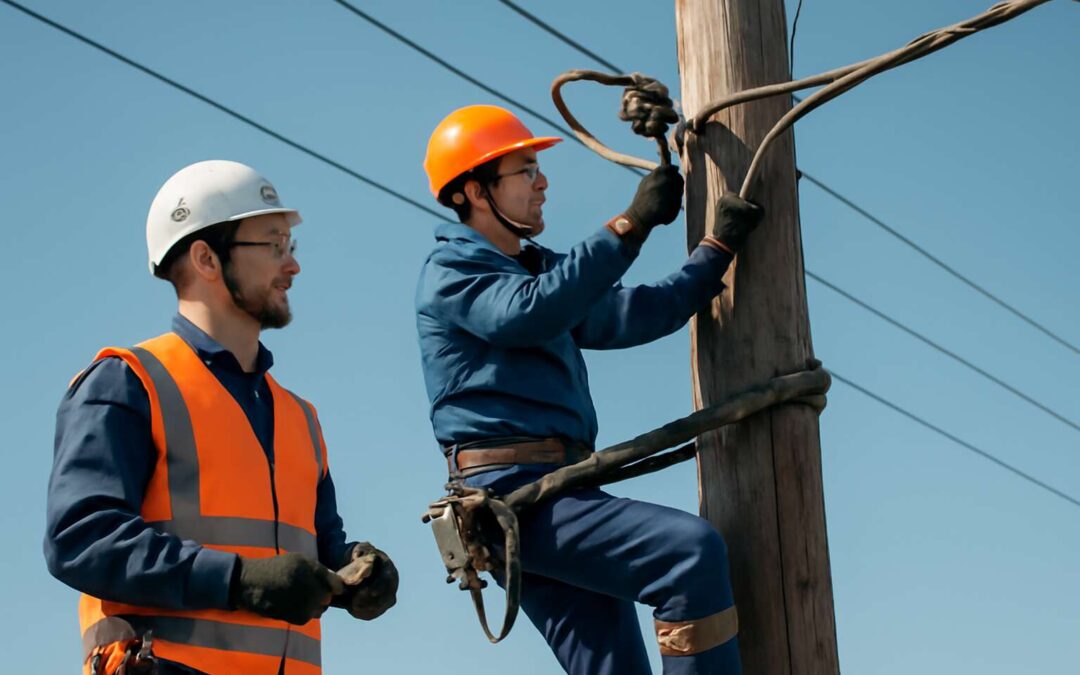
Meanwhile, the lineman stands as a guardian of the high-voltage frontier, scaling towering utility poles and working in often treacherous outdoor environments. Their primary mission is to build and maintain the extensive network of overhead and underground power lines that keep cities alive. The debate of electrician vs lineman often centers on their distinct operational domains, yet both professions demand a deep understanding of electrical systems and a fearless approach to risk.
- Climbing tall structures
- Working in remote or hazardous conditions
- Handling high-voltage equipment
is part of their daily reality, making their roles vital to our energy infrastructure.”
Definition of a Lineman – Explanation of lineman duties, specialization in power line maintenance, and fieldwork scenarios
In the vast and often unforgiving landscape of energy infrastructure, the role of a lineman emerges as both a beacon of resilience and an embodiment of precision. A lineman’s duties extend far beyond the simple act of stringing wires; they are the custodians of our electrical arteries, ensuring that high-voltage power flows seamlessly from substations to the farthest reaches of rural South Africa. Their expertise lies in power line maintenance, where every climb up a towering utility pole or deep underground repair demands unwavering focus and an unflinching resolve.
Working in layered field scenarios—be it storm-ravaged communities or remote mining sites—linemen confront environments that challenge both physical endurance and mental acuity. Their work often involves handling high-voltage equipment, and safety protocols are their unwavering companions. Unlike electricians, who primarily focus on the internal wiring of buildings, the lineman’s domain is the expansive outdoor network that fuels entire cities—an intricate web of energy that keeps South Africa’s industries and homes alive. The debate of electrician vs lineman encapsulates these distinct yet interconnected worlds, each vital to our collective energy future.
Key Differences in Job Focus – Contrast in daily tasks, job scope, and areas of expertise
In the complex web of South Africa’s energy matrix, the distinction between an electrician vs lineman is often overlooked, yet it’s crucial to understanding how power reaches our homes and industries. While both roles are vital, their daily tasks and areas of expertise diverge sharply, each serving a unique purpose in the grand energy ecosystem.
Electricians primarily focus on the internal wiring of buildings—installing, repairing, and maintaining electrical systems within homes, offices, and factories. Their scope is confined to safe, efficient electrical circuits that keep our daily lives running smoothly. In contrast, linemen operate on a much larger canvas. Their work involves maintaining and repairing the outdoor power grid, often at dizzying heights or in hazardous conditions. They handle high-voltage equipment, troubleshoot broken lines, and respond swiftly when storms or accidents threaten the flow of electricity.
- Electricians excel in indoor environments, ensuring safety and compliance within buildings.
- Linemen work outdoors, often in remote or dangerous settings, safeguarding the entire energy network.
This fundamental difference underscores the unique skill sets required for each role. Understanding this contrast is key to appreciating the critical contributions of both electricians and linemen in South Africa’s energy future—each operating in their specialized realm, yet united in their mission to keep the lights on. The debate of electrician vs lineman isn’t just academic; it’s a reflection of the layered complexity behind powering a nation.
Training and Certification Requirements
Electrician Training and Certifications – Apprenticeship programs, licensing exams, safety certifications, and educational background
Training and certification requirements form the backbone of a professional electrician or lineman’s career, ensuring safety, skill, and expertise. Unlike other trades, both professions demand rigorous preparation — but the paths diverge in notable ways. For aspiring electricians, apprenticeship programs serve as the foundational step, combining classroom instruction with on-the-job training. These programs typically span four years, during which apprentices gain hands-on experience while earning a wage. Upon completion, candidates must pass licensing exams that test their technical knowledge and practical skills, a crucial step for legal practice in South Africa.
Meanwhile, linemen often pursue specialized training focused on high-voltage power lines, safety protocols, and fieldwork scenarios. Safety certifications are paramount, given the inherent dangers of working with live electrical infrastructure. To become a qualified lineman, individuals usually undergo a combination of technical schooling and apprenticeship, emphasizing physical endurance and risk mitigation. Here’s a quick overview of common training milestones for both roles:
- Completion of a recognized apprenticeship program
- Passing of licensing or certification exams
- Obtaining safety certifications such as working at heights or first aid
Educational backgrounds vary but generally include a high school diploma or equivalent, with some programs favoring candidates with background knowledge in mathematics and physics. Whether choosing the path of an electrician or a lineman, continuous learning and certification renewal remain vital components of a successful career in this dynamic field. The difference in training requirements underscores the distinct focus of each profession—one on detailed electrical systems, the other on maintaining the power grid in all its demanding environments.
Lineman Training and Certifications – Lineworker apprenticeships, industry-specific certifications, safety standards, and technical training
In the shadowy corridors of power, where danger lurks behind every wire and towering pole, the journey to becoming a lineman demands a relentless pursuit of mastery. Their training is a crucible—an arduous apprenticeship that fuses technical prowess with an ironclad respect for safety standards. Industry-specific certifications, such as high-voltage safety and fall protection, are not mere formalities but sacred rites of passage. These credentials act as a shield against the chaos that comes with working amidst live currents and towering infrastructure.
To forge this path, aspiring linemen often follow a structured sequence of milestones:
- Completion of a recognized lineworker apprenticeship program
- Passing rigorous industry certifications—each one a talisman against disaster
- Attaining safety certifications, including working at heights, first aid, and risk mitigation
While the electrician vs lineman debate often centers around the scope of work, the lineman’s training emphasizes physical endurance and mastery of fieldwork scenarios. It’s a dance with danger—a relentless pursuit of keeping the lights alive in the dark, unforgiving wilderness. The training is intense, demanding both mental acuity and physical resilience, to meet the unforgiving standards of this perilous profession.
Comparison of Educational Pathways – Differences in required education levels, hands-on training, and ongoing education
The journey to becoming either an electrician or a lineman is a tale of dedication, skill, and relentless pursuit of mastery. While both professions demand technical prowess, their educational pathways diverge significantly, shaping their roles and responsibilities in the field. For those comparing electrician vs lineman, understanding these differences in training and certification requirements reveals the unique demands of each career.
Electricians typically embark on a structured academic route—completing a high school diploma or equivalent, followed by technical college or vocational training. Their apprenticeship programs blend classroom instruction with hands-on experience, culminating in licensing exams that emphasize electrical codes, safety standards, and troubleshooting skills. Continuing education is often necessary to stay current with evolving regulations and technology.
In contrast, linemen follow a more physically demanding and field-oriented pathway. Their training involves rigorous lineworker apprenticeships, which focus on technical skills specific to high-voltage systems, pole climbing, and emergency rescue operations. Industry-specific certifications, such as high-voltage safety and fall protection, are essential, and ongoing safety certifications ensure mastery of risk mitigation in unpredictable environments.
- Completion of a recognized lineworker apprenticeship program
- Passing industry-specific certifications like high-voltage safety
- Maintaining safety certifications such as working at heights and first aid
While both paths require dedication, the electrician vs lineman debate often hinges on the scope of work. Electricians operate primarily within buildings and infrastructure, emphasizing precision wiring and system diagnostics. Linemen, on the other hand, excel in outdoor, often hazardous environments—climbing, troubleshooting, and maintaining vast power lines beneath the open sky. Their ongoing education is vital, ensuring they adapt to technological advancements and safety protocols in this perilous yet vital profession.
Work Environment and Job Conditions
Electrician Work Settings – Residential, commercial, industrial environments, and typical work conditions
When it comes to the work environment, electricians and linemen couldn’t be more different—think of it as choosing between a cozy workshop and a treacherous mountain climb. Electricians often find themselves in the comfort of residential, commercial, or industrial settings, where they enjoy the luxury of working indoors away from the elements. Their typical work conditions include controlled temperatures, steady schedules, and the occasional coffee break—until a sudden power outage throws a wrench in the plans.
In stark contrast, linemen embrace the wild side of the electrical universe. Their work environment is a rugged, adrenaline-fueled playground perched high atop utility poles or dangling from bucket trucks. Whether repairing a fallen power line after a storm or installing new infrastructure, linemen thrive in harsh weather conditions, often battling wind, rain, or the blazing South African sun. Their job conditions demand resilience, as they operate in unpredictable and sometimes hazardous environments, making the electrician vs lineman debate a matter of preference—and a dash of daredevilry.
Lineman Work Settings – Outdoor fieldwork, high voltages, utility companies, and challenging weather exposure
When it comes to the work environment, electrician vs lineman couldn’t be more contrasting. Electricians typically operate within the relative comfort of indoor settings—residential homes, commercial buildings, or industrial facilities—where controlled temperatures and predictable schedules are the norm. It’s a profession that offers a sense of stability, punctuated only by occasional emergencies like power outages that require quick response and problem-solving skills.
In stark contrast, linemen are the daredevils of the electrical world, embracing outdoor fieldwork that’s as challenging as it is vital. Their domain spans towering utility poles, high-voltage lines, and complex infrastructure in often unpredictable weather conditions. Whether battling fierce South African storms or working under the blazing sun, linemen operate in environments that demand resilience and unwavering focus. Their job involves working at great heights, often with voltages that could be deadly if mishandled, making safety protocols absolutely critical.
Understanding the stark differences in their work settings highlights the core distinction in the electrician vs lineman debate. Linemen thrive in rugged, high-stakes environments, where every day can bring new hazards and adrenaline-fueled moments. Their work isn’t just about maintaining power—it’s about saving lives and ensuring communities stay connected despite nature’s fiercest challenges.
Safety Considerations – Risks involved in each profession and safety protocols
In the realm of electrical mastery, understanding the stark differences between an electrician vs lineman reveals a world of contrasting challenges and risks. Electricians typically operate within the sanctuary of indoor environments, where safety measures are meticulously maintained and weather seldom interferes. Their work conditions are predictable, often revolving around residential, commercial, or industrial settings, with a focus on precision and control.
Meanwhile, linemen are the intrepid explorers of the electrical universe, embracing outdoor fieldwork that demands resilience and bravery. Working atop towering utility poles and navigating high-voltage lines in the face of South African storms or scorching sun is no small feat. The risks involved—such as electric shock, falls from heights, and unpredictable weather—are ever-present. Safety protocols, like the use of insulated gear, harnesses, and strict adherence to industry standards, are vital to safeguard these heroes who keep communities powered and connected.
To thrive in such perilous conditions, linemen undergo rigorous industry-specific certifications and technical training, emphasizing safety at every turn. Their job isn’t just about maintaining power — it’s about heroism in the face of nature’s fury. The electrician vs lineman debate underscores not only the diversity of skills but also the unique safety considerations that define each profession’s essence.
Tools and Equipment Used
Tools for Electricians – Wire strippers, voltage testers, conduit benders, and diagnostic equipment
When it comes to the tools used by electricians, precision and safety are paramount. Essential equipment such as wire strippers, voltage testers, conduit benders, and diagnostic devices allow electricians to perform their tasks efficiently and reliably. These tools help ensure that wiring is secure, circuits are safe, and installations meet strict safety standards. A well-stocked toolbox is a testament to an electrician’s expertise and readiness to tackle diverse electrical challenges.
In contrast, linemen rely heavily on specialized equipment designed for outdoor and high-voltage environments. Safety harnesses, insulated gloves, and bucket trucks are just a few of the critical tools that facilitate fieldwork on power lines. These workers often face extreme weather conditions and must maneuver heavy equipment at great heights, making their toolkit considerably different from that of an electrician.
For those interested in the distinctions between electrician vs lineman, understanding the specific tools each profession requires highlights the unique demands and skillsets involved. Whether working indoors with intricate wiring or outdoors on sprawling power grids, the right tools are essential for safety and success in each role.
Tools for Linemen – Bucket trucks, lineman’s poles, grounding gear, and high-voltage insulating gloves
When it comes to tools, linemen operate in a completely different environment from electricians. Their equipment must withstand harsh outdoor conditions, high voltages, and extreme weather. Bucket trucks are essential for reaching power lines at great heights, providing safety and stability during maintenance tasks. Lineman’s poles are also indispensable, allowing workers to access and repair overhead lines efficiently.
Personal safety gear is critical for linemen. Insulated gloves and grounding equipment protect against dangerous electrical faults, while safety harnesses keep workers secure at heights. These specialized tools are designed to meet rigorous industry standards, ensuring that linemen can perform high-stakes fieldwork confidently. In fact, industry certifications often require proficiency with such equipment.
Here’s a quick overview of the core tools used by linemen:
- Bucket trucks
- Lineman’s poles
- Grounding gear
- High-voltage insulating gloves
Understanding the distinct tools involved in the electrician vs lineman roles highlights the unique demands each profession faces. While electricians focus on indoor wiring and electrical systems, linemen are equipped to handle outdoor power lines under challenging conditions. Their tools are engineered for durability, safety, and precision—key elements when working with high-voltage infrastructure on sprawling power grids across South Africa.
Comparison of Tool Specialization – Differences in equipment complexities and usage environments
When delving into the world of electrical craftsmanship, the stark contrast between an electrician and a lineman becomes vividly apparent through their tools and equipment. Unlike the confined, climate-controlled environments where electricians operate, linemen face the wild theater of outdoor work—where weather, high voltages, and expansive terrains are the norm. This divergence in environment demands a unique set of tools that are as robust as they are specialized.
For electricians, the toolkit is compact yet precise—wire strippers, voltage testers, conduit benders, and diagnostic devices. These instruments are tailored for indoor systems, ensuring safe and efficient wiring within homes, commercial buildings, and industrial complexes. In contrast, the electrician vs lineman debate highlights the expansive arsenal used by linemen. Their core tools include bucket trucks for soaring heights, lineman’s poles for reaching overhead lines, grounding gear to prevent electrical faults, and high-voltage insulating gloves—each crafted to withstand South Africa’s diverse climate and demanding safety standards.
- Bucket trucks elevate linemen safely into the stratosphere of high-voltage lines, offering stability amid gusts and storms.
- Lineman’s poles provide the reach necessary for swift, effective repairs on sprawling power grids.
- Grounding equipment ensures that electrical faults are safely diverted, a crucial safety measure in outdoor settings.
- Insulating gloves serve as a vital barrier against unpredictable high-voltage surges, safeguarding those working on live lines.
Ultimately, the equipment disparity underscores the core difference in their roles—electricians craft the unseen backbone of our indoor electrical systems, while linemen are the rugged guardians of our outdoor power infrastructure. Each profession, with its distinct set of tools, embodies a different facet of electrical mastery—yet both are essential in illuminating South Africa’s vast and varied landscape.
Career Outlook and Salary Expectations
Electrician Salary and Job Growth – Median wages, industry demand, regional variations, and potential career advancement
In a landscape where the demand for skilled electrical professionals continues to surge, understanding the career outlook and salary expectations for an electrician vs lineman becomes crucial. Electricians, with their versatile skill set, often find opportunities across residential, commercial, and industrial sectors. The median wages for electricians in South Africa hover around ZAR 150,000 to ZAR 250,000 annually, but regional variations can significantly influence these figures. Urban centers with booming infrastructure projects tend to offer higher pay, reflecting the industry’s robust demand for qualified practitioners.
Conversely, linemen—specialists in high-voltage power line maintenance—often command a premium due to the inherent risks and specialized training required. Their median wages can reach ZAR 200,000 to ZAR 300,000, especially when working for utility companies or in remote, outdoor environments. The job growth for both careers remains promising; electricians benefit from ongoing infrastructure upgrades, while linemen are vital for expanding and maintaining reliable power grids. The choice between these paths hinges on personal aptitude for outdoor work versus indoor technical tasks, yet both hold the promise of steady, lucrative employment.
Lineman Salary and Job Growth – Earnings potential, industry stability, union roles, and overtime opportunities
In the dynamic landscape of South Africa’s electrical industry, the earning potential and job stability of a lineman stand out as particularly compelling. With median wages reaching ZAR 200,000 to ZAR 300,000 annually, linemen often enjoy a lucrative career path, especially when working for utility companies or in remote outdoor settings. Their specialized skill set, combined with the inherent risks of high-voltage work, commands a premium that many find appealing. Moreover, union roles often enhance job security and provide access to overtime opportunities, further boosting income. The demand for qualified linemen remains resilient, driven by ongoing infrastructure expansion and the need to maintain reliable power grids across diverse terrains.
Compared to electricians, who typically work indoors in residential, commercial, or industrial environments, linemen’s careers are characterized by outdoor fieldwork that challenges both skill and endurance. The industry’s stability for linemen is bolstered by the continuous need for power distribution, making this profession a steady source of employment. The combination of high demand, safety protocols, and union protections makes a career as a lineman not only financially rewarding but also socially vital. For those drawn to outdoor work and technical mastery, the earnings potential and long-term job outlook of a lineman are truly impressive.
Factors Influencing Salaries – Experience, certifications, location, and specialization
In South Africa’s evolving energy landscape, salary expectations for electricians vs linemen can vary dramatically, influenced by experience and specialization. A seasoned lineman working in remote high-voltage environments can command significantly higher wages than an entry-level electrician in urban residential settings. Factors such as certifications, technological expertise, and geographic location play pivotal roles in shaping earning potential.
For example, a lineman with advanced safety certifications and specialized skills in high-voltage systems might see salaries rise to ZAR 300,000 or more annually, especially when working for utility companies or on large infrastructure projects. Conversely, electricians operating primarily in residential or commercial sectors typically earn between ZAR 120,000 and ZAR 200,000, depending on their experience and certifications.
- Experience level—more years on the job often translate to higher pay.
- Certifications—additional safety and technical credentials boost earning capacity.
- Location—urban centers tend to offer better wages, but remote areas may compensate with overtime and hazard pay.
- Specialization—skills in high-voltage systems, renewable energy, or industrial applications can command a premium.
In essence, the disparity in salary expectations between electrician vs lineman careers is driven by the complexity of tasks and the inherent risks. While electricians thrive in controlled indoor environments, linemen face unpredictable outdoor conditions, making their expertise highly valuable—and highly rewarded. As demand for reliable power continues to grow, so too does the lucrative horizon for those who master these technical crafts.
Similarities and Overlapping Skills
Core Electrical Knowledge – Understanding of electrical systems, safety, and troubleshooting
At the core of both the electrician vs lineman debate lies a shared foundation of core electrical knowledge. Both professions demand a deep understanding of electrical systems, safety protocols, and troubleshooting techniques. Whether working in a residential or outdoor environment, these skills are vital for ensuring operational safety and system integrity. The ability to read complex wiring diagrams, identify faults, and implement repairs is a common thread, uniting these roles despite their different focus areas.
Furthermore, overlapping skills such as the use of specialized tools and adherence to safety standards are essential in both fields. Electricians often rely on wire strippers, voltage testers, and conduit benders, while linemen utilize bucket trucks, grounding gear, and high-voltage insulating gloves. Both roles require precision and an acute awareness of electrical hazards, making safety protocols non-negotiable. This shared expertise underscores the importance of technical mastery in the electrician vs lineman landscape, shaping professionals capable of navigating the dangers and demands of electrical work with confidence and competence.
Technical Skills – Use of specialized tools, reading blueprints, and problem-solving
In the realm of electrical professions, the line between an electrician vs lineman often blurs, especially when it comes to their technical prowess. Both roles demand an exceptional mastery of specialized tools that are tailored to their unique environments. Electricians rely heavily on wire strippers, voltage testers, and conduit benders, while linemen utilize bucket trucks, high-voltage insulating gloves, and grounding gear. Despite their different settings, these tools serve as the backbone of their ability to troubleshoot with precision and safety.
Reading blueprints and schematics forms another common thread in the electrician vs lineman debate. Whether deciphering complex wiring diagrams in a residential or industrial setting or interpreting utility maps in outdoor fieldwork, both professionals must possess keen problem-solving skills. The ability to swiftly identify faults and implement effective repairs hinges on a deep understanding of electrical systems and an eye for detail. This technical expertise ensures not only operational efficiency but also safety in potentially hazardous environments.
Physical Demands – Strength, stamina, working at heights, and outdoor work
When comparing the roles of an electrician vs lineman, one cannot overlook the striking overlap in their physical demands. Both professions require a formidable level of strength and stamina, especially since they often work in challenging environments that test their endurance. Whether hanging from scaffolding or balancing on utility poles, these workers must maintain resilience in physically taxing situations.
Elevated work is a hallmark of both careers. Electricians frequently work at heights during the installation of wiring systems in multi-story buildings, while linemen spend much of their time outdoors, perched atop utility poles or working from bucket trucks. This exposure to heights demands not only physical strength but also mental focus and a calm demeanor amid potential hazards.
Residents of South Africa may find it intriguing that these roles often involve outdoor work in diverse weather conditions. From sweltering summer days to stormy nights, both electricians and linemen operate in environments where safety and endurance are paramount. Their ability to adapt, combined with rigorous training, ensures they can face the elements while maintaining their professional responsibilities.
- Working at heights
- Enduring outdoor conditions
- Physical strength and stamina
- Resilience in challenging environments
Ultimately, the physical demands of an electrician vs lineman highlight a shared necessity: the capacity to perform under pressure while prioritizing safety. Both roles exemplify the human capacity to adapt and persevere—traits that are essential when balancing the technical with the physical in the world of electrical work.
Choosing the Right Career Path
Factors to Consider – Personal interests, desired work environment, physical demands, and career goals
Choosing the right career path between an electrician vs lineman hinges on a tapestry of personal interests and practical considerations. For those captivated by the intricate dance of wiring and electrical systems, becoming an electrician offers a world of opportunities within residential, commercial, and industrial settings. The work environment often feels like a bustling hive of activity, where problem-solving and precision are paramount. Conversely, the allure of a lineman’s role lies in the thrill of outdoor adventure—climbing poles, working at dizzying heights, and maintaining the backbone of power distribution.
Physical demands play a critical role; electricians typically enjoy a controlled workspace, while linemen face the rugged elements and demanding stamina requirements. For individuals who crave challenge and outdoor exposure, the decision might lean toward the lineman’s path. Meanwhile, those seeking a balanced blend of technical expertise and stable indoor environments might find their calling as electricians. Ultimately, understanding these factors—personal interests, work environment, physical demands, and career goals—illuminates the best route in the vibrant world of electrical professions.
Pros and Cons of Each Profession – Advantages, challenges, and long-term career prospects
In the realm of electrical vocations, the debate of electrician vs lineman is akin to choosing between two legendary paths—each with its own tapestry of triumphs and tribulations. Both careers forge their own mythos, promising stability, challenge, and mastery over one’s craft. The electrician’s world is a sanctuary of precision, where intricate wiring and sophisticated systems come alive through skill and ingenuity. In contrast, the lineman’s saga unfolds amidst the wild outdoors, climbing towering poles and braving the elements to keep the power flowing in bustling cities and remote villages alike.
While electricians often enjoy a controlled environment filled with tools like wire strippers and diagnostic equipment, linemen face the raw elements with bucket trucks and insulating gloves, making their work an epic adventure in human endurance. The decision between the two hinges on personal interests: do you crave the adrenaline of high-altitude work, or the satisfaction of troubleshooting in a cozy indoor setting? Both professions offer promising long-term career prospects, but each demands a different set of skills, physical stamina, and safety considerations—turning the electrician vs lineman debate into a journey of self-discovery in the electrifying world of electrical trade.
How to Get Started – Educational pathways, apprenticeships, and industry resources
Choosing the right career path in the electrical industry requires more than just a glance at job descriptions; it demands a deep understanding of personal interests, values, and physical resilience. For those contemplating the electrician vs lineman debate, the starting point often involves navigating educational pathways and industry resources. In South Africa, aspiring electricians can enroll in technical colleges that offer diploma programs, complemented by apprenticeships that serve as gateways to gaining real-world experience. Meanwhile, becoming a lineman typically involves specialized lineworker apprenticeships, which combine classroom instruction with rigorous on-the-job training.
Both paths require dedication to safety standards and certification processes—certifications that validate skills and open doors to lucrative opportunities. Industry associations and career fairs serve as invaluable resources, providing insight into the nuances of each profession. Whether you are drawn to the meticulous precision of an electrician’s craft or the rugged adventure of a lineman’s fieldwork, understanding these educational and industry avenues helps illuminate the journey ahead.
by | Aug 15, 2025 | Electrician
Understanding the Role of a Local Electrician
What Does an Electrician Do?
Electricians in Hatfield are the unsung heroes behind the safety and functionality of our electrical systems. Their role extends far beyond simple wiring; they ensure that homes and businesses meet strict safety standards while providing reliable power. A qualified electrician Hatfield understands the complexities of modern electrical networks and can troubleshoot issues swiftly, saving you time and money.
What does an electrician do? Their expertise covers a broad spectrum of tasks, from installing new electrical outlets to upgrading entire electrical panels. They also perform routine inspections to prevent potential hazards and ensure compliance with local regulations. For those seeking an electrician Hatfield, it’s essential to find someone with the skills to handle:
- Electrical repairs and troubleshooting
- Lighting installations
- Electrical safety inspections
- Rewiring and system upgrades
Understanding the scope of an electrician’s work highlights just how vital their role is in maintaining safe and efficient electrical systems in Hatfield’s homes and businesses. Their work often goes unnoticed until something goes wrong—then, they’re the first on the scene to restore order and safety.
Why Choose a Local Expert in Hatfield?
When it comes to electrical work, the importance of choosing a local electrician Hatfield cannot be overstated. These professionals aren’t just familiar with the wiring in your neighborhood—they understand the unique quirks of Hatfield’s electrical landscape. A local expert knows the ins and outs of local regulations, ensuring that every job meets safety standards without causing unnecessary delays. Plus, they’re just a call away, ready to troubleshoot those pesky electrical gremlins that pop up unexpectedly.
Why opt for a local electrician Hatfield? Because they bring a level of accountability and personal touch that big chains often lack. They’re invested in their community, which means quality workmanship and reliable service. Whether it’s a quick repair or a full-scale rewiring project, a local electrician’s familiarity with the area ensures swift, efficient results. After all, dealing with electrical issues is stressful enough—why add the headache of waiting for someone from out of town? Trusted, timely, and tailored to Hatfield’s needs—local electricians are the secret ingredient to keeping your electrical systems running smoothly.
Certifications and Qualifications to Look For
In the intricate dance of electrical artistry, certifications and qualifications act as the sacred scrolls that validate a technician’s mastery. When seeking an electrician Hatfield, it’s vital to discern the credentials that elevate a competent tradesperson into the realm of true professionalism. These qualifications are not mere badges; they are the backbone of safety, precision, and trust.
Look for recognized industry certifications that attest to their expertise. A reputable electrician Hatfield should possess qualifications such as the South African Electrical Certification or equivalent accredited courses. These ensure they’ve undergone rigorous training, understanding both the science and the artistry behind wiring, safety standards, and modern electrical systems.
To delve deeper, consider the following:
- Valid Electrical Practitioner’s License
- Membership in professional bodies like the South African Institute of Electrical Engineers (SAIEE)
- Ongoing training in the latest electrical innovations and safety protocols
Such credentials are more than just paperwork; they are the promise of quality craftsmanship. An electrician Hatfield with these qualifications demonstrates a dedication to excellence, ensuring your electrical needs are met with both skill and integrity. When seeking an electrician in Hatfield, trust in the power of proper certification—because safety, after all, is the ultimate currency in electrical work.
Types of Electrical Services Offered in Hatfield
Residential Electrical Services
In the intricate dance of modern life, electricity is the silent conductor guiding our daily routines. In Hatfield, residents are increasingly turning to a professional electrician hatfield to ensure their homes remain safe and functional. The scope of residential electrical services offered here is as diverse as the needs of the community itself.
From upgrading aging wiring systems to installing sophisticated lighting solutions, a skilled electrician hatfield provides a spectrum of services designed to enhance safety and efficiency. Whether it’s rewiring a century-old home or integrating smart home technology, these professionals understand that every circuit, switch, and socket must serve a purpose beyond mere convenience. They help homeowners navigate the complex labyrinth of electrical standards, ensuring compliance and peace of mind.
- Lighting design and installation
- Electrical repairs and troubleshooting
- Panel upgrades and circuit breaker replacements
- Installation of home automation systems
In essence, a reputable electrician hatfield isn’t just connecting wires—they are safeguarding the human experience within our homes, illuminating the path forward with expertise and integrity.
Commercial Electrical Solutions
Electricity powers the pulse of Hatfield’s bustling commercial landscape, and behind every successful business lies a trusted electrician Hatfield ready to deliver specialized solutions. The scope of commercial electrical services offered here is as varied as the businesses they serve, ranging from intricate wiring systems to high-tech security installations. These professionals don’t just keep the lights on—they craft environments where innovation and safety coexist seamlessly.
For larger enterprises, comprehensive electrical solutions include panel upgrades, energy-efficient lighting design, and the implementation of sustainable power systems. Smaller businesses benefit from tailored repair services, circuit troubleshooting, and maintenance that prevent costly downtime. Whether establishing a new office or refurbishing an existing premise, an electrician Hatfield is essential to transforming visions into reality. Their expertise ensures compliance with local standards while optimizing operational efficiency.
- Electrical system design and installation
- Security and surveillance wiring
- Emergency lighting and backup power solutions
- Data cabling and networking infrastructure
Indeed, the right electrician Hatfield brings more than technical skill—they bring peace of mind, safeguarding your business’s future with precision and professionalism. Their keen eye for detail and unwavering commitment turn complex electrical challenges into smooth, reliable solutions that energize the entire community with confidence.
Emergency Electrical Repairs
In Hatfield, electrical emergencies strike when least expected, demanding swift and reliable intervention. Emergency electrical repairs are the backbone of maintaining safety and operational continuity for businesses and homes alike. An electrician Hatfield is often the unsung hero behind these urgent fixes, working tirelessly behind the scenes to diagnose and resolve issues that could otherwise escalate into costly disasters.
From sudden power outages to exposed wiring hazards, these professionals bring a meticulous approach to every crisis. Their expertise spans a broad spectrum of urgent services, including troubleshooting electrical faults, restoring power, and preventing further damage. When every second counts, having a trusted electrician Hatfield on call makes all the difference. Their rapid response and precise diagnostics ensure that safety is never compromised, even in the most precarious situations.
Key emergency electrical repairs often involve:
- Restoring power after outages or faults
- Fixing exposed or damaged wiring
- Addressing electrical surges and short circuits
- Implementing temporary power solutions to keep essential systems running
In the unpredictable realm of electrical emergencies, the presence of a vigilant electrician Hatfield offers not just repair but reassurance. Their ability to navigate complex situations with professionalism transforms chaos into calm, securing both property and peace of mind in a world that never sleeps.
Electrical Installations and Upgrades
Electrical needs are as diverse as the properties they serve, and in Hatfield, a skilled electrician offers a comprehensive range of services to meet these demands. From upgrading outdated wiring to installing cutting-edge lighting solutions, their expertise ensures safety and functionality are never compromised. Electrical installations are foundational to modern living, and a professional electrician Hatfield can tailor solutions specific to your space.
Whether it’s a complete home rewiring, adding new sockets, or enhancing security with smart systems, these professionals bring precision and reliability to every project. For businesses, upgrading electrical panels or integrating energy-efficient systems can significantly reduce operational costs and improve safety standards. In essence, their services extend beyond simple repairs, shaping the electrical landscape of Hatfield homes and businesses alike.
- Residential electrical upgrades that boost safety and efficiency
- Commercial electrical installations designed for scalability and compliance
- Modern lighting solutions to enhance ambiance and security
Choosing an electrician Hatfield with a broad skill set and a focus on quality ensures that every upgrade or installation meets local regulations and industry standards. It’s not just about fixing immediate issues but investing in a reliable electrical infrastructure for the future.
Safety Inspections and Compliance
Electrical safety is the cornerstone of a thriving community, and in Hatfield, expert electricians provide a broad spectrum of services to ensure every property adheres to the highest standards. Safety inspections are a vital component of this commitment, offering peace of mind to homeowners and business owners alike. An electrician Hatfield conducts comprehensive assessments, identifying potential hazards before they escalate into costly or dangerous problems. These inspections encompass everything from checking wiring integrity to testing grounding systems, guaranteeing compliance with local safety regulations.
Furthermore, safety and compliance aren’t static goals; they require ongoing vigilance. Many professional electricians in Hatfield offer tailored maintenance plans, ensuring your electrical systems remain safe and efficient over time. Sometimes, this involves a detailed review of existing installations, highlighting areas that require upgrades to meet evolving standards. It’s a proactive approach—one that prevents accidents and prolongs the lifespan of your electrical infrastructure. When it comes to safeguarding your property, choosing an electrician Hatfield with a reputation for meticulous safety inspections is not just wise—it’s essential for peace of mind in a rapidly changing technological landscape.
Benefits of Hiring a Professional Electrician in Hatfield
Ensuring Safety and Compliance
In a world where the flicker of a faulty wiring system can escalate into a catastrophe, the value of hiring a professional electrician in Hatfield becomes undeniably profound. The delicate dance of ensuring electrical safety and regulatory compliance is an intricate one, demanding not just skill but an innate understanding of the dynamic electrical landscape. When you opt for an electrician Hatfield, you are investing in a safeguard—an expert whose meticulous attention to detail mitigates risks that could otherwise lead to devastating consequences.
Beyond the obvious safety benefits, a qualified electrician in Hatfield ensures your electrical systems are compliant with local safety standards, preventing costly fines or dangerous hazards down the line. Their expertise allows for precise diagnosis and efficient resolution of electrical faults, fostering peace of mind.
- Expert knowledge of local electrical codes
- Thorough safety inspections
- Prompt, reliable emergency repairs
Engaging a professional electrician in Hatfield isn’t just about fixing wires; it’s about weaving a resilient safety net that protects your property and loved ones from unseen dangers lurking within the circuitry.
High-Quality Workmanship
When it comes to electrical work, quality isn’t just a matter of aesthetics; it’s a matter of safety and longevity. Hiring a professional electrician in Hatfield guarantees workmanship that adheres to the highest standards, ensuring your electrical systems are both reliable and efficient. Skilled electricians bring a level of craftsmanship that DIY efforts simply cannot match, transforming complex wiring and installations into seamless, resilient solutions.
Moreover, a reputable electrician in Hatfield understands the importance of durable connections and precise configuration. They use top-grade materials and industry-best practices, which means your electrical infrastructure will stand the test of time. This meticulous approach minimizes future repair costs and prevents the inconvenience of unexpected outages. In essence, investing in high-quality workmanship from a local expert ensures peace of mind, knowing that your electrical system is built on a foundation of excellence and reliability.
Cost-Effective Solutions
In the bustling world of electrical work, a penny saved often results in a pound lost—particularly when it comes to safety and efficiency. Employing a professional electrician in Hatfield isn’t just a matter of convenience; it’s an astute investment that saves money in the long run. While DIY enthusiasts may envision quick fixes, they often overlook the hidden costs of shoddy wiring or improper installations.
Opting for a seasoned electrician Hatfield ensures solutions that are not only cost-effective but also resilient. Skilled professionals leverage industry-leading techniques and premium materials, which means fewer call-backs and repairs down the line. This meticulous approach translates into tangible savings, as well as peace of mind. For those considering electrical upgrades or installations, it’s worth remembering that the true value lies in avoiding future expenses rather than merely cutting initial costs.
Prompt and Reliable Service
When it comes to electrical work, prompt and reliable service is non-negotiable. A professional electrician Hatfield understands the urgency of your needs and responds swiftly, ensuring your safety isn’t compromised. Whether it’s a sudden power outage or a faulty wiring issue, quick action can prevent further damage and potential hazards.
Hiring an experienced electrician Hatfield means you get more than just fast service. It guarantees that every task is completed with precision and adheres to strict safety standards. This level of professionalism minimizes the risk of future problems and guarantees peace of mind. With a local expert, you also benefit from tailored solutions that respect your specific electrical setup, saving you both time and money.
In a field where safety and quality are paramount, choosing a reputable electrician Hatfield is an investment you can’t afford to overlook. Reliable, efficient, and committed to excellence—those are the hallmarks of a true professional in the electrical trade.
How to Choose the Best Electrician in Hatfield
Checking Licenses and Insurance
Choosing the right electrician in Hatfield can feel like navigating a labyrinth of options, but a few key considerations can illuminate the path. In South Africa, where electrical safety standards are paramount, verifying a professional’s licenses and insurance is not just wise—it’s essential. An electrician Hatfield should possess valid certifications that demonstrate their expertise and adherence to local safety regulations, ensuring peace of mind for any project.
Insurance acts as a safety net for both the electrician and the homeowner, covering unforeseen accidents or damages that could occur during work. To avoid costly surprises, ask potential electricians for proof of insurance and verify their licenses with relevant authorities. This step guarantees you’re engaging a qualified professional committed to high standards of quality and safety.
Remember, the most reputable electrician Hatfield will gladly provide documentation and answer your questions, reinforcing their credibility and your confidence in their craftsmanship. When safety, professionalism, and quality converge, your electrical project becomes a seamless journey—guided by the right expert every step of the way!
Reading Customer Reviews and Testimonials
When seeking the best electrician in Hatfield, one of the most telling indicators of quality is the feedback from previous clients. Customer reviews and testimonials serve as a window into the electrician’s reputation, revealing how they handle projects, communicate, and uphold safety standards. These narratives often uncover the nuances that certifications alone cannot convey—such as punctuality, professionalism, and craftsmanship.
To truly gauge an electrician Hatfield’s reliability, look for reviews that detail specific experiences. Did they complete the job on time? Were they respectful of your space? Was the work neat and durable? These stories weave the fabric of trust that helps you decide who will be the best fit for your electrical needs. Remember, a well-reviewed electrician isn’t just popular; they’re consistently delivering high standards that align with your expectations and safety requirements.
For added assurance, consider reaching out to previous clients or checking online platforms where genuine testimonials are shared. When customer voices echo satisfaction and confidence, it becomes clear you’ve found a true professional—your ideal electrician Hatfield ready to bring your electrical vision to life!
Comparing Quotes and Pricing
When selecting an electrician Hatfield, the quest often feels like navigating a labyrinth of shadows, each promising salvation but hiding unseen treacheries. Comparing quotes and pricing becomes your lantern in this darkness—illuminating the true cost beneath the surface of superficial estimates. It’s not merely about the lowest price but about deciphering the value woven into each figure, understanding what’s included and what shadows lurk in fine print.
In this eerie dance of numbers, ask for detailed quotations that break down labor, materials, and possible extras. Be wary of estimates that seem too good to be true—they often conceal compromises in quality or safety. A reputable electrician Hatfield will provide transparent pricing, reflecting their craftsmanship and commitment to enduring safety standards. Remember, the cost of a misstep can be far greater than the price of diligent, precise work.
Assessing Experience and Specializations
Choosing the right electrician in Hatfield requires more than just a glance at a price tag. Experience and specialization are the backbone of dependable electrical work, ensuring safety and longevity. An electrician Hatfield with a proven track record in residential or commercial projects can navigate complex wiring systems with finesse, transforming what might seem like a chaotic tangle into a seamless, efficient network.
Assessing their background involves delving into their years of service, specific areas of expertise, and the variety of projects they’ve tackled. For instance, an electrician Hatfield skilled in modern smart home installations will bring innovative solutions that stand the test of time. The key is to seek someone whose specialization aligns with your needs, be it a simple upgrade or a comprehensive rewiring.
To streamline your decision, consider asking for a portfolio of past work or references. Remember, a seasoned professional not only demonstrates technical mastery but also exemplifies a passion for safety and quality craftsmanship. In the end, selecting an electrician Hatfield with the right experience is a vital step toward ensuring your electrical needs are met with precision and care.
Common Electrical Problems Fixed by Hatfield Electricians
Frequent Electrical Faults
Electrical faults are an inevitable part of modern life, often striking when least expected. In Hatfield, residents rely on skilled electrician Hatfield professionals to swiftly diagnose and resolve these issues, restoring safety and comfort. Common electrical problems fixed by Hatfield electricians include flickering lights, tripped circuit breakers, and outlets that refuse to work. These faults can stem from overloaded circuits, faulty wiring, or damaged appliances, each demanding expert attention to prevent further hazards.
When electrical issues become persistent, it’s essential to understand the root cause. Hatfield electricians are trained to identify intricate faults such as short circuits, ground faults, and wiring deterioration. Sometimes, a simple fix like replacing a worn-out switch or tightening connections suffices, but other times, a comprehensive rewiring is necessary to ensure long-term safety. For those seeking efficient solutions, here are some common faults handled by electrician Hatfield:
- Overloaded circuits
- Faulty outlets or switches
- Lighting issues, including flickering or dimming
- Unexpected circuit breaker trips
- Electrical surges damaging appliances
Trusting a local electrician Hatfield ensures that these frequent electrical faults are addressed promptly and reliably, safeguarding your property while enhancing energy efficiency. Nothing beats the confidence that comes from knowing your electrical system is in expert hands, especially when dealing with the unpredictable nature of electrical faults.
Troubleshooting Power Outages
Power outages are the electrical equivalent of a bad mood—sudden, frustrating, and often baffling. When Hatfield residents encounter flickering lights or entire blackout episodes, it’s time to call in the experts. Electrician Hatfield specialists excel at troubleshooting these vexing issues, swiftly pinpointing the root cause to restore your electrical harmony.
Common culprits behind power outages include overloaded circuits, faulty wiring, or tripped circuit breakers. An electrician Hatfield will methodically assess your system, sometimes using a simple diagnostic checklist, such as:
- Checking for overloaded power strips
- Inspecting circuit breakers for wear and tear
- Testing wiring connections for deterioration
In more complex cases, they might perform thorough inspections to identify hidden faults like damaged insulation or ground faults. With their expert touch, an electrician Hatfield can resolve these issues efficiently, ensuring your home or business stays powered without drama or inconvenience.
Fixing Faulty Wiring
Faulty wiring remains one of the most insidious electrical issues that can lurk unnoticed until it manifests as flickering lights, frequent tripping, or, worse, sparks and fires. An electrician Hatfield possesses the expertise to diagnose and rectify these hidden dangers, safeguarding your home or business from potential catastrophe. Wiring problems often stem from aging insulation, poor installation, or damage caused by pests—issues that aren’t always visible to the untrained eye.
Addressing these concerns requires a meticulous approach, and a seasoned electrician Hatfield will typically follow a systematic process. They might:
- Inspect wiring connections for corrosion or deterioration
- Test circuits to identify inconsistent or faulty wiring paths
- Replace worn or damaged wiring to ensure safety and reliability
In many cases, resolving faulty wiring isn’t just about patching the problem—it’s about understanding the intricate web of your electrical system. This ensures that your property remains not only functional but also compliant with safety standards, providing peace of mind amidst the unpredictable nature of electrical faults.
Upgrading Old Electrical Systems
Electrical maladies often lurk in the shadows, whispering their presence through flickering lights or a sudden surge in power outages. An electrician Hatfield stands as the vigilant guardian against these silent threats, unraveling the tangled web of electrical woes with precision and care. From persistent power surges to inexplicable circuit tripping, these common electrical problems demand the keen eye of a seasoned professional.
One of the most frequent issues encountered by electrician Hatfield specialists is outdated wiring that no longer meets modern safety standards. Upgrading old electrical systems is not merely a matter of convenience but a vital act of safeguarding lives and property. This process might involve
- replacing aging cables
- installing new circuit breakers
or reconfiguring the electrical panel to accommodate increased load demands. Such upgrades breathe new life into tired systems, ensuring resilience against the unpredictable nature of electrical faults.
In the realm of electrical troubleshooting, the true mastery lies in understanding the intricate dance of current and resistance. An electrician Hatfield meticulously assesses each component, discerning hidden faults that could ignite danger if left unchecked. Whether it’s addressing faulty wiring or restoring power to a compromised circuit, their expertise transforms chaos into calm, restoring harmony to your electrical universe.
Cost of Hiring an Electrician in Hatfield
Factors Influencing Pricing
When it comes to hiring an electrician in Hatfield, cost can feel as unpredictable as the weather — one day sunny, the next, a thunderstorm of hidden fees. The price of electrical services varies widely depending on several factors, including the complexity of the job, the electrician’s experience, and whether it’s an emergency or a scheduled upgrade. A straightforward repair might cost less, while a full system overhaul could send your bill soaring. In Hatfield, local electricians often have competitive rates, but it’s essential to understand what influences the final cost.
One key element to consider is the scope of work. For example, troubleshooting power outages or fixing faulty wiring might be billed differently than installing new lighting fixtures or upgrading electrical panels. To shed light on this, here’s a quick rundown of cost-influencing factors:
- The complexity and size of the project
- The electrician’s level of expertise and certification
- Urgency — emergency repairs tend to carry a premium
- The materials and parts required for the job
In Hatfield, the average cost for an electrician can range from affordable hourly rates to premium charges for specialized services. Knowing what affects the price helps ensure you’re not caught off guard when the bill arrives—because even in the world of electrical work, clarity is key to avoiding a shocking surprise!
Average Cost Estimates
The true cost of hiring an electrician in Hatfield extends beyond mere numbers; it reflects the intricacies of trust, expertise, and the silent promise of safety. On average, you might expect to pay anywhere from R500 to R2000 for a standard electrical job in Hatfield, depending on the scope and urgency. These prices fluctuate based on factors such as the complexity of the task, the experience of the electrician, and whether it’s a scheduled upgrade or an emergency repair.
For a clearer picture, consider this breakdown of typical costs in Hatfield:
- Basic repairs or troubleshooting can start at around R500 and go up based on the problem’s severity.
- Installing new lighting fixtures or outlets might range from R800 to R1500.
- Full electrical system upgrades or rewiring projects often exceed R2000, reflecting their extensive nature.
Understanding these nuances helps you navigate the electrical landscape in Hatfield with confidence. When seeking an electrician in Hatfield, always remember that price is just one piece of the puzzle—quality, safety, and reliability carry equal weight in this essential service sector.
Tips to Save Money on Electrical Work
In the labyrinthine world of electrical work, the true expense often mirrors the hidden depths of trust, expertise, and unspoken promises of safety. When seeking an electrician in Hatfield, it’s tempting to focus solely on the immediate cost, yet the true value lies in craftsmanship and reliability. The average cost estimates in Hatfield typically range from R500 to R2000, a spectrum that encompasses everything from minor troubleshooting to extensive rewiring projects. These figures fluctuate based on the complexity of the task, the electrician’s experience, and whether it’s a scheduled upgrade or an urgent repair.
To truly maximize your investment, consider these cost-saving insights. Firstly, plan ahead and avoid reactive repairs; proactive maintenance often costs less than emergency fixes. Secondly, requesting detailed quotes from multiple electrician Hatfield professionals can reveal hidden charges and ensure transparency. Lastly, prioritizing quality over mere affordability ensures the longevity of the electrical system, ultimately saving money in the long run. Remember, in Hatfield, an electrician’s expertise not only ensures your safety but also preserves your peace of mind—an invaluable commodity in our interconnected world!
Scheduling and Contacting an Electrician in Hatfield
How to Book an Appointment
In the bustling heart of Hatfield, where every flicker of light and surge of power tells a story of modern life, scheduling an electrician is a task that demands precision and trust. When electrical issues strike unexpectedly, the urgency to contact a reliable electrician Hatfield becomes paramount—because in the realm of electricity, hesitation can lead to chaos. Whether you need a swift repair or a comprehensive upgrade, knowing how to book an appointment seamlessly ensures your home or business remains illuminated and safe.
Most professionals in Hatfield offer flexible scheduling options tailored to your needs. To streamline the process, consider preparing a brief overview of your electrical concerns. Many reputable electricians provide free consultations via their website or phone, making it effortless to initiate contact. When reaching out, be sure to specify your preferred dates and times, and inquire about the estimated duration of the work to avoid conflicts. This proactive approach guarantees that your experience with the electrician Hatfield is smooth from first contact to completion.
- Choose a reputable electrician in Hatfield with positive reviews
- Provide clear details about your electrical issue
- Confirm availability and appointment slots in advance
- Ask about any necessary preparations before the visit
- Keep a record of your booking confirmation for reference
Remember, a well-scheduled appointment not only ensures prompt service but also sets the stage for high-quality workmanship and safety compliance, key elements that make every electrical project in Hatfield a success.
Emergency Contact Procedures
In the unpredictable world of electrical issues, swift action can be the difference between safety and catastrophe. When an emergency strikes in Hatfield, knowing how to contact an electrician Hatfield swiftly is essential. Emergency contact procedures should always be clear and straightforward—having a reliable electrician on speed dial can save you from potential hazards. Many local electricians offer dedicated emergency response lines, ensuring that help is just a call away, no matter the hour.
To streamline your response, keep a list of trusted electrician Hatfield contacts readily accessible. When contacting them, provide precise details about the problem—such as the location of the fault, the nature of the issue, and any immediate dangers. This preparation helps the electrician assess the situation quickly and arrive fully equipped for the task. Remember, during emergencies, clarity and quick communication are paramount to restoring safety and power efficiently.
- Call a trusted electrician Hatfield with an emergency response service.
- Describe the issue clearly, including any safety risks involved.
- Follow their instructions for immediate safety precautions.
- Keep their contact information handy for future reference.
Availability and Response Times
In Hatfield, accessibility and responsiveness are the backbone of reliable electrical services. When scheduling an electrician Hatfield, it’s vital to consider their availability and response times—especially when urgent issues demand swift action. Many local electricians prioritize prompt service, understanding that electrical problems can escalate rapidly, impacting safety and daily routines.
For non-emergency situations, establishing a clear communication channel ensures you can book appointments at your convenience. A reputable electrician Hatfield often offers flexible scheduling options, accommodating busy household or business needs. When contacting an electrician Hatfield, it’s wise to specify your preferred times and provide detailed descriptions of your electrical concerns. This helps streamline the process, so technicians arrive prepared and equipped to resolve issues efficiently.
- Verify their response times and availability, especially after hours or during weekends.
- Ensure their contact information is readily accessible for quick reference.
- Discuss potential scheduling conflicts beforehand to guarantee a smooth appointment.
Ultimately, choosing an electrician Hatfield with reliable availability means peace of mind—knowing that when electrical trouble strikes, help is just a call away and response times are minimized, safeguarding your property and well-being.
by | Aug 14, 2025 | Electrician
Understanding the Electrician Trade Test
Definition and Purpose of the Trade Test
Understanding the electrician trade test requirements is essential for any aspiring electrician seeking recognition in South Africa’s bustling construction and maintenance sectors. This test isn’t merely a bureaucratic hurdle; it embodies a profound commitment to safety, competence, and professional integrity. At its core, the trade test serves as a benchmark—an unyielding standard designed to ensure that each electrician possesses the practical skills and theoretical knowledge necessary to navigate complex electrical systems responsibly.
The purpose of the trade test extends beyond certification. It acts as a safeguard—protecting lives, property, and the environment—by verifying that electricians meet stringent competency levels. This process evaluates both technical proficiency and adherence to safety protocols, embodying the moral obligation every electrician bears in their craft. To fulfill the electrician trade test requirements, candidates often prepare through a combination of theoretical assessments and practical demonstrations, which collectively forge a foundation for excellence in the field.
Importance of Certification for Electricians
In the intricate dance of electrical mastery, certification emerges as the beacon guiding aspiring electricians through the labyrinth of professionalism. The electrician trade test requirements serve as the cornerstone of this journey, transforming raw talent into a respected craft. Without this badge of competence, even the brightest sparks risk being extinguished by safety failures or subpar workmanship.
Achieving certification isn’t merely a bureaucratic milestone; it’s a testament to unwavering dedication and skill. It affirms that an electrician has met the rigorous standards set by industry regulators, ensuring their ability to work safely and effectively within South Africa’s vibrant construction and maintenance sectors. For many, passing the trade test is the key to unlocking greater opportunities and earning the trust of clients who demand excellence.
Overview of the Test Components
The electrician trade test requirements in South Africa are meticulously designed to ensure only the most qualified individuals earn their certification. This comprehensive assessment evaluates both theoretical knowledge and practical skills, reflecting the multifaceted nature of electrical work. Aspiring electricians must demonstrate a thorough understanding of electrical principles, safety protocols, and local regulations, all crucial for maintaining safety standards across the industry.
The test components are carefully structured to assess competency in various areas essential for professional electricians. Typically, the trade test includes a written exam that covers core concepts such as electrical wiring, circuit design, and troubleshooting. Alongside this, a practical assessment tests hands-on skills, where candidates must safely execute wiring tasks, install electrical systems, and demonstrate problem-solving abilities in simulated real-world scenarios.
In South Africa, the electrician trade test requirements also emphasize adherence to national electrical codes and safety standards. Candidates are often evaluated on their ability to interpret technical drawings, plan installations, and perform maintenance work with precision. This holistic approach ensures that only those with a well-rounded skill set can attain certification, reinforcing the importance of meeting all aspects of the electrician trade test requirements.
Prerequisites for Registering for the Trade Test
Educational Qualifications Needed
Meeting the electrician trade test requirements is a critical step for anyone aiming to establish a reputable career in South Africa’s electrical industry. Interestingly, the educational qualifications needed for the trade test go beyond a simple high school diploma; they often encompass specific technical training and practical experience. Employers and regulatory bodies emphasize these prerequisites to ensure safety and competency on the job.
Typically, candidates are expected to possess relevant trade certificates or diplomas from accredited institutions. These qualifications demonstrate a foundational understanding of electrical principles, wiring standards, and safety protocols. In some cases, prior work experience can also be a decisive factor in fulfilling the electrician trade test requirements, especially for those transitioning from informal work to formal certification.
To streamline the registration process, applicants should ensure they have:
- Proof of completed technical training
- Relevant work experience in electrical installation or maintenance
- Accredited certification or diploma in electrical engineering
Understanding these prerequisites helps aspiring electricians navigate the often complex landscape of trade testing, ensuring they meet all the necessary electrician trade test requirements to advance their careers legally and professionally.
Relevant Work Experience
In the intricate path toward becoming a licensed electrician in South Africa, relevant work experience is often the silent gatekeeper—an essential prerequisite for registering for the electrician trade test. Without this hands-on exposure, even the most impressive theoretical knowledge can fall short. The trade test requirements demand not just familiarity with electrical principles but also a proven track record of practical application in real-world settings.
Employers and regulatory bodies place a premium on actual electrical installation and maintenance experience, recognizing it as the backbone of competency. To meet the electrician trade test requirements, candidates typically need to document a specific period of relevant work experience, often spanning several years. This experience serves as proof that the electrician has faced diverse challenges and can handle the responsibilities safely and efficiently.
Some common prerequisites for registering for the trade test include:
- Completion of supervised electrical work
- Participation in electrical installation projects
- Accumulating documented hours of practical work
Understanding that these requirements are not merely bureaucratic hurdles but vital steps toward ensuring safety and professionalism is crucial. The journey to becoming a certified electrician hinges on meeting these electrician trade test requirements through real-world experience—an unspoken testament to one’s readiness to excel in the electrical industry.
Required Documentation and Certifications
Getting ready for the electrician trade test in South Africa isn’t just about memorizing wiring diagrams or knowing your Ohm’s law; it’s about proving you’ve been in the trenches. The prerequisites for registering for the trade test are like the secret handshake of the electrical industry—necessary, non-negotiable, and often overlooked until you’re ready to jump through hoops.
One of the key electrician trade test requirements is having the right documentation to back up your hands-on experience. This typically includes a comprehensive record of your practical hours, signed off by your employer or supervisor. Without this, your application might be as useful as a broken circuit breaker! Moreover, certain certifications may be required, such as a completed apprenticeship or specific safety training programs.
To streamline the process, some candidates compile their documentation into a neat list, which might include:
- Proof of completed supervised electrical work
- Official attestations of participation in electrical installation projects
- Documented hours of practical electrical work
Securing these essentials isn’t just bureaucratic red tape; it’s a testament to your readiness to tackle real-world electrical challenges safely and efficiently. Remember, the electrician trade test requirements are crafted to ensure only the best are licensed to light up South Africa’s future—so make sure your paperwork shines as brightly as your skills!
Application Process for the Trade Test
Step-by-Step Application Procedure
Embarking on the journey to become a certified electrician in South Africa involves more than just practical skills; it demands adherence to the rigorous electrician trade test requirements. The application process is a crucial step that requires careful preparation and understanding of each phase. It’s not merely about submitting documents but about demonstrating a genuine commitment to professionalism and safety standards.
Once you’ve gathered all necessary documentation, including proof of educational qualifications and work experience, the next step is to formally apply through the relevant provincial or national regulatory body. The application procedure typically unfolds in a series of well-defined stages: submitting your application, paying applicable fees, and scheduling your trade test. The process ensures that only those with the requisite knowledge and experience proceed, safeguarding the integrity of the profession. Remember, each step in this process aligns with the electrician trade test requirements, ensuring that aspiring electricians are thoroughly evaluated before earning certification.
Submission of Documents
Applying for the electrician trade test is a pivotal step in formalizing your skills and unlocking professional recognition. The submission of documents must be meticulous, as it directly impacts your eligibility to proceed. Ensuring all paperwork is complete and up-to-date demonstrates your adherence to the electrician trade test requirements and reflects your commitment to safety and professionalism.
Typically, the process begins with gathering essential documentation, such as proof of educational qualifications, work experience, and relevant certifications. Once prepared, you’ll need to submit these to the appropriate regulatory body, either provincially or nationally. To streamline the application, it’s helpful to follow a structured approach:
- Complete the application form carefully.
- Attach all required supporting documents.
- Pay the applicable fees to validate your submission.
- Schedule your trade test date after confirmation of application receipt.
This organized process ensures compliance with the electrician trade test requirements, making it easier to demonstrate your readiness for the next phase—showcasing your competency in a practical environment. Remember, each step is designed to uphold the integrity of the certification process and safeguard the standards of the electrical trade in South Africa.
Application Fees and Payment Methods
Embarking on the journey to become a certified electrician in South Africa is akin to stepping through a portal into a realm where precision and professionalism reign supreme. The application process for the electrician trade test is a crucial chapter in this odyssey, demanding both meticulous attention and strategic foresight. One of the first steps involves settling the application fees—an essential rite of passage that signifies your commitment to upholding the electrician trade test requirements.
Payment methods are designed to be accessible and straightforward, typically offering options such as bank transfers, online payments, or in-person cash payments at designated offices. To ensure your application proceeds without delay, it’s advisable to verify the exact fee amount and accepted payment channels from your regulatory body beforehand. This not only streamlines your submission but also demonstrates your adherence to the high standards expected in the electrical trade.
For clarity, the process can be summarized as follows:
- Complete the official application form with diligence.
- Proceed with the payment through your preferred method.
- Retain proof of payment for submission verification.
By navigating the electrician trade test requirements with precision and care, you set the stage for a smooth progression towards showcasing your skills and earning your certification. The seamless handling of application fees underscores your dedication to the standards that safeguard the integrity of the electrical trade in South Africa.
Trade Test Content and Subjects Covered
Written Examination
When navigating the labyrinthine corridors of electrician trade test requirements, understanding the scope of the written examination is paramount. This component is designed to rigorously assess theoretical knowledge, ensuring that candidates possess the foundational understanding essential for safe and effective electrical work in South Africa. The subjects covered are both extensive and nuanced, reflecting the complexity of modern electrical systems.
Typically, the written test delves into areas such as electrical wiring regulations, safety protocols, and the interpretation of technical drawings. These subjects are not merely academic; they are the backbone of practical competence. To succeed, candidates should expect questions that challenge their grasp of electrical codes, troubleshooting procedures, and the legal responsibilities that underpin the profession.
In essence, the examination serves as a litmus test for readiness, gauging whether an aspiring electrician’s theoretical acumen aligns with the practical demands of the trade. Mastery of these topics is a non-negotiable facet of the electrician trade test requirements, ensuring only well-rounded professionals enter the field with confidence and competence.
Practical Skills Test
The electrician trade test requirements go beyond mere theory; they encompass a comprehensive assessment of practical skills that are vital for ensuring safety and efficiency on the job. The practical skills test is designed to evaluate how well candidates can apply their knowledge in real-world scenarios, reflecting the complexities faced by electricians daily. This segment often involves hands-on tasks such as wiring installations, troubleshooting electrical faults, and interpreting technical diagrams accurately.
To excel in this part of the trade test, candidates should be prepared to demonstrate core competencies through a series of structured exercises. These exercises may include:
- Correctly wiring switchboards
- Identifying faults in electrical circuits
- Implementing safety protocols during installations
Mastery of these practical components is a crucial aspect of the electrician trade test requirements, emphasizing that theoretical knowledge alone is insufficient. Only those who can confidently translate plans into tangible, safe electrical systems will meet the high standards set by South Africa’s electrical industry.
Preparation Tips for the Trade Test
Study Resources and Materials
Preparing for the electrician trade test requirements isn’t just about memorising facts—it’s about immersing yourself in the intricacies of electrical systems and protocols. A well-structured study plan can make all the difference, transforming daunting concepts into manageable milestones. The right study resources and materials are your allies in this journey, offering clarity and confidence when it matters most.
To maximize your preparation, gather comprehensive textbooks, technical manuals, and practice exams tailored to South African electrical standards. Online platforms and forums dedicated to electrician trade test requirements can provide invaluable insights, tips, and peer support. For a deeper understanding, consider subscribing to industry journals that highlight emerging standards and innovations. Remember, mastery often hinges on the quality of your resources—be selective and thorough in your approach.
For an organized study session, try using a checklist to track your progress, ensuring no vital topic is overlooked. Here’s a quick overview of essential study materials:
- Official South African electrical codes
- Practice question papers
- Technical manuals and reference guides
- Online tutorials and webinars
With the right preparation, you’ll approach the electrician trade test requirements with not just knowledge, but a sense of mastery—ready to face whatever challenge lies ahead!
Practice Exams and Mock Tests
Practicing with mock tests is one of the most effective ways to prepare for the electrician trade test requirements. These practice exams simulate real test conditions, helping you identify areas that need improvement. They also build confidence and reduce exam anxiety, which can be a significant hurdle on the day. When tackling practice questions, focus on understanding the reasoning behind each answer rather than just memorising solutions. This approach deepens your grasp of complex concepts involved in the electrician trade test requirements.
To get the most out of your practice, consider following these preparation tips:
- Set a study schedule that includes dedicated time for mock tests.
- Review your answers carefully, noting any recurring mistakes or weak spots.
- Use a variety of question formats—multiple choice, technical calculations, or scenario-based—to mimic the actual test.
- Track your progress with a checklist, ensuring all sections of the electrician trade test requirements are covered thoroughly.
Remember, consistent practice with practice question papers and mock tests is key to mastering the electrician trade test requirements. It sharpens your skills and ensures you’re ready for whatever challenges the exam presents!
Training Courses and Workshops
Preparing for the electrician trade test requirements demands more than just passing an exam; it’s about mastering practical skills and theoretical knowledge. Enrolling in dedicated trade test training courses can significantly boost your confidence and competence. These workshops offer hands-on experience, allowing you to refine your practical skills under expert supervision.
A focused approach to preparation involves actively engaging in training sessions that simulate real-world scenarios. This not only deepens your understanding but also accelerates your learning curve. To maximise your progress, consider creating a structured study plan that aligns with the specific electrician trade test requirements.
Attending workshops regularly can also help you stay disciplined and motivated. Remember, consistent exposure to practical tasks and technical discussions enhances your ability to meet the demands of the trade test requirements confidently. Investing in quality training is a strategic move toward becoming a qualified electrician in South Africa.
Results and Certification
How and When Results Are Announced
When it comes to electrician trade test requirements, the anticipation is almost as nerve-wracking as waiting for your favorite series to drop its latest episode. But fear not—once you’ve conquered the formidable hurdles of the written exam and practical skills test, the moment of truth arrives: the announcement of results. Typically, the results are released within a few weeks after the assessment, giving hopeful electricians enough time to breathe and perhaps plan a celebratory dance—or a nervous breakdown, depending on the outcome.
Results are usually communicated through official channels, such as the testing authority’s online portal or directly via email. It’s tempting to refresh the inbox obsessively, but patience is a virtue. Once your results are in, if you’ve met the electrician trade test requirements, you’ll receive an official certification that opens doors to the electrical trade, allowing you to work independently or even start your own business. Conversely, if luck wasn’t on your side, the process might involve a retake, but hey—every master electrician was once a rookie who failed a few times.
For those who pass, the certification is not merely a badge of honour; it’s your ticket to legitimacy, safety compliance, and professional credibility. So, keep an eye out for the results, because in the electrifying world of trade testing, patience—and a good sense of humor—are key!
Obtaining Your Electrician License
In the realm of electrical mastery, the moment of revelation—when results are finally unveiled—carries the thrill of a crescendo in a symphony. For those who have navigated the labyrinth of electrician trade test requirements, this juncture is both a test of patience and a triumph of perseverance. The waiting period, often tinged with anticipation, culminates in a decisive communication from the licensing authority, heralding whether the journey continues or begins anew. Typically, results are dispatched through official channels—be it the online portal or direct email—each notification a beacon of hope or a gentle reminder to refine skills.
Once the outcome is confirmed, obtaining your electrician license transforms ambitions into tangible reality. Certification not only signifies compliance with the rigorous electrician trade test requirements but also bestows legitimacy and credibility within the electrical trade. It’s a passport to professional independence, empowering you to work across various projects or even establish your own enterprise. For those who pass, the certification acts as a badge of honour—an acknowledgment of competence and dedication in a demanding field.
In the grand tapestry of becoming a registered electrician, the journey doesn’t end with passing. Instead, it marks the beginning of a new chapter—one where the certified electrician can confidently embrace the responsibilities of safety, innovation, and craftsmanship. The electrician trade test requirements serve as the gatekeeper to this world, ensuring only the most skilled and prepared step forward. And as the results roll in, they carry with them not just a verdict, but a promise of potential awaiting realization.
Renewal and Continuing Education Requirements
When the echoes of your efforts finally reach your ears—be it through a digital notification or a handwritten letter—the moment is both triumphant and tentative. Results from the electrician trade test requirements serve as the gatekeeper, determining whether your journey advances or demands a renewed quest. The wait, often a silent symphony of anticipation, culminates in a definitive message that heralds your future in the electrical trade.
Securing your certification following a successful trade test transforms ambition into legitimacy. The electrician trade test requirements, meticulously designed, ensure only the most prepared ascend to this professional pinnacle. Once certified, you gain not just a credential, but a badge of honour, a testament to your skill and dedication in a demanding field.
Renewal of your electrician certification is an ongoing dance with professionalism. In South Africa, this process often involves completing continuing education hours and staying abreast of evolving safety standards. The electrician trade test requirements also emphasize periodic renewal—each renewal not just a formality, but a reaffirmation of your commitment to excellence.
- Stay updated with industry standards
- Complete required CPD (Continuing Professional Development) hours
- Ensure compliance with local safety codes
These steps serve as the foundation upon which your career is built and sustained.
Moreover, embracing lifelong learning becomes a vital part of the electrician’s journey. The landscape of electrical work is ever-shifting—new technologies, safety protocols, and innovations emerge regularly. The electrician trade test requirements in South Africa reflect this dynamic nature, urging practitioners to continually sharpen their skills. As the saying goes, “A craftsman is only as good as his latest tool,” and in this trade, that tool is knowledge.
Common Challenges and How to Overcome Them
Understanding Technical Concepts
Getting a handle on the electrician trade test requirements can feel like trying to decipher ancient hieroglyphs—confusing, intimidating, and packed with arcane symbols. One common challenge is understanding the technical concepts, especially for those whose brains prefer to run on instinct rather than technical jargon. It’s no secret that mastering electrical theory, wiring regulations, and safety protocols requires more than just a casual glance at the manuals.
But fear not! Overcoming this hurdle is possible with a strategic approach. Dive into study resources and materials designed specifically for the South African electrician trade test. Practice exams and mock tests can serve as your crystal ball, revealing what areas require more attention. Remember, the key is to break down complex concepts into bite-sized pieces—think of it as electrical puzzle pieces slowly fitting together. With persistence and a dash of patience, the seemingly insurmountable becomes manageable. After all, every electrician was once a novice trying to decode the intricacies of the trade test requirements.
Time Management During the Test
Time management during the electrician trade test often proves to be a formidable obstacle, especially when the clock becomes an oppressive force. Many candidates find themselves caught in a relentless race against time, where rushing can compromise the quality of their work and clarity of thought. The pressure to complete both the written examination and practical skills test within strict timeframes can evoke anxiety, clouding judgment and impairing performance.
One effective strategy is to allocate time segments to each section beforehand. For example, dedicating a specific amount of minutes to multiple-choice questions ensures coverage without lingering too long on difficult items. Remember, understanding the electrician trade test requirements isn’t just about knowing the material—it’s about managing your effort efficiently.
A practical tip is to practice under timed conditions, simulating the real test environment. Practice exams and mock tests are invaluable—they reveal how well you’re pacing yourself and highlight areas where you tend to stall. Ultimately, mastering time management transforms a daunting challenge into a manageable journey, allowing you to demonstrate your competence fully.
Dealing with Exam Anxiety
Amidst the labyrinth of electrical mastery, many candidates find themselves ensnared by the shadow of exam anxiety—an invisible adversary that threatens to undermine even the most prepared. The electric tension in the air can cause trembling hands and racing thoughts, blinding the clarity needed to showcase true competence. Conquering this internal tempest requires more than mere willpower; it demands a strategic approach rooted in awareness and resilience.
One powerful method is to acknowledge that anxiety is a natural response—then channel it into focus. Deep breathing exercises, for instance, can serve as a calming balm, grounding your mind amid the storm. It’s also vital to remember that the electrician trade test requirements aren’t insurmountable walls but stepping stones; understanding them reduces uncertainty, easing the mind’s tumult. Embracing a balanced mindset, coupled with thorough preparation, transforms trepidation into quiet confidence, allowing the electrical craftsman to shine brightly under pressure.
Furthermore, visualizing success—seeing oneself calmly navigating the test—can forge a mental pathway to achievement. The journey through the electric maze becomes less daunting when each step is met with calm resolve, turning anxiety from an enemy into an ally that fuels focus and precision. With these mental tools, candidates can face their exam with the poise of a seasoned professional, ready to demonstrate mastery of the electrician trade test requirements.